 Plastic Plant pot | Plastic Garden Pot for Plants
 Self Watering Planters | Self Watering Plant Pots For Plants
Sindoor Tree | Lipstick Tree (Bixa orellana) Sindur Plant
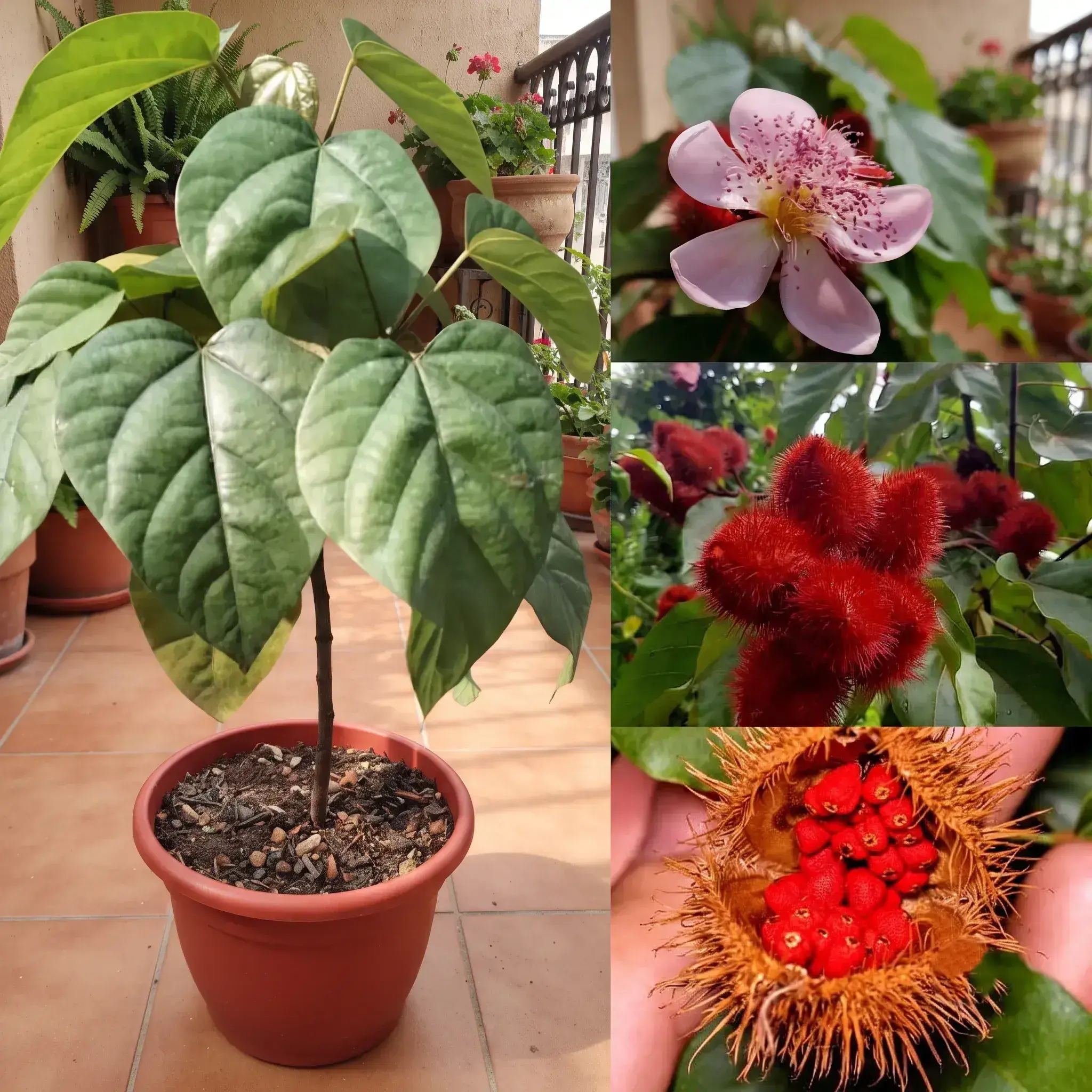
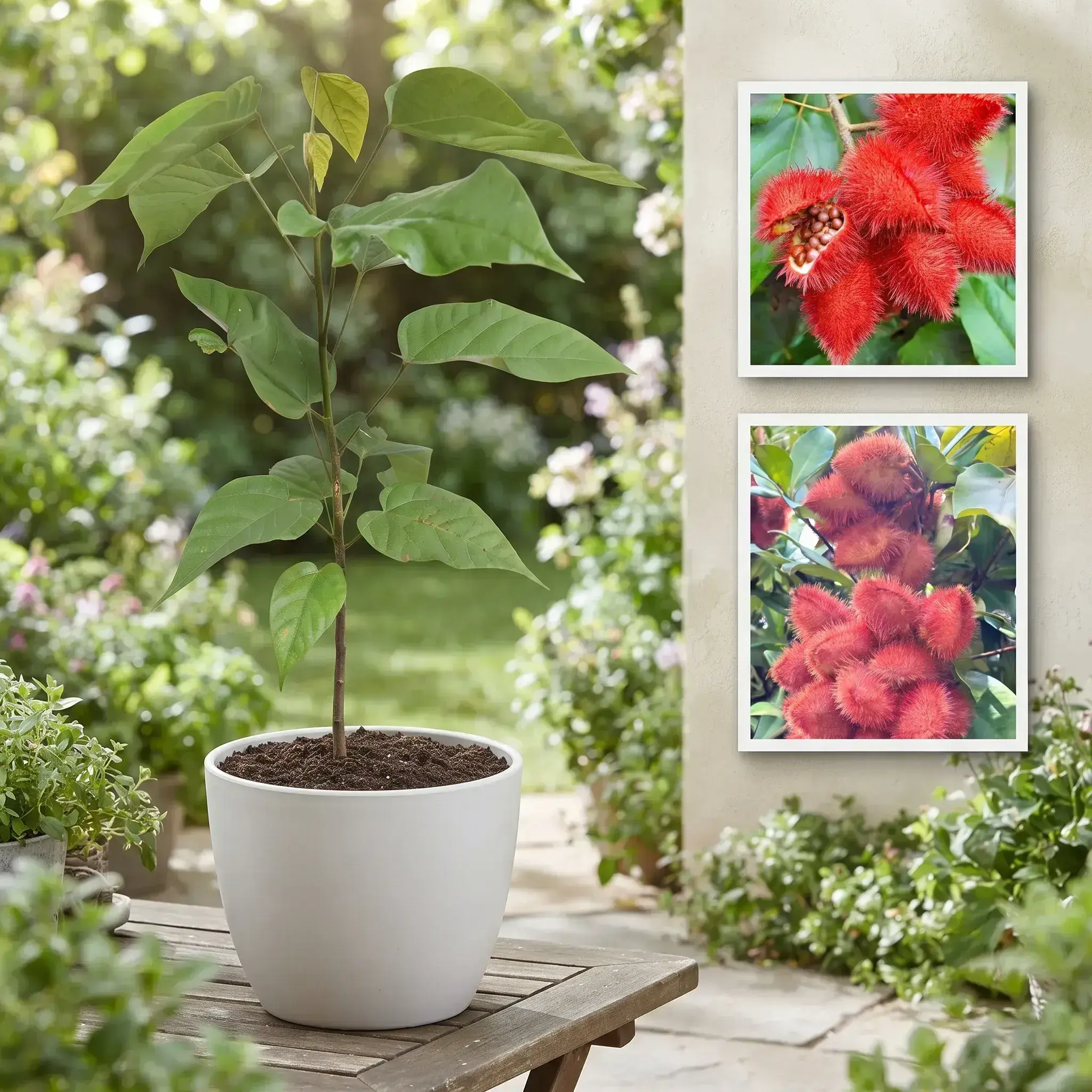
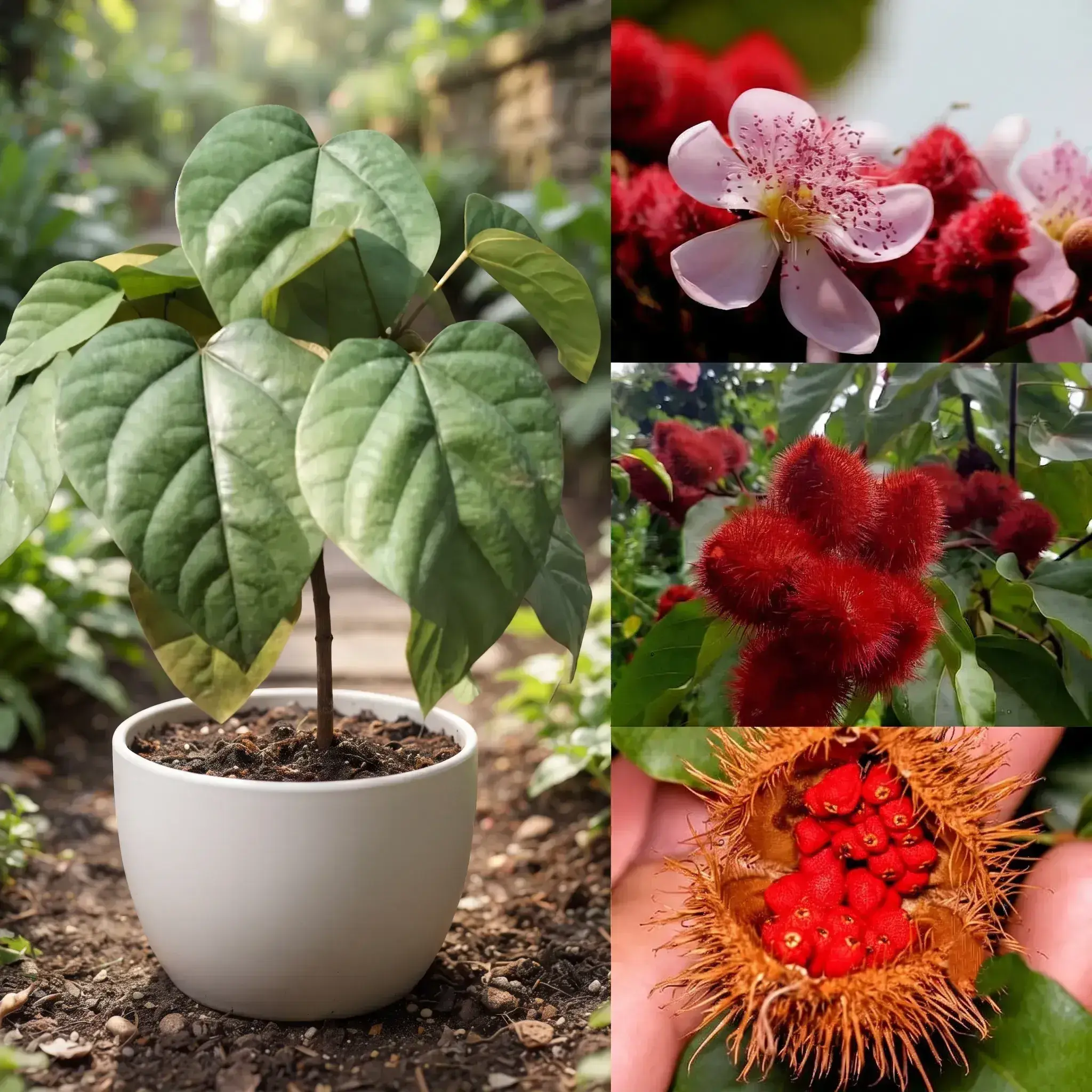
The Sindoor Tree (Bixa orellana), also known as Lipstick Tree, Annatto Tree, Achiote, Sindur Plant and Latkan. This attractive evergreen shrub or small tree is admired for its broad green leaves, beautiful pink or white flowers and unusual red seed pods.
The plant is especially interesting because its seeds are covered with a natural orange-red pigment called annatto or bixin. This pigment is traditionally used in colouring materials, cosmetics and certain food products.
The Sindoor Tree is a good choice for tropical gardens, sunny outdoor spaces and large garden containers. It can add ornamental value while introducing an interesting plant with a long history of traditional use.
Plant Highlights
- Common Name: Sindoor Tree, Sindur Plant, Lipstick Tree, Annatto Tree, Achiote, Latkan
- Botanical Name: Bixa orellana
- Plant Family: Bixaceae
- Plant Type: Evergreen tropical shrub or small tree
- Growth Habit: Upright, spreading and branching
- Typical Height: Approximately 2–8 metres, depending on growing conditions
- Leaf Colour: Green
- Flower Colour: Pink, white or pale pink
- Fruit: Red, brownish or greenish spiny seed capsules
- Light Requirement: Full sunlight
- Water Requirement: Moderate watering; avoid waterlogging
- Propagation: Seeds and other suitable nursery propagation methods
- Main Uses: Ornamental gardening and natural annatto pigment
About the Sindoor Tree
The Sindoor Tree belongs to the Bixaceae family and is native to tropical America. It is now cultivated in many tropical and subtropical regions around the world.
It is grown for its attractive flowers and distinctive fruits. The plant has a woody stem, spreading branches and large, heart-shaped or oval leaves with pointed tips.
The seeds inside its fruits have a bright orange-red coating. This coating contains annatto pigment, particularly bixin, which gives the plant its importance beyond ornamental gardening.
Appearance and Growth
The Sindoor Tree has a bushy growth habit and can develop into a small tree when planted in the ground.
Its main features include:
- Large, broad green leaves
- Attractive branching structure
- Pink or white flowers
- Unusual red or reddish-brown seed capsules
- Bright orange-red seed coatings
With enough sunlight, suitable soil and regular care, the plant can develop into an attractive feature in a tropical home garden.
Flowers and Flowering Season
The plant produces attractive flowers in terminal clusters. Flowers are generally pink, white or a combination of these shades, depending on the plant.
Individual flowers can be around 4–6 cm across. They have several delicate petals and a noticeable centre filled with stamens.
Flowering time depends on local climate, plant age and growing conditions. In suitable tropical environments, flowering and fruiting may occur at different times of the year.
Fruits and Seeds
One of the most interesting features of the Sindoor Tree is its unusual fruit.
The fruits are oval or rounded capsules covered with soft or stiff bristles. They may be red, greenish, brownish or other shades depending on the plant and maturity.
When mature, the capsules split open and reveal numerous seeds covered in a bright orange-red coating.
This seed coating contains annatto pigment, also called bixin. It is commercially valued as a natural colouring material.
Important: Do not assume that the seeds, leaves or other parts of a nursery plant are safe to eat. The plant’s traditional pigment use does not mean that every plant part is suitable for home consumption. Do not consume seeds or prepare homemade medicinal products without reliable safety guidance.
Sunlight Requirements
The Sindoor Tree grows best in a sunny outdoor location.
- Best location: Open garden or sunny terrace.
- Sunlight: Full sunlight is preferred.
- Morning sunlight: Beneficial for healthy growth.
- Afternoon sunlight: Suitable for established plants when water is available.
- Indoor growing: Not recommended as a permanent indoor plant because it needs strong natural light.
In hot parts of West Bengal, provide regular watering during summer and avoid allowing young plants to dry out completely.
Watering Requirements
The plant prefers moderate watering and reasonably moist soil during active growth. However, its roots should not remain in standing water.
- Water when the upper soil layer begins to dry.
- Water more frequently during hot and dry weather.
- Reduce watering during cool or rainy periods.
- Ensure that excess water can drain away.
- Avoid keeping the roots constantly wet.
During the West Bengal monsoon, good drainage is especially important.
Soil Requirements
The Sindoor Tree grows in a range of soil types but performs best in fertile, well-drained soil with good organic matter.
Suggested potting mix:
- 40% garden soil
- 30% well-decomposed compost or vermicompost
- 20% cocopeat
- 10% coarse sand or perlite
Use a potting mix that retains some moisture without becoming waterlogged. Avoid compacted soil that restricts root growth.
Temperature and Indian Climate
This is a warm-climate plant that prefers tropical and subtropical conditions. It is sensitive to frost and prolonged cold weather.
It can grow in suitable Indian climates, including warm and humid areas of West Bengal.
For better growth:
- Provide a sunny location.
- Water regularly during hot weather.
- Protect young plants from prolonged dry conditions.
- Keep the root area well drained during the monsoon.
- Avoid planting in locations that remain flooded after heavy rain.
Fertilizer Requirements
For healthy growth, use organic manure and balanced plant nutrition.
- Add well-decomposed compost around the plant.
- Apply vermicompost during active growth.
- Feed container-grown plants lightly according to their growth.
- Avoid excessive fertilizer application.
- Do not use fresh manure directly around the roots.
A healthy soil mix and sufficient sunlight are important for good plant development.
Growing Sindoor Tree in Pots
The plant can be grown in a large container when young, but it naturally develops into a shrub or small tree and needs space.
For container growing:
- Select a large, sturdy pot with drainage holes.
- Use fertile, well-drained potting soil.
- Place the pot in a sunny outdoor location.
- Water when the upper soil begins to dry.
- Prune lightly to maintain a manageable shape.
- Repot when the roots become crowded.
A container-grown plant may remain smaller than a plant grown in open ground, but it should not be considered a naturally dwarf variety unless the nursery confirms a specific dwarf cultivar.
Best Places to Grow
The Sindoor Tree is suitable for:
- Home gardens
- Sunny outdoor spaces
- Large terrace gardens
- Tropical landscape gardens
- Large garden containers
- Ornamental shrub borders
- Open spaces where a small tree can develop
Avoid planting it too close to buildings, walls or narrow pathways if you intend to let it grow into a larger shrub or tree.
Pruning and Maintenance
Regular maintenance helps keep the plant healthy and attractive.
- Remove dry, damaged and diseased branches.
- Prune lightly to maintain the desired shape.
- Remove unwanted shoots when necessary.
- Keep the base of the plant free from decaying leaves.
- Inspect the leaves and stems regularly for pests.
Avoid heavy pruning unless necessary, especially on a young or recently transplanted plant.
Propagation
Sindoor Tree can be propagated through seeds.
Growing from seeds:
- Collect mature seeds from fully developed capsules.
- Clean away unwanted fruit material.
- Use a well-drained seed-starting mix.
- Sow the seeds at a shallow depth.
- Keep the growing medium lightly moist.
- Place the container in a warm location with bright light.
- Transplant seedlings after they develop sufficiently strong roots.
Germination depends on seed freshness and growing conditions. A nursery-grown plant is a convenient option if you want to establish the tree more quickly.
Common Problems and Solutions
1. Yellow Leaves
Yellow leaves may result from excessive watering, poor drainage or nutrient problems. Check the soil before applying fertilizer.
2. Leaf Drying
Dry leaf edges may develop due to insufficient water, intense heat or transplant stress. Maintain suitable moisture and protect newly planted specimens from severe stress.
3. Slow Growth
Insufficient sunlight, compacted soil or poor growing conditions may slow development. Provide a sunny location and fertile, well-drained soil.
4. Root Rot
Waterlogged soil can damage the roots. Improve drainage and avoid excessive watering.
5. Flowering Without Fruit
Fruit formation depends on plant maturity, pollination and growing conditions. Flowering does not guarantee fruit production.
Is the Sindoor Tree Suitable for Indoor Growing?
The Sindoor Tree is primarily an outdoor plant. It needs strong natural sunlight and space for its branches to develop.
It can be kept in a large container on a sunny terrace or balcony, but it is not an ideal choice for a dark indoor room.
Uses of the Sindoor Tree
The plant has several recognised traditional and commercial uses:
- Ornamental gardening: Attractive flowers, leaves and unusual fruits.
- Natural colouring: The seed coating produces annatto pigment.
- Food colouring: Annatto extracts are used as colouring ingredients in some commercial food products.
- Cosmetics and dyes: Annatto pigment has uses in certain cosmetic and colouring applications.
- Traditional cultural uses: Seed pigment has historically been used as body and skin paint in some regions.
The pigment is not the same as commercially manufactured religious sindoor. Do not apply raw plant material to skin or use it as a cosmetic without appropriate safety information.
Why Choose the Sindoor Tree?
- An attractive tropical shrub or small tree.
- Beautiful pink or white flowers.
- Distinctive red, spiny seed capsules.
- Interesting natural annatto pigment.
- Suitable for sunny tropical home gardens.
- Can be grown in large garden containers while young.
- A distinctive addition to ornamental plant collections.
Live Plant Delivery Information
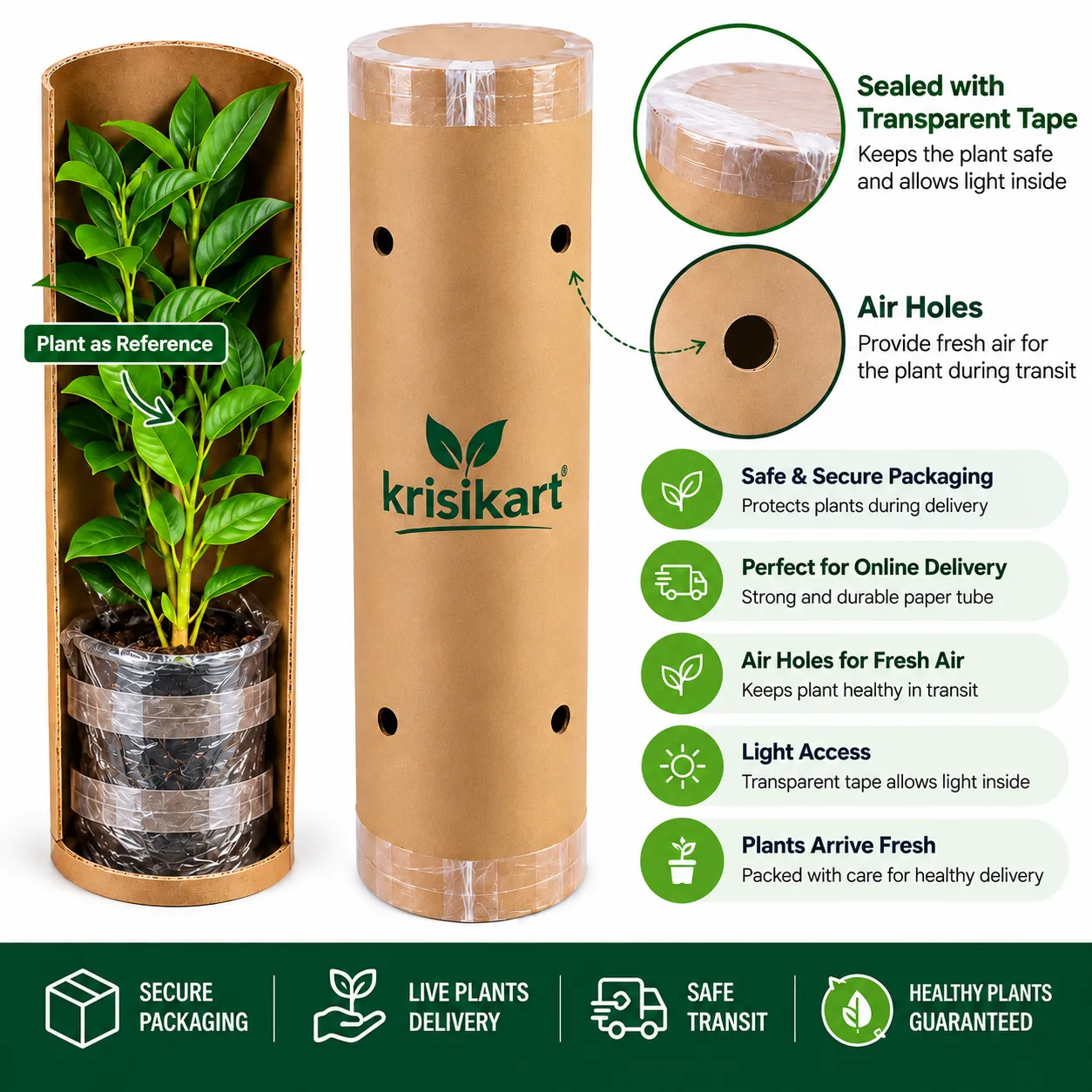
You will receive a live Sindoor Tree plant. Its height, leaf count, branching and overall appearance may vary according to its age and growing season.
The plant may experience temporary leaf bending or mild stress during transportation. After receiving it, place it in a bright, protected outdoor location, check the soil moisture and allow it to adjust before exposing it to strong afternoon sunlight.
Botanical Information & Further Reading
- Kew Science – Plants of the World Online: Bixa orellana
- National Parks Board Singapore – Bixa orellana
- ICIMOD – Lipstick Tree (Bixa orellana)
- FAO EcoCrop – Bixa orellana
- World Agroforestry – Bixa orellana Species Profile
- Smithsonian – Hawaiian Flora: Bixa orellana
- Central Academy for State Forest Service – Sindoor Tree Information
Frequently Asked Questions
1. What is the botanical name of the Sindoor Tree?
The botanical name is Bixa orellana. It belongs to the Bixaceae family.
2. Is the Sindoor Tree the same as the Lipstick Tree?
Yes. Sindoor Tree and Lipstick Tree are common names for Bixa orellana.
3. Why is it called the Lipstick Tree?
Its seeds have a bright orange-red coating that produces annatto pigment, historically used in colouring materials and cosmetics.
4. Does the Sindoor Tree produce red flowers?
Its flowers are generally pink, white or pale pink. The red colour is most noticeable on its seed coating and some fruit capsules.
5. How tall does a Sindoor Tree grow?
It commonly grows around 2–8 metres, depending on climate, soil and growing conditions.
6. Can I grow the Sindoor Tree in a pot?
Yes. It can be grown in a large container, especially when young. Regular pruning and sufficient root space are important.
7. Does the Sindoor Tree need full sunlight?
Yes. It grows best in a sunny outdoor location.
8. Is the Sindoor Tree suitable for West Bengal weather?
It is suited to warm tropical and subtropical conditions. Protect it from waterlogging during the monsoon.
9. What is annatto?
Annatto is a natural orange-red pigment obtained from the outer coating of the plant’s seeds. Bixin is one of its main colouring compounds.
10. Can the seeds be used to make sindoor at home?
The seeds contain red-orange pigment, but raw plant material should not be assumed safe for skin application. Use only properly prepared products with suitable safety information.
11. How can I propagate the Sindoor Tree?
It can be grown from seeds collected from mature seed capsules.
12. How long does the Sindoor Tree take to produce seeds?
Seed production depends on the plant’s age and growing conditions. Some cultivation references report that the first seed harvest may begin after approximately two years.
13. Does the Sindoor Tree produce fruits?
Yes. After successful flowering and pollination, it can produce distinctive spiny capsules containing numerous red-coated seeds.
14. Is the Sindoor Tree evergreen?
It is generally described as an evergreen shrub or small tree in suitable tropical climates. Leaf behaviour may vary with local conditions.
15. Can I keep the Sindoor Tree indoors?
It is better suited to sunny outdoor spaces, terraces and large balconies than to low-light indoor rooms.
For More Information
Visit: krisikart.com
For Contact Visit:Contact Us
For Shopping Visit: Shop Page


Reviews
There are no reviews yet.