 Plastic Plant pot | Plastic Garden Pot for Plants
 Self Watering Planters | Self Watering Plant Pots For Plants
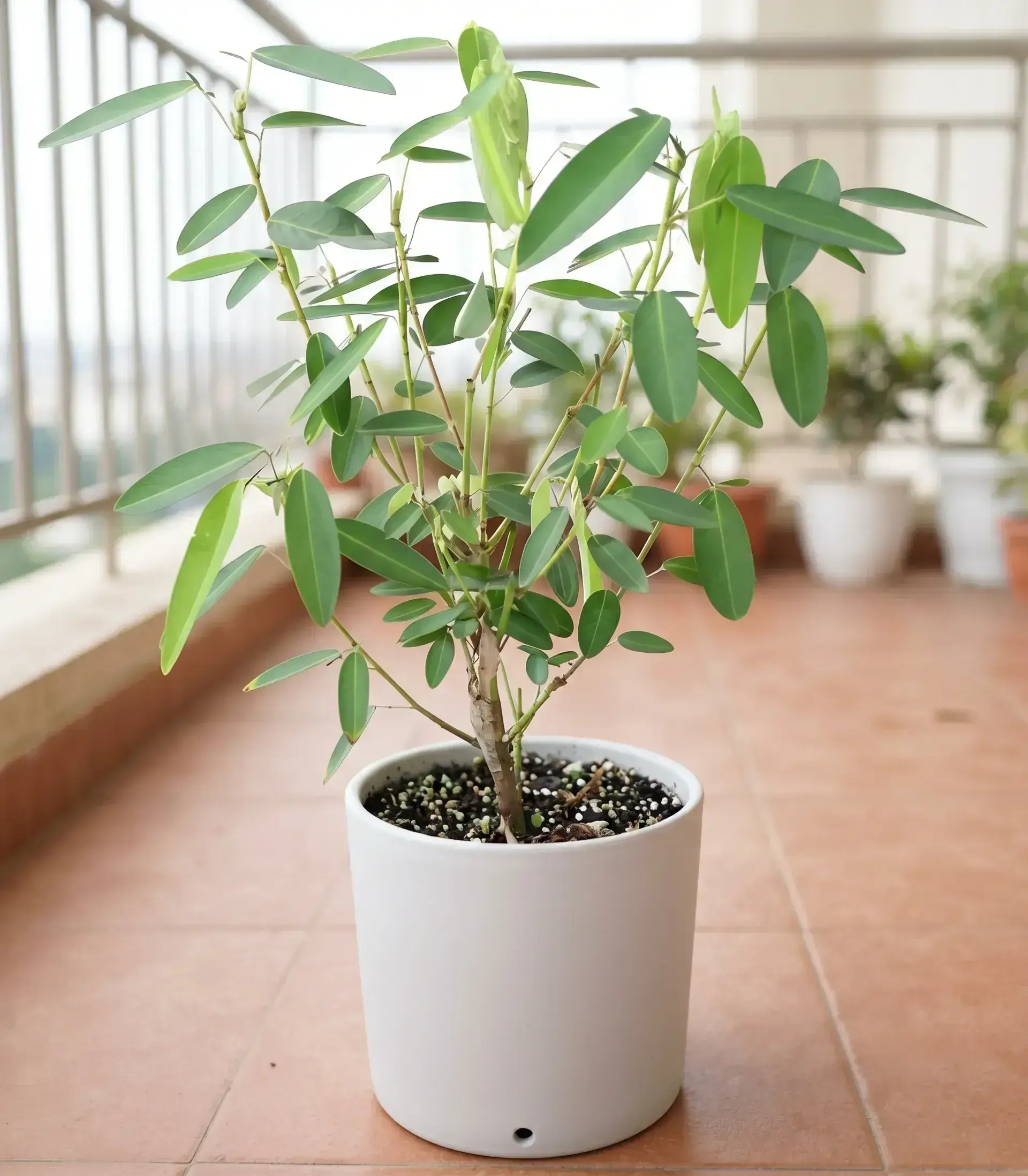
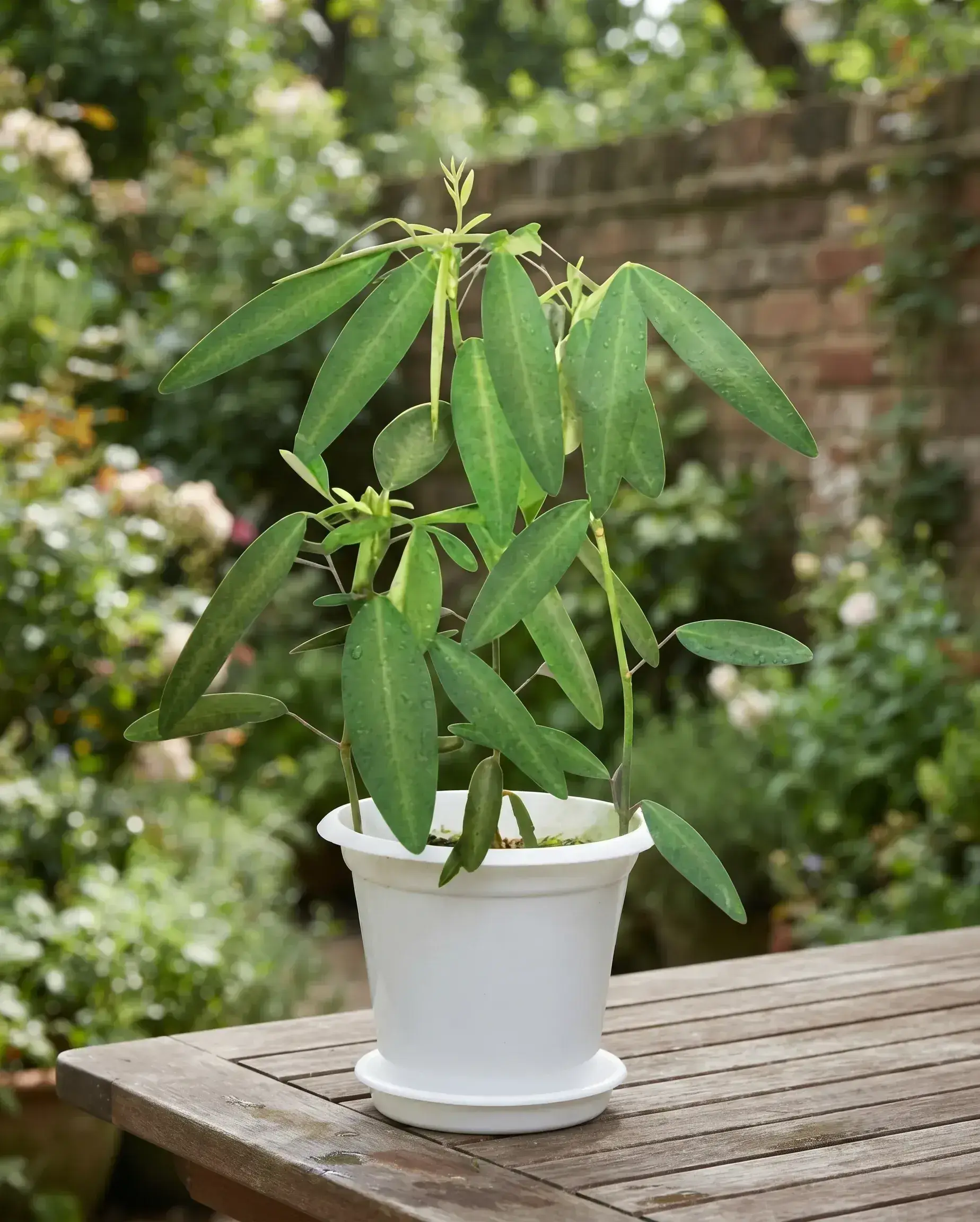
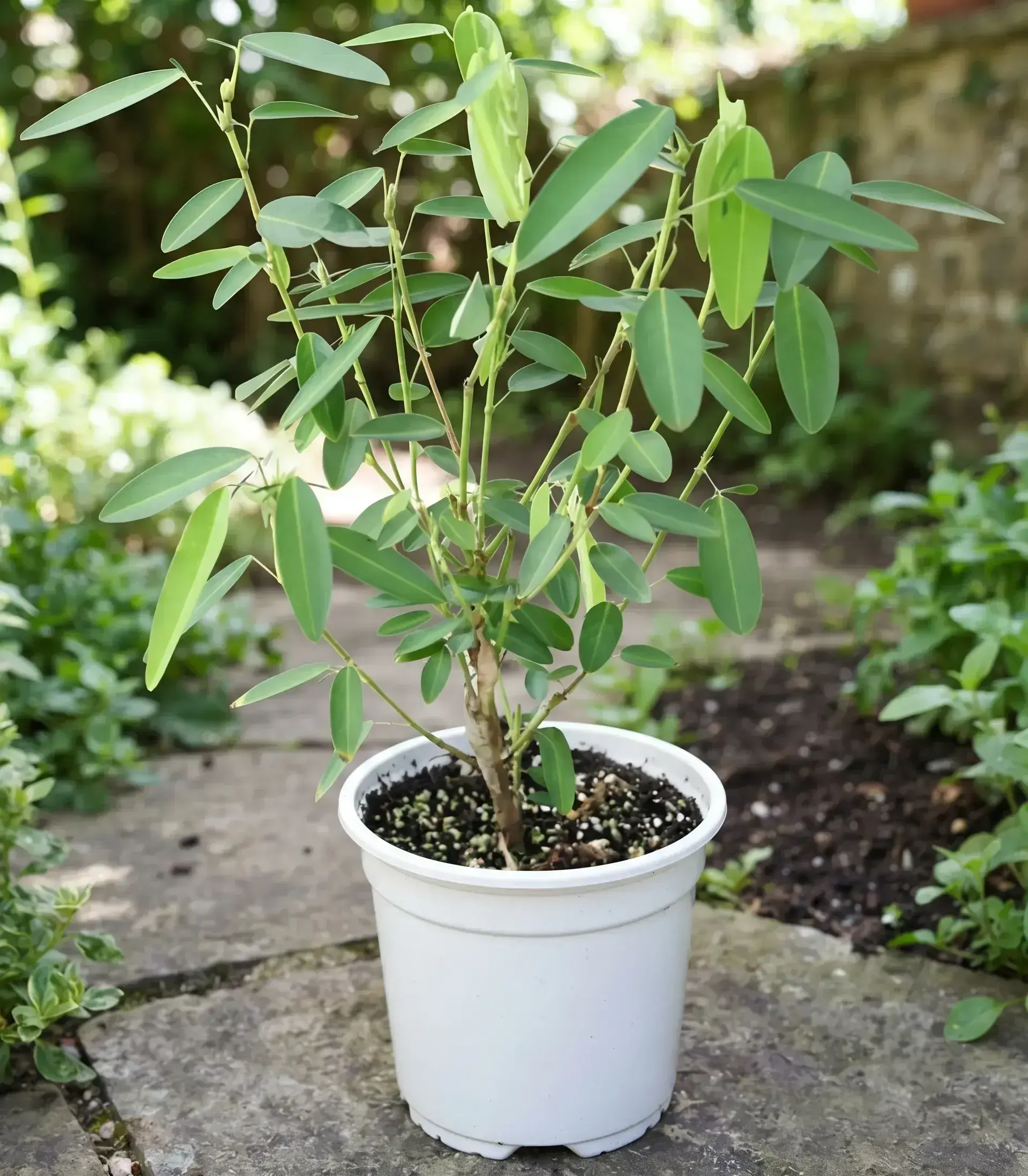
Dancing Plant – Telegraph Plant (Codariocalyx motorius) Ban Chandal Plant
The Dancing Plant (Codariocalyx motorius), one of the most fascinating plants in the world. Also known as the Telegraph Plant, Semaphore Plant and Indian Telegraph Plant, Ban Chandal Plant this unusual tropical plant is famous for its tiny leaflets that move naturally throughout the day.
Unlike ordinary plants, the Dancing Plant has small side leaflets that make repeated movements visible to the naked eye. The larger central leaflet also changes its position in response to light and follows a daily movement pattern. Watching these movements makes this plant especially interesting for children, plant lovers, collectors and educational gardens.
Native to tropical and subtropical Asia, this plant is also found in India, including West Bengal. It can be grown as an attractive outdoor ornamental shrub in warm conditions.
Plant Highlights
- Common Name: Dancing Plant, Telegraph Plant, Semaphore Plant, Indian Telegraph Plant Ban Chandal Plant
- Scientific Name: Codariocalyx motorius
- Family: Fabaceae (Pea Family)
- Plant Type: Perennial tropical shrub
- Origin: Tropical and subtropical Asia
- Special Feature: Naturally moving leaflets
- Flower Colour: Pink to purplish-pink
- Foliage: Green compound leaves
- Sunlight: Bright light to partial sunlight
- Watering: Regular, moderate watering
- Soil: Fertile, well-drained soil
- Growth Habit: Upright, branching shrub
- Suitable For: Home gardens, balconies, educational gardens and plant collections
About the Dancing Plant
The Dancing Plant is a member of the Fabaceae family, which also includes peas and beans. It is a tropical, non-climbing shrub with an unusual leaf structure.
Each leaf generally has one large central leaflet and two much smaller side leaflets. These tiny leaflets are responsible for the plant’s famous dancing appearance.
The plant has been known by several botanical names in older literature, including Desmodium gyrans and Desmodium motorium. Its currently accepted botanical name is Codariocalyx motorius.
Why Does the Telegraph Plant Move?
The most special feature of this plant is its ability to move its leaflets without any external mechanical force.
- The two small side leaflets make repeated movements during the day.
- Their movements are rhythmic and can be visible to the naked eye.
- The larger central leaflet responds to light and changes its position during the day and night.
- The movement is associated with changes in water pressure inside specialised cells near the leaflet joints.
The small leaflets can complete a movement cycle in approximately three to five minutes under suitable conditions, although the speed varies with temperature and light.
This natural movement is called nyctinastic and autonomous leaflet movement, depending on the particular movement being described. It is a fascinating example of how plants respond to their environment.
Important: The plant does not need music or human touch to dance. Its movement is a natural biological process, and it may become less noticeable under unsuitable light, temperature or growing conditions.
Appearance and Growth
The Dancing Plant grows as an upright, branching shrub. Its young stems and branches may have a slightly soft or velvety appearance.
Its leaves are compound and usually consist of three leaflets:
- One larger central leaflet.
- Two tiny lateral leaflets.
- The small leaflets are responsible for the visible dancing movement.
Under suitable conditions, the plant can grow approximately 60–120 cm tall, although its size varies with climate, age and growing conditions.
Its green foliage gives it an attractive appearance even when it is not flowering.
Flowers and Flowering Season
The Telegraph Plant produces small pink to purplish-pink flowers in clusters.
The flowers are delicate and attractive, although the plant is mainly grown for its unusual moving leaves rather than its flowers.
Flowering can occur during favourable growing conditions, with reports of seasonal flowering during the monsoon and later months in parts of India. Exact flowering time depends on the local climate and plant maturity.
After flowering, the plant may develop small segmented pods containing seeds.
Sunlight Requirements
The Dancing Plant needs good natural light for healthy growth and noticeable leaflet movement.
- Provide bright natural light.
- A location receiving gentle morning sunlight is suitable.
- Partial sunlight can support healthy growth.
- Protect young plants from harsh afternoon sunlight, especially during very hot weather.
- Avoid keeping the plant in a dark indoor corner.
Good light is particularly important because the movement of the leaflets is influenced by environmental conditions.
Watering Requirements
The Telegraph Plant prefers moderately moist soil but does not like standing water around its roots.
- Water when the upper layer of soil starts drying.
- Keep the soil lightly moist during active growth.
- Water more frequently during hot summer weather when necessary.
- Reduce watering during rainy periods.
- Do not allow water to collect in the pot tray.
Overwatering can cause root problems and weaken the plant.
Soil Requirements
Use fertile, loose and well-drained soil.
A suitable potting mixture can contain:
- Garden soil
- Well-decomposed compost
- Cocopeat or another moisture-retaining material
- Coarse sand or perlite for better drainage
The mixture should retain some moisture without becoming waterlogged.
Temperature and Indian Climate
The Dancing Plant is a tropical species that prefers warm and humid conditions.
It can grow in suitable Indian climates, including West Bengal, where warm temperatures support its growth.
Growing tips for West Bengal:
- Provide bright light and gentle morning sunlight.
- Protect young plants from extreme afternoon heat.
- Maintain moderate soil moisture during summer.
- Ensure good drainage during the monsoon.
- Protect the plant from unusually cold weather.
- Avoid leaving the pot in a location exposed to strong, drying winds.
Warm conditions and suitable light help maintain healthy foliage and visible leaflet movement.
Fertilizer Requirements
The plant benefits from moderate feeding during its active growing period.
- Add well-decomposed compost to the soil.
- Use a balanced liquid fertilizer at a diluted strength when necessary.
- Feed during active growth rather than during periods of stress.
- Avoid excessive nitrogen fertilizer, which can encourage soft growth.
Do not apply concentrated fertilizer directly around the roots.
Growing Dancing Plant in Pots
The Telegraph Plant can be grown successfully in a container, making it suitable for balconies, patios and small gardens.
For pot cultivation:
- Choose a pot with drainage holes.
- Use a fertile, well-drained potting mixture.
- Place it where it receives bright natural light.
- Water when the upper soil begins to dry.
- Trim unwanted branches to maintain a compact shape.
A medium-sized pot is generally suitable for a young plant. Repot when the roots become crowded.
Best Places to Grow
The Dancing Plant is ideal for:
- Home gardens
- Balcony gardens
- Patios and verandas
- Educational gardens
- Botanical collections
- Plant lovers’ collections
- Children’s nature-learning spaces
Place it somewhere where its moving leaflets can be observed easily.
Pruning and Maintenance
Regular light pruning helps maintain a bushy and attractive shape.
- Remove dry or damaged branches.
- Trim excessively long shoots.
- Pinch growing tips when you want to encourage branching.
- Remove dead leaves when necessary.
- Keep the soil surface free from fallen leaves and debris.
Avoid heavy pruning when the plant is weak or stressed.
Propagation
The Dancing Plant can be propagated through seeds and stem cuttings.
Propagation from seeds:
- Collect mature seeds from healthy plants.
- Sow them in a light, well-drained growing medium.
- Keep the medium slightly moist.
- Place the container in a warm location with bright indirect light.
- Allow seedlings to establish before transplanting.
Propagation from stem cuttings:
- Select a healthy, non-flowering stem.
- Take a suitable cutting using clean pruning tools.
- Remove leaves from the lower portion.
- Place the cutting in a suitable moist propagation medium.
- Maintain warmth and humidity while roots develop.
Rooting success varies depending on the condition of the cutting and growing environment.
Common Problems and Solutions
1. Leaflets Are Not Moving
Insufficient light, unsuitable temperature or plant stress may reduce visible movement. Move the plant to a brighter location with suitable warmth and observe it during daylight hours.
2. Yellow Leaves
Yellowing can result from overwatering, poor drainage or nutrient problems. Check the soil moisture and make sure the pot has proper drainage.
3. Drooping Leaves
Temporary drooping may occur because of heat, dry soil or transplant stress. Check soil moisture and protect the plant from harsh afternoon sunlight.
4. Slow Growth
Insufficient light, poor soil or restricted roots can affect growth. Provide suitable natural light and a healthy growing medium.
5. Pest Problems
Inspect the leaves and young shoots for aphids, mealybugs and other common garden pests. Remove affected parts where practical and use an appropriate treatment if needed.
Is the Dancing Plant Suitable for Indoor Growing?
The Dancing Plant can be kept near a bright window or in a well-lit indoor area for short periods, but it generally performs better outdoors or in a bright, naturally lit space.
Its unusual leaflet movement is easier to observe when the plant receives suitable natural light and warmth.
Avoid keeping it in a dark room or air-conditioned location with unsuitable temperature and low humidity.
Safety and Handling
The Dancing Plant belongs to the pea family. It is sold primarily as an ornamental plant.
Do not consume its leaves, flowers, seeds or other parts as food. Do not use it as a home remedy without reliable, species-specific medical guidance. Keep young children and pets from chewing ornamental plants.
Live Plant Delivery
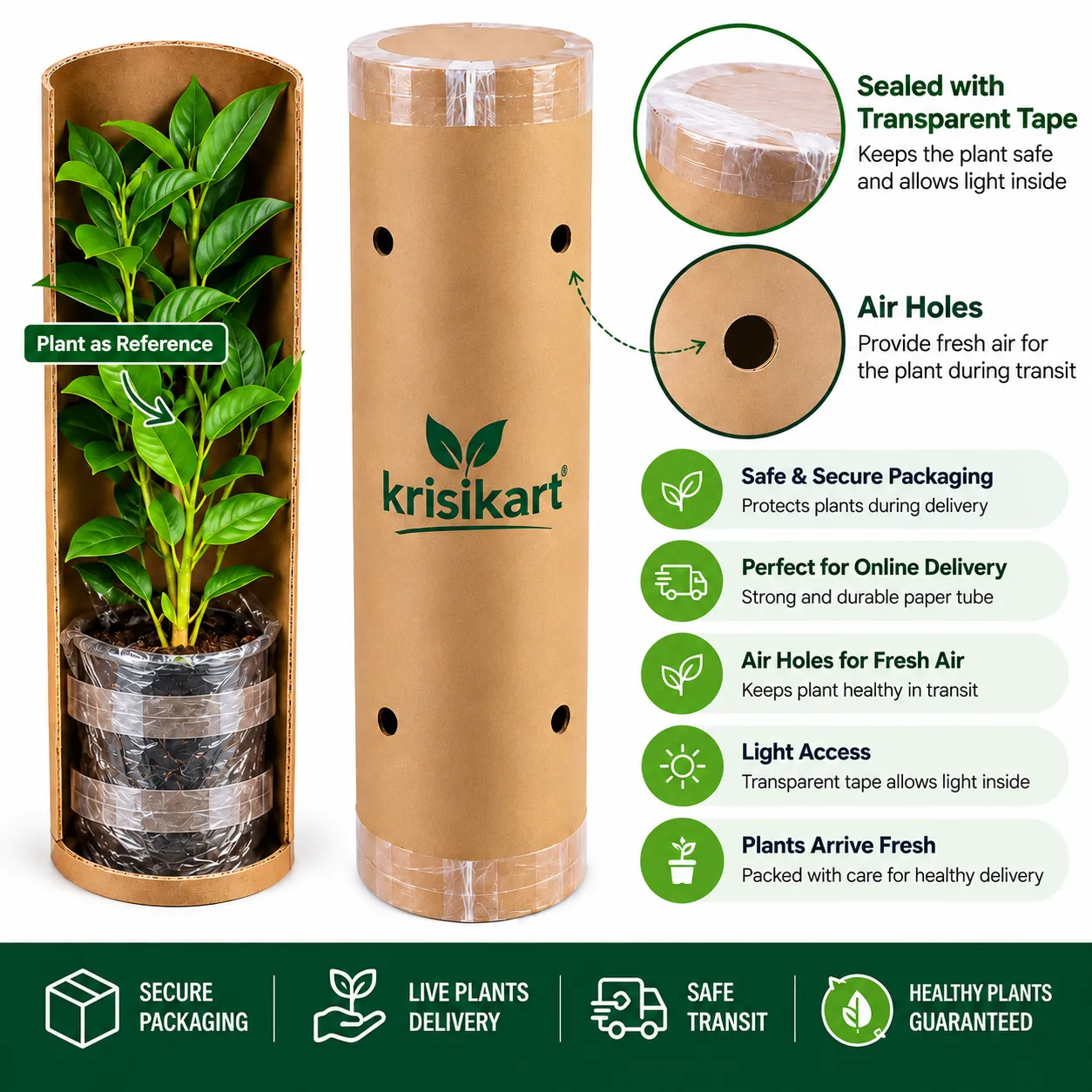
We take care to pack and deliver your Dancing Plant safely.
- The plant is supplied as a live nursery plant.
- Plant height, branching and leaf count may vary depending on availability.
- Leaf movement may be less noticeable immediately after transportation because of changes in light and environmental conditions.
- Some leaves may show minor changes during delivery.
- Place the plant in a suitable bright location after receiving it and allow it to adjust.
Why Choose the Dancing Plant?
The Dancing Plant is more than an ordinary ornamental shrub. Its naturally moving leaflets make it one of the most interesting plants to grow at home.
It is a wonderful choice for plant collectors, nature enthusiasts, children and anyone who enjoys observing unusual plant behaviour.
Grow this fascinating Telegraph Plant in your garden and enjoy watching nature’s little movements every day.
Botanical Information & Further Reading
- Kew – Plants of the World Online: Codariocalyx motorius
- India Flora Online – Codariocalyx motorius
- Botanical Survey of India – Species Datasheet
- Royal Botanic Garden Edinburgh – The Moving Plant of Bengal
- Flowers of India – Telegraph Plant
- Royal Horticultural Society – Codariocalyx motorius
- eFlora of India – Codariocalyx motorius
Frequently Asked Questions
1. What is the scientific name of the Dancing Plant?
Its accepted scientific name is Codariocalyx motorius. It belongs to the Fabaceae family.
2. Why is it called the Telegraph Plant?
It is called the Telegraph Plant because its tiny side leaflets move rhythmically, resembling the signals of an old telegraph or semaphore system.
3. Does the Dancing Plant really move?
Yes. Its small side leaflets make natural, repeated movements that can be observed with the naked eye under suitable conditions.
4. Does the plant dance when music is played?
The plant does not require music to move. Its movements are natural biological processes influenced by internal rhythms and environmental conditions.
5. How fast do the leaflets move?
A movement cycle may take approximately three to five minutes under suitable conditions. The speed varies with temperature and other environmental factors.
6. What are the Indian names of the Dancing Plant?
It is known by regional names such as Ban Chandal in Bengali, Dudli in Hindi and Thozhuganni in Telugu. Similar names and spellings are used in other Indian languages.
7. Can I grow the Telegraph Plant in West Bengal?
Yes. West Bengal’s warm and humid climate can support its growth. Provide suitable sunlight, good drainage and protection from extreme heat.
8. Can I grow the Dancing Plant in a pot?
Yes. It can be grown in a container with drainage holes and a fertile, well-drained potting mixture.
9. Does the Dancing Plant produce flowers?
Yes. It produces small pink to purplish-pink flowers, generally in clusters.
10. How much sunlight does the Dancing Plant need?
It prefers bright natural light and can grow well with gentle morning sunlight and partial sunlight.
11. How often should I water the Telegraph Plant?
Water when the upper layer of soil begins to dry. Keep the soil moderately moist but never waterlogged.
12. Can the Dancing Plant grow indoors?
It can be kept near a bright window, but it generally grows better outdoors or in a bright location with sufficient natural light.
13. Can the Dancing Plant be propagated?
Yes. It can be propagated through seeds and stem cuttings under suitable warm and humid conditions.
14. Why are my Dancing Plant’s leaves not moving?
Insufficient light, unsuitable temperature, transportation stress or poor plant health can reduce visible movement. Give it suitable natural light and warmth and allow it time to adjust.
For More Information
Visit: krisikart.com
For Contact Visit:Contact Us
For Shopping Visit: Shop Page


Reviews
There are no reviews yet.