 Plastic Plant pot | Plastic Garden Pot for Plants
 Self Watering Planters | Self Watering Plant Pots For Plants
Planted Jade | Zed Plant (Crassula ovata) Ovata Plant
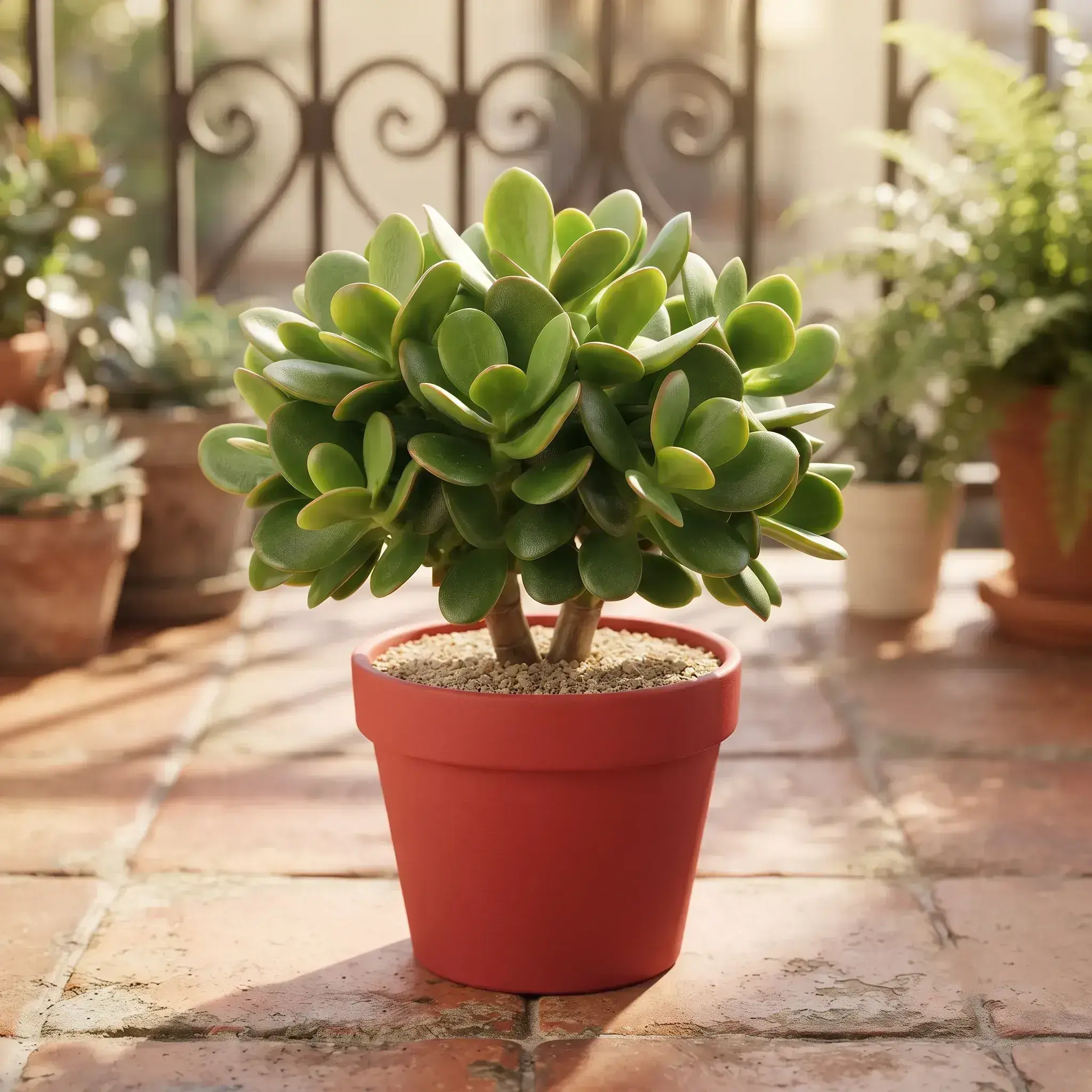
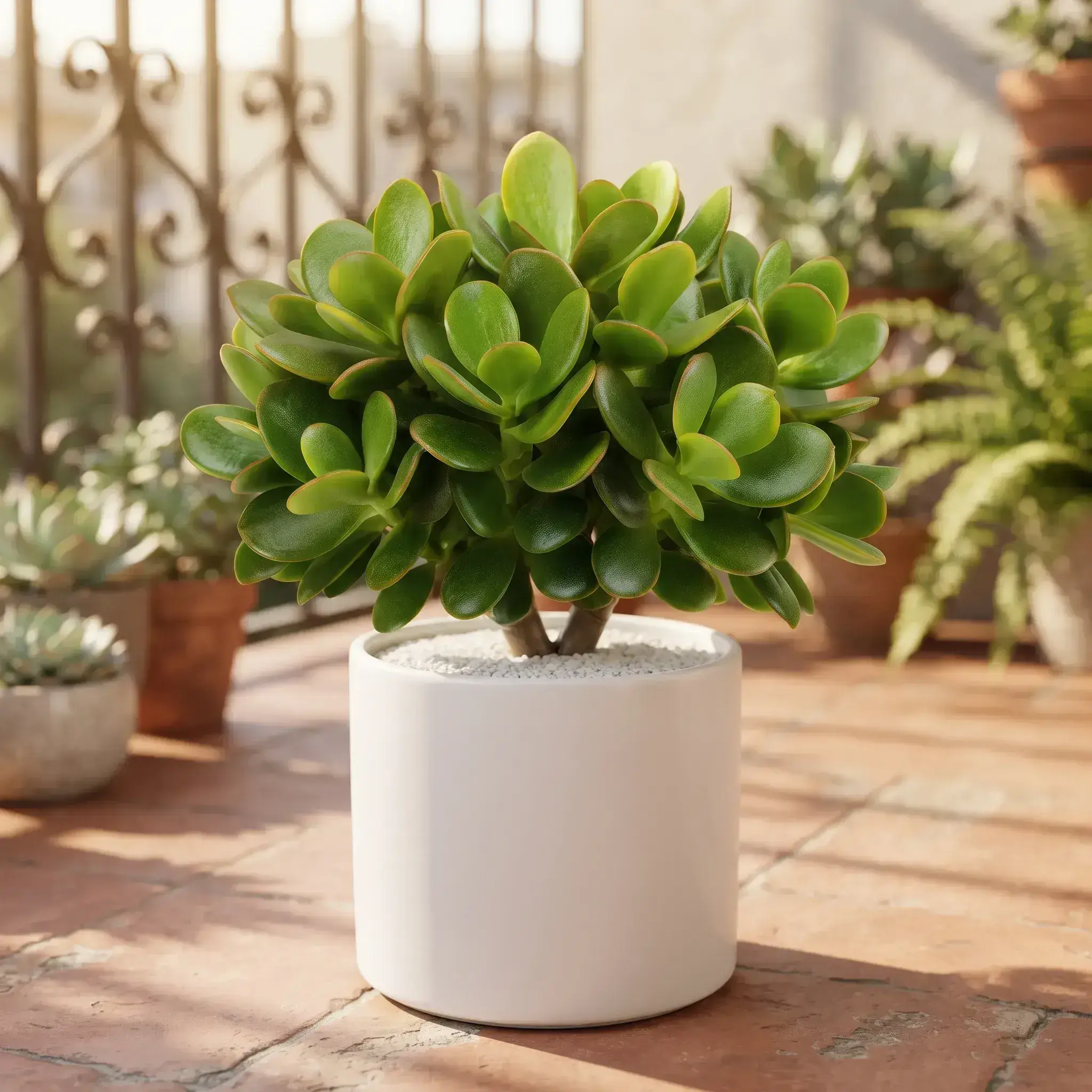
The Ovata Plant, also known as Zed Plant or Planted Jade and widely recognized under the synonym Crassula argentea, is a classic, long-lived succulent shrub valued for its thick, glossy leaves and sturdy, miniature tree trunk. Botanically accepted as Crassula ovata, this resilient plant naturally forms a woody base as it matures, giving even a compact potted plant the graceful presence of a small tree.
Easy to care for and tolerant of occasional missed waterings, the Ovata Plant is a dependable choice for Indian homes, bright windowsills, sunny balconies, and well-lit office desks. Because its fleshy leaves and stems store moisture, it adapts smoothly to busy household and office routines when given bright light and well-draining soil.
Plant Highlights
- Product Name: Ovata Plant | Zed Plant (Crassula ovata) Planted Jade for Home & Office
- Common Name: Jade Plant, Ovata Plant, Zed Plant, Planted Jade, Lucky Plant, Money Tree
- Accepted Botanical Name: Crassula ovata (often listed in nurseries under the synonym Crassula argentea)
- Family: Crassulaceae (Stonecrop family)
- Plant Type: Evergreen perennial succulent shrub or subshrub
- Origin: South Africa and Mozambique
- Flower Colour: Small star-shaped white to pale pink clusters (on mature plants under suitable cool, bright conditions)
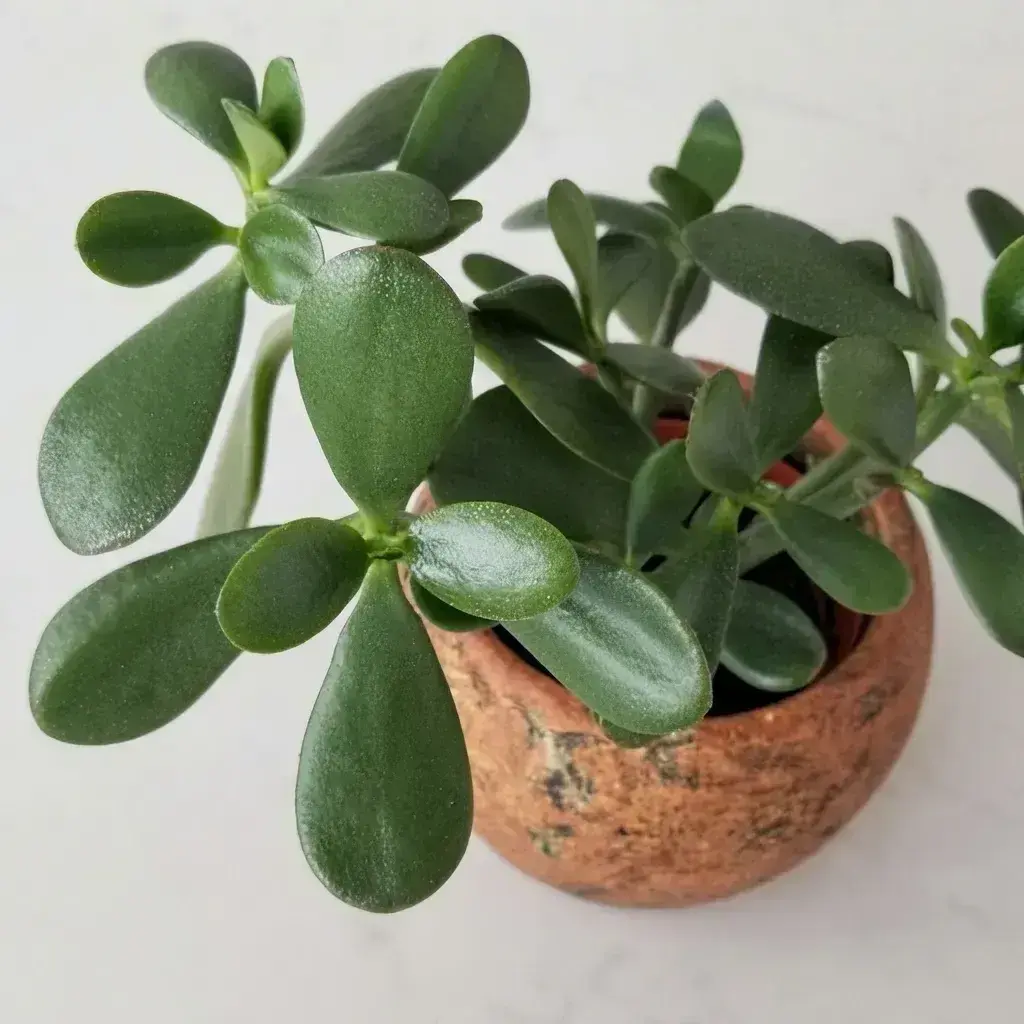
- Foliage: Fleshy, smooth, glossy green oval leaves, often edged with red in strong light
- Growth Habit: Upright, branching succulent with thick, woody stems
- Mature Height: Typically 30 to 90 cm (1 to 3 feet) in pots; up to 1.5 to 2.5 meters in warm outdoor ground conditions
- Sunlight: Bright indirect light to 4 to 6 hours of direct sunlight daily
- Watering: Low; water thoroughly only after the potting mix dries out completely
- Suitable For: Bright windowsills, sunlit office desks, study tables, covered balconies, terrace gardens, and tabletop planters
About the Ovata Plant
Crassula ovata belongs to the family Crassulaceae and is native to southeastern Mozambique and South Africa, where it grows in dry, rocky scrub and valley thicket habitats. In nursery trade, it is frequently labeled with older names such as Crassula argentea or casual retail names like Zed Plant and Planted Jade.
Its botanical name reflects its structure: Crassula refers to its thick, fleshy tissues, while ovata describes the egg-shaped or oval outline of its leaves. Because it stores water in its leaves, stems, and roots, this succulent handles dry intervals far better than soggy soil.
Appearance and Growth Habit
The Ovata Plant grows as an upright, multi-branched succulent shrub with smooth, plump, oval leaves arranged in opposite pairs along sturdy stems. Each leaf typically measures around 3 to 6 cm long, with a glossy green surface that often takes on a reddish border when exposed to bright sunlight.
Over time, the lower stems thicken and develop a woody, bark-like texture. Growth is slow to moderate, allowing a potted Ovata Plant to keep a neat, compact profile on a desk or shelf for years before needing a larger container.
Foliage and Flowering Characteristics
Gardeners primarily grow the Ovata Plant for its lush, year-round succulent foliage and miniature tree-like branches. Mature, well-established plants given bright light, cooler night temperatures, and a drier rest period can produce small, star-shaped white or pale pink flowers in clusters, though potted indoor desk plants flower only occasionally.
Sunlight Requirements
Bright light keeps the Ovata Plant compact, sturdy, and well-proportioned. Place it where it receives 4 to 6 hours of bright indirect light or direct sunlight daily, such as beside a sunny east-, south-, or west-facing window or on a bright balcony.
In Indian regions with intense summer heat above 38°C, shield potted plants from harsh afternoon sun to prevent leaf scorch. If a plant is kept in dim interior light, its stems can stretch and become leggy with wider gaps between leaves.
Watering Requirements
Careful watering is essential because overwatering is the most common cause of trouble with Crassula ovata. Always check the potting mix before watering rather than following a rigid calendar.
Watering in Summer and Active Growth
Push a finger or wooden stick a few centimeters into the soil, and water thoroughly only when the potting mix has dried out. Allow excess water to drain out of the bottom holes and empty any standing water from the saucer.
Watering During Monsoon and Winter
During the humid Indian monsoon, evaporation slows down, so wait longer between waterings and keep the pot protected from excess rain. In winter, when growth slows, water sparingly only when the soil is dry and leaves begin to lose firmness.
Soil and Potting Requirements
Fast-draining, porous soil is crucial so roots stay healthy and aerated. Dense garden clay holds too much moisture and increases the risk of root rot.
Suggested Potting Mixture for Ovata Plant
As a practical home mix, combine roughly 40% coarse river sand or perlite, 30% well-draining garden loam, and 30% pumice, crushed brick, or grit, along with a small handful (about 10%) of well-aged compost or vermicompost. Always use a pot with drainage holes at the base; terracotta or clay pots are especially helpful for wicking away excess moisture.
Growing the Plant in the Indian Climate
The Ovata Plant adapts well to Indian homes and offices when protected from excessive monsoon wetness.
Summer Care
Keep the plant in bright light with good airflow and protect it from harsh midday and afternoon heat during peak Indian summer temperatures.
Monsoon Care
During heavy monsoon rains and high humidity in regions like West Bengal, Kolkata, Mumbai, and coastal India, keep pots under a covered balcony or bright indoor window so rainwater does not saturate the root zone.
Winter Care
Mild Indian winters suit this succulent well when placed in bright light with reduced watering, though young or potted plants in cooler northern areas should be kept away from cold drafts and frost.
Temperature and Humidity
Crassula ovata prefers warm, bright conditions with low to moderate humidity and does not require misting. It tolerates standard air-conditioned rooms when kept near a bright window and away from direct cold AC vents, and it should be protected from freezing temperatures.
Fertilizer and Nutrition
The Ovata Plant is a light feeder that grows well with minimal fertilization. During active growth in spring and summer, feed lightly every 4 to 6 weeks with a balanced liquid fertilizer or succulent feed diluted to half strength, and pause feeding during cooler winter rest periods.
Growing the Plant in Pots
Because of its compact growth and sturdy stems, the Ovata Plant is well suited for pots on windowsills, desks, and balconies. Choose a stable pot with drainage holes only slightly wider than the root ball, and repot every 2 to 3 years in spring or when the plant becomes top-heavy or root-bound.
Pruning and Maintenance
Pruning is optional and mainly used to shape the plant or encourage fuller branching. You can pinch off stem tips just above a pair of leaves to promote branching, remove dead or damaged foliage, and gently wipe dust off the leaves so they stay clean.
Propagation
The Ovata Plant propagates easily from stem cuttings or whole leaves. Cut a healthy branch segment or twist off a whole leaf at its base, let the cut end dry in the air for a few days to form a callus, and place it into or on a lightly moist, fast-draining succulent mix until roots form.
Common Problems and Plant Care
Watching leaf texture and light exposure helps catch common issues early.
1. Soft, Mushy, or Yellowing Leaves
Usually caused by overwatering or poor drainage. Let the soil dry out completely, check that drainage holes are clear, and avoid watering again until the mix is dry.
2. Wrinkled or Shriveled Leaves
Often a sign of underwatering as the plant uses stored moisture. Water thoroughly and allow excess to drain; leaves typically firm back up within a few days.
3. Leggy Stems and Leaf Drop
Insufficient light can cause stretched stems and leaf drop, and sudden relocation can also trigger leaf shedding. Move the plant gradually to a brighter spot and keep it in a consistent position.
4. Mealybugs or Scale
White cottony mealybugs or small scale insects can occasionally appear on stems and leaf joints. Dab small spots with rubbing alcohol or apply diluted neem oil or insecticidal soap in the evening, testing gently on foliage first.
Suitability for Homes & Offices
The Ovata Plant is well suited for bright home windowsills, sunlit study desks, well-lit office desks near windows, covered balconies, and terrace containers. It is not suitable for dark, windowless rooms or exposed outdoor spots with heavy, unmonitored rain.
Safety and Important Information
Veterinary references including the ASPCA note that Crassula ovata (listed under Crassula argentea) is toxic to dogs, cats, and horses if ingested, with reported signs including vomiting, lethargy, and lack of coordination. Keep the plant out of reach of pets and small children.
Live Plant Delivery Information
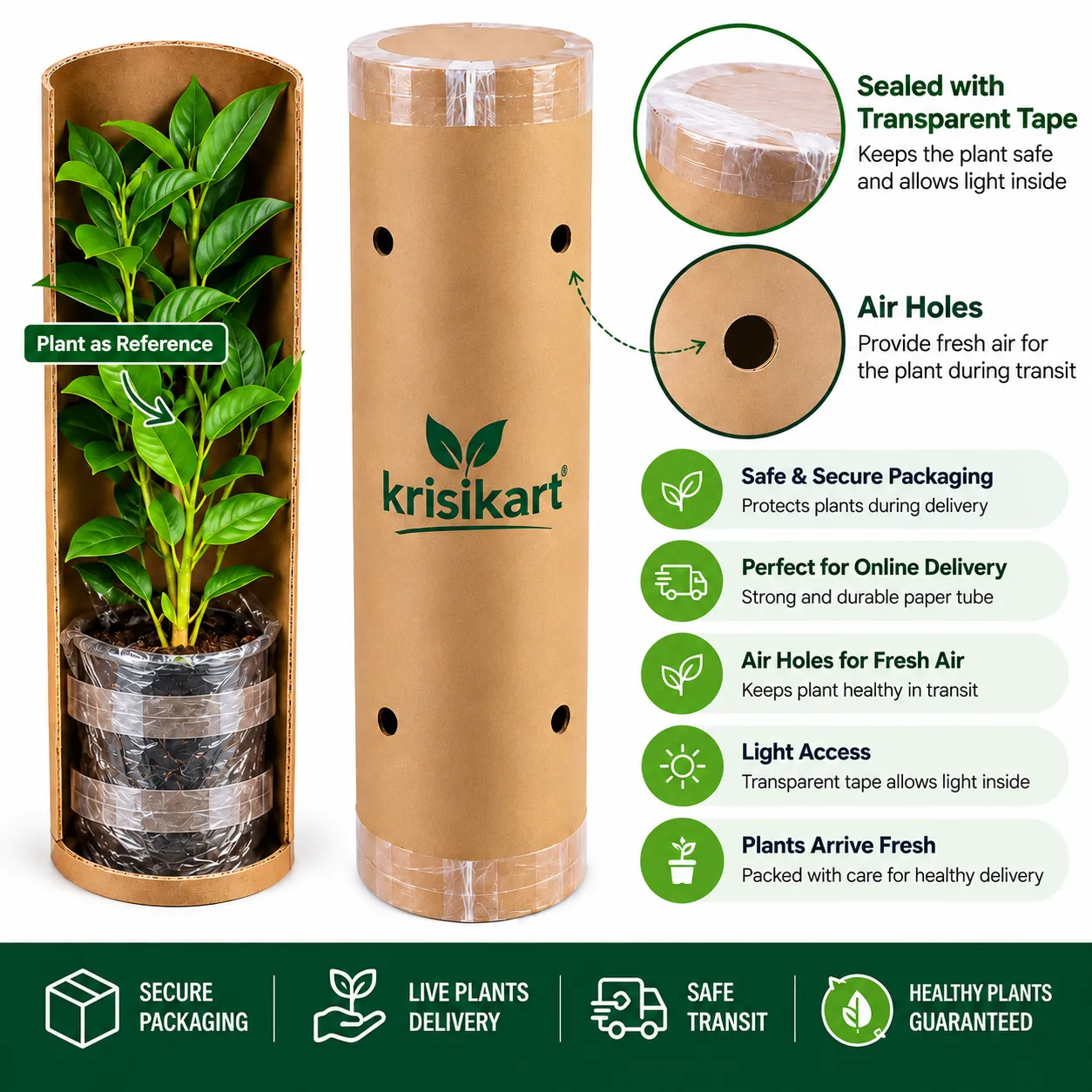
Live plants naturally vary in height, stem thickness, leaf count, and overall shape. Mild transit stress can occur during delivery, and a few leaves may yellow or drop after shipping.
After unpacking, place your Ovata Plant in bright light and avoid sudden harsh sun exposure while it acclimates. Check the soil moisture before watering, and hold off on heavy fertilizing or repotting until the plant settles in.
Why Choose the Ovata Plant for Your Home & Office?
With its thick, glossy leaves, woody miniature tree habit, and forgiving care needs, the Ovata Plant is a lasting greenery choice for bright homes and offices. Given bright light, gritty soil, and measured watering, it can remain a handsome feature plant for many years.
Botanical Information and Further Reading
- Kew Science – Plants of the World Online: Crassula ovata (Mill.) Druce
- Royal Horticultural Society (RHS) – Crassula ovata Plant Guide
- University of Wisconsin-Madison Extension – Jade Plant (Crassula ovata)
- ASPCA Animal Poison Control – Jade Plant Toxicity Information
Frequently Asked Questions (FAQs)
1. What is the botanical name of the Ovata Plant?
The accepted botanical name is Crassula ovata in the family Crassulaceae, and it is also commonly known in nurseries by the synonym Crassula argentea.
2. What does “Zed plant” or “Planted Jade” refer to in nursery listings?
Those phrases are informal retail or nursery descriptions for potted or compact Crassula ovata jade plants, rather than a separate botanical species.
3. Can I keep an Ovata Plant on an office desk?
Yes, provided the desk is in a bright spot—ideally near a window—where it receives steady bright light or several hours of sun without sitting in dark corners.
4. How often should I water an Ovata Plant?
Water thoroughly and then let the potting mix dry out before watering again. Exact timing depends on light, warmth, and season rather than a fixed daily schedule.
5. What soil works best for Crassula ovata?
Use a fast-draining succulent or cactus mix, or blend standard potting soil with coarse grit, sand, or perlite so water drains freely.
6. How do I care for it during the Indian monsoon?
Keep the pot sheltered from heavy rain and excess humidity on a covered balcony or bright windowsill, and water less often while the soil stays moist.
7. Why are the leaves on my Ovata Plant turning soft or falling off?
Soft or mushy leaves usually point to overwatering, while leaf drop can also follow low light or a sudden change in location.
8. How can I propagate the Ovata Plant at home?
Take a healthy stem cutting or whole leaf, let the cut end dry for a few days until calloused, and place it in or on lightly moist, well-draining succulent soil.
9. Is the Ovata Plant safe around pets?
No, Crassula ovata is toxic to dogs, cats, and horses if eaten, so keep it out of reach of pets and children.
For More Information
Visit: krisikart.com
For Contact Visit:Contact Us
For Shopping Visit: Shop Page


Reviews
There are no reviews yet.