 Plastic Plant pot | Plastic Garden Pot for Plants
 Self Watering Planters | Self Watering Plant Pots For Plants
Nashpati Tree – Naspati Tree (Pyrus communis) | Common Pear Fruit Tree for Home Garden
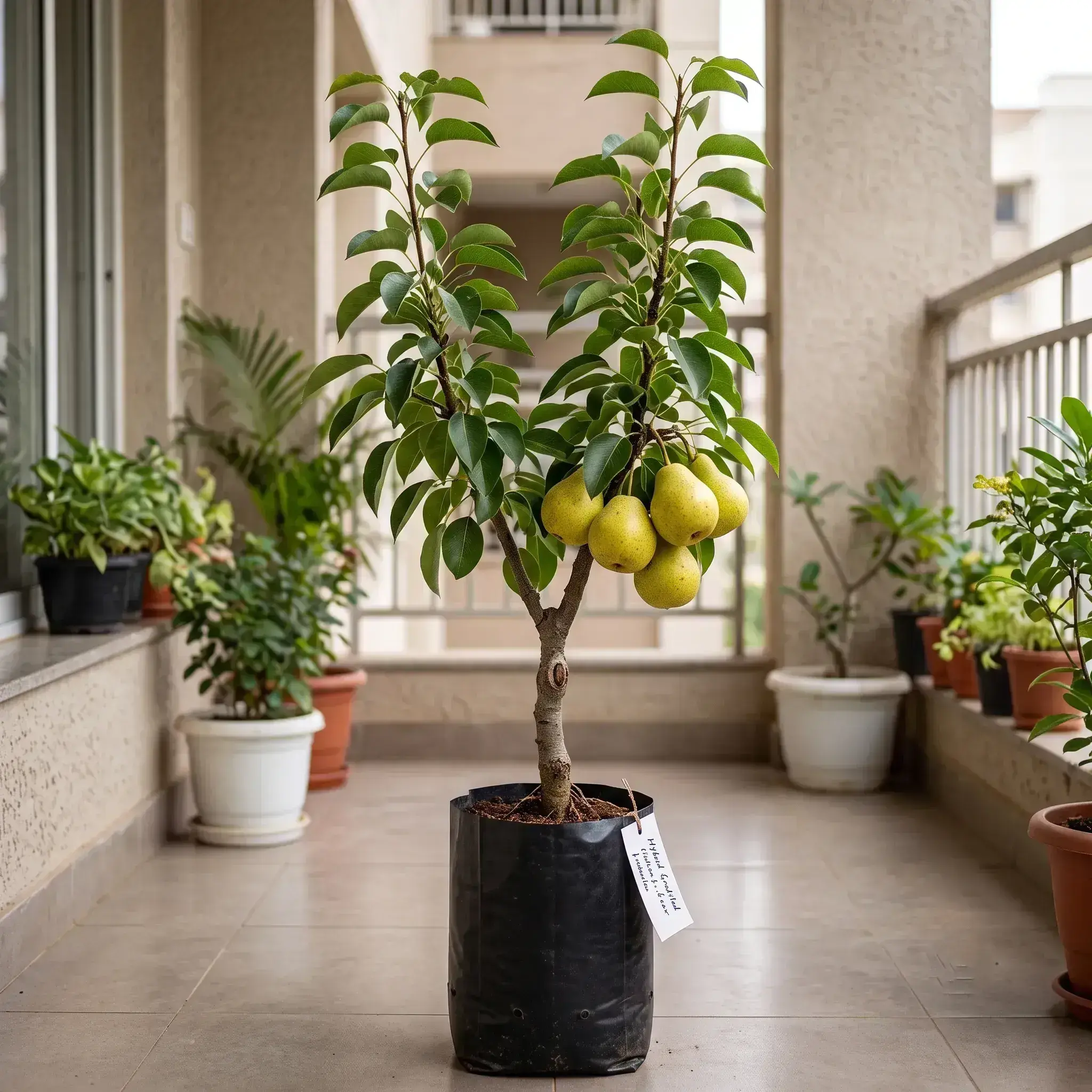
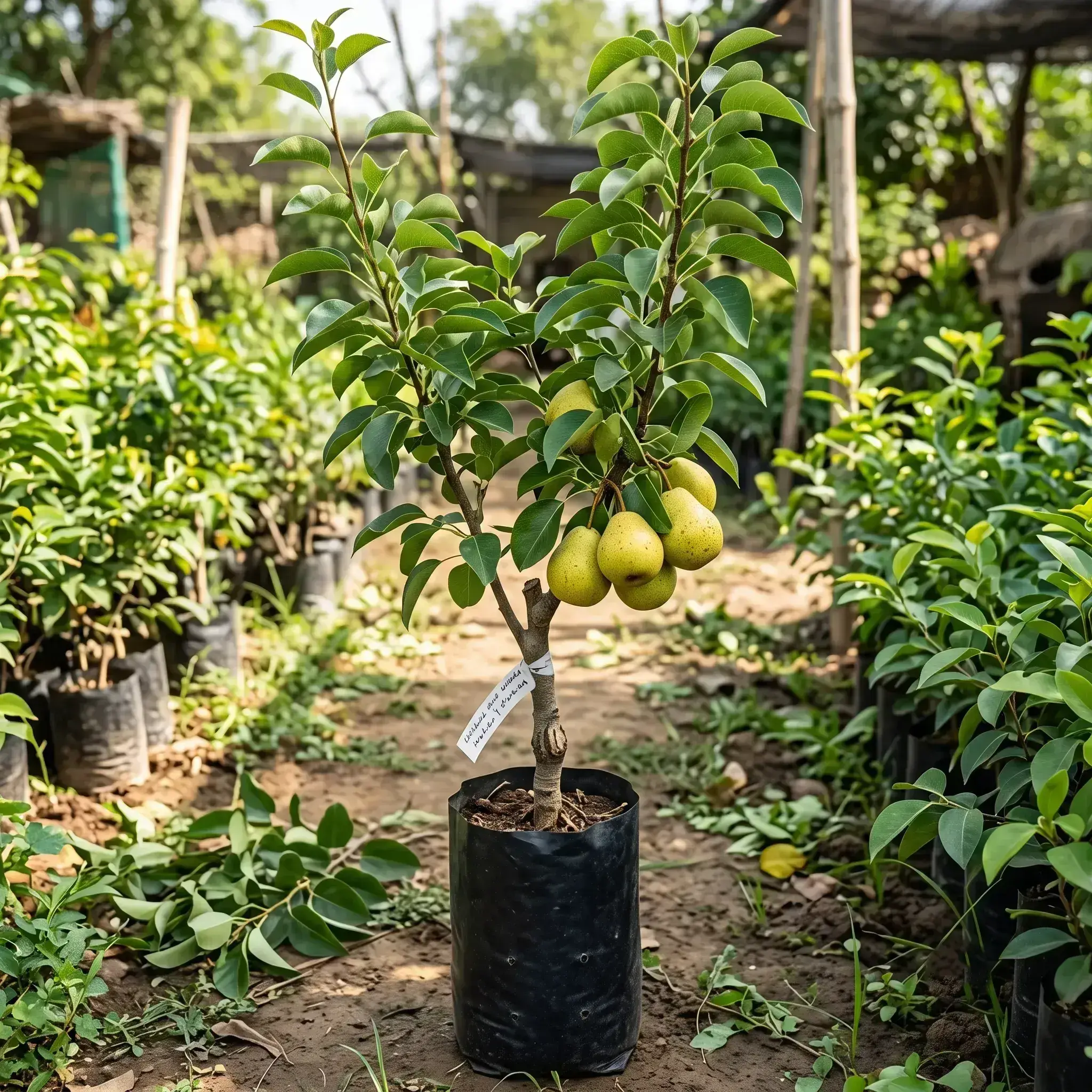
The Nashpati Tree Also known As Naspati Tree ( Pyrus Communis – Pear Tree) . This attractive deciduous fruit tree is valued for its beautiful spring flowers, fresh green foliage and delicious pear-shaped fruits.
The pear tree belongs to the Rosaceae family, the same botanical family as apples and roses. With proper sunlight, suitable soil, regular care and the right growing conditions, it can become a rewarding addition to a home garden, backyard or suitable large container.
Pear trees are especially suited to temperate and cooler subtropical climates. Before purchasing, check the variety offered by the nursery because different pear varieties have different winter-chilling requirements. Low-chill varieties are generally more suitable for warmer growing regions than standard European pear varieties.
Plant Highlights
- Common Name: Nashpati, Naspati, Pear Tree, Common Pear
- Botanical Name: Pyrus communis
- Family: Rosaceae
- Plant Type: Deciduous fruit tree
- Fruit: Edible pear
- Flower Colour: White
- Foliage: Green leaves that may develop autumn colour
- Sunlight: Full sun
- Soil: Fertile, well-drained soil
- Uses: Home gardens, orchards and suitable large containers
About the Nashpati Pear Tree
The Common Pear Tree (Pyrus communis) is a fruit-bearing tree originally native to parts of Europe and nearby western Asia. It is widely cultivated for its sweet, juicy and aromatic fruits.
The tree generally develops a branching structure and a rounded to upright crown. In spring, it produces clusters of attractive white flowers. These flowers may develop into pear-shaped fruits when pollination and growing conditions are suitable.
Pear trees are deciduous, meaning they naturally shed their leaves during the dormant season and produce fresh foliage again when growth resumes.
Fruit and Flower Details
Pear trees produce small clusters of white flowers, usually during the flowering season after the winter dormancy period. The flowers are followed by developing fruits when pollination and weather conditions are favourable.
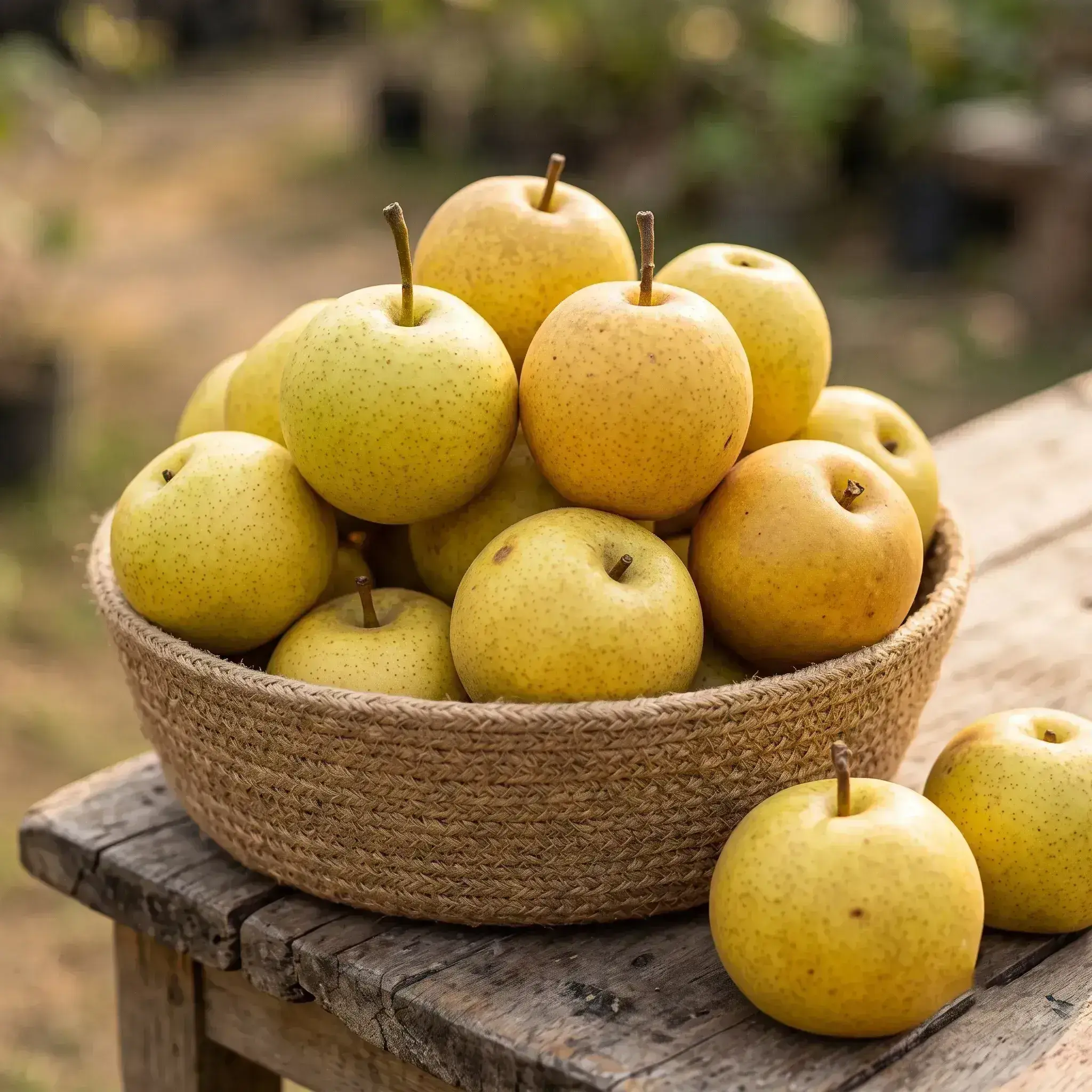
The fruits generally have green, yellowish or brownish skin depending on the variety and maturity. Their flesh may be crisp, soft, juicy or buttery, depending on the cultivar.
Important: Fruit production is not guaranteed simply by planting a pear tree. The correct variety, winter chilling, pollination, tree maturity and suitable climate all influence flowering and fruit development.
Sunlight Requirements
Pear trees grow best in a location receiving plenty of direct sunlight.
- Provide approximately 6–8 hours of sunlight where possible.
- Choose an open location with good air circulation.
- Avoid deep shade and crowded planting areas.
- Protect young plants from extreme afternoon heat while they establish.
Good sunlight supports healthy growth, flowering and fruit development.
Watering Requirements
Pear trees need regular watering, especially during active growth, flowering and fruit development.
- Water when the upper soil begins to dry.
- Keep the root zone moderately moist.
- Increase watering during hot and dry weather.
- Reduce watering during rainy or dormant periods.
- Avoid leaving the roots in continuously waterlogged soil.
Young trees require more attention to watering than established trees. Always adjust watering according to rainfall, soil type and container size.
Soil and Potting Requirements
A deep, fertile and well-drained soil is suitable for growing pear trees.
A useful potting mixture can contain:
- 40% garden soil
- 30% mature compost or well-rotted farmyard manure
- 20% coarse sand or another drainage material
- 10% cocopeat or leaf mould
Use a large, sturdy container with sufficient drainage holes if growing the tree in a pot. Avoid compacted soil that restricts root development.
Growing Nashpati in the Indian Climate
Pear trees are temperate fruit trees, and their performance depends strongly on winter temperature.
In India, pears are cultivated in several northern and hilly regions. Some low-chill varieties are also grown in subtropical areas. Standard European pear varieties may not perform well in places with mild winters if their chilling requirements are not met.
For warmer regions such as West Bengal: Carefully check whether the supplied plant is a low-chill variety suitable for your local climate. Kolkata and many nearby lowland areas have relatively mild winters, which may not provide enough winter chilling for some Pyrus communis cultivars.
- Summer: Protect young trees from severe heat and maintain appropriate soil moisture.
- Monsoon: Ensure excellent drainage and avoid prolonged waterlogging.
- Winter: The cooler season supports dormancy, but the amount of chilling required depends on the variety.
Fertilizer Requirements
Feed the plant moderately to support healthy foliage, roots and fruit development.
- Add mature compost or well-rotted farmyard manure around the root zone.
- Use a balanced fruit-tree fertilizer when needed.
- Follow the fertilizer manufacturer’s recommended dosage.
- Avoid excessive nitrogen, which can encourage leafy growth at the expense of fruiting.
- Do not apply concentrated fertilizer directly against the trunk.
Adjust feeding according to the tree’s age, growth and soil condition.
Pruning and Maintenance
Pruning helps maintain a healthy tree structure and encourages productive branches.
- Remove dead, damaged and diseased branches.
- Remove unwanted shoots growing from the rootstock.
- Maintain an open canopy for sunlight and air circulation.
- Avoid excessive pruning during active flowering and fruit development.
- Use clean, sharp pruning tools.
The correct pruning method depends on the tree’s variety, rootstock and training system.
Can You Grow a Pear Tree in a Pot?
Yes. A suitable pear variety on a dwarfing or size-controlling rootstock may be grown in a large container.
For container cultivation:
- Select a large, deep pot with drainage holes.
- Use a fertile, well-drained potting mixture.
- Place the pot in a sunny location.
- Water according to soil moisture and weather.
- Prune carefully to maintain a manageable shape.
- Repot when the roots outgrow the container.
A standard vigorous pear tree may eventually become too large for ordinary container cultivation. Check the supplied rootstock and expected mature size before choosing a pot.
Pollination and Fruit Production
Pollination is an important factor in pear production. Some pear varieties can produce fruit with their own pollen, while others benefit from or require a compatible pollinating variety flowering at the same time.
If you plan to grow pears for fruit, ask the nursery:
- Which pear variety is supplied?
- Is it self-fertile or does it need another pollinator?
- Is the variety suitable for your local winter conditions?
- Is the plant grafted, and which rootstock is used?
These details are especially important when growing pear trees in warmer parts of India.
Common Problems and Care
Yellowing Leaves: May result from overwatering, poor drainage, nutrient problems or other root stress. Check the soil before watering again.
Poor Flowering: Insufficient winter chilling, unsuitable variety, excessive shade or immature plant age can affect flowering.
Flowers but No Fruits: Poor pollination, unsuitable weather or a lack of a compatible pollinator may prevent fruit development.
Leaf Spots: Remove badly affected fallen leaves and maintain good air circulation. Avoid wetting foliage unnecessarily.
Root Problems: Prolonged waterlogging can damage roots. Use well-drained soil and containers with open drainage holes.
Propagation
Commercial pear trees are commonly propagated through grafting or budding onto suitable rootstocks. This helps maintain the characteristics of the selected variety.
Growing a pear tree from seed may produce a tree with different fruit characteristics and a long juvenile period. For reliable variety identification and fruit quality, a properly labelled grafted plant is generally preferable.
Safety Information
Pear fruits are commonly eaten when properly ripe. However, the seeds should not be deliberately consumed in large quantities. Keep young children from chewing or swallowing seeds.
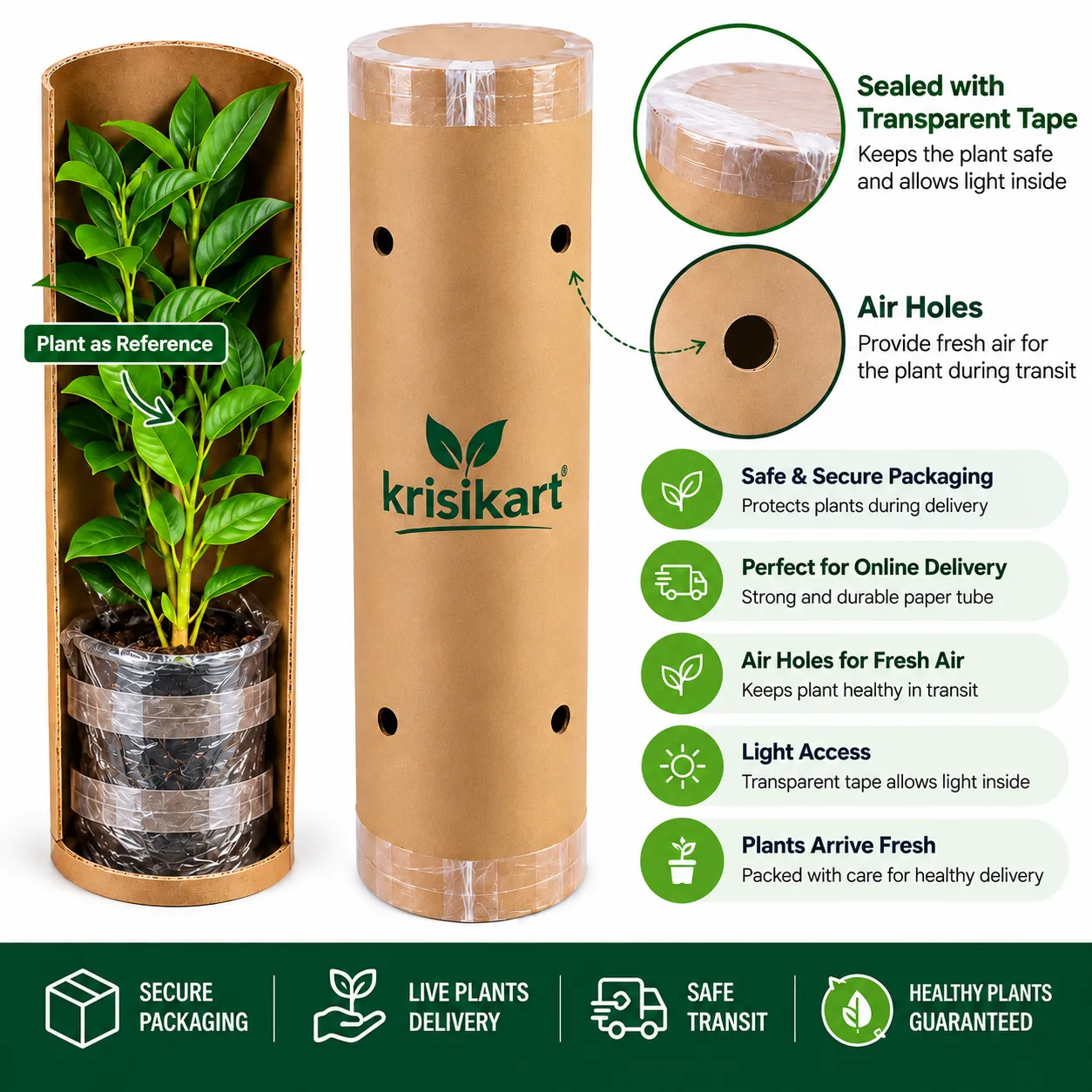
Live Plant Delivery Information
- The delivered plant may naturally differ in height, shape and foliage from the photographs.
- Leaf loss or mild stress may occur during transportation, particularly because pear is a deciduous tree.
- Place the plant in a suitable location and allow it to adjust after delivery.
- Check soil moisture before watering.
- Avoid heavy pruning, strong fertilizer applications or immediate exposure to harsh sunlight after arrival.
- Flowering and fruiting depend on the plant’s age, variety, pollination and growing conditions.
Why Choose a Nashpati Tree for Your Garden?
The Nashpati Tree is an attractive choice for gardeners interested in growing traditional fruit trees. Its seasonal white flowers, fresh green foliage and edible pears make it a valuable addition to a suitable home garden.
With the right variety and climate, it can provide both ornamental beauty and the satisfaction of growing fruit at home.
Botanical Information & Further Reading
- Kew Science – Plants of the World Online: Pyrus communis
- Royal Horticultural Society – Common Pear (Pyrus communis)
- Tamil Nadu Agricultural University – Pear Cultivation Guide
- Pear Cultivation Information – Government of India resource
- Himachal Pradesh Biodiversity Board – Production Technology of Fruit Crops
- IGNOU – Apple and Pear: Horticultural Information
- World Agroforestry – Pyrus communis Species Profile
Frequently Asked Questions
1. What is the botanical name of the Nashpati Tree?
The botanical name of the Common Pear Tree is Pyrus communis. It belongs to the Rosaceae family.
2. Can I grow a Nashpati Tree at home?
Yes. You can grow it in a backyard or a large container, provided the variety and rootstock are suitable for your local climate.
3. Can a pear tree grow in West Bengal?
Some low-chill pear varieties may be suitable for warmer regions, but ordinary European pear varieties may struggle where winter chilling is insufficient. Confirm the exact cultivar before planting.
4. How much sunlight does a pear tree need?
A pear tree generally performs best with around 6–8 hours of direct sunlight daily.
5. Does a pear tree lose its leaves?
Yes. It is deciduous and naturally sheds its leaves during the dormant season.
6. How long does a pear tree take to produce fruits?
The time depends on the variety, rootstock, plant age and growing conditions. Grafted trees generally begin fruiting earlier than seed-grown trees, but no fixed fruiting timeline can be guaranteed.
7. Does a pear tree need another tree for pollination?
Some varieties are self-fertile, while others require a compatible pollinating variety. Even self-fertile varieties may benefit from cross-pollination.
8. Can I grow a pear tree in a pot?
Yes. Choose a suitable dwarfing or size-controlling rootstock, a large container and a sunny growing location.
9. Why is my pear tree not flowering?
Insufficient winter chilling, inadequate sunlight, unsuitable growing conditions or a young plant age may delay flowering.
10. What type of soil is best for a Nashpati Tree?
Deep, fertile and well-drained soil is best. Avoid compacted soil and prolonged waterlogging.
11. When does a pear tree flower?
Pear trees generally flower during spring after their winter dormancy. Exact timing varies with variety and local climate.
12. Are Nashpati fruits edible?
Yes. Common pear fruits are edible and are enjoyed fresh or used in cooking.


Reviews
There are no reviews yet.