 Plastic Plant pot | Plastic Garden Pot for Plants
 Self Watering Planters | Self Watering Plant Pots For Plants
Red Diamond Guava Plant – Red-Fleshed Guava (Psidium guajava)
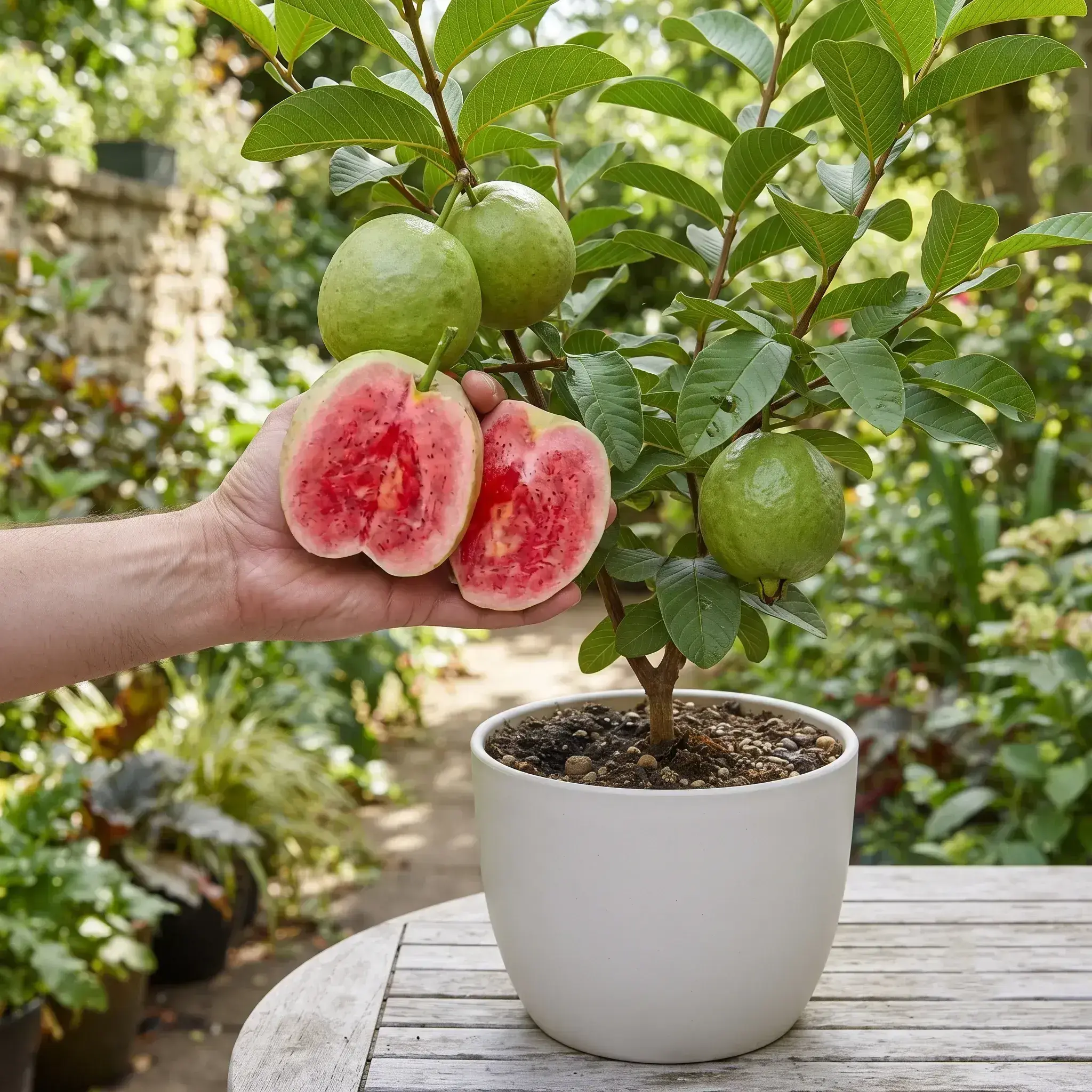
The Red Diamond Guava Plant (Psidium guajava). This attractive tropical fruit tree is marketed as a premium red-fleshed guava variety, known for its beautiful pink-to-red pulp, refreshing flavour and decorative appearance.
Red Diamond Guava is a popular choice among fruit lovers and home gardeners who want something different from traditional white-fleshed guava varieties. Its fruits are described by specialist nurseries as having attractive coloured flesh, a crisp texture and a pleasantly sweet taste.
The plant develops green foliage, branching stems and beautiful white flowers that develop into guava fruits under suitable growing conditions.
It can be grown in home gardens, farmhouses and large containers with proper care. The warm climate of India, including West Bengal, is suitable for growing guava.
Plant Highlights
- Common Name: Red Diamond Guava, Red Diamond Guava Tree, Red-Fleshed Guava
- Scientific Name: Psidium guajava
- Variety Name: Red Diamond (nursery trade identification)
- Family: Myrtaceae
- Plant Type: Tropical fruit tree
- Origin: Guava species native to tropical America
- Fruit Flesh: Pink to red, according to Red Diamond nursery descriptions
- Fruit Skin: Generally green to yellowish-green when mature
- Flowers: White flowers with prominent stamens
- Foliage: Green, aromatic leaves
- Sunlight: Full sunlight
- Watering: Regular watering, especially during fruit development
- Soil: Fertile and well-drained soil
- Growth Habit: Branching fruit tree
- Uses: Fresh fruit, home gardening, juice and desserts
About the Red Diamond Guava Plant
Red Diamond Guava belongs to the species Psidium guajava, a member of the Myrtaceae family.
Guava is one of the most popular tropical fruit trees cultivated in India. It is appreciated for its delicious fruits, attractive foliage and adaptability to different growing conditions.
The Red Diamond variety is marketed as a premium red-fleshed guava. Its attractive pulp colour makes it different from traditional white-fleshed guava varieties.
The plant can be grown in open garden soil or in a large container. With suitable sunlight, watering, nutrition and pruning, it can develop into a productive fruit tree.
Note: Red Diamond is a variety or trade name used by nurseries. Confirm the authenticity of the supplied planting material if you specifically want the Red Diamond variety rather than another red-fleshed guava.
Appearance and Growth
The Red Diamond Guava Plant develops a woody trunk with multiple branches and attractive green foliage.
Its main features include:
- Green, oval-shaped leaves.
- Naturally branching growth.
- Smooth young stems that become woody with age.
- White flowers with numerous stamens.
- Round to oval guava fruits, depending on the plant’s variety and growing conditions.
Guava trees can grow approximately 3–6 metres tall when planted in open ground, although size varies with variety, climate, soil and pruning.
Regular pruning helps maintain a manageable height and makes harvesting easier.
Fruits and Fruit Characteristics
The main attraction of Red Diamond Guava is its colourful fruit pulp.
According to specialist nursery descriptions, the variety is marketed with the following characteristics:
- Pink to deep-red flesh.
- Attractive green to yellowish-green fruit skin.
- Crisp and juicy pulp.
- Sweet flavour with a mild natural tang.
- Pleasant guava aroma.
- Marketed as a relatively low-seed type, although seed count may vary.
The fruits can be enjoyed fresh or used for juice, smoothies, desserts, jams and other homemade preparations.
Important: Fruit size, exact flesh colour, sweetness, seed count and texture can vary with the actual planting material and growing conditions. These characteristics should not be treated as guaranteed until the variety is confirmed.
Flowers and Flowering Season
Guava produces attractive white flowers with numerous prominent stamens.
The flowers generally develop on new growth and may appear singly or in small groups near the leaf axils.
After successful pollination, the flowers develop into fruits.
In Indian tropical and subtropical climates, guava may flower and fruit in more than one season. The exact timing depends on local climate, plant age, variety and management.
Young nursery plants need time to establish before they produce a reliable fruit crop.
Sunlight Requirements
Red Diamond Guava grows best in full sunlight.
- Provide at least 6–8 hours of direct sunlight where possible.
- Choose an open garden location.
- Good sunlight supports flowering and fruit development.
- Avoid planting in deep shade.
- Maintain sufficient space around the tree for airflow.
Adequate sunlight is important for healthy growth and good fruit quality.
Watering Requirements
Guava plants need regular moisture, especially during early growth, flowering and fruit development.
- Water regularly after planting while the roots establish.
- Check soil moisture before watering again.
- Increase watering during hot and dry weather.
- Maintain consistent moisture during fruit development.
- Reduce watering during heavy monsoon rainfall.
- Avoid waterlogging around the roots.
Irregular watering during fruit development can affect fruit quality and may contribute to fruit drop or cracking.
Soil Requirements
Red Diamond Guava grows well in fertile, well-drained soil.
A suitable potting mixture can contain:
- Garden soil
- Well-decomposed compost
- Cocopeat
- Coarse sand or perlite for drainage
Guava is adaptable to different soil types, but deep, fertile and well-drained loamy soil is preferable.
Avoid heavy clay soil that remains waterlogged for long periods.
Temperature and Indian Climate
Guava is a tropical and subtropical fruit tree that grows well in warm climates.
It is suitable for many Indian regions, including West Bengal.
Growing tips for West Bengal:
- Choose a sunny outdoor location.
- Maintain regular watering during summer.
- Ensure good drainage during the monsoon.
- Avoid water stagnation around the roots.
- Provide airflow around the branches.
- Protect young plants from strong winds.
- Monitor fruit development during periods of heavy rainfall.
Guava can tolerate some dry weather after establishment, but consistent care is important for good fruit development.
Fertilizer Requirements
Regular nutrition supports healthy foliage, flowering and fruit production.
- Add well-decomposed cow dung manure or compost around the plant.
- Use a balanced fruit-tree fertilizer according to the plant’s age.
- Apply fertilizer during active growth.
- Provide suitable potassium and other nutrients during fruit development.
- Avoid excessive nitrogen, which may encourage foliage growth at the expense of flowering.
- Water after applying granular fertilizer according to its instructions.
For a young plant, use smaller quantities of fertilizer. Increase feeding gradually as the tree grows, following a suitable horticultural recommendation.
Growing Red Diamond Guava in Pots
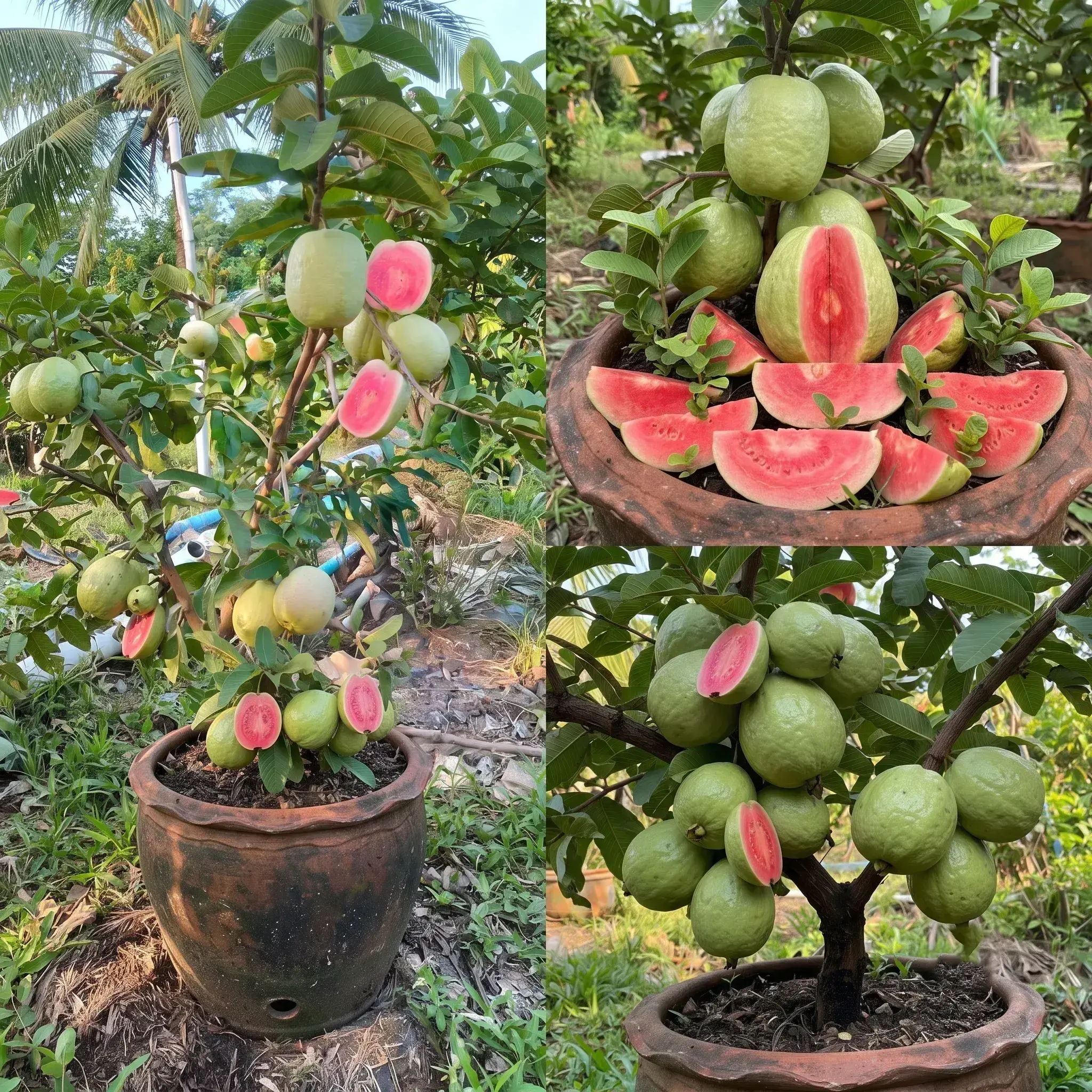
Red Diamond Guava can be grown in a large container, making it suitable for home gardeners with limited ground space.
For successful container cultivation:
- Choose a large, sturdy pot with drainage holes.
- Use fertile and well-drained potting soil.
- Place the container in full sunlight.
- Water regularly without overwatering.
- Prune the plant to maintain a manageable shape.
- Add compost and balanced fertilizer when required.
- Repot when the roots become crowded.
A large container of approximately 50–75 litres or more is preferable for long-term growth, depending on the plant’s size.
A container-grown plant may produce fewer fruits than a mature tree planted in open ground.
Best Places to Grow
Red Diamond Guava is suitable for:
- Home fruit gardens
- Backyard gardens
- Farmhouses
- Kitchen gardens
- Large outdoor containers
- Terrace gardens with sufficient sunlight and space
- Small fruit orchards
Choose a sunny location with good drainage and enough room for the branches to spread.
Pruning and Maintenance
Regular pruning helps maintain a strong tree structure and encourages healthy new growth.
- Remove dry and damaged branches.
- Remove shoots emerging from the base of the trunk.
- Trim crossing and overcrowded branches.
- Maintain an open canopy for better sunlight and airflow.
- Remove weak branches that cannot support fruit weight.
- Prune lightly after harvesting when necessary.
Guava bears flowers and fruits on new-season growth, so suitable pruning can help encourage productive shoots.
Avoid excessive pruning, especially when the tree is young.
Fruit Protection and Harvesting
Guava fruits can be affected by fruit flies and other pests, particularly during warm and humid weather.
Useful precautions include:
- Inspect fruits regularly.
- Remove fallen and damaged fruits.
- Use suitable fruit-protection bags where appropriate.
- Maintain a clean area around the tree.
- Harvest fruits at the appropriate maturity stage.
- Avoid leaving overripe fruits on the tree.
Harvesting time depends on the variety and local growing conditions. Fruits are generally picked when they reach their mature size and begin showing the appropriate colour change.
Do not expect an exact harvest date from a young nursery plant.
Propagation
Guava can be propagated through seeds, air layering, grafting and other vegetative methods.
For maintaining a particular fruit variety such as Red Diamond, vegetative propagation is preferable because seed-grown plants may not produce fruits identical to the parent plant.
Propagation through air layering:
- Select a healthy mature branch.
- Remove a small ring of bark from the selected section.
- Apply suitable moist rooting medium around the exposed area.
- Wrap it securely with suitable propagation material.
- Allow roots to develop.
- Separate the rooted branch carefully.
- Plant it in a suitable container or garden location.
Grafted plants: If the nursery supplies a grafted Red Diamond Guava, preserve the grafted plant identity and do not allow shoots from below the graft union to dominate.
Common Problems and Solutions
1. Yellow Leaves
Yellowing may result from overwatering, poor drainage or nutrient deficiency. Check soil moisture and provide suitable nutrition.
2. Flower or Fruit Drop
Irregular watering, extreme weather, poor pollination or nutritional stress can cause flower and fruit drop. Maintain consistent moisture and healthy growing conditions.
3. Fruit Fly Damage
Fruit flies can damage developing guavas. Remove infested fruits and use suitable fruit-protection methods.
4. Fruit Cracking
Irregular watering and sudden changes in soil moisture can contribute to fruit cracking. Maintain more consistent soil moisture during fruit development.
5. Slow Growth
Insufficient sunlight, poor soil or restricted roots can affect growth. Provide full sunlight and fertile, well-drained soil.
6. Pest Problems
Guava plants may be affected by mealybugs, scale insects, aphids and other common garden pests. Inspect the plant regularly and use appropriate pest-control methods when needed.
7. Root Problems During Monsoon
Waterlogged soil can damage roots. Ensure that excess rainwater drains away properly.
Is Red Diamond Guava Suitable for Indoor Growing?
No. Guava is an outdoor fruit tree that needs plenty of direct sunlight and sufficient space for healthy growth and fruit production.
It can be grown in a large container on a sunny terrace or balcony, but it is not suitable for a dark indoor room.
Safety and Handling
Guava fruits are commonly eaten as food when properly ripe and prepared.
- Wash fruits before eating.
- Avoid consuming damaged or spoiled fruits.
- Keep fertilizer and plant-protection products away from children and pets.
- Follow the recommended instructions when using gardening treatments.
Live Plant Delivery
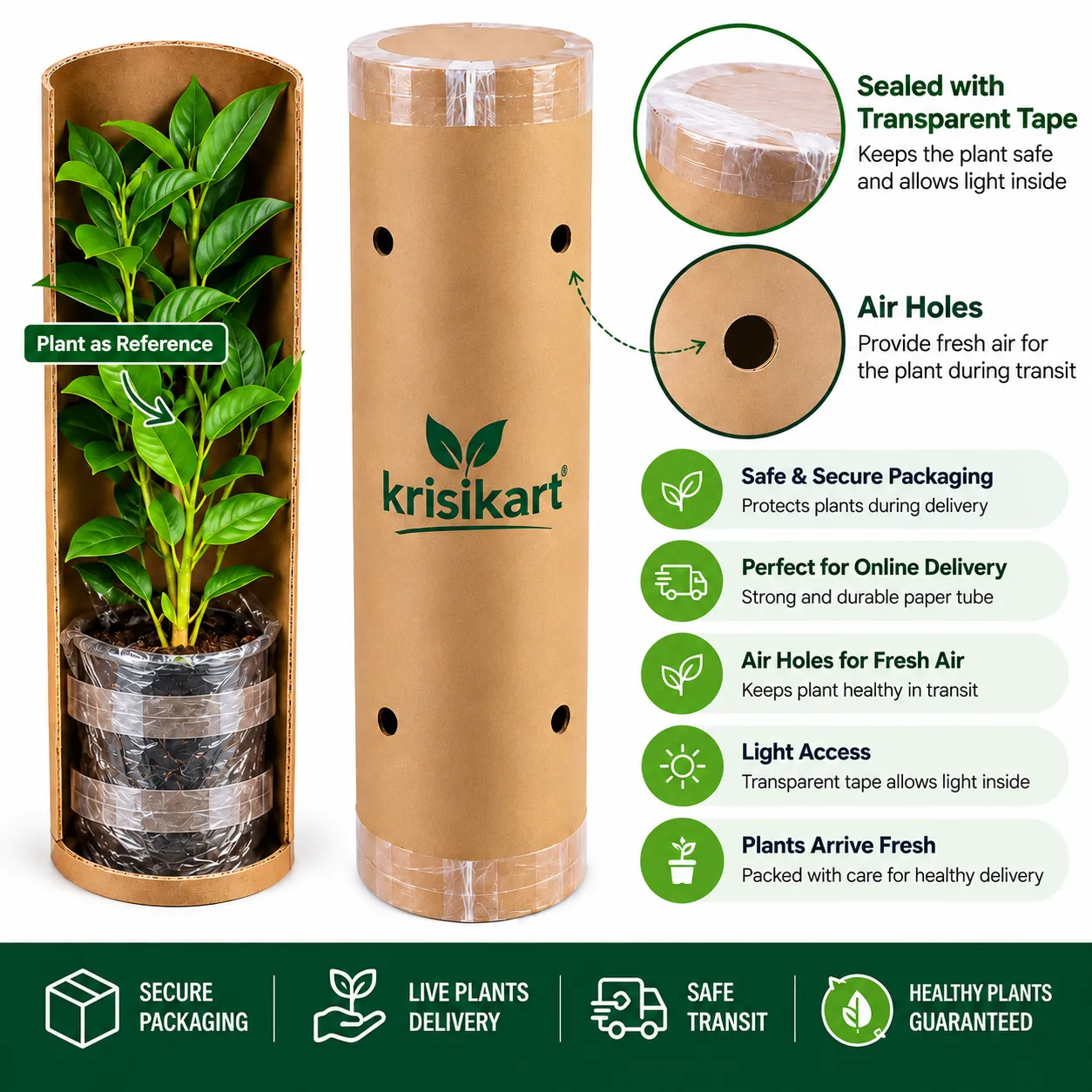
We take care to pack and deliver your Red Diamond Guava Plant safely.
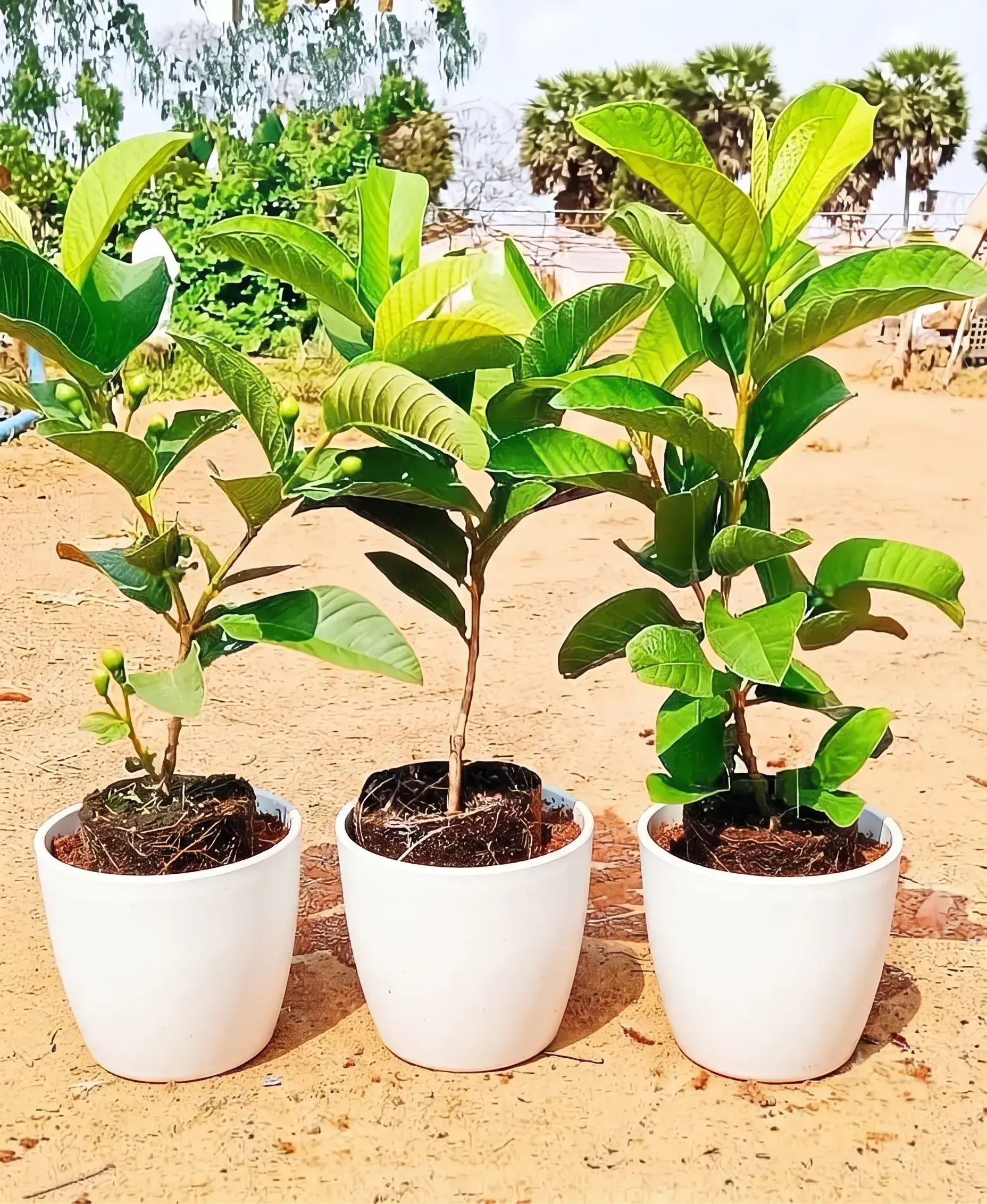
- The plant is supplied as a live nursery plant.
- Plant height, stem thickness and branching may vary depending on availability.
- Leaf count and appearance may differ slightly from the product photograph.
- The plant may not carry flowers or fruits at the time of delivery.
- Some leaves may show minor changes during transportation.
- Place the plant in a suitable sunny location after delivery and allow it to adjust.
Why Choose the Red Diamond Guava Plant?
Red Diamond Guava is an attractive choice for anyone who wants to grow a colourful fruit tree at home.
Its marketed red-fleshed fruits, fresh tropical foliage and manageable growth with pruning make it suitable for home gardens, farmhouses and large containers.
With adequate sunlight, fertile soil, regular watering and suitable maintenance, you can enjoy growing your own guava plant and harvesting fresh fruits when it becomes mature and productive.
Botanical Information & Further Reading
- Kew – Plants of the World Online: Psidium guajava
- Tamil Nadu Agricultural University – Guava Cultivation Guide
- Kerala Agricultural University – Guava Package of Practices
- ICAR – Crop Regulation in Guava
- Assam Department of Horticulture – Package of Practices for Guava
- University of Florida IFAS – Tropical Fruit Growing Resources
- Red Diamond Guava – Specialist Nursery Variety Description
Frequently Asked Questions
1. What is the scientific name of Red Diamond Guava?
Red Diamond Guava belongs to the species Psidium guajava, which is part of the Myrtaceae family.
2. Is Red Diamond Guava a red-fleshed variety?
Yes. It is marketed as a red-fleshed guava variety with pink-to-deep-red pulp. The exact flesh colour can vary with the planting material and growing conditions.
3. Is Red Diamond Guava suitable for West Bengal?
Yes. Guava grows well in warm tropical and subtropical climates. West Bengal is suitable for cultivation with proper sunlight and drainage.
4. How long does a Red Diamond Guava plant take to produce fruits?
Fruiting time depends on whether the plant is grafted, air-layered or seed-grown, as well as its age and growing conditions. Vegetatively propagated nursery plants may begin bearing earlier than seed-grown plants, but no exact harvest date can be guaranteed.
5. Can I grow Red Diamond Guava in a pot?
Yes. It can be grown in a large container with fertile soil, good drainage and sufficient sunlight.
6. How much sunlight does Red Diamond Guava need?
It needs full sunlight, preferably around 6–8 hours of direct sunlight daily for healthy growth and fruiting.
7. How often should I water the Guava Plant?
Water regularly while the plant is young. During fruit development, maintain consistent soil moisture but avoid waterlogging.
8. How tall does a Guava tree grow?
Depending on variety and growing conditions, a guava tree can grow approximately 3–6 metres tall. Pruning can help maintain a smaller size.
9. What colour are Red Diamond Guava fruits?
The variety is marketed with green to yellowish-green skin and pink-to-red flesh. Actual fruit appearance depends on the true variety and maturity.
10. Is Red Diamond Guava sweet?
Specialist nursery descriptions advertise it as sweet with a mild tang. Actual taste can vary with maturity, climate and growing conditions.
11. How can I make my Guava tree produce more fruits?
Provide full sunlight, balanced nutrition, regular watering and suitable pruning. Maintaining a healthy branching structure helps support flowering and fruiting.
12. Can I grow Red Diamond Guava from seeds?
Yes, but seed-grown plants may not retain the exact characteristics of the parent variety. Grafted or air-layered plants are preferable when maintaining a named variety is important.
13. Does Guava need pruning?
Yes. Light pruning helps maintain a manageable size, improve airflow and encourage new shoots that can produce flowers and fruits.
14. Can Red Diamond Guava grow throughout the year?
The tree can remain evergreen in suitable warm climates. Flowering and fruiting seasons vary with local weather, plant age and cultivation practices.
For More Information
Visit: krisikart.com
For Contact Visit:Contact Us
For Shopping Visit: Shop Page


Kishore Sharma –
Plants bahut fresh aaye.
Quality dekhkar kaafi happy hua.
nice package