 Plastic Plant pot | Plastic Garden Pot for Plants
 Self Watering Planters | Self Watering Plant Pots For Plants
Laila Majnu Plant – Excoecaria Bicolor (Excoecaria cochinchinensis)
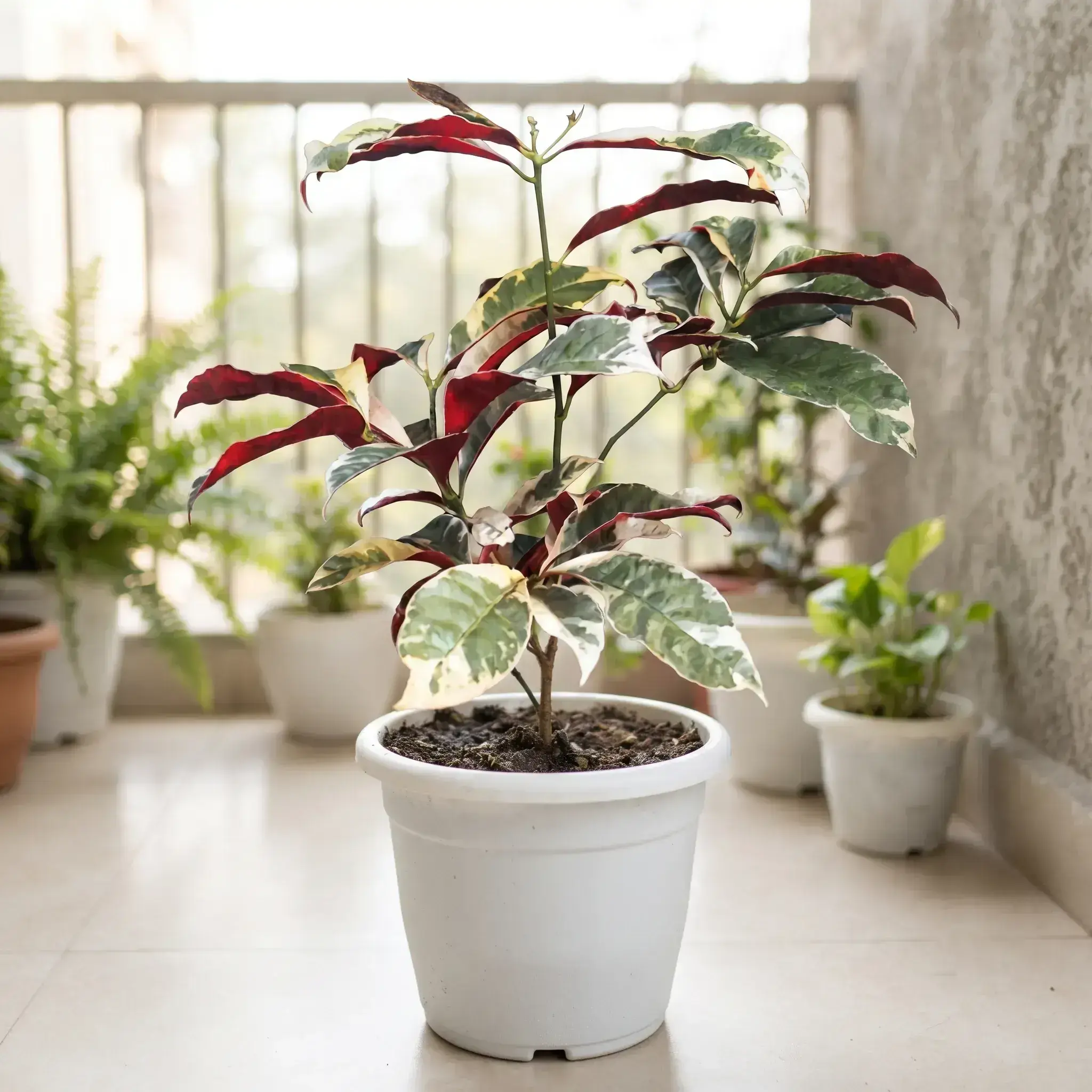
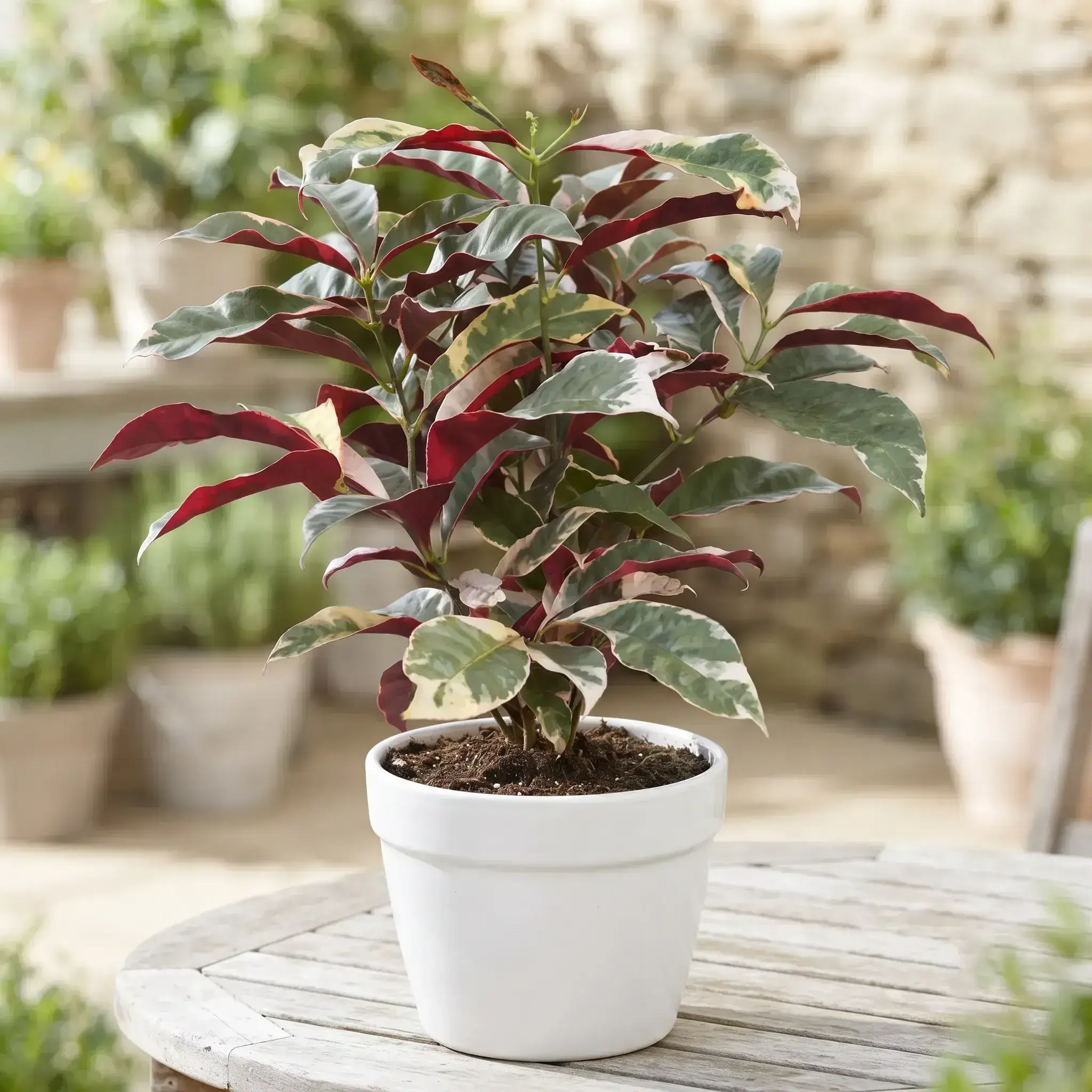
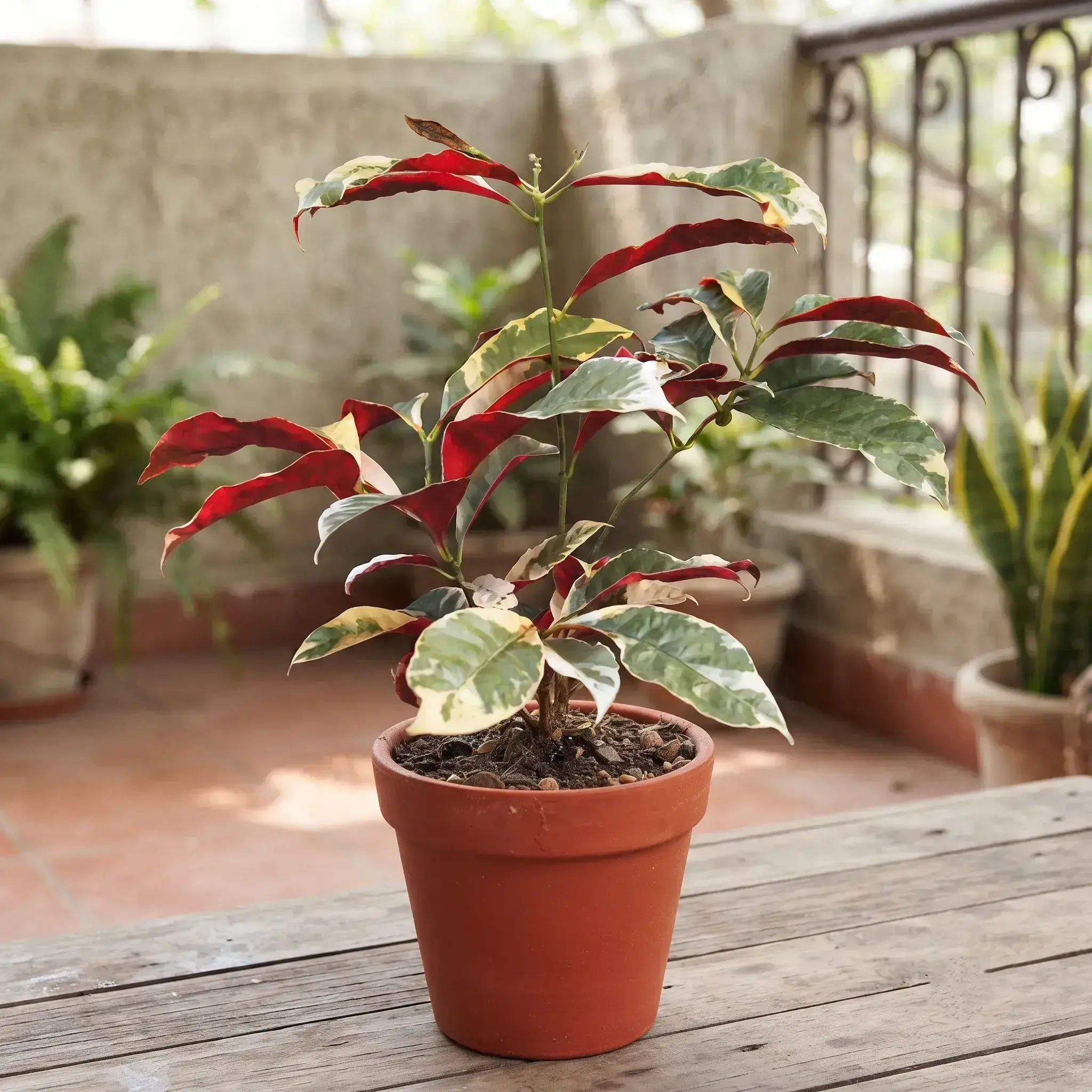
The Laila Majnu Plant ( Excoecaria cochinchinensis) Also known as Chinese Croton and Variegated Leaf Plant, Laila Majnu is popular among gardeners for its colourful foliage and bushy growth. Its two different leaf colours create an attractive appearance, making it a wonderful choice for home gardens, balconies, patios and landscape decoration.
This attractive tropical ornamental shrub is famous for its naturally contrasting leaves, which are green on the upper side and deep red or wine-purple underneath.
The plant grows well in warm and humid climates and can be cultivated in many parts of India, including West Bengal. It can be grown in pots or directly in garden soil with suitable sunlight, watering and drainage.
Plant Highlights
- Common Name: Laila Majnu Plant, Chinese Croton, Excoecaria Bicolor
- Scientific Name: Excoecaria cochinchinensis
- Popular Synonym: Excoecaria bicolor
- Family: Euphorbiaceae
- Plant Type: Evergreen ornamental shrub
- Origin: Southeast Asia and southern China
- Foliage: Green above and reddish-purple underneath
- Flowers: Small greenish or cream-coloured flowers
- Sunlight: Full sunlight to partial shade
- Watering: Moderate watering
- Soil: Fertile, moist and well-drained soil
- Growth Habit: Upright, branching shrub
- Uses: Garden decoration, borders, hedges and container planting
About the Laila Majnu Plant
The Laila Majnu Plant is a tropical ornamental shrub belonging to the Euphorbiaceae family. It is grown mainly for its attractive two-coloured foliage.
Its leaves have a special appearance:
- The upper surface is generally green.
- The underside is deep red, maroon or wine-purple.
- Young leaves may show reddish tones before becoming greener.
- The leaves grow in an opposite arrangement along the branches.
This natural colour contrast makes the plant attractive even without flowers. It is commonly used in tropical gardens, decorative borders and landscape arrangements.
Appearance and Growth
The Laila Majnu Plant develops an upright and bushy growth habit with multiple branches.
Its main ornamental features include:
- Attractive green upper leaf surfaces.
- Deep red or wine-purple undersides.
- Smooth, glossy foliage.
- Small, inconspicuous flowers.
- Dense branching when regularly maintained.
Under suitable conditions, the shrub can grow approximately 1–2 metres tall. Its final size depends on climate, soil, sunlight and pruning.
Regular trimming helps maintain a compact and attractive shape.
Flowers and Flowering Season
The plant produces small, inconspicuous greenish flowers in clusters. They are not as decorative as its colourful leaves.
In suitable Indian conditions, flowering and fruiting may occur during different parts of the year. The Botanical Survey of India’s Flora of India records October to April as a flowering and fruiting period for cultivated plants.
The Laila Majnu Plant is primarily grown for its beautiful foliage rather than its flowers.
Sunlight Requirements
The Laila Majnu Plant grows well in full sunlight to partial shade.
- Bright natural light supports healthy foliage.
- Gentle morning sunlight is beneficial.
- Partial shade is suitable in hot locations.
- Protect young plants from harsh afternoon sunlight.
- Avoid keeping the plant in a dark location for long periods.
A bright outdoor location generally supports attractive foliage and healthy growth.
Watering Requirements
The plant prefers moderately moist soil but does not tolerate prolonged waterlogging.
- Water when the upper layer of soil begins to dry.
- Maintain moderate moisture during active growth.
- Water more frequently during hot and dry weather when necessary.
- Reduce watering during heavy monsoon rainfall.
- Make sure excess water drains out of the pot.
Avoid keeping the roots continuously wet, as this can cause root damage.
Soil Requirements
Fertile, organic-rich and well-drained soil is ideal for the Laila Majnu Plant.
A suitable potting mixture can contain:
- Garden soil
- Well-decomposed compost
- Cocopeat
- Coarse sand or perlite for drainage
The soil should retain enough moisture for healthy growth while allowing excess water to drain away.
Temperature and Indian Climate
The Laila Majnu Plant prefers warm tropical and subtropical conditions. It grows well in humid environments and is suitable for many Indian gardens.
Growing tips for West Bengal:
- Provide bright natural light or gentle morning sunlight.
- Maintain moderate soil moisture during summer.
- Ensure good drainage during the monsoon.
- Avoid waterlogging around the roots.
- Protect young plants from strong, drying winds.
- Keep the plant in a sheltered location during unusually cold weather.
West Bengal’s warm and humid climate can support healthy growth when proper drainage and sunlight are provided.
Fertilizer Requirements
The Laila Majnu Plant benefits from moderate feeding during its active growing period.
- Add well-decomposed compost to the soil.
- Use a balanced liquid fertilizer at a diluted strength when necessary.
- Feed during warmer growing months.
- Avoid excessive fertilizer application.
- Follow the manufacturer’s instructions for granular fertilizers.
Healthy soil and balanced nutrition support fresh foliage and branching.
Growing Laila Majnu in Pots
The plant is suitable for container gardening and can be grown on balconies, patios and terraces.
For successful pot cultivation:
- Choose a pot with drainage holes.
- Use fertile, well-drained potting soil.
- Place the pot in a bright location.
- Water when the upper soil begins to dry.
- Trim longer branches to maintain the desired shape.
- Repot when the roots become crowded.
A medium-sized pot is suitable for a young plant. A larger container can be used as the plant develops.
Best Places to Grow
The Laila Majnu Plant is suitable for:
- Home gardens
- Balcony gardens
- Patio decoration
- Garden borders
- Decorative hedges
- Tropical landscape arrangements
- Outdoor containers
- Garden pathways
Its contrasting red and green foliage makes it especially attractive when planted alongside ordinary green-leaved ornamental shrubs.
Pruning and Maintenance
Regular light pruning helps maintain a dense and attractive shrub.
- Remove dry and damaged branches.
- Trim excessively long shoots.
- Pinch growing tips to encourage branching.
- Remove unhealthy leaves.
- Prune carefully to maintain the desired shape.
Important: Wear gloves and avoid contact with the plant’s milky sap during pruning. Clean your tools after use.
Propagation
The Laila Majnu Plant can be propagated through stem cuttings and air layering.
Propagation through stem cuttings:
- Select a healthy, semi-mature stem.
- Wear gloves before cutting because the plant releases milky sap.
- Take a suitable cutting using clean pruning tools.
- Allow excess sap to stop flowing before placing the cutting in the propagation medium.
- Plant it in a moist, well-drained growing medium.
- Keep it in a warm location with bright indirect light.
- Maintain moderate moisture while roots develop.
Propagation success depends on cutting quality, temperature and humidity.
Common Problems and Solutions
1. Yellow Leaves
Yellow leaves may result from overwatering, poor drainage or nutrient problems. Check soil moisture and improve drainage if necessary.
2. Faded Leaf Colour
Insufficient light can affect foliage appearance. Move the plant to a brighter location while avoiding sudden exposure to harsh sunlight.
3. Drooping Leaves
Drooping may occur because of dry soil, excessive heat or root problems. Check soil moisture and protect the plant from extreme conditions.
4. Slow Growth
Poor light, restricted roots or insufficient nutrients can affect growth. Provide suitable sunlight and fertile soil.
5. Pest Problems
Inspect leaves and stems for common garden pests such as aphids, mealybugs and scale insects. Remove affected parts where practical and use an appropriate plant treatment if required.
6. Root Problems During Monsoon
Excessive rain and waterlogged soil can damage roots. Use well-drained soil and avoid placing pots where rainwater collects.
Is Laila Majnu Suitable for Indoor Growing?
The Laila Majnu Plant can be kept near a bright window or in a naturally well-lit indoor space. However, it generally performs better outdoors where it receives sufficient natural light and fresh air.
A bright balcony, patio or garden location is a good choice for maintaining healthy foliage.
Safety and Handling
<badge color=”warning”>Toxic, irritating milky sap</badge>
The Laila Majnu Plant belongs to the Euphorbiaceae family and produces milky latex when its stems or leaves are damaged.
- The sap can irritate the skin.
- Contact with the eyes can cause serious irritation and may affect vision.
- Do not allow children or pets to chew the leaves or stems.
- Wear gloves when pruning or taking cuttings.
- Wash your hands and tools after handling the plant.
- If sap enters the eyes, rinse immediately with plenty of clean water and seek urgent medical advice.
Keep the plant away from areas where children or pets may handle or chew it.
Live Plant Delivery
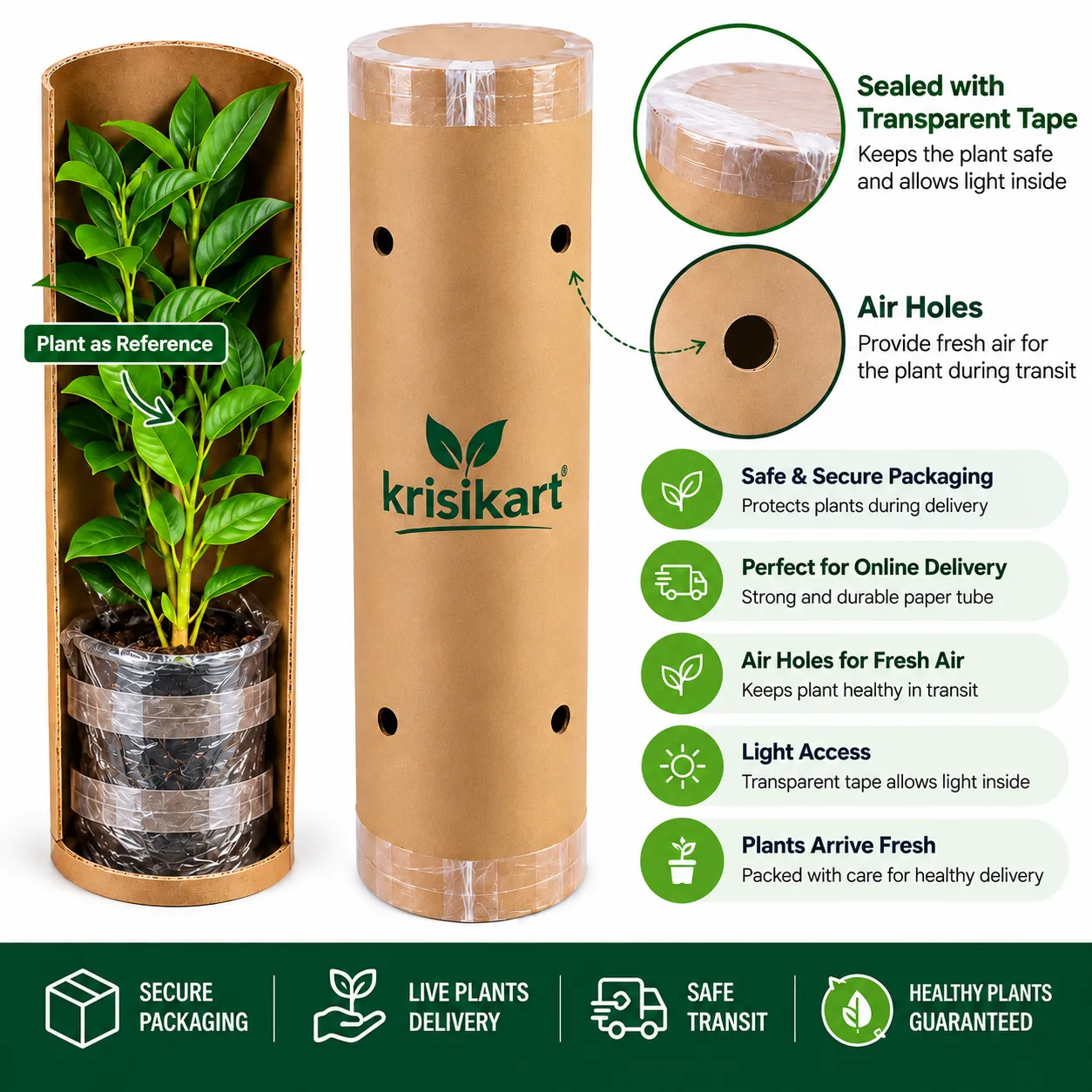
We take care to pack and deliver your Laila Majnu Plant safely.
- The plant is supplied as a live nursery plant.
- Plant height, branching and leaf count may vary depending on availability.
- Leaf colour may vary slightly between individual plants and growing conditions.
- Some leaves may show minor changes during transportation.
- Place the plant in a suitable bright location after delivery and allow it to adjust.
Why Choose the Laila Majnu Plant?
The Laila Majnu Plant is a beautiful choice for anyone who enjoys colourful foliage and tropical ornamental shrubs.
Its naturally contrasting green and wine-red leaves make it stand out from ordinary garden plants. It is suitable for pots, balconies, patios, borders and decorative landscape planting.
Grow this attractive shrub in a bright location with well-drained soil and enjoy its unique two-coloured foliage.
Botanical Information & Further Reading
- Kew – Plants of the World Online: Excoecaria cochinchinensis
- National Parks Board Singapore – Excoecaria cochinchinensis
- Botanical Survey of India – Flora of India, Volume 23
- India Flora Online – Excoecaria cochinchinensis
- PROSEA – Excoecaria cochinchinensis
- Royal Horticultural Society – Excoecaria cochinchinensis
- eFlora of India – Excoecaria cochinchinensis
Frequently Asked Questions
1. What is the scientific name of the Laila Majnu Plant?
Its accepted scientific name is Excoecaria cochinchinensis. It belongs to the Euphorbiaceae family.
2. Is Excoecaria bicolor the same as Excoecaria cochinchinensis?
Yes. Excoecaria bicolor is a botanical synonym of the currently accepted name Excoecaria cochinchinensis.
3. Why is it called the Laila Majnu Plant?
The name is popularly associated with its contrasting leaf colours: green on the upper side and deep red or wine-purple underneath.
4. Is the Laila Majnu Plant suitable for West Bengal?
Yes. It prefers warm and humid conditions and can grow well in West Bengal with suitable sunlight and well-drained soil.
5. Does the Laila Majnu Plant produce flowers?
Yes. It produces small, inconspicuous greenish flowers. The plant is mainly grown for its attractive foliage.
6. Does the Laila Majnu Plant need full sunlight?
It grows well in full sunlight to partial shade. Gentle morning sunlight and bright natural light are suitable.
7. Can I grow Laila Majnu in a pot?
Yes. It is suitable for container gardening. Use a pot with drainage holes and fertile, well-drained soil.
8. How often should I water the Laila Majnu Plant?
Water when the upper layer of soil begins to dry. Avoid excessive watering and waterlogging.
9. How tall does the Laila Majnu Plant grow?
It can generally grow approximately 1–2 metres tall under suitable conditions. Regular pruning can help control its size.
10. How can I make my Laila Majnu Plant bushier?
Lightly trim the growing tips and longer branches to encourage side shoots and a fuller appearance.
11. How can I propagate the Laila Majnu Plant?
It can be propagated through stem cuttings and air layering. Wear gloves because the plant produces irritating milky sap.
12. Why are the leaves losing their red colour underneath?
Changes in light, plant health and natural variation can affect leaf appearance. Provide suitable light and balanced growing conditions.
13. Is the Laila Majnu Plant suitable for indoor growing?
It can be kept near a bright window, but it generally grows better outdoors or in a naturally well-lit location.
14. Is the Laila Majnu Plant poisonous?
Its milky sap is irritating and can be harmful, particularly if it comes into contact with the eyes. Wear gloves when pruning and keep the plant away from children and pets.
For More Information
Visit: krisikart.com
For Contact Visit:Contact Us
For Shopping Visit: Shop Page


Reviews
There are no reviews yet.