 Plastic Plant pot | Plastic Garden Pot for Plants
 Self Watering Planters | Self Watering Plant Pots For Plants
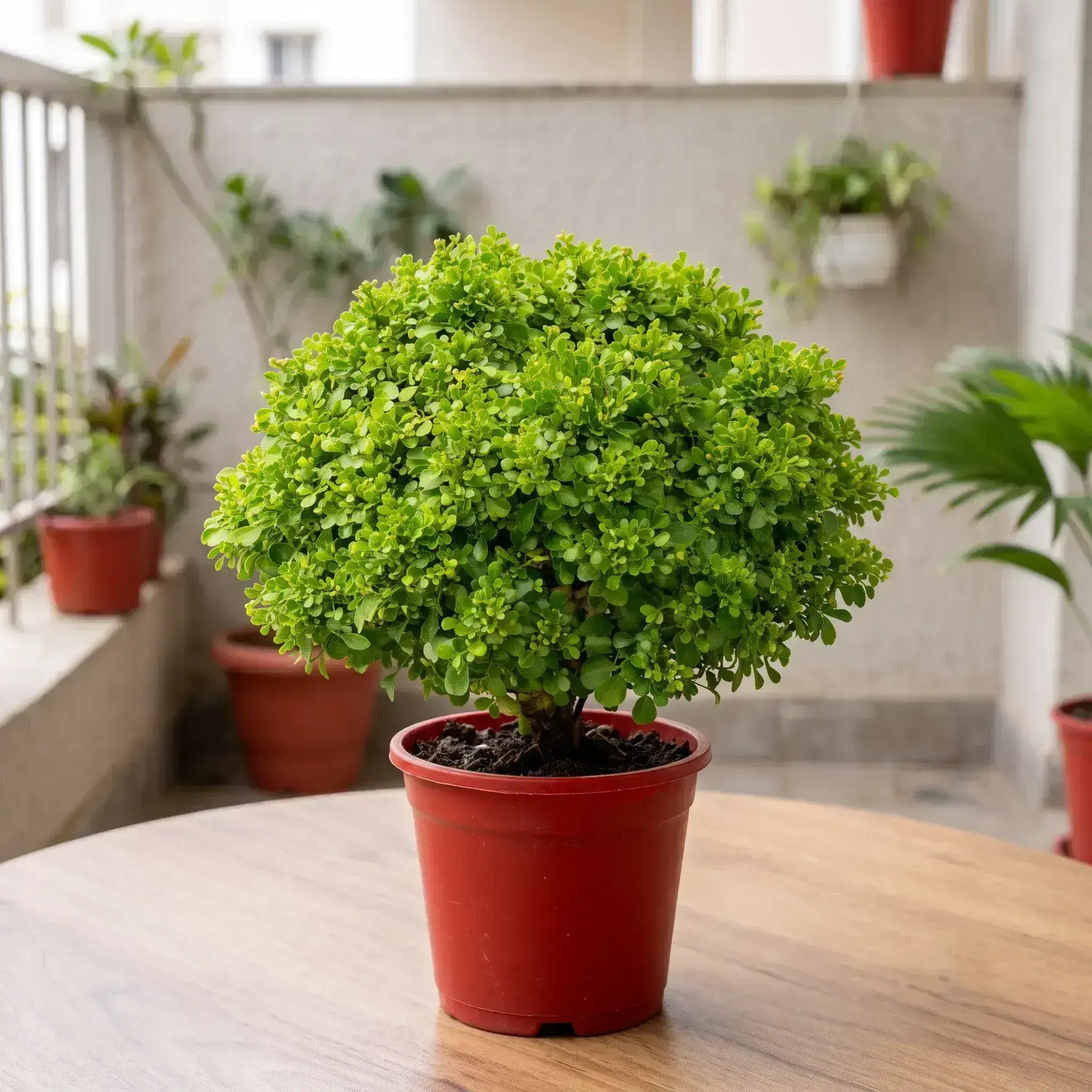
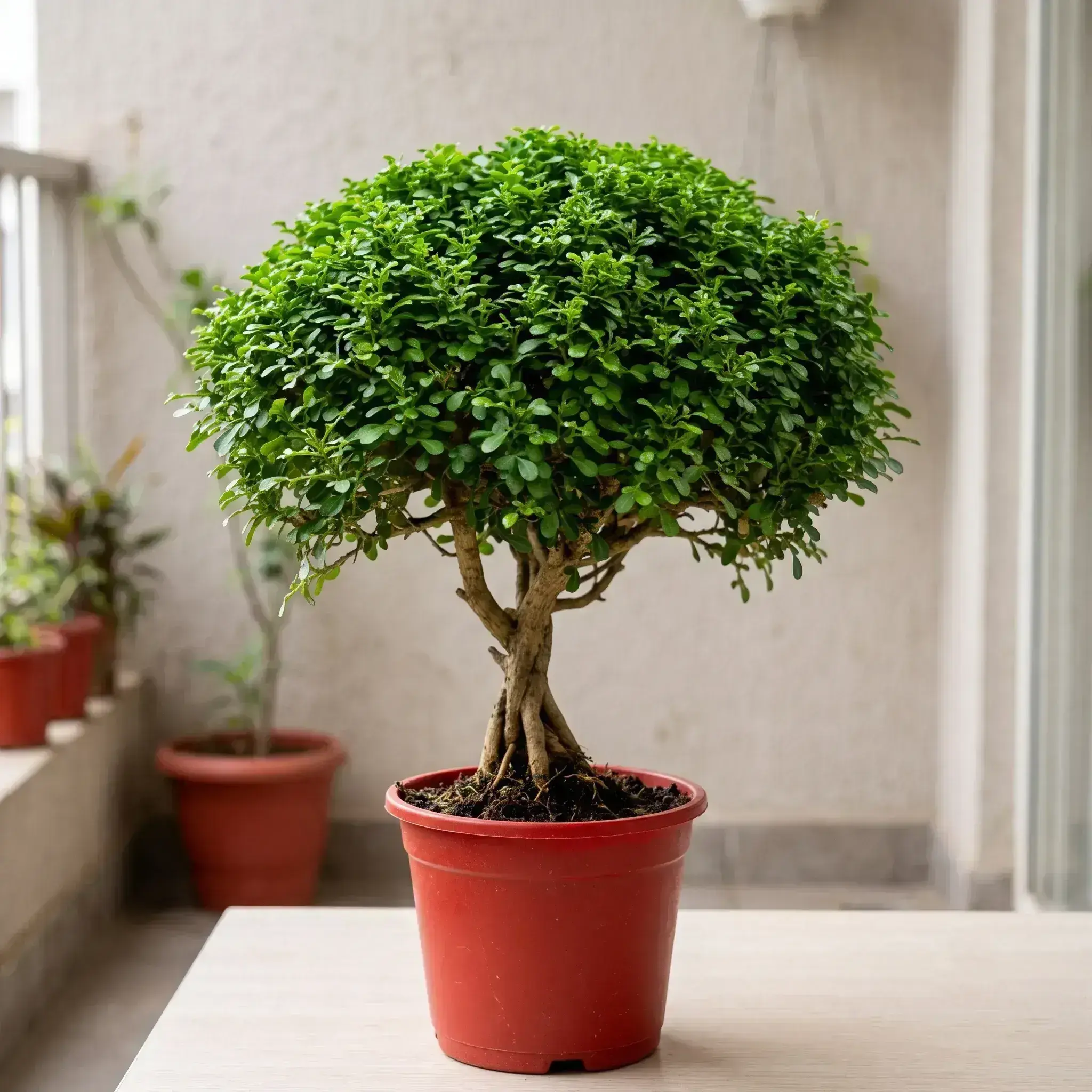
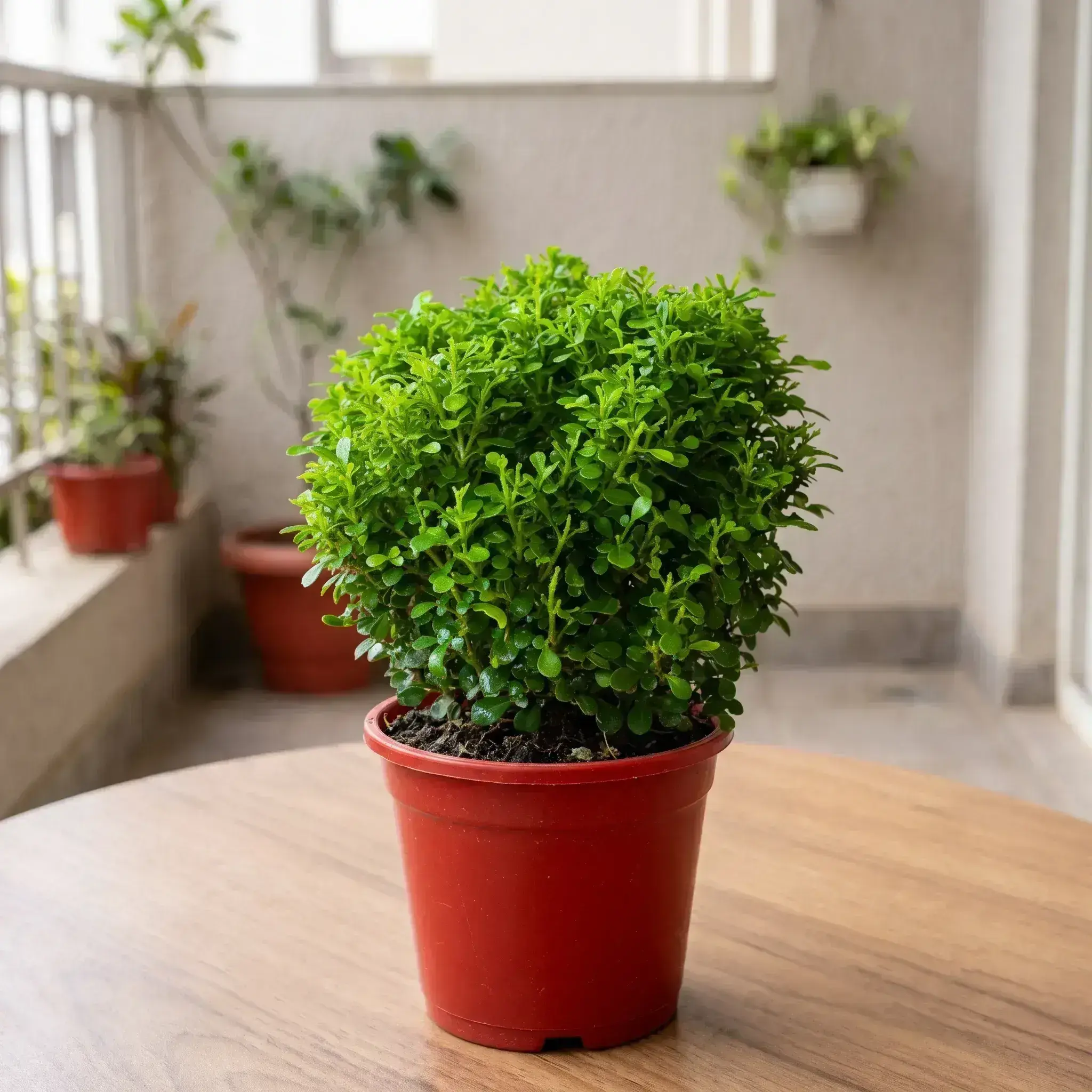
The Table Kamini Plant Also known As Table Kamini Flower (Murraya Paniculata) Plant is a beautiful green ornamental shrub known for its small, glossy leaves and sweet-smelling white flowers. It is a popular garden plant in India and is also known as Kamini, Orange Jasmine and Orange Jessamine.
This plant can be grown in pots, home gardens, balconies and outdoor spaces. With regular pruning, it can be maintained in a neat, compact shape, making it suitable for decorative pots and garden arrangements.
One of its best features is its lovely fragrance. When the plant flowers, its small white blooms release a pleasant scent that can make the garden feel fresh and beautiful.
Plant Highlights
-
Common Name: Kamini, Table Kamini, Orange Jasmine, Orange Jessamine
-
Scientific Name: Murraya paniculata (L.) Jack
-
Family: Rutaceae (Citrus Family)
-
Plant Type: Evergreen flowering shrub
-
Growth Habit: Bushy and branching
-
Foliage Colour: Dark green
-
Flower Colour: White
-
Flower Fragrance: Sweet and orange-like
-
Fruit: Small red berries
-
Origin: Tropical and subtropical Asia
-
Best Uses: Home garden, office, balcony, patio, decorative pots and garden borders
About the Table Kamini Plant
The Kamini Plant is a popular evergreen flowering shrub found in many Indian gardens. It is loved for its glossy green leaves and small white flowers.
The flowers have a pleasant fragrance that is similar to orange blossoms. When the plant produces flowers, its sweet smell can be noticed around the garden.
The plant has many small branches and can develop into a thick, bushy shrub. Regular trimming helps maintain a neat and compact shape.
The name Table Kamini is commonly used by nurseries for plants maintained in a smaller decorative shape. It does not necessarily mean that it is a separate botanical variety. Its final shape depends on the plant’s age, growing conditions and pruning.
Plant Appearance and Growth
The Table Kamini has small, glossy green leaves arranged along its branches. Each leaf is made up of several smaller leaflets.
Its dense green foliage gives the plant a fresh and attractive appearance throughout the year in suitable growing conditions.
Small white flowers grow in clusters near the ends of the branches. They have a sweet fragrance and are one of the main attractions of this plant.
After flowering, the plant may produce small oval fruits that turn red when mature.
With suitable care, it can grow into a full shrub. Pruning can help maintain a rounded, compact or decorative shape.
Flowering and Fragrance
The beautiful white flowers are one of the best features of the Kamini Plant.
The flowers have a pleasant orange-like fragrance. They can attract bees and other pollinating insects.
The plant may flower several times during the year when it receives suitable sunlight and care. Flowering can vary depending on the weather, plant age, sunlight and pruning.
Tips to encourage flowering:
-
Provide enough natural sunlight.
-
Avoid keeping the plant in deep shade.
-
Use well-drained soil.
-
Water according to the soil condition.
-
Avoid excessive fertilizer.
-
Do not trim away new flower-bearing shoots too frequently.
Sunlight Requirements
The Kamini Plant grows best in full sunlight or partial shade. Good sunlight helps the plant produce healthy leaves and more flowers.
For better flowering, choose a location where the plant receives several hours of sunlight each day.
Good places to keep this plant:
-
Home garden
-
Sunny balcony
-
Open terrace
-
Near the main entrance
-
Garden pathway
-
Bright office entrance
-
Outdoor decorative planter
In very hot Indian summers, some afternoon shade can help protect young plants from excessive heat.
If you keep it inside an office, place it near a bright window or in a location with good natural light. A dark office corner may not support healthy growth and flowering.
Watering Requirements
The Kamini Plant likes regular watering, especially during active growth. However, it does not like waterlogged soil.
Water the plant when the upper layer of soil starts to feel dry.
Watering tips:
-
Check the soil before watering.
-
Water deeply around the base of the plant.
-
Allow extra water to drain from the pot.
-
Do not leave the pot standing in collected water.
-
Water more often during hot and dry weather when needed.
-
Reduce watering during cooler weather.
-
During the monsoon, check the soil before adding more water.
The watering requirement depends on the weather, pot size and growing location.
Soil and Potting Requirements
The Kamini Plant grows well in fertile, loose and well-drained soil.
Good soil helps the roots grow properly and supports healthy leaves and flowers.
A suitable home potting mix can contain:
-
Garden soil
-
Compost or well-rotted organic matter
-
Cocopeat
-
Coarse sand or perlite for better drainage
Use a pot with drainage holes at the bottom.
For garden planting, choose a place where rainwater does not collect around the roots.
Temperature and Indian Climate
The Kamini Plant is suitable for warm tropical and subtropical conditions. It can grow well in many parts of India.
It is a good choice for gardens in West Bengal and other warm regions when provided with suitable sunlight and drainage.
Summer: Water according to soil moisture and protect young plants from extreme afternoon heat.
Monsoon: Make sure excess rainwater can drain away. Avoid keeping the pot in standing water.
Winter: Growth and flowering may slow down in cooler weather. Protect young plants from unusually cold conditions.
The plant generally performs well in warm weather with good natural light.
Fertilizer and Plant Feeding
The Kamini Plant benefits from regular but moderate feeding.
You can use a balanced garden fertilizer during its active growing period. A suitable flowering plant fertilizer can also be used according to the instructions on its package.
Well-rotted compost can be added to the soil to improve its quality.
Fertilizer tips:
-
Feed during active growth.
-
Follow the recommended fertilizer quantity.
-
Avoid excessive nitrogen fertilizer.
-
Do not apply fertilizer to very dry soil.
-
Avoid heavy feeding when the plant is stressed.
Too much fertilizer can encourage leafy growth without necessarily improving flowering.
Pruning and Maintenance
The Kamini Plant responds well to pruning. Regular trimming helps maintain its shape and encourages branching.
You can trim the plant into a rounded, compact or bushy shape depending on your garden design.
Pruning tips:
-
Remove dry and damaged branches.
-
Trim branches that grow outside the desired shape.
-
Use clean gardening scissors.
-
Avoid cutting away too many healthy branches at once.
-
Reduce trimming when flower buds are developing if you want more flowers.
Light pruning after a flowering period can help maintain the plant’s shape while allowing new growth to develop.
Growing Table Kamini in Pots
The Table Kamini is suitable for container gardening. It can be grown in decorative pots and placed in suitable outdoor or bright indoor locations.
Choose a pot with enough space for root growth and proper drainage.
Regular light pruning can help keep the plant compact and attractive.
As the plant grows, it may need a larger pot. Repot it when the roots become crowded or start growing through the drainage holes.
Home and Office Decoration
The Table Kamini Plant is a lovely choice for home and office decoration.
Its small green leaves and white fragrant flowers give it a fresh and natural appearance.
It can be placed in:
-
Home garden corners
-
Balcony planters
-
Terrace gardens
-
Office entrances
-
Outdoor seating areas
-
Garden pathways
-
Decorative pots near windows
-
Bright office spaces
For indoor office use, choose a place with sufficient natural light. The plant will generally flower better outdoors or in a bright location.
Garden Border and Hedge Planting
The Kamini Plant is also suitable for garden borders and hedges.
Its dense branches can create a green screen when several plants are grown together. Regular pruning helps maintain a neat appearance.
It can also be shaped into rounded bushes and other decorative forms.
For a small home garden, a single plant in a decorative pot can make an attractive feature.
Common Problems and Their Care
1. Yellow Leaves
Yellow leaves may appear because of overwatering, poor drainage or nutrient problems. Check the soil before watering again.
2. Brown or Dry Leaf Tips
Dry leaf tips may develop because of irregular watering, hot weather or other growing problems. Check the soil moisture and protect the plant from extreme heat when necessary.
3. Few or No Flowers
The plant may produce fewer flowers when it does not receive enough sunlight. Move it to a brighter location and avoid excessive trimming of new growth.
4. Slow Growth
Slow growth may happen because of poor sunlight, unsuitable soil or a lack of nutrients. Provide good light, suitable watering and moderate feeding.
5. Aphids and Mealybugs
These small insects may sometimes appear on new shoots and leaves. Check the plant regularly and use a suitable garden pest treatment according to its label instructions.
6. Root Problems
Waterlogged soil can damage the roots. Use a well-drained potting mix and a pot with drainage holes.
Safety Information
The Kamini Plant is grown mainly as an ornamental plant. Its leaves, flowers and berries should not be eaten as food.
Keep the plant away from small children and pets who may chew or swallow plant parts. Do not use the plant for home remedies or medical purposes without reliable professional advice.
Live Plant Delivery and Natural Variation
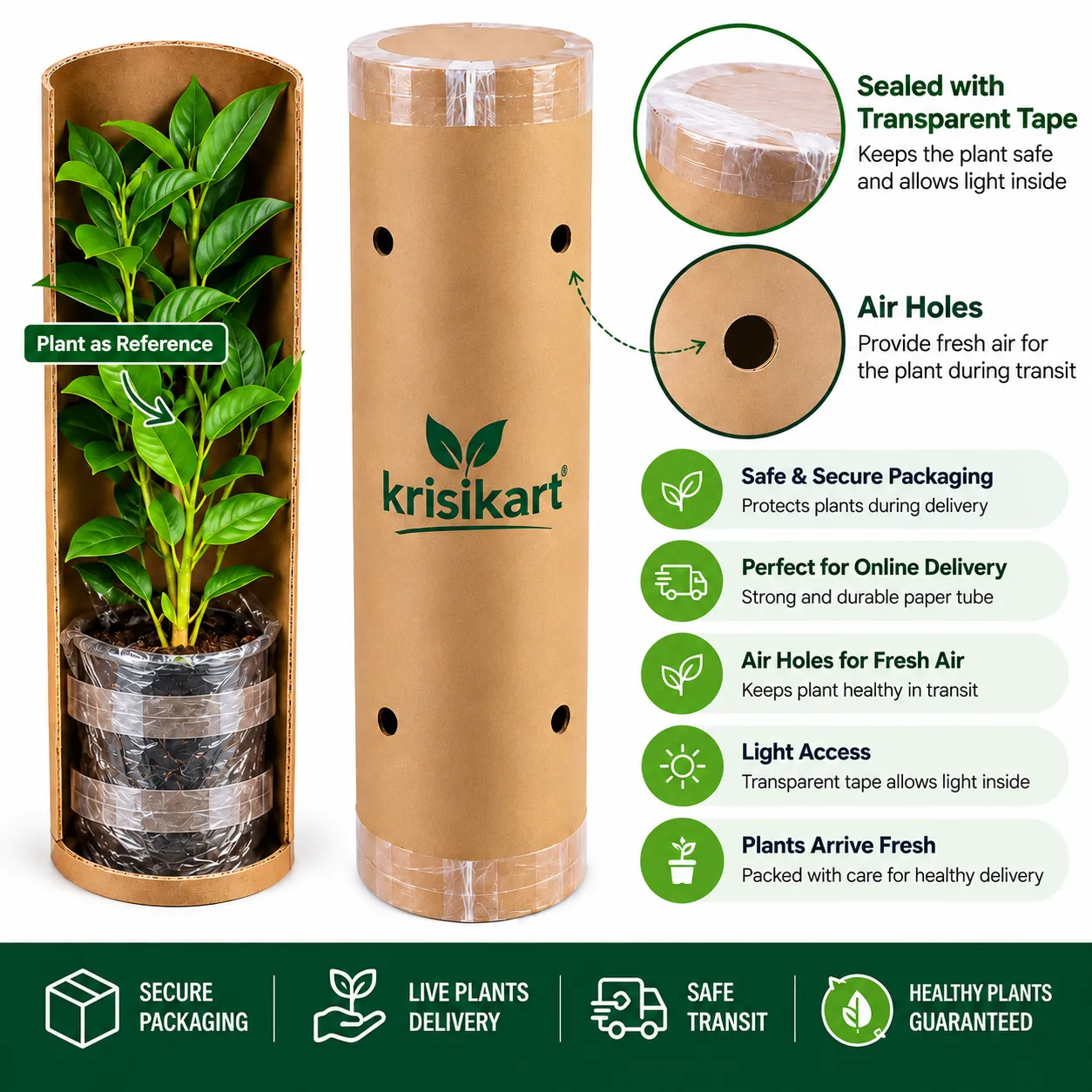
Plants are living products, so their height, branch count, leaf size and overall shape may vary naturally.
The plant you receive may look slightly different from the website photograph. This is normal because each plant grows in its own way.
Some leaves may become yellow or fall during packing and transportation. Flowers may also be absent at the time of delivery because flowering depends on the plant’s growth and season.
After receiving your plant:
-
Carefully remove the packaging.
-
Keep it in a bright place with suitable sunlight.
-
Check the soil before watering.
-
Avoid strong afternoon sunlight immediately after delivery if the plant was kept in shade.
-
Do not add heavy fertilizer immediately.
-
Avoid unnecessary pruning for the first few days.
-
Give the plant time to adjust to its new location.
Why Choose a Table Kamini Plant?
The Table Kamini is a lovely choice for people who want a green flowering shrub for home or office decoration.
-
Attractive glossy green leaves.
-
Beautiful white flowers with a pleasant fragrance.
-
Suitable for home gardens and decorative pots.
-
Can be maintained in a compact shape through pruning.
-
Suitable for garden borders and hedges.
-
Can grow in full sunlight or partial shade.
-
Adds a fresh, natural look to outdoor spaces.
-
A popular flowering shrub for Indian gardens.
Botanical Information & Further Reading
Explore these useful resources to learn more about the Kamini Plant:
-
Kew – Plants of the World Online: Murraya paniculata – Accepted scientific name, family and native distribution.
-
Department of Biotechnology, Government of India – Murraya paniculata – Indian common names, including Bengali Kamini, botanical details and plant description.
-
India Flora Online – Murraya paniculata – Indian plant information, local names and flowering details.
-
India Trees Portal – Murraya paniculata – Information about its growth and natural habitat in India.
-
National Parks Board Singapore – Orange Jasmine – Plant appearance, flowers, fruit, sunlight and growing conditions.
-
University of North Florida – Orange Jasmine – Plant features, fragrance, sunlight and soil requirements.
-
University of Florida – Orange Jasmine Plant Guide – Information about plant growth, flowers, leaves and garden uses.
-
University of Colombo – Etteriya (Murraya paniculata) – Additional information about planting, watering, pruning and pest care.
Frequently Asked Questions (FAQs)
1. What is a Table Kamini Plant?
Table Kamini is a nursery and garden trade name commonly used for a compact or pruned Kamini plant. Its botanical identity is generally Murraya paniculata.
2. Is Kamini the same as Orange Jasmine?
Yes. Kamini and Orange Jasmine are common names for Murraya paniculata. It is not a true jasmine plant.
3. Does the Kamini Plant produce fragrant flowers?
Yes. It produces small white flowers with a sweet, orange-like fragrance.
4. Can I grow Table Kamini in a pot?
Yes. It grows well in suitable pots with good drainage. Regular pruning can help maintain a compact shape.
5. Is Kamini suitable for home gardens in India?
Yes. It is a popular ornamental shrub in India and grows well in suitable warm conditions.
6. Does the Kamini Plant need direct sunlight?
It grows well in full sunlight or partial shade. Good sunlight usually supports better flowering.
7. How often should I water the Kamini Plant?
Water when the upper layer of soil starts to feel dry. Avoid keeping the soil constantly wet.
8. When does the Kamini Plant flower?
It can flower several times during the year under suitable growing conditions. Flowering depends on sunlight, weather, plant age and care.
9. Can I trim Kamini into a round shape?
Yes. The plant responds well to pruning and can be maintained as a rounded bush or compact decorative shrub.
10. Can I keep a Kamini Plant inside my office?
Yes, if the office has enough natural light. A bright location near a window is better than a dark corner. Outdoor plants generally flower better with more sunlight.
11. Does Kamini produce red berries?
Yes. After flowering, the plant may produce small fruits that turn red when mature.
12. Is Table Kamini easy to maintain?
Yes. It needs regular watering, suitable sunlight, well-drained soil and occasional pruning. With basic care, it can grow into a beautiful green shrub.
For More Information
Visit: krisikart.com
For Contact Visit:Contact Us
For Shopping Visit: Shop Page


Reviews
There are no reviews yet.