 Plastic Plant pot | Plastic Garden Pot for Plants
 Self Watering Planters | Self Watering Plant Pots For Plants
Pan Leaf Plant | Bangla Paan Plant (Piper betle) – Yellow Leaf Mitha Pan Plant from Kolkata
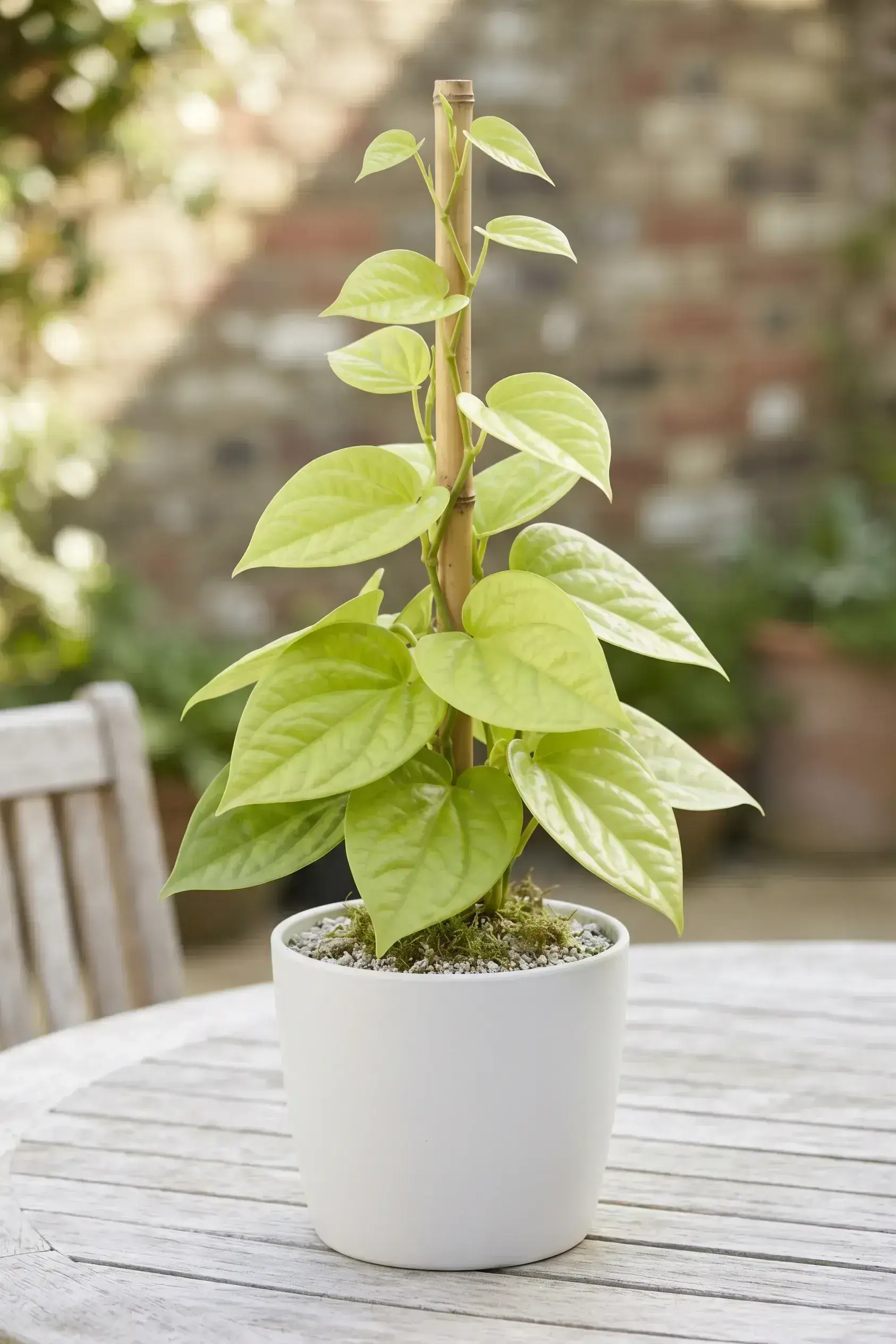
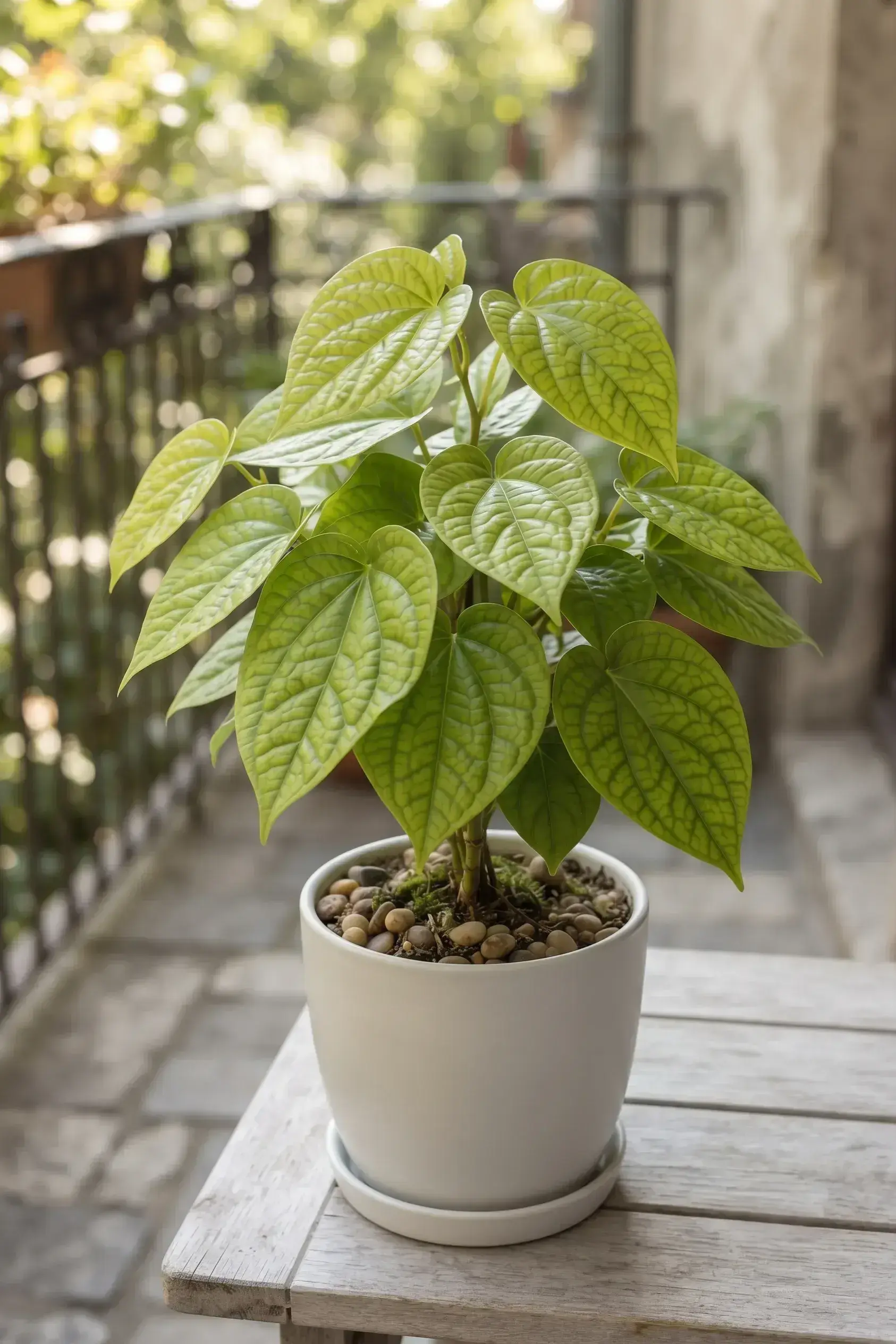
The Bangla Paan Plant (Piper betle). Also known as Betel Leaf Plant, Paan Vine and Yellow Leaves Mitha Pan Live Plant from Kolkata, this attractive tropical climbing plant is grown for its aromatic, heart-shaped leaves.
The Yellow Leaf Mitha Pan Plant is an interesting choice for gardeners who appreciate traditional paan varieties and attractive foliage. Its climbing stems, glossy leaves and lush growth make it suitable for home gardens, balconies, courtyards and large containers.
Native to tropical parts of Asia and widely cultivated in India, the Bangla Paan Plant prefers warm weather, humidity, partial shade and fertile soil. With a suitable support and regular care, it can develop into a beautiful leafy vine.
Plant Highlights
- Product Name: Bangla Paan Plant – Yellow Leaf Mitha Pan
- Common Names: Paan Plant, Betel Leaf Plant, Bangla Paan, Mitha Pan, Meetha Pan
- Botanical Name: Piper betle L.
- Family: Piperaceae
- Plant Type: Evergreen tropical climbing vine
- Leaf Colour: Yellow to golden-green, depending on the supplied foliage form
- Leaf Shape: Heart-shaped
- Leaf Aroma: Characteristic aromatic betel-leaf fragrance
- Growth Habit: Climbing vine
- Sunlight: Partial shade or filtered sunlight
- Watering: Regular; keep soil lightly moist
- Suitable For: Home gardens, balconies, courtyards, pots and trellises
- Plant Origin: Kolkata, West Bengal, as stated in the product listing
About the Bangla Paan Plant
The Bangla Paan Plant belongs to the Piperaceae family. Its botanical name is Piper betle L., and it is a perennial evergreen climbing vine cultivated in India for its aromatic leaves.
In Bengal, paan is an important traditional plant and its leaves are widely recognised for their characteristic aroma and culinary use. Different betel varieties have different leaf shapes, sizes, colours, textures and levels of pungency.
Mitha Pan, also called Meetha Pan, is a recognised betel-leaf type. It is valued for its comparatively mild taste and is used in traditional paan preparations.
The plant develops climbing stems with roots that can emerge from the nodes. These roots help the vine attach to suitable supports as it grows.
Yellow Leaf Mitha Pan – Appearance and Growth Habit
The Yellow Leaf Mitha Pan Plant is valued for its attractive foliage and climbing growth.
Its main features include:
- Heart-shaped leaves
- Attractive yellow or golden-green foliage in the golden-leaf form
- Visible leaf veins
- Climbing stems with rooting nodes
- Dense leafy growth under suitable conditions
- Evergreen foliage in favourable tropical weather
The leaf colour may vary depending on the plant’s genetic characteristics, age, sunlight and growing conditions.
Important: Naturally golden foliage should be distinguished from ordinary green leaves that turn yellow because of overwatering, nutrient deficiency, root damage or other plant stress. Confirm the foliage characteristics of the actual nursery stock before describing every plant as a golden-leaf cultivar.
Bangla Paan Plant – Leaf Characteristics
The leaves are the most important feature of the Bangla Paan Plant.
Betel leaves are generally heart-shaped, smooth and aromatic. Their size, colour, thickness and flavour vary between different regional varieties.
Mitha Pan is traditionally associated with a milder flavour than more pungent betel varieties. The exact taste and aroma depend on the plant’s variety, maturity and growing conditions.
For healthy foliage, provide sufficient humidity, filtered light, regular moisture and fertile soil.
Sunlight Requirements
The Bangla Paan Plant grows well in partial shade and filtered sunlight.
For healthy growth:
- Provide bright indirect light or filtered sunlight.
- Morning sunlight is generally suitable.
- Protect the plant from strong afternoon sunlight.
- Avoid keeping it in a completely dark location.
- Maintain good airflow around the leaves.
Excessive direct sunlight, especially during hot Indian summers, can cause leaf scorching and wilting.
If the plant has naturally golden foliage, observe its response to light and avoid sudden changes in growing conditions.
Watering Requirements
The Paan Leaf Plant prefers consistently moist soil during active growth. It does not like prolonged dryness, but waterlogging can damage its roots.
- Water when the upper layer of soil begins to dry.
- Check soil moisture regularly during summer.
- Reduce watering during rainy weather.
- Do not allow water to collect inside the pot.
- Maintain good drainage around the roots.
The soil should remain lightly moist rather than continuously saturated.
Soil and Potting Requirements
The Bangla Paan Plant grows well in fertile soil rich in organic matter.
A suitable potting mixture can include:
- 35% garden soil
- 30% compost or well-rotted organic manure
- 20% cocopeat or leaf mould
- 15% coarse sand or another drainage-improving material
Adjust the mixture according to local soil conditions. The main requirement is a balance between moisture retention and proper drainage.
Choose a container with drainage holes. A medium to large pot is suitable for establishing the vine, especially when a climbing support is provided.
Growing Bangla Paan in the Indian Climate
The Paan Leaf Plant is suited to warm, humid tropical conditions and can grow well in many parts of India.
Summer: Keep the plant in partial shade and water regularly according to soil moisture. Protect tender leaves from hot afternoon sunlight and dry winds.
Monsoon: The humid weather supports leafy growth. However, ensure excess rainwater drains away from the roots to prevent root and stem problems.
Winter: Growth may slow in cooler weather. Reduce watering when the soil takes longer to dry and protect the plant from prolonged cold.
In West Bengal, the warm and humid climate can support healthy betel-vine growth. A shaded outdoor location with good drainage is particularly suitable.
Temperature and Humidity
The Bangla Paan Plant prefers warm and humid conditions.
- Climate: Tropical and subtropical
- Preferred Conditions: Warm weather with good humidity
- Sunlight: Partial shade or filtered light
- Humidity: Moderate to high humidity
- Cold Protection: Protect from prolonged cold and frost
- Air Circulation: Maintain gentle airflow around the foliage
Hot, dry winds can damage tender leaves. During dry weather, maintain suitable humidity without keeping the foliage and soil continuously wet.
Support for Climbing Growth
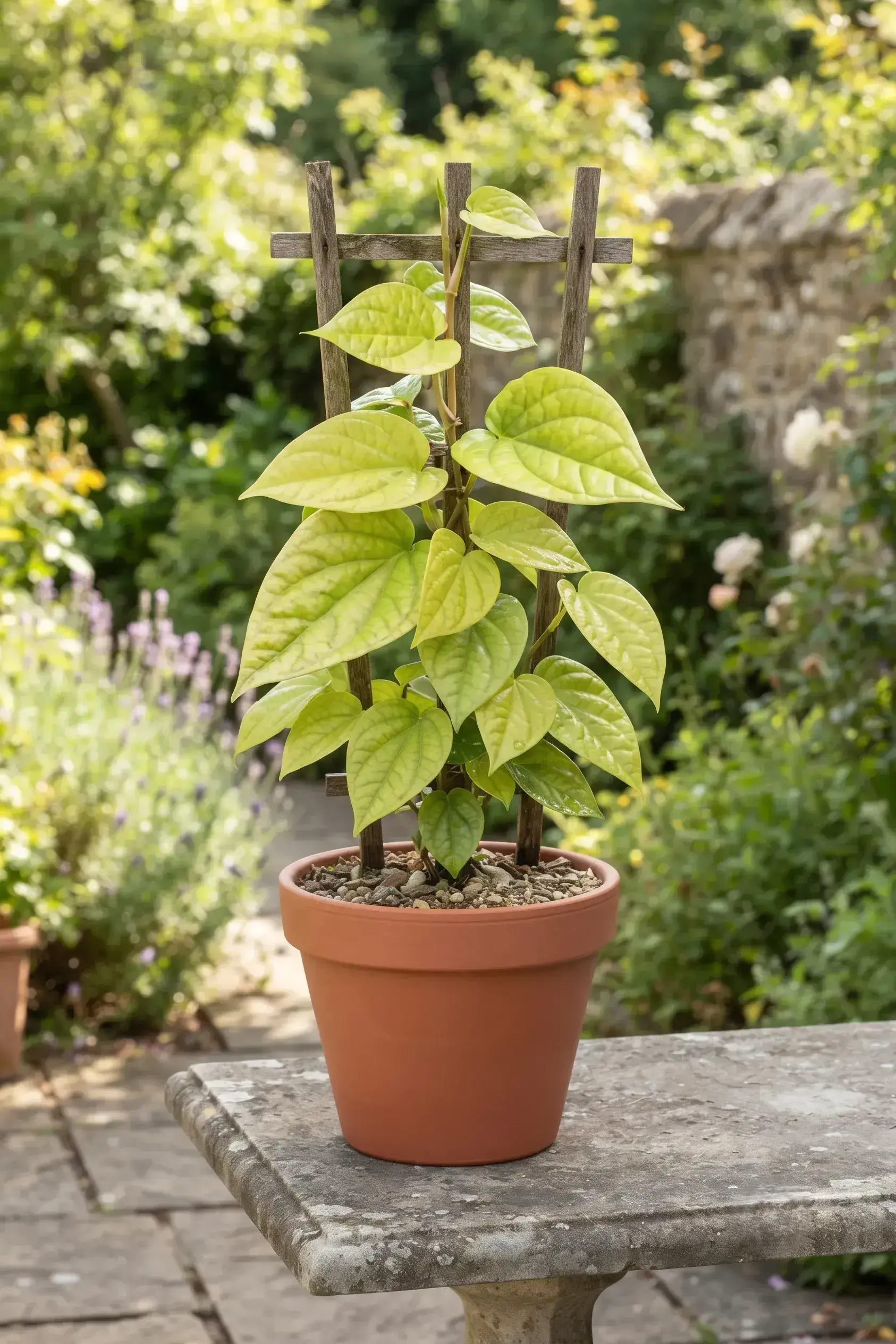
The Paan Leaf Plant is a climbing vine and grows better when suitable support is provided.
You can use:
- Bamboo sticks
- Wooden poles
- Moss poles
- Garden trellises
- Vertical plant supports
- Suitable garden structures
Tie the growing stem gently to the support when necessary. Avoid tying it too tightly because the stem needs room to expand.
A suitable climbing support encourages upright growth and makes it easier to maintain the plant.
Fertilizer and Nutrition
The Bangla Paan Plant benefits from fertile soil and regular organic nutrition.
For healthy foliage:
- Add compost or well-rotted cow dung manure.
- Use vermicompost in moderate quantities.
- Apply a balanced fertilizer according to its label.
- Feed during active growing periods.
- Avoid excessive fertilizer application.
- Do not apply concentrated fertilizer directly against the stem.
If naturally golden leaves become pale or develop unusual yellow patches, first check sunlight, watering and root health before adding more fertilizer.
Growing Mitha Pan in Pots
The Mitha Pan Plant is suitable for growing in containers, balconies and small home gardens.
For successful pot cultivation:
- Choose a container with drainage holes.
- Fill it with fertile, moisture-retentive but well-draining soil.
- Place the pot in partial shade or filtered sunlight.
- Provide a bamboo stick or trellis for climbing.
- Water according to soil moisture.
- Add compost periodically during active growth.
- Prune excessive or damaged growth when necessary.
Container growing makes it easier to manage the vine and control its growing environment.
Pruning and Maintenance
Regular maintenance helps the Paan Leaf Plant remain healthy and produce fresh foliage.
- Remove dry or damaged leaves.
- Trim excessively long stems when needed.
- Guide new growth along the support.
- Remove weak or unhealthy shoots.
- Keep the surrounding area clean.
- Avoid excessive pruning of healthy growing tips.
Pruning can encourage branching and help maintain a manageable shape.
Propagation
The Bangla Paan Plant is commonly propagated through stem cuttings.
Stem Cutting Method:
- Select a healthy stem with approximately 3–5 nodes.
- Cut a suitable section using a clean cutting tool.
- Remove leaves from the lower portion if necessary.
- Place the lower nodes in a moist nursery medium.
- Keep the cutting in a warm, humid location with indirect light.
- Maintain moisture without waterlogging.
- Transplant after healthy roots develop.
Stem cuttings are generally preferred because they help maintain the characteristics of the parent plant.
Common Problems and Plant Care
1. Yellowing Leaves
Yellowing may result from excessive watering, poor drainage, nutrient deficiency, insufficient light or natural leaf ageing. If the plant is a golden-leaf form, some yellow colour may be natural. Compare new and old leaves before deciding that the plant is unhealthy.
2. Brown Leaf Edges
Dry air, hot sunlight, irregular watering or salt accumulation in the soil can cause brown leaf edges. Protect the plant from harsh afternoon sunlight and maintain suitable moisture.
3. Wilting Leaves
Wilting can occur due to dry soil, root damage or excessive heat. Check the soil before watering and protect the plant from hot winds.
4. Slow Growth
Insufficient light, poor soil nutrition, unsuitable temperature or lack of climbing support can affect growth. Improve the growing conditions gradually.
5. Root and Stem Rot
Poor drainage and continuously wet soil can encourage fungal problems. Use well-draining soil and avoid overwatering.
6. Pest Problems
Betel vines can be affected by mealybugs, scale insects, whiteflies and mites. Inspect the leaves and stems regularly. Use an appropriate plant treatment according to its label when necessary.
Is the Bangla Paan Plant Suitable for Home Gardens?
Yes. The Bangla Paan Plant is a traditional and attractive climbing vine for home gardens.
It is suitable for:
- Home gardens
- Balcony gardening
- Courtyard gardens
- Shaded outdoor areas
- Large decorative pots
- Bamboo and wooden supports
- Kitchen gardens
- Vertical gardening
Its attractive foliage and climbing habit make it useful for gardeners who want to grow traditional Indian plants at home.
Can Paan Leaves Be Used for Traditional Paan?
Yes. Betel leaves from Piper betle are traditionally used to prepare paan in India and other parts of Asia.
The leaves are commonly combined with ingredients such as areca nut, lime and other flavourings according to regional traditions.
However, chewing areca nut, particularly with tobacco, is associated with serious health risks. Betel leaves should not be considered a way to make these combinations safe.
If you plan to use leaves for food, harvest only correctly identified, clean leaves from plants grown with suitable, food-safe gardening practices. Follow the label and harvest restrictions of any pesticide or treatment used.
Live Bangla Paan Plant Delivery Information
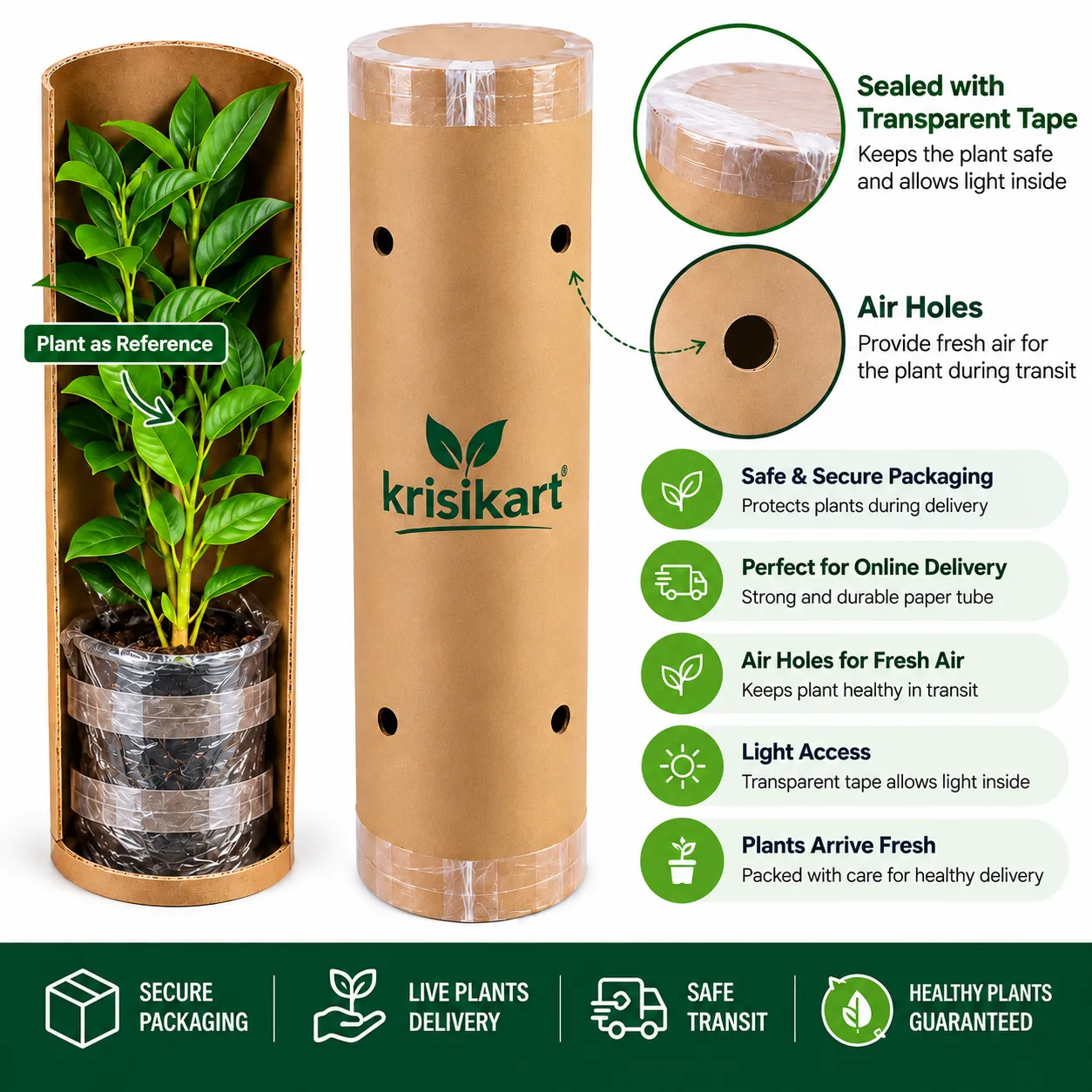
- You will receive a live Bangla Paan Plant.
- The product is listed as a Yellow Leaf Mitha Pan plant from Kolkata.
- Natural differences in plant height, leaf size and colour may occur.
- Some leaves may become yellow or slightly damaged during transportation.
- After delivery, keep the plant in a bright, partially shaded location.
- Provide climbing support as the vine develops.
- Check soil moisture before watering.
- Avoid heavy fertilizer application or unnecessary pruning immediately after delivery.
Plant growth, leaf colour and foliage production depend on the plant’s variety, sunlight, humidity, watering, soil and general care.
Why Choose the Bangla Paan Plant for Your Garden?
The Bangla Paan Plant combines traditional value with attractive tropical foliage. Its climbing growth habit, aromatic leaves and suitability for container gardening make it a rewarding plant for home gardeners.
The Mitha Pan type is particularly interesting for people who enjoy growing traditional Bengali garden plants. With partial shade, fertile soil, regular moisture and suitable support, it can develop into a healthy leafy vine.
Botanical Information & Further Reading
- Kew Science – Plants of the World Online: Piper betle
- Tamil Nadu Agricultural University – Betelvine Cultivation
- APEDA – Advisory and Important Betel Leaf Varieties in India
- National Institute of Plant Health Management – Betelvine IPM Package
- ICAR Research – Genetic Diversity of Indian Betel Vine
- PROSEA – Piper betle Botanical and Cultivation Information
- National Parks Board Singapore – Golden Form of Piper betle
Frequently Asked Questions (FAQs)
1. What is the botanical name of the Bangla Paan Plant?
The botanical name is Piper betle L. It belongs to the Piperaceae family.
2. What is Mitha Pan?
Mitha Pan, also called Meetha Pan, is a recognised type of betel vine grown for its leaves, which are known for their comparatively mild flavour.
3. Is the Bangla Paan Plant suitable for growing in Kolkata?
Yes. The warm and humid climate of Kolkata and other parts of West Bengal can support betel-vine growth. Provide partial shade, fertile soil and good drainage.
4. Does the Paan Leaf Plant need direct sunlight?
It generally grows well in partial shade or filtered sunlight. Protect the leaves from strong afternoon sunlight.
5. Can I grow a Bangla Paan Plant in a pot?
Yes. It can be grown in a container with drainage holes. Provide a bamboo stick, moss pole or trellis for climbing support.
6. Why are the leaves of my Paan Plant yellow?
Yellow leaves may be natural in a golden-leaf form. However, ordinary green betel vines can also develop yellow leaves because of overwatering, poor drainage, nutrient problems or unsuitable sunlight.
7. Does the Mitha Pan Plant need a climbing support?
Yes. It is a climbing vine and grows better when it has a suitable support such as bamboo, a wooden pole or a trellis.
8. How often should I water the Paan Leaf Plant?
Water when the upper layer of soil begins to dry. Keep the soil lightly moist, but avoid waterlogging.
9. How can I propagate the Bangla Paan Plant?
It is commonly propagated through stem cuttings containing approximately 3–5 nodes. Healthy cuttings can develop roots in a suitable moist nursery medium.
10. Can I harvest leaves from the Mitha Pan Plant?
Yes. Established plants can produce leaves for harvesting. Take only healthy, mature leaves and avoid removing too many leaves at once.
11. Is the Bangla Paan Plant evergreen?
Yes. Piper betle is a perennial evergreen vine in suitable tropical growing conditions.
12. Can the Paan Leaf Plant grow indoors?
It can be maintained indoors near a bright window with indirect light and suitable humidity. However, it generally performs better in a bright, partially shaded outdoor location.
13. What type of soil is best for the Mitha Pan Plant?
Fertile, organic-rich soil that retains some moisture while draining excess water is suitable for healthy growth.
14. Is the Yellow Leaf Mitha Pan Plant the same as ordinary green Paan?
Both may belong to the species Piper betle, but leaf colour can differ between forms and cultivars. Confirm that the nursery stock is a naturally yellow or golden-leaf form rather than an ordinary green plant with yellowing leaves.
For More Information
Visit: krisikart.com
For Contact Visit:Contact Us
For Shopping Visit: Shop Page


Kiran Kumar –
Trusted website for buying plants.
Great quality and excellent service.
Kiran Kumar –
I am satisfied with the plant quality.
Will shop here again.