 Plastic Plant pot | Plastic Garden Pot for Plants
 Self Watering Planters | Self Watering Plant Pots For Plants
Khejri Plant | Shami Plant (Prosopis cineraria) Plant
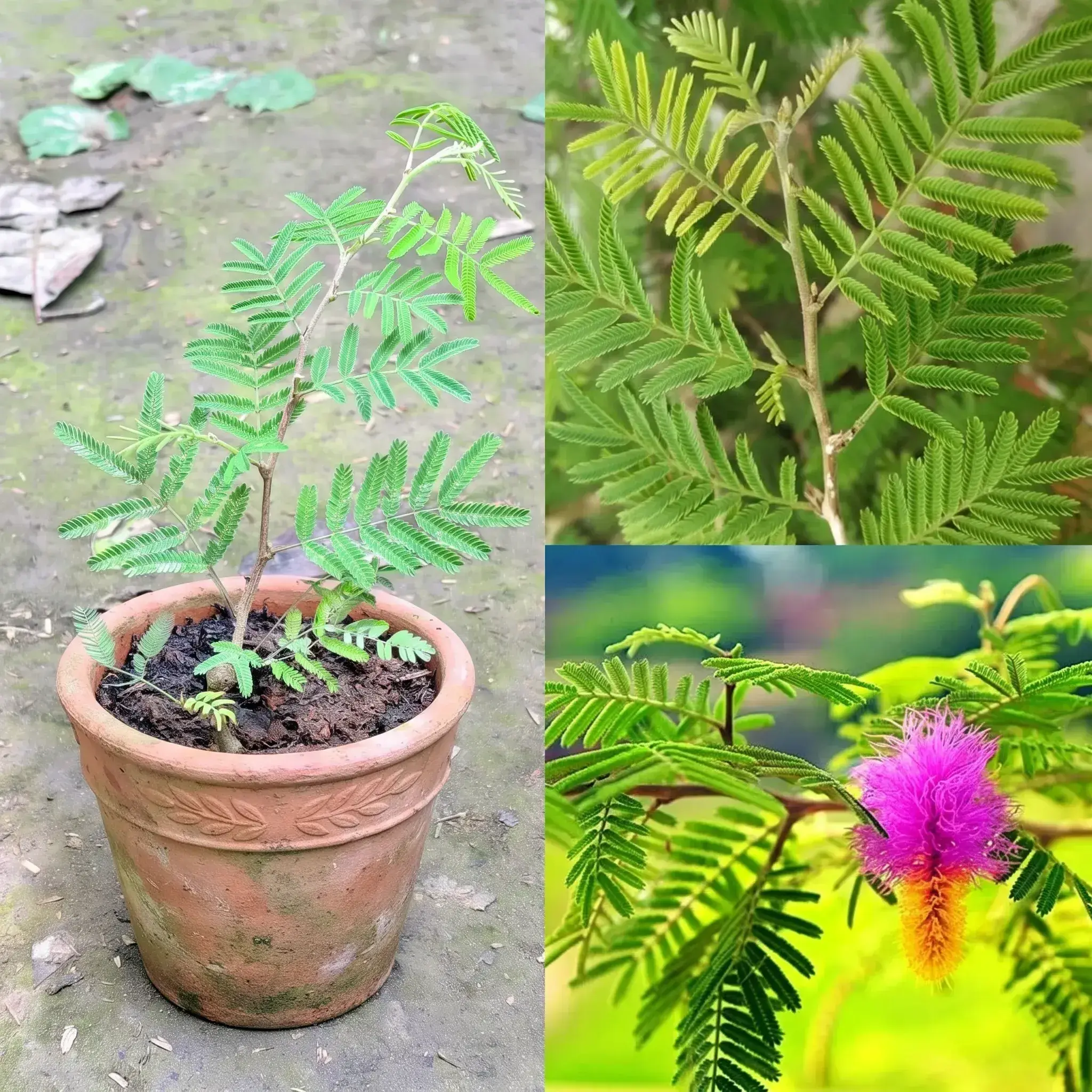
The Khejri Plant, also widely known as the Shami Plant, is one of India’s most revered, drought-resilient native trees, celebrated for its deep ecological value, cultural importance, and ability to thrive in dry, challenging soils. Botanically classified as Prosopis cineraria (and sometimes listed under the older synonym Prosopis spicigera), this member of the legume family Fabaceae is the State Tree of Rajasthan and is deeply woven into Indian traditions and dryland agriculture.
Known for its fine, feathery foliage, light dappled shade, and extraordinary heat and drought tolerance, the Khejri Plant or Shami Plant is grown in courtyard gardens, farmhouses, temple premises, and spacious outdoor landscapes across India. While a young sapling can be started in a container, it is naturally a deep-rooted tree that performs best when planted in open ground or large outdoor spaces with full sunlight.
Plant Highlights
- Product Name: Khejri Plant | Shami Plant (Prosopis cineraria) Plant for Home Garden
- Common Name: Khejri, Shami, Jand, Jandi, Khejur, Semi, Vanni Maram
- Botanical Name: Prosopis cineraria (synonym: Prosopis spicigera)
- Family: Fabaceae (Leguminosae / Pea family)
- Plant Type: Slow-to-moderately growing, evergreen to semi-evergreen thorny perennial tree
- Origin: Arid and semi-arid regions of India, Pakistan, Afghanistan, Iran, and the Arabian Peninsula
- Flower Colour: Pale yellow to creamy-yellow flowers borne in slender spikes
- Fruit Colour: Slender, slightly flattened, curved pods (known as sangri when tender) that mature from green to brown
- Foliage: Fine, bipinnate (feathery) compound leaves with small leaflets that cast a light, airy shade
- Growth Habit: Upright to spreading tree with slender branches and short, scattered prickles or thorns
- Mature Height: Typically 8 to 12 meters (26 to 40 feet) or taller in open ground over time, with a very deep taproot system
- Sunlight: Full, direct sunlight
- Watering: Low once established; requires regular moisture during early establishment and well-drained soil
- Suitable For: Spacious home gardens, farmhouses, courtyards, dryland landscapes, and large containers while young
About the Khejri Plant
Prosopis cineraria belongs to the legume family Fabaceae and is indigenous to the dry zones of northwestern India—especially Rajasthan, Gujarat, Haryana, and Punjab—as well as neighboring arid regions. Often called the “Golden Tree” or “Wonder Tree” of arid landscapes, it holds a special place in Indian culture and is traditionally honored as the sacred Shami tree.
Unlike the introduced, invasive Prosopis juliflora (vilayati babool), Prosopis cineraria is a native species valued for soil enrichment, shade, and harmony with surrounding vegetation. Because it is a leguminous tree, it associates with soil bacteria and sends a deep taproot down toward subsoil moisture, allowing it to endure harsh dry seasons.
Appearance and Growth Habit
The Khejri Plant develops a rough, greyish-brown bark and an irregular to spreading crown of slender branches. Young shoots and branches typically bear short, scattered, conical thorns or prickles, so care is needed when handling or pruning.
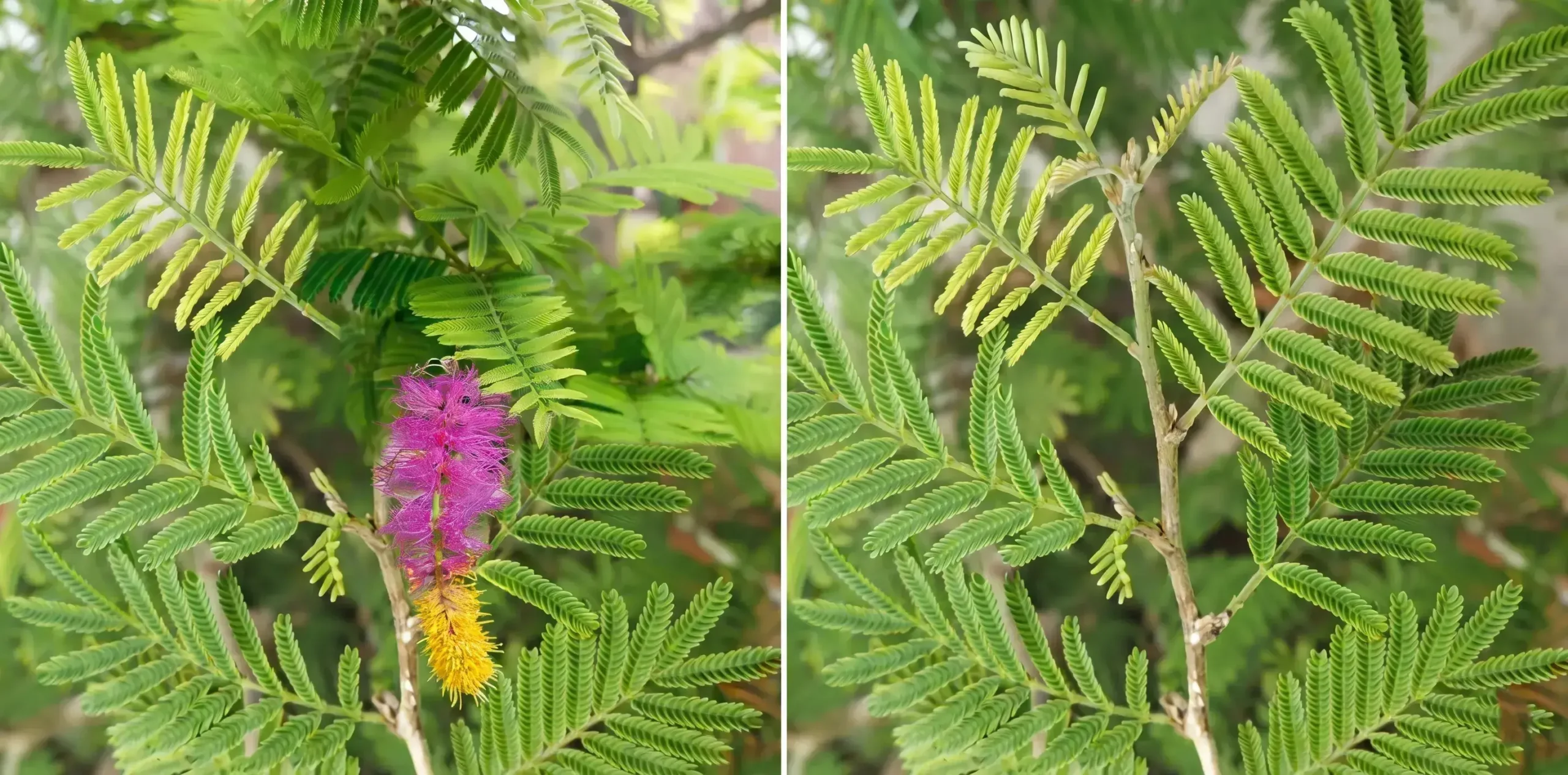
Its leaves are bipinnately compound with small, narrow leaflets arranged along delicate pinnae. This fine leaf structure creates a light, filtered shade rather than a heavy, dark canopy, allowing companion plants or grass underneath to receive some sunlight. Above-ground growth is often gradual in the early years while the root system establishes deep into the soil, eventually reaching roughly 8 to 12 meters or more in open ground.
Flowers and Flowering Season
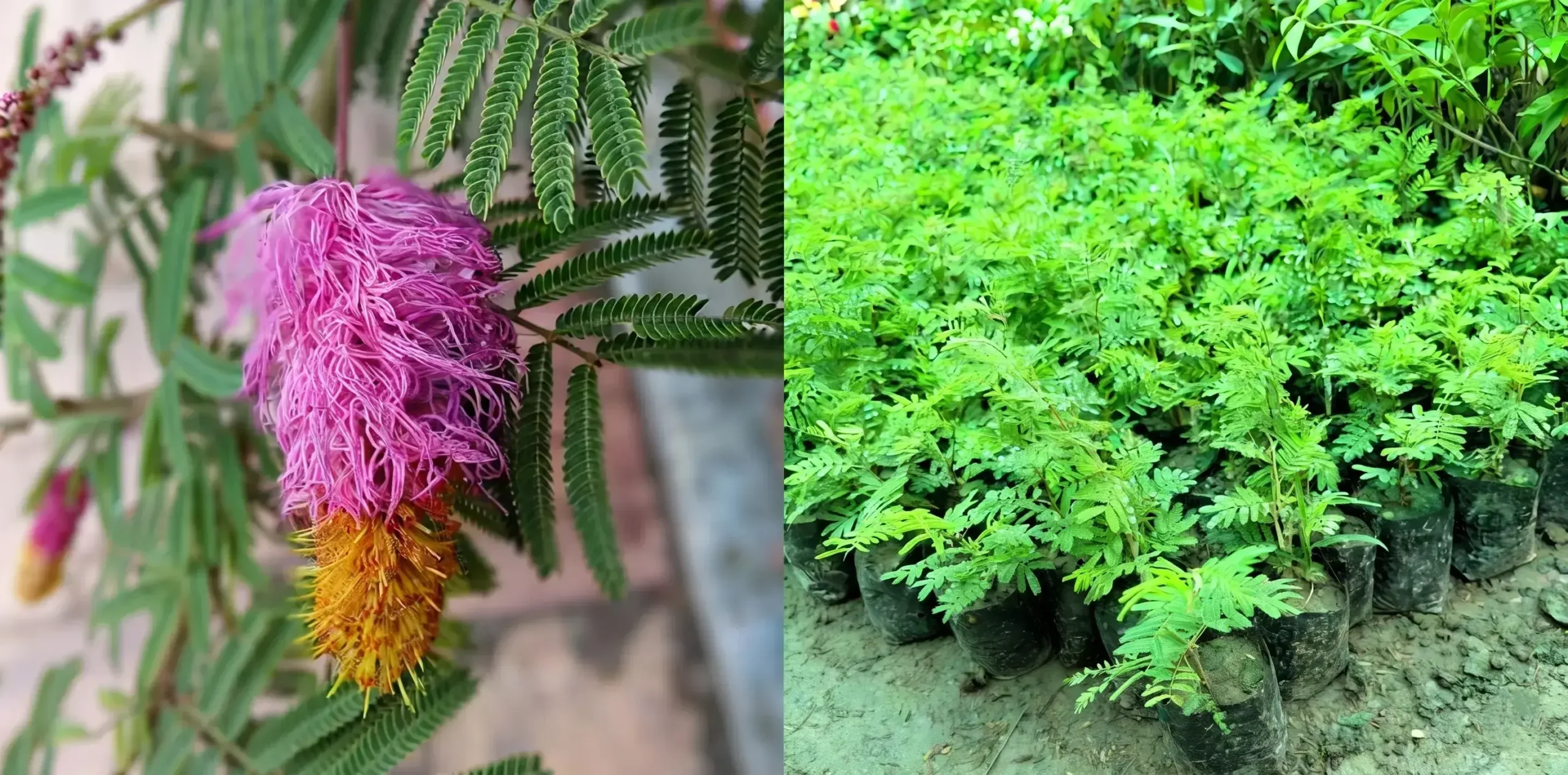
Prosopis cineraria produces small, pale yellow flowers arranged in slender, elongated spikes. Flowering generally takes place during the dry, warmer months of spring and early summer (commonly around February to April depending on regional climate).
Because the flowers are delicate and borne in thin spikes, they offer a subtle, natural seasonal display rather than showy oversized blooms. Healthy sunlight, warm temperatures, and mature tree vigor support flowering, while heavy shade or severe stress can reduce bloom intensity.
Fruits and Harvest
Following flowering, the tree produces narrow, slender, slightly curved or flattened pods. In arid regions of India, young tender pods—known locally as sangri—are harvested before they harden and are used in traditional regional dishes, pickles, and dried vegetable preparations.
As the pods mature, they turn brown and contain small seeds. Fruiting in a home garden depends on tree maturity, healthy flowering, local pollinators, and suitable warm, dry conditions; fruiting and harvest yields are never guaranteed, especially on young or pot-grown plants.
Sunlight Requirements
The Khejri Plant is a sun-loving tree that thrives in full, direct sunlight throughout the day. Plant it in an open, sunny spot receiving at least 6 to 8 hours of direct sun.
In Indian gardens, full sun keeps the foliage healthy and supports sturdy growth. Avoid planting it in deeply shaded corners or under dense tree cover where light is blocked.
Watering Requirements
Although famous for surviving arid conditions once established, the Khejri Plant still needs thoughtful watering—especially when young.
Watering During Establishment and Summer
Keep the soil evenly moist—not waterlogged—during the first few months after planting so young roots establish well. During hot Indian summers, water young or potted plants whenever the top few centimeters of soil dry out, and give established ground trees periodic deep watering during prolonged dry spells.
Watering During Monsoon and Winter
During the monsoon, natural rainfall usually supplies enough moisture, so avoid unnecessary extra watering and make sure water does not pool around the base. In winter, growth slows and moisture evaporates more slowly, so check the soil and water sparingly only when dry.
Soil and Potting Requirements
Prosopis cineraria is remarkably adaptable to sandy, loamy, and alkaline or slightly saline soils, provided drainage is good. Heavy, waterlogged soil that stays soggy for days can harm the roots.
Suggested Potting Mixture for Young Plants
If growing a young Khejri Plant or Shami Plant in a container before ground planting, a suggested potting mix is 50% well-draining sandy garden soil, 25% coarse river sand or grit for drainage, and 25% well-decomposed compost or vermicompost. Ensure the container has clear drainage holes at the bottom.
Growing the Plant in the Indian Climate
As a native arid and semi-arid species, the Khejri Plant excels in warm, dry, and sunny parts of India such as Rajasthan, Gujarat, Haryana, and Punjab.
Summer Care
High summer heat and dry air suit this tree well once its roots are established. Keep young saplings hydrated during extreme heatwaves and protect newly planted root zones with organic mulch.
Monsoon Care
In warm, humid areas such as West Bengal, Kolkata, and coastal regions, the plant can tolerate seasonal rain if the soil drains quickly and air circulates freely around the canopy. However, it is naturally adapted to drier climates and does not want stagnant, waterlogged soil during heavy rains.
Winter Care
The plant tolerates cool Indian winters and mild frosts once established, though growth slows down during colder weather. Keep watering low in winter and protect tender young saplings from harsh cold winds or frost.
Temperature and Humidity
Prosopis cineraria thrives in warm to hot temperatures and dry-to-moderate atmospheric conditions, tolerating intense heat and wide seasonal temperature swings. Good air circulation around the branches helps keep the foliage healthy during humid spells.
Fertilizer and Nutrition
Because the Khejri Plant is adapted to nutrient-poor arid soils and fixes nitrogen as a legume, it does not need heavy chemical feeding.
Mixing well-decomposed compost or organic manure into the planting pit at planting time gives young roots a healthy start. In home gardens, an annual or biannual application of organic compost or vermicompost in spring or after monsoon is generally sufficient. Avoid over-fertilizing, especially with high-nitrogen chemical fertilizers, which can cause soft growth vulnerable to pests.
Growing the Plant in Pots
A pot is suitable only while the Khejri Plant is young and small. Use a sturdy, spacious pot with good drainage holes and place it in full sun.
Because Prosopis cineraria naturally grows into a large tree with a deep taproot, long-term container growth is limited. Plan to transplant the sapling into open garden ground or a large landscape space before it becomes root-bound.
Pruning and Maintenance
Routine maintenance is straightforward: remove any dead, broken, or diseased twigs using clean pruning tools, and shape lower branches carefully if needed for clearance in a home garden.
Avoid heavy, unnecessary pruning, especially on young or newly planted trees. Always wear thick gloves when pruning or handling the plant because of its thorns and prickles.
Propagation
In nurseries and gardens, Prosopis cineraria is commonly grown from seeds or through vegetative methods such as budding or grafting when propagating selected parent trees.
Seeds are typically pre-treated (such as soaking in warm water or nicking the hard seed coat) before sowing in a well-draining nursery mix under warm conditions. Keep in mind that seed-grown plants can vary naturally in growth rate, thorniness, and pod traits compared to a specific parent tree.
Common Problems and Plant Care
While hardy in dry climates, a home garden Khejri Plant can still experience occasional issues.
1. Yellowing Leaves
Often linked to overwatering, poor soil drainage, or temporary stress after transplanting. Check soil moisture and drainage, let overly wet soil dry partially, and ensure good sunlight.
2. Slow Growth
Young plants often grow slowly above ground while developing deep roots, or may slow down in shade, cool weather, or tight pots. Provide full sun, well-drained soil, and adequate space.
3. Root Rot
Caused by prolonged waterlogging in heavy or poorly drained soil. Improve soil drainage, avoid standing water, and never overwater.
4. Leaf Galls or Sap-Sucking Pests
Insect galls on leaves or twigs and occasional sap-sucking pests can appear on trees. Prune away heavily affected twigs if appropriate and encourage healthy tree vigor rather than relying on harsh sprays.
5. Seasonal Leaf Drop
Some leaf thinning or shedding can happen during extreme drought, cold snaps, or transplant shock. If the stem and inner bark remain healthy, new shoots typically emerge when conditions improve.
Suitability for Home Gardens
The Khejri Plant or Shami Plant is well suited for spacious home gardens, farmhouses, courtyards, and outdoor landscapes with full sunlight. Because it grows into a full-sized tree with a deep root system and requires strong direct sun, it is not suitable for indoor rooms, small balconies, or shady spaces.
Safety and Important Information
The branches and shoots of Prosopis cineraria carry thorns or prickles that can scratch skin or poke eyes. Plant it away from narrow pathways and play areas, and wear protective gloves and eyewear during care.
While tender pods (sangri) are traditionally cooked in regional Indian cuisine, only consume properly identified, edible plant parts prepared in traditional ways, and do not treat raw wild plant parts or folk uses as medical advice.
Live Plant Delivery Information
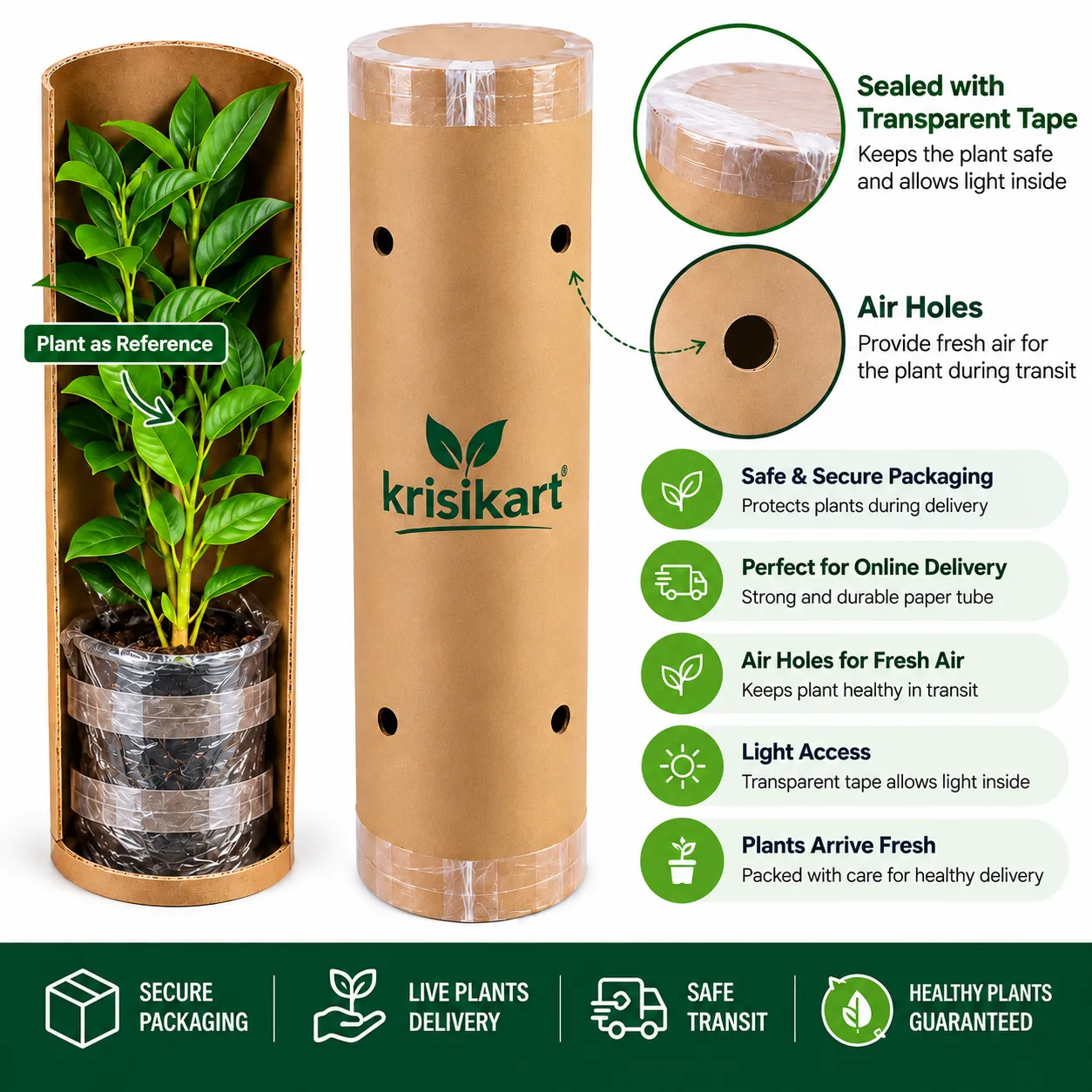
Live plants are natural organisms, so slight differences in height, stem thickness, leaf fullness, and overall appearance from one plant to another are normal. Transit can cause mild shipping stress, and a few leaves may turn yellow or drop during delivery.
After arrival, place the plant in a bright spot with gentle light for a few days to acclimate before moving into full sun, and check soil moisture before watering. Avoid heavy fertilizing or unnecessary pruning right after delivery so the plant can settle first.
Why Choose the Khejri Plant for Your Garden?
Choosing a Khejri Plant or Shami Plant brings an enduring piece of Indian dryland heritage into your outdoor space. With its fine feathery foliage, remarkable heat and drought tolerance, and deep cultural roots, Prosopis cineraria is a meaningful, long-lasting tree for spacious gardens and farmhouses.
Botanical Information and Further Reading
- Kew Science – Plants of the World Online: Prosopis cineraria (L.) Druce
- eFlora of India – Prosopis cineraria Botanical Profile
- India Biodiversity Portal – Prosopis cineraria (L.) Druce
- ICAR – Central Arid Zone Research Institute (CAZRI)
- ICAR – Central Institute for Arid Horticulture (CIAH)
Frequently Asked Questions (FAQs)
1. What is the botanical name of the Khejri Plant or Shami Plant?
The accepted botanical name of the Khejri Plant and Shami Plant is Prosopis cineraria, belonging to the legume family Fabaceae. It is also found in older references under the synonym Prosopis spicigera.
2. Are Khejri and Shami the same plant?
Yes, Khejri and Shami are common regional names used for Prosopis cineraria across different parts of India.
3. Where is Prosopis cineraria native to?
It is native to dry, arid, and semi-arid regions of India—particularly northwestern states like Rajasthan—as well as parts of Pakistan, Iran, Afghanistan, and Arabia.
4. How much sunlight does a Khejri Plant need?
It requires full, direct sunlight—ideally 6 or more hours of sun daily—to grow strongly and maintain healthy foliage.
5. How often should I water a Khejri Plant?
Keep young plants moist during establishment without waterlogging, and water when the top layer of soil dries out. Once established in the ground, it is highly drought-tolerant and needs far less water.
6. What type of soil is best for the Khejri Plant?
Well-draining sandy, loamy, or alkaline soil works well, provided drainage is good and water does not stay stagnant around the roots.
7. Can I grow the Khejri Plant in a pot?
You can keep a young sapling in a pot with drainage holes temporarily, but because it grows into a tree with a deep taproot, it needs open ground or a large outdoor landscape space long-term.
8. Can the Khejri Plant be kept indoors?
No, Prosopis cineraria needs full outdoor sunlight and tree-sized space, so it is not suitable for indoor rooms.
9. How tall does a Khejri Plant grow?
In open ground over time, it typically reaches around 8 to 12 meters or more, depending on soil, climate, and growing conditions.
10. Does the Khejri Plant have thorns?
Yes, stems and branches commonly have short, scattered thorns or prickles, so wear protective gloves when handling or pruning.
11. Is the Khejri Plant suitable for all parts of India?
It thrives best in warm, dry, sunny regions such as Rajasthan, Gujarat, Haryana, and Punjab, though it can grow in other warm areas with good drainage and plenty of sun; heavy, waterlogged soils are unfavorable.
For More Information
Visit: krisikart.com
For Contact Visit:Contact Us
For Shopping Visit: Shop Page


Chandrashekhar Patil –
Mujhe sab plants bahut pasand aaye.
Worth every rupee.