 Plastic Plant pot | Plastic Garden Pot for Plants
 Self Watering Planters | Self Watering Plant Pots For Plants
Rubber Plant – Rubber Fig (Ficus elastica) for Home & Office
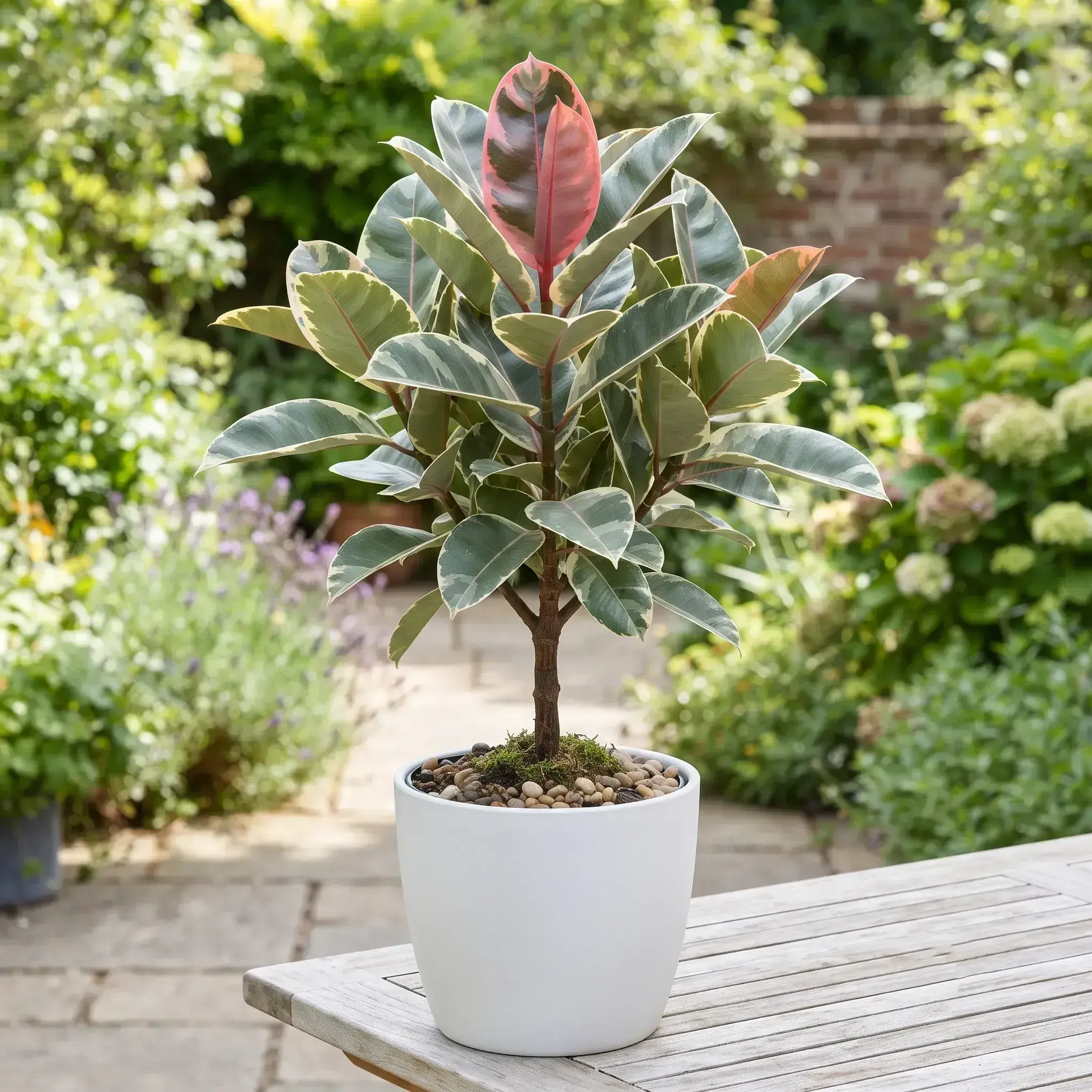
The Rubber Plant (Ficus elastica), Also known as Rubber Fig, Indian Rubber Plant and Rubber Tree, this evergreen plant is admired for its large, thick, glossy leaves and strong upright growth.
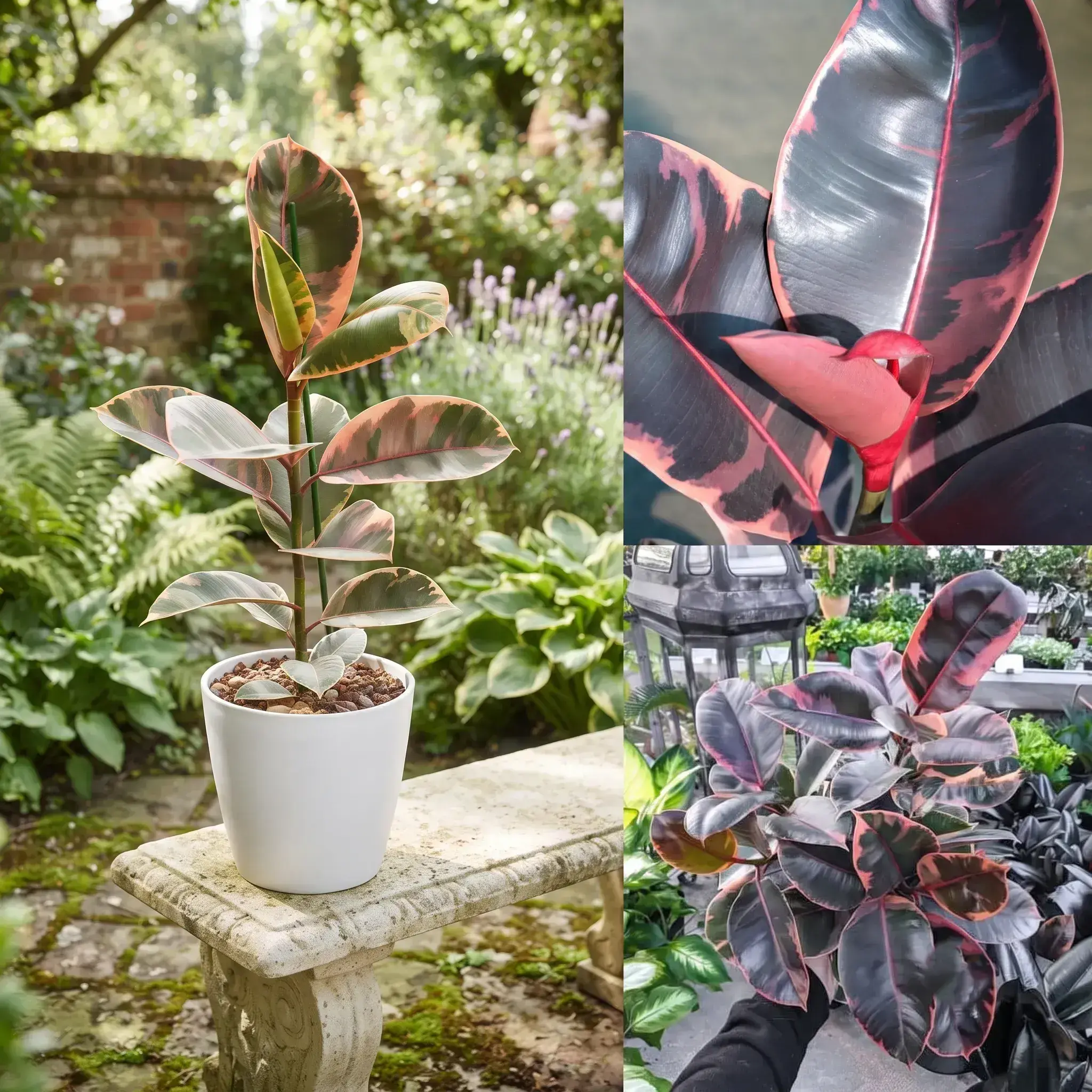
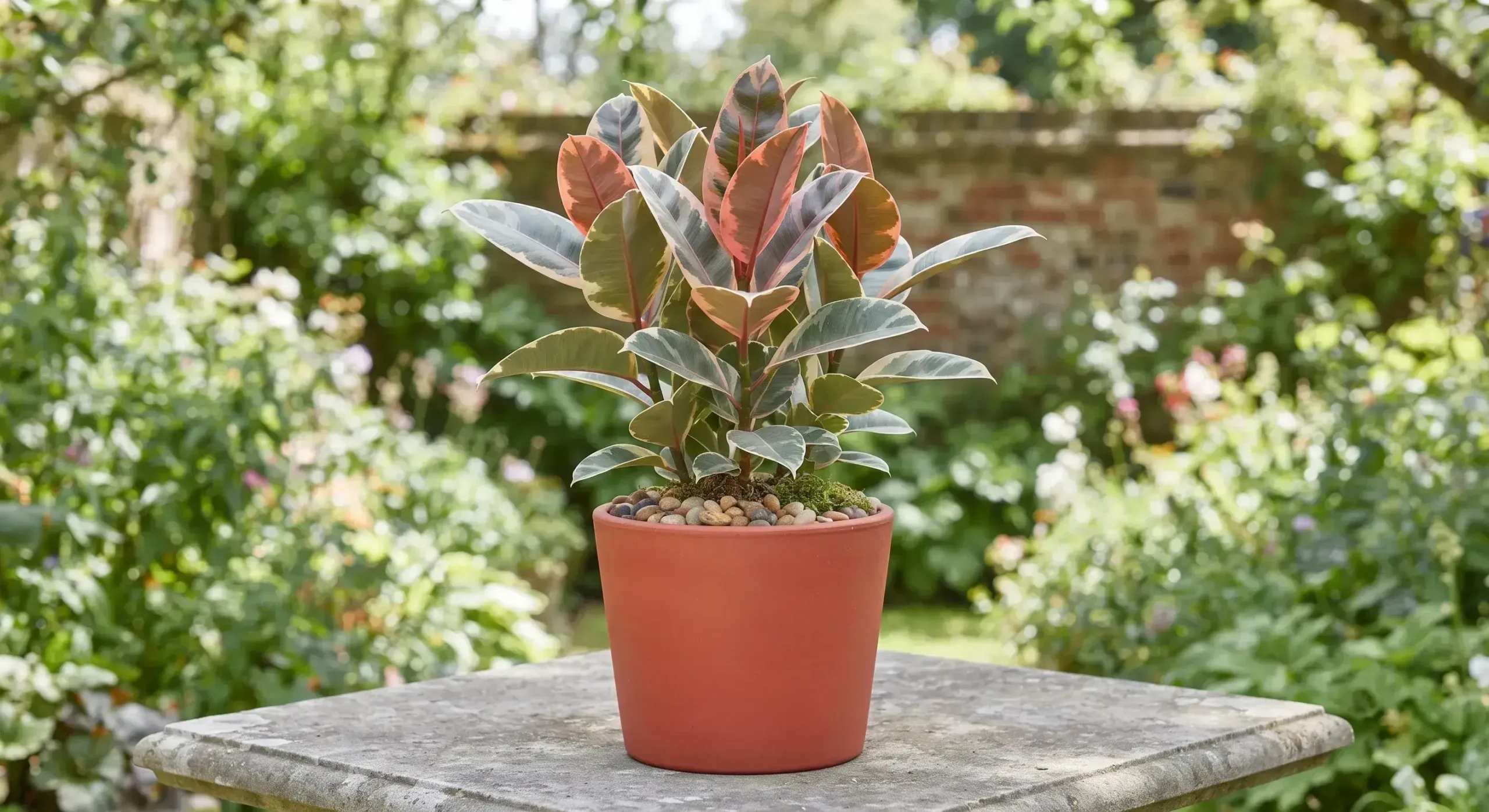
The Rubber Plant has attractive, leathery leaves that are usually deep green, with some varieties displaying burgundy, cream, pink or yellow patterns. Its bold foliage makes it an excellent decorative choice for living rooms, offices, reception areas, balconies and home gardens.
This plant is relatively easy to maintain when provided with suitable natural light, controlled watering and well-drained soil. It can be grown in a decorative pot indoors or planted outdoors in suitable warm tropical conditions.
Plant Highlights
- Common Name: Rubber Plant, Rubber Fig, Indian Rubber Plant, Rubber Tree
- Scientific Name: Ficus elastica
- Family: Moraceae
- Plant Type: Evergreen tropical tree
- Origin: South and Southeast Asia
- Foliage: Large, thick, glossy leaves
- Leaf Colours: Dark green, burgundy, cream, pink or variegated, depending on variety
- Growth Habit: Upright, woody tree
- Sunlight: Bright indirect light to partial sunlight
- Watering: Moderate watering
- Soil: Fertile, airy and well-drained soil
- Suitable For: Home, office, living room, balcony and garden decoration
About the Rubber Plant
The Rubber Plant belongs to the Moraceae family, which also includes banyan trees, fig trees and other Ficus species.
It is native to parts of South and Southeast Asia and is widely cultivated around the world as an ornamental plant.
The name Rubber Plant comes from its milky latex sap, which was historically used as a source of natural rubber. Today, it is mainly grown as a decorative foliage plant.
Its large leaves and upright growth make it especially attractive in modern homes, offices and indoor plant collections.
Appearance and Growth
The Rubber Plant develops a strong upright stem with large, oval-shaped leaves arranged alternately along the branches.
Its main ornamental features include:
- Large, broad and glossy leaves.
- Thick, leathery leaf texture.
- Prominent central leaf veins.
- Attractive dark green foliage.
- New leaves that may emerge with reddish or bronze protective sheaths.
- Different foliage colours in cultivated varieties.
In a container, its height can be controlled through pruning. Indoor plants commonly grow approximately 1–3 metres over time, depending on the pot size, light and maintenance.
When planted outdoors in suitable tropical conditions, Ficus elastica can become a very large tree, potentially reaching 10–15 metres or more.
Popular Rubber Plant Varieties
Several attractive varieties of Ficus elastica are available in the ornamental plant trade.
- Green Rubber Plant: Classic dark green, glossy foliage.
- Burgundy Rubber Plant: Deep green to burgundy-coloured leaves.
- Tineke Rubber Plant: Green leaves with cream and pink patterns.
- Ruby Rubber Plant: Attractive pink, cream and green variegation.
- Doescheri: Variegated foliage with yellow and green markings.
- Decora: Broad leaves with attractive reddish-green tones and lighter veins.
Leaf colour and patterns depend on the actual variety supplied by the nursery.
Flowers and Fruits
Like other Ficus species, the Rubber Plant has a specialised flowering structure called a syconium. Its tiny flowers develop inside a rounded, fig-like structure rather than appearing as ordinary decorative flowers.
Mature outdoor trees may produce small fig-like fruits under suitable conditions. However, flowering and fruiting are uncommon in ordinary indoor container plants.
The Rubber Plant is mainly grown for its attractive foliage rather than its flowers or fruit.
Sunlight Requirements
The Rubber Plant grows best in bright, indirect natural light.
- Place indoor plants near a bright window.
- Gentle morning sunlight is suitable.
- Partial sunlight can support healthy outdoor growth.
- Avoid sudden exposure to harsh afternoon sunlight.
- Keep the plant away from dark corners for long periods.
Good lighting helps maintain strong growth and healthy, attractive leaves. Variegated varieties generally benefit from particularly bright indirect light.
Watering Requirements
The Rubber Plant prefers moderate watering. Its roots should not remain in continuously wet soil.
- Check the upper 2–5 cm of soil before watering.
- Water thoroughly when the upper soil begins to dry.
- Allow excess water to drain from the pot.
- Empty standing water from the pot tray.
- Reduce watering during cooler periods when growth slows.
Avoid overwatering, as continuously wet soil can cause root damage and leaf loss.
Soil Requirements
Use a fertile, airy and well-drained potting mixture.
A suitable potting mixture can contain:
- Garden soil
- Cocopeat
- Well-decomposed compost
- Perlite or coarse sand
- Suitable organic material for soil structure
The mixture should retain some moisture while allowing excess water to drain freely.
Avoid heavy soil that remains wet for long periods.
Temperature and Indian Climate
The Rubber Plant prefers warm tropical and subtropical conditions. It can grow well in many Indian regions, including West Bengal.
Growing tips for West Bengal:
- Provide bright natural light indoors.
- Protect young plants from harsh afternoon sunlight.
- Maintain moderate watering during summer.
- Ensure excellent drainage during the monsoon.
- Avoid leaving pots in standing rainwater.
- Protect plants from unusually cold weather.
- Maintain good airflow around the leaves.
The warm and humid climate of West Bengal can support healthy growth when watering and drainage are properly managed.
Fertilizer Requirements
The Rubber Plant benefits from moderate feeding during its active growing period.
- Add well-decomposed compost to the potting mixture.
- Use a balanced liquid fertilizer at a diluted strength when necessary.
- Feed during warmer growing months.
- Avoid excessive fertilizer application.
- Follow the manufacturer’s instructions for granular fertilizers.
Healthy soil and balanced nutrition help maintain fresh foliage and steady growth.
Growing Rubber Plant in Pots
The Rubber Plant is an excellent choice for container gardening and can be grown in decorative pots indoors or outdoors.
For successful pot cultivation:
- Choose a sturdy pot with drainage holes.
- Use a fertile, airy and well-drained potting mixture.
- Place it near a bright window or in a bright sheltered location.
- Water when the upper soil begins to dry.
- Rotate the pot occasionally for balanced growth.
- Prune carefully if the plant becomes too tall.
- Repot when the roots become crowded.
A medium or large decorative pot is suitable depending on the size of the supplied plant.
Best Places to Grow
The Rubber Plant is suitable for:
- Living room decoration
- Office interiors
- Reception areas
- Balcony gardens
- Covered patios
- Indoor plant collections
- Bright entrance areas
- Sheltered outdoor gardens
Its large glossy leaves create a bold tropical appearance and complement modern interior decoration.
Pruning and Maintenance
Regular light pruning helps maintain an attractive shape and encourages branching.
- Remove dry or damaged leaves.
- Trim excessively long branches when necessary.
- Remove weak or unhealthy growth.
- Prune the main stem if you want to encourage side branches.
- Clean dusty leaves gently with a soft, damp cloth.
- Rotate the pot occasionally to encourage balanced growth.
Safety during pruning: Rubber Plants release milky latex sap when their leaves or stems are damaged. Wear gloves and avoid contact with the eyes and sensitive skin.
Propagation
The Rubber Plant can be propagated through stem cuttings and air layering.
Propagation through stem cuttings:
- Select a healthy, mature stem.
- Wear gloves before cutting.
- Take a suitable cutting using clean pruning tools.
- Allow excess milky sap to stop flowing.
- Place the cutting in a suitable moist, well-drained propagation medium.
- Keep it in a warm location with bright indirect light.
- Maintain moderate moisture while roots develop.
Propagation through air layering:
Air layering is another commonly used method for established Rubber Plants. It encourages roots to develop on a selected branch before that branch is separated from the parent plant.
Propagation success depends on plant health, cutting quality, temperature and humidity.
Common Problems and Solutions
1. Yellow Leaves
Yellow leaves may result from overwatering, poor drainage or environmental stress. Check the soil moisture and make sure the pot drains properly.
2. Brown Leaf Edges
Dry air, irregular watering, excessive sunlight or root problems can cause brown edges. Maintain consistent watering and suitable light.
3. Leaf Drop
Ficus plants can drop leaves after sudden changes in light, temperature, watering or location. Keep the plant in a stable environment and avoid moving it frequently.
4. Slow Growth
Poor light, restricted roots or insufficient nutrients can affect growth. Provide suitable light and a healthy growing medium.
5. Dusty Leaves
Large Rubber Plant leaves can collect dust. Clean them gently using a soft, damp cloth to keep the foliage looking fresh.
6. Pest Problems
Inspect leaves and stems for mealybugs, scale insects and spider mites. Remove affected parts where practical and use an appropriate plant-care treatment if necessary.
Is the Rubber Plant Suitable for Indoor Growing?
Yes. The Rubber Plant is one of the popular choices for indoor foliage decoration.
For healthy indoor growth:
- Place it near a bright window.
- Avoid dark corners.
- Keep it away from strong air-conditioning drafts.
- Water according to soil moisture.
- Maintain a stable growing location.
- Clean the leaves periodically.
Its large, glossy foliage makes it an attractive addition to living rooms, offices, reception areas and other bright indoor spaces.
Safety and Handling
The Rubber Plant produces milky latex sap when its leaves, stems or branches are damaged.
- The sap can irritate sensitive skin and eyes.
- Do not consume the leaves or sap.
- Keep the plant away from children and pets that may chew it.
- Wear gloves when pruning or taking cuttings.
- Wash your hands and tools after handling the plant.
The sap and plant material can be harmful if ingested, so keep the plant out of reach of pets and small children.
Live Plant Delivery
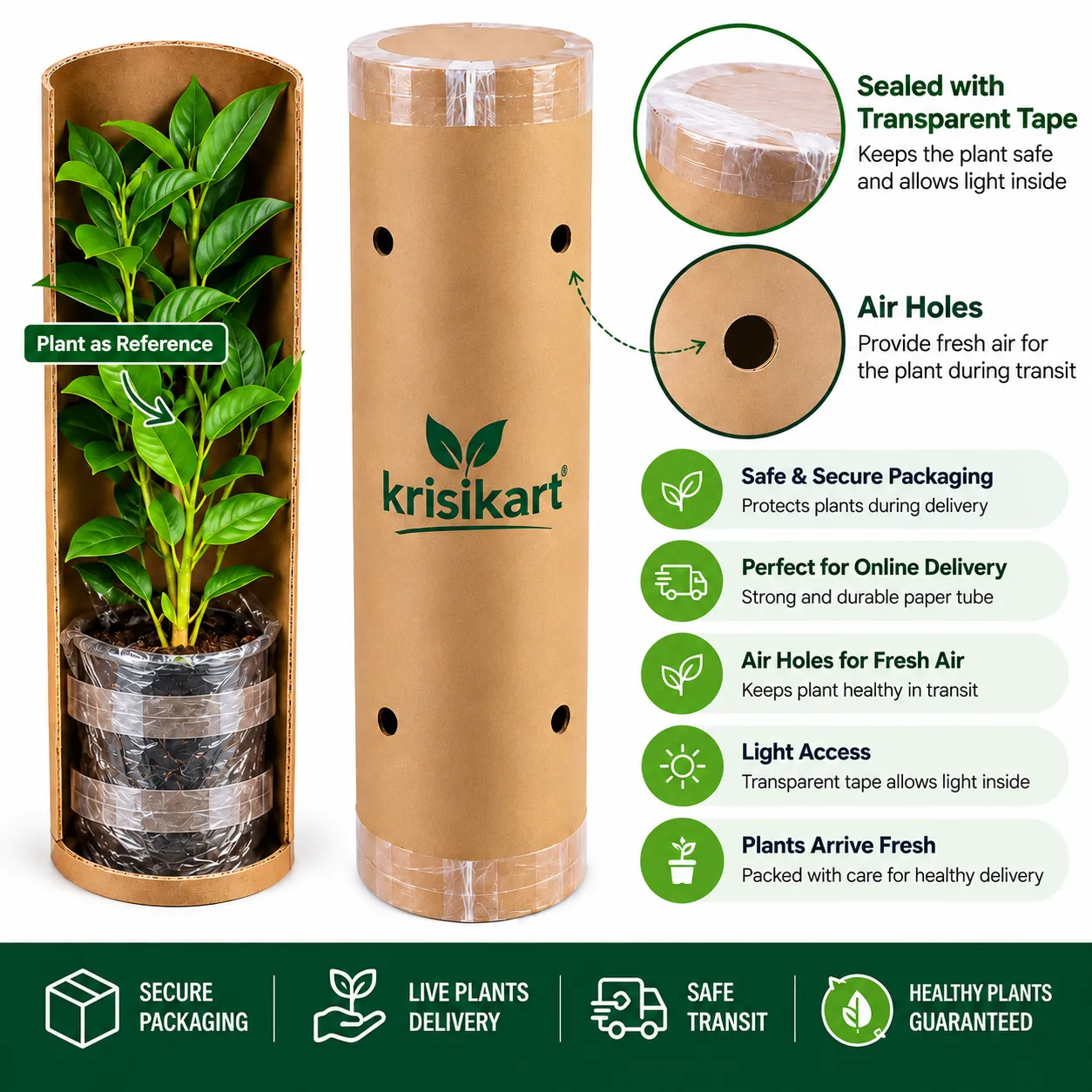
We take care to pack and deliver your Rubber Plant safely.
- The plant is supplied as a live nursery plant.
- Plant height, leaf count and branching may vary depending on availability.
- Leaf size and colour may differ slightly between individual plants and varieties.
- Some leaves may show minor changes during transportation.
- Place the plant in a suitable bright location after delivery and allow it to adjust.
Why Choose the Rubber Plant?
The Rubber Plant is a beautiful choice for anyone who enjoys large, glossy tropical foliage. Its strong upright growth, attractive leaves and relatively simple care requirements make it suitable for homes, offices and decorative gardens.
Whether placed beside a bright living-room window, displayed in an office corner or grown in a decorative garden pot, the Rubber Plant adds a fresh and elegant tropical appearance to its surroundings.
Botanical Information & Further Reading
- Kew – Plants of the World Online: Ficus elastica
- North Carolina State University – Rubber Plant Profile
- Royal Horticultural Society – Ficus elastica
- Clemson University Extension – Rubber Plant Care
- University of Florida IFAS – Ficus elastica: Rubber Tree
- North Carolina State University – Indian Rubber Plant
- University of Florida – Rubber Tree Information
Frequently Asked Questions
1. What is the scientific name of the Rubber Plant?
The scientific name is Ficus elastica. It belongs to the Moraceae family.
2. Is the Rubber Plant suitable for indoor growing?
Yes. It is an excellent indoor foliage plant when provided with bright indirect natural light and proper watering.
3. Can I grow a Rubber Plant in West Bengal?
Yes. It grows well in warm tropical conditions and can be cultivated in West Bengal in suitable indoor or outdoor locations.
4. How much sunlight does a Rubber Plant need?
Bright indirect light is ideal indoors. Gentle morning sunlight and partial sunlight are suitable outdoors.
5. How often should I water the Rubber Plant?
Water when the upper 2–5 cm of soil begins to dry. Avoid overwatering and standing water.
6. Can I grow a Rubber Plant in a pot?
Yes. It is very suitable for container gardening. Choose a sturdy pot with drainage holes and a well-drained growing medium.
7. How tall does a Rubber Plant grow?
In a container, it can grow approximately 1–3 metres indoors over time, depending on growing conditions and pruning. In open tropical ground, it can become a much larger tree.
8. Why are the leaves of my Rubber Plant turning yellow?
Yellow leaves can be caused by overwatering, poor drainage or environmental stress. Check the soil moisture and make sure excess water can drain away.
9. How can I make my Rubber Plant bushier?
Lightly prune the main stem or growing tips to encourage side branches. Use clean pruning tools and wear gloves because the plant produces milky sap.
10. Can I propagate a Rubber Plant?
Yes. It can be propagated through stem cuttings and air layering.
11. Why are the leaves falling off my Rubber Plant?
Sudden changes in light, temperature, watering or location can cause leaf drop. Keep the plant in a stable environment and check its soil moisture.
12. Is the Rubber Plant evergreen?
Yes. Ficus elastica is an evergreen tropical tree that retains its foliage throughout the year in suitable growing conditions.
13. Is the Rubber Plant safe for pets?
No. Its milky latex and plant material can be harmful if chewed or swallowed. Keep it away from pets and small children.
14. Is the Rubber Plant good for office decoration?
Yes. Its large glossy leaves and upright growth make it an attractive choice for offices, reception areas and indoor decorative spaces.
For More Information
Visit: krisikart.com
For Contact Visit:Contact Us
For Shopping Visit: Shop Page


Reviews
There are no reviews yet.