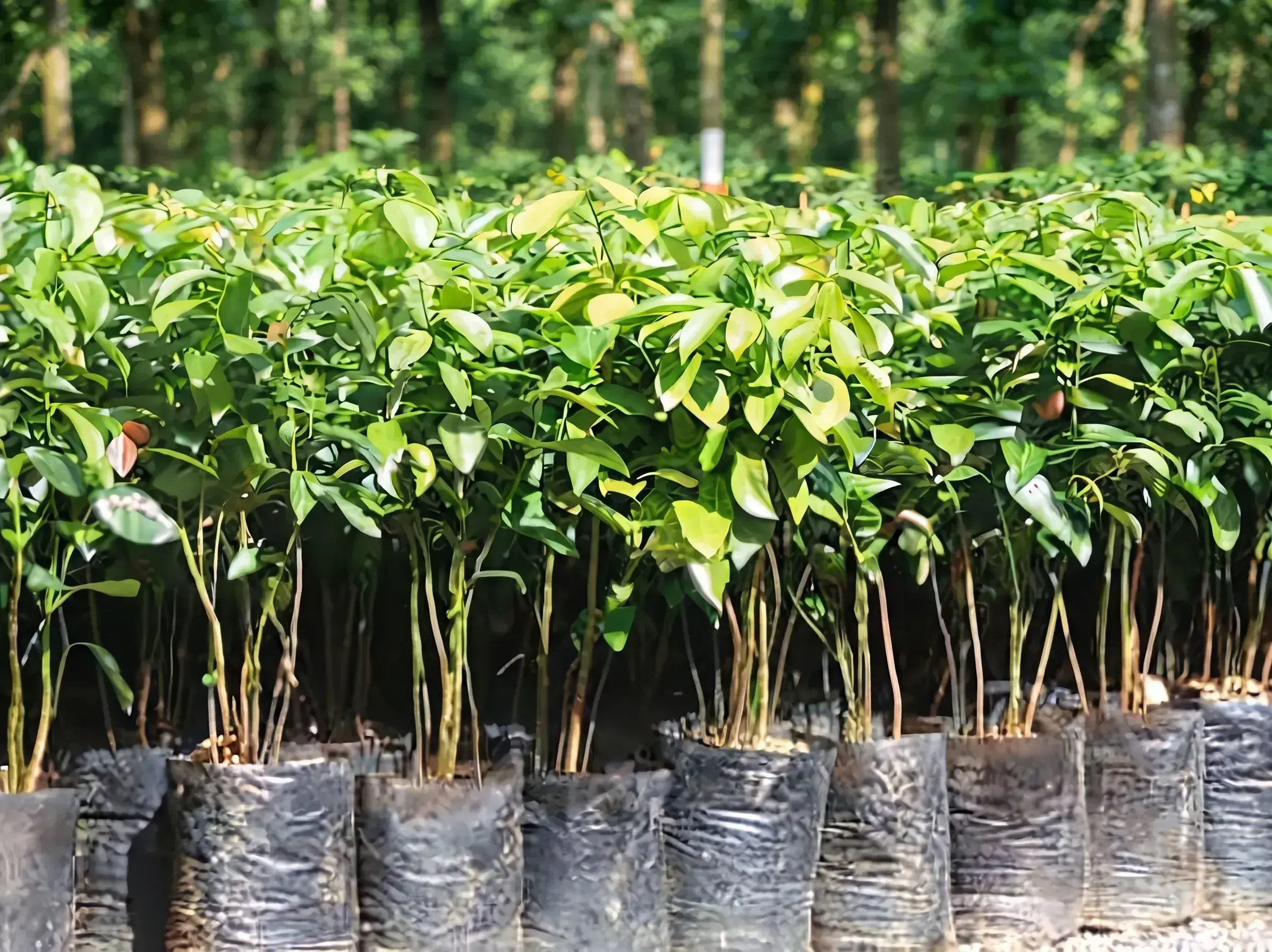
 Plastic Plant pot | Plastic Garden Pot for Plants
 Self Watering Planters | Self Watering Plant Pots For Plants
Dalchini Plant | Cinnamon Plant (Cinnamomum verum) Plant
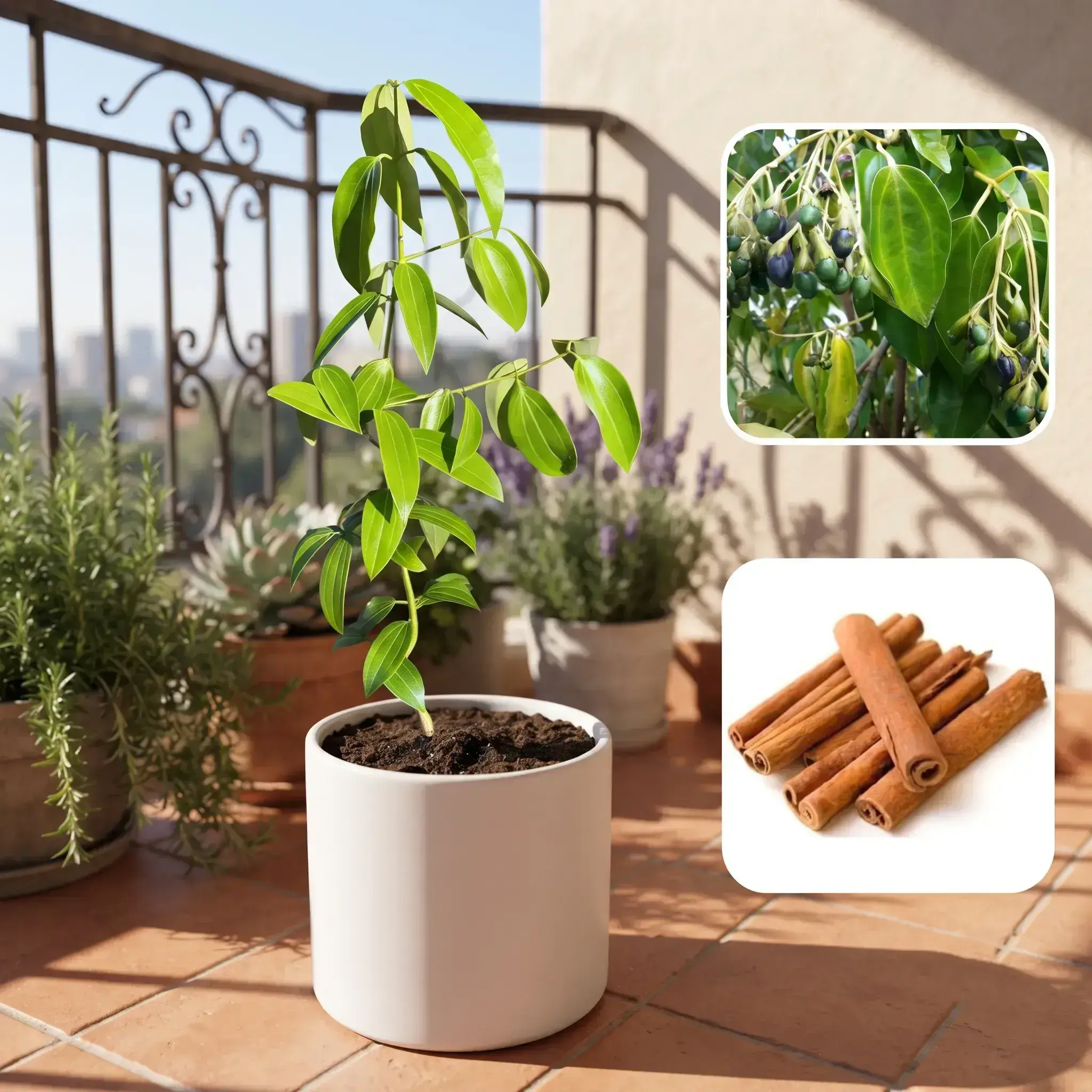
The Dalchini Plant, widely known in kitchens and spice gardens as the Cinnamon Plant or Ceylon Cinnamon, is a handsome evergreen spice tree prized for its fragrant inner bark and aromatic leaves. Botanically classified as Cinnamomum verum (and frequently listed in nurseries under its synonym Cinnamomum zeylanicum), this member of the laurel family Lauraceae brings both glossy foliage and everyday culinary value to home and kitchen gardens.
In Indian home gardening, growing a Dalchini Plant lets you enjoy fresh, aromatic leaves and, with patience and proper care, homegrown spice shoots in warm regions. Whether planted in open garden ground or kept in a large balcony or terrace container with pruning, Cinnamomum verum makes a rewarding addition to edible and ornamental gardens.
Plant Highlights
- Product Name: Dalchini Plant | Cinnamon Plant (Cinnamomum verum) for Home Garden & Kitchen Garden
- Common Name: Dalchini, Cinnamon Plant, True Cinnamon, Ceylon Cinnamon, Karuvapatta, Lavangapatta
- Botanical Name: Cinnamomum verum (synonym: Cinnamomum zeylanicum)
- Family: Lauraceae (Laurel family)
- Plant Type: Evergreen perennial aromatic spice tree or pruned shrub
- Origin: Sri Lanka and southwestern India
- Flower Colour: Small pale yellowish-green to creamy-white flowers in loose clusters
- Fruit Colour: Small dark berry-like drupes when mature
- Foliage: Opposite, leathery, glossy green leaves with three distinct longitudinal veins; young leaves often flush reddish-bronze or coppery
- Growth Habit: Upright evergreen tree that can be coppiced or pruned into a bushy multi-stemmed shrub
- Mature Height: Often 8 to 15 meters in open unpruned conditions; typically kept much shorter in home gardens and containers through pruning
- Sunlight: Partial shade when young to bright sun or partial sun once established (avoid scorching afternoon heat in hot zones)
- Watering: Moderate; keep soil evenly moist without waterlogging
- Suitable For: Kitchen gardens, spice gardens, warm outdoor gardens, farmhouses, and large terrace or balcony containers
About the Cinnamon Plant
Cinnamomum verum belongs to the family Lauraceae and is native to Sri Lanka and southwestern India, where it is cultivated in warm, humid regions including Kerala and Tamil Nadu. Its historical name Cinnamomum zeylanicum comes from Ceylon, and you will see both names across spice and nursery catalogs.
In Indian spice cultivation, research institutions such as ICAR-IISR and TNAU have developed well-known selections like Navashree and Nithyashree. True cinnamon is valued for its delicate, sweet-warm aroma and is different from Cinnamomum tamala (tejpatta) and cassia species.
Appearance and Growth Habit
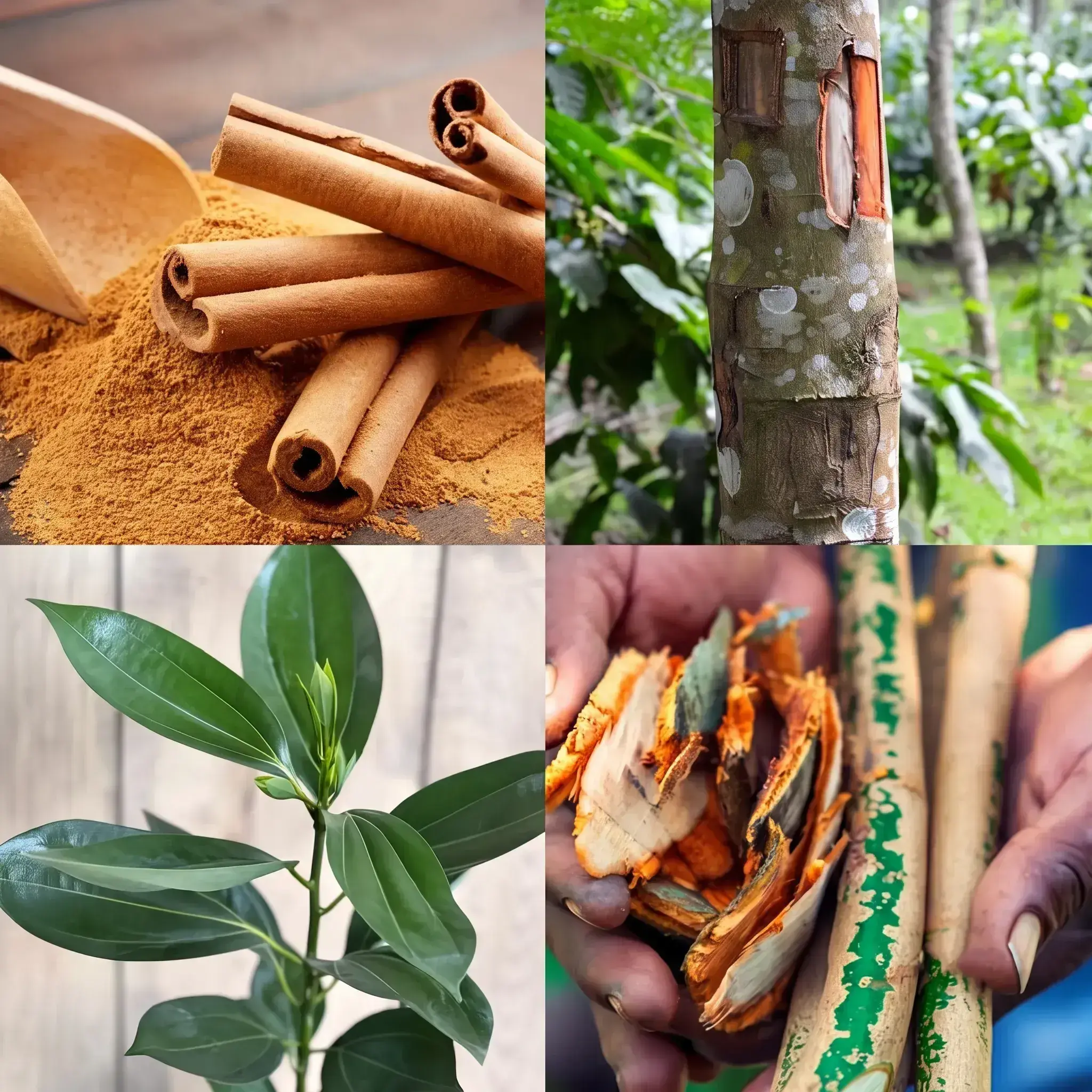
The Dalchini Plant forms a slender trunk with smooth, pale greyish-brown bark and dense branches covered in glossy, leathery leaves. A signature visual clue of the genus is the set of three prominent lengthwise veins running along each leaf blade.
Young emerging leaves often display an attractive reddish or coppery tint before maturing into deep green. In open ground without pruning, Cinnamomum verum grows into a medium-sized evergreen tree, whereas in home gardens and large pots it is commonly pruned or coppiced to stay bushier and easier to manage. Actual size varies widely with climate, pruning, and container space.
Flowers and Flowering Season
Mature Cinnamon Plants produce loose clusters of small, pale yellowish-green or creamy-white flowers, typically appearing around early to mid-year depending on local climate (such as January in West Coast conditions). Each individual flower is small and modest in appearance compared to showy ornamentals.
In home gardens, flowering depends on plant maturity, warm temperatures, and suitable light, and many home growers focus on leaf and shoot growth rather than waiting for blossoms or fruit.
Spice Harvest and Culinary Use
Cinnamon spice comes from the inner bark of young shoots, which are harvested in humid weather when the bark peels cleanly, scraped, dried, and rolled into quills. Leaves are also used in cooking or for essential oil distillation.
In commercial and home spice growing, harvesting shoots typically begins only after the plant establishes for a few years, and yields vary widely based on climate, soil, and care—so home harvest is never guaranteed. Always use clean culinary practices and avoid relying on homegrown spices for medical treatment.
Sunlight Requirements
Young cinnamon plants benefit from partial shade, especially after transplanting or during their early months. As the plant establishes, bright light or partial sun supports healthy foliage and steady growth.
In hot Indian summers, shield pots and young plants from harsh, scorching afternoon sun so leaves do not burn or dry out rapidly. Avoid deep, dark indoor corners where light is too weak for healthy growth.
Watering Requirements
Cinnamomum verum prefers evenly moist soil without drying out completely for long periods or sitting in waterlogged mud. Always check soil moisture with your finger before watering.
Watering During Establishment and Summer
Keep newly planted or repotted plants evenly damp while roots establish. During warm Indian summers, check soil every couple of days and water thoroughly when the top layer begins to dry out, making sure excess water drains freely.
Watering During Monsoon and Winter
During the monsoon, natural rainfall often supplies ample water—ensure soil and pots drain well so roots do not sit in stagnant water. In winter, when growth slows and soil stays damp longer, water less frequently and check moisture carefully before adding water.
Soil and Potting Requirements
Cinnamon grows well in fertile, well-draining loamy, sandy, or lateritic soils rich in organic matter, preferring good drainage over heavy, waterlogged ground. Stagnant water around the roots harms plant health.
Suggested Potting Mixture for Dalchini Plant
As a suggested home container mix, combine roughly 40% well-draining garden soil, 30% organic compost or vermicompost, 20% cocopeat for moisture balance, and 10% coarse river sand or perlite for drainage. Always use a container with clear drainage holes at the base.
Growing the Plant in the Indian Climate
True cinnamon is naturally a warm, humid tropical crop, performing best in warm, moist climates without harsh extremes.
Summer Care
Hot, dry winds can stress foliage, so keep soil moisture steady, provide organic mulch on top of the soil, and offer partial shade during intense summer heat.
Monsoon Care
Warm, humid monsoon weather—such as in Kerala, coastal regions, and humid eastern states like West Bengal and Kolkata—supports active shoot growth, provided drainage is good so excess water does not cause root rot or leaf spots.
Winter Care
Growth slows during cooler months, especially in northern and central India. Keep potted plants sheltered from cold drafts and frost, and cut back watering as evaporation slows.
Temperature and Humidity
Cinnamomum verum thrives in warm temperatures (around the mid-20s °C in tropical spice zones) and moderate-to-high humidity. It dislikes prolonged extreme heat or cold/frost, and good airflow around the leaves helps reduce fungal leaf issues during humid weather.
Fertilizer and Nutrition
Feed during active growth with well-decomposed organic compost, farmyard manure, or vermicompost, or a balanced fertilizer applied lightly according to plant size and season. Avoid heavy over-fertilization or applying strong fertilizer to dry or newly transplanted roots.
Growing the Plant in Pots
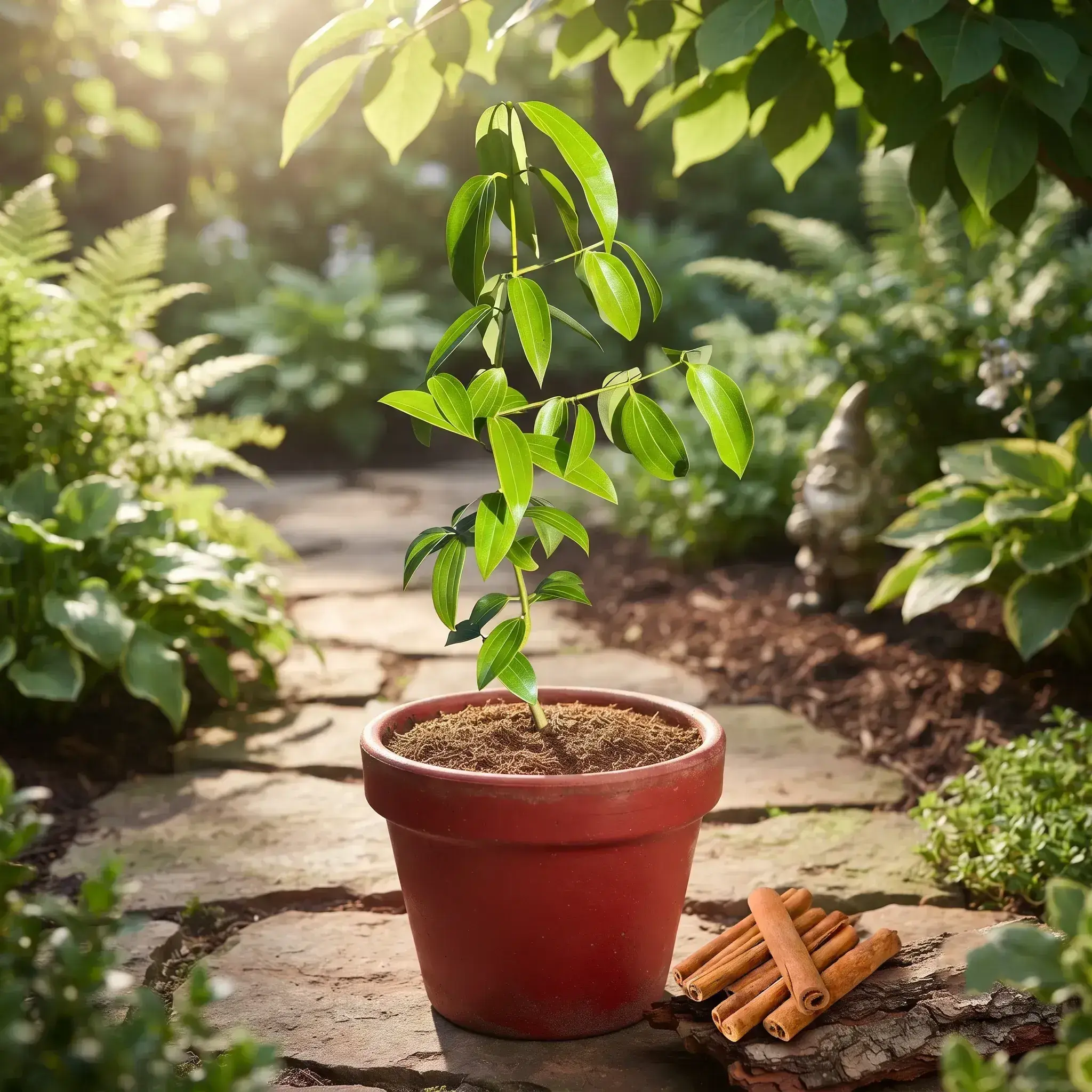
A Dalchini Plant can be grown in a large container (such as a 14-to-18-inch or larger pot or grow bag with drainage holes) for kitchen and balcony gardens when kept pruned to a manageable size. Because Cinnamomum verum is naturally a tree in open ground, long-term container size is limited, and repotting into a larger pot or open garden space may be needed as roots fill the container.
Pruning and Maintenance
Light pruning helps keep a home-garden Cinnamon Plant bushy, tidy, and easy to reach for leaf or shoot maintenance. Remove dead, dry, or damaged twigs using clean pruning tools, and avoid heavy cutting right after transplanting or during cold stress.
Propagation
Nurseries propagate Cinnamomum verum using fresh seeds, rooted stem cuttings, or air layering. Seeds lose viability quickly if stored long, so sow fresh seeds promptly in a well-draining nursery mix under partial shade.
Seed-grown plants can vary naturally in growth speed and traits compared to vegetatively propagated plants (cuttings or air layers) from a selected parent tree.
Common Problems and Plant Care
Checking soil moisture, drainage, and leaves regularly helps prevent common issues.
1. Yellowing Leaves
Often caused by overwatering, poor drainage, nutrient shortage, or transplant stress. Check soil drainage and moisture first, and feed lightly with organic compost during active growth.
2. Brown or Dry Leaf Edges
Can result from dry hot air, underwatering, or sun scorch on young or exposed leaves. Adjust watering and provide partial shade during harsh sun.
3. Root Rot
Caused by waterlogged soil or blocked pot drainage holes during rainy spells. Use porous soil and never let pots sit in standing water.
4. Leaf Spots or Pests
Humid weather can encourage leaf spots, while chewing or boring insects may occasionally appear. Improve airflow, avoid overhead watering late in the day, and remove affected leaves cleanly.
5. Slow Growth
Normal in cool winter weather, low light, or tight containers. Provide bright light, warm temperatures, and steady care.
Suitability for Home Gardens
The Dalchini Plant is well suited for kitchen gardens, spice gardens, warm outdoor gardens, farmhouses, and sunny balconies or terraces with large containers. It is not ideal for dark indoor rooms or cold, frost-prone outdoor sites without protection.
Safety and Important Information
The ASPCA lists cinnamon (Cinnamomum zeylanicum) as non-toxic to dogs, cats, and horses, though pets can still get upset stomachs from eating large amounts of plant material or soil amendments. Use culinary spices in normal food amounts, and do not treat homegrown leaves or bark as a substitute for medical care.
Live Plant Delivery Information
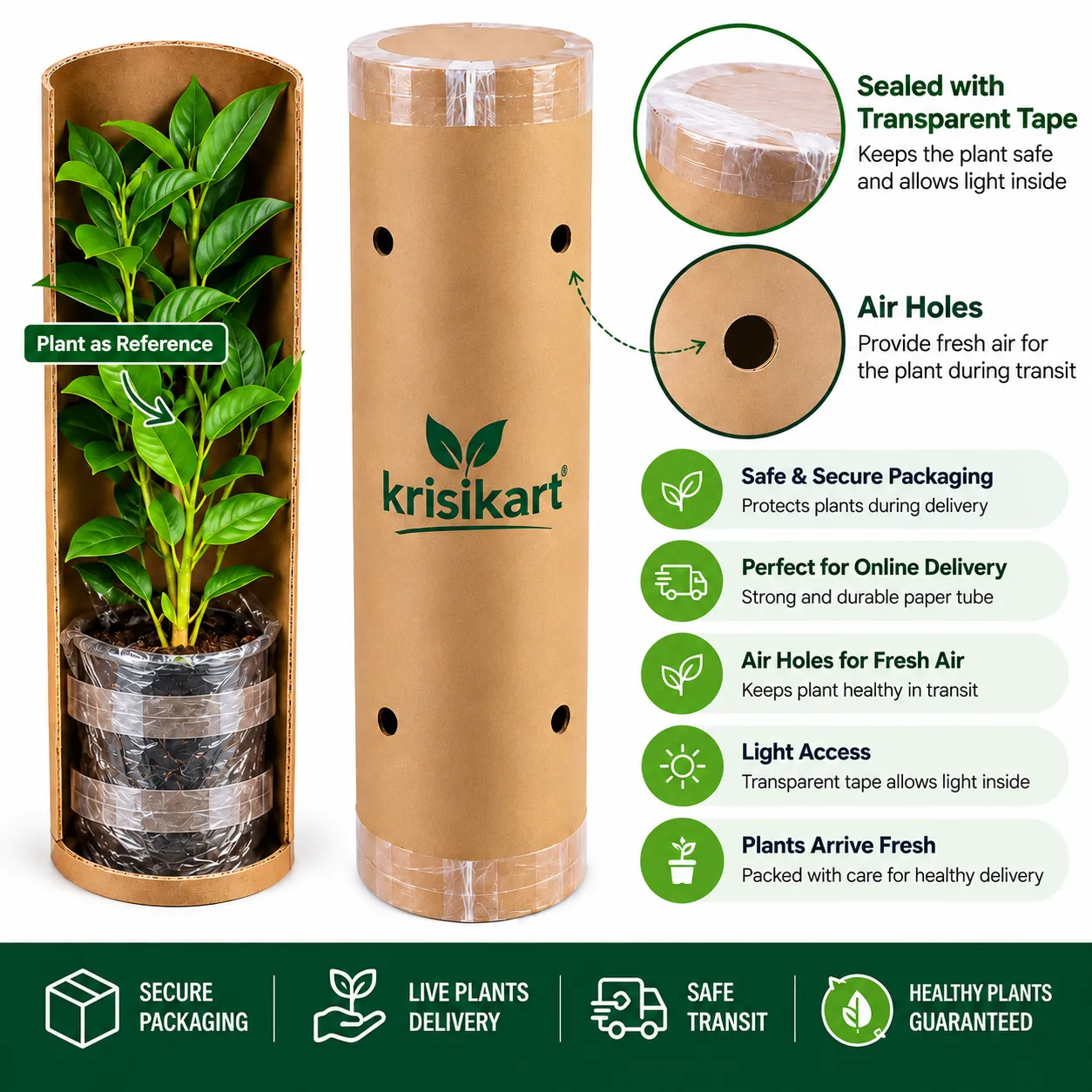
Every live plant is a natural specimen, so height, leaf count, branching, and overall fullness vary from plant to plant. Shipping can cause mild transit stress, and a few leaves may yellow or drop during delivery.
After unboxing, place your Cinnamon Plant in bright light with partial shade while it adjusts, check soil moisture before watering, and avoid heavy fertilizing or unnecessary pruning right away.
Why Choose This Plant for Your Garden?
Combining glossy veined foliage, fresh reddish leaf flushes, and classic kitchen spice heritage, the Dalchini Plant brings both fragrance and greenery to home gardens. With bright light, draining soil, and steady care, it makes a lasting kitchen-garden favorite.
Botanical Information & Further Reading
- Kew Science – Plants of the World Online
- Royal Horticultural Society (RHS) – Gardening Advice
- ICAR-IISR / Spices Board – Cinnamon Cultivation Practices
- TNAU Agritech Portal – Cinnamon Crop Guide
- ASPCA Animal Poison Control – Cinnamon
Frequently Asked Questions (FAQs)
1. What is the botanical name of the Dalchini or Cinnamon Plant?
The accepted botanical name is Cinnamomum verum in the family Lauraceae, and it is also widely known under the synonym Cinnamomum zeylanicum.
2. What common names does this plant have in India?
It is commonly called Dalchini in Hindi and Bengali, Karuvapatta in Malayalam and Tamil, and True or Ceylon Cinnamon in English.
3. Where is Cinnamomum verum native to?
It is native to Sri Lanka and southwestern India.
4. How much sunlight does a Cinnamon Plant need?
Young plants do well in partial shade, while established plants prefer bright light or partial sun with protection from harsh summer afternoon heat.
5. How often should I water my Dalchini Plant?
Check soil moisture before watering and keep the soil evenly moist without waterlogging, watering more often in warm dry weather and less during cool or rainy periods.
6. What kind of soil is best for growing it?
Well-draining loamy, sandy, or lateritic soil rich in organic matter works well, as long as drainage prevents waterlogging.
7. Can I grow a Dalchini Plant in a pot?
Yes, you can grow it in a large pot with drainage holes for kitchen or balcony gardening while keeping it pruned, though it is naturally a tree in open ground.
8. How does it perform in the Indian climate?
It thrives in warm, humid climates with good drainage, while extreme heat or cold spells require extra care in watering and shelter.
9. How is the Cinnamon Plant propagated?
Nurseries grow it from fresh seeds, rooted stem cuttings, or air layering.
10. How tall does Cinnamomum verum grow?
In open unpruned ground it can reach around 8 to 15 meters, but pruning keeps home-garden plants much more compact.
11. Can it be kept indoors?
It needs strong natural light and outdoor or bright balcony conditions rather than dark indoor rooms.
12. Is the Cinnamon Plant safe around cats and dogs?
The ASPCA lists cinnamon (Cinnamomum zeylanicum) as non-toxic to cats and dogs, though keeping pets from chewing on plants is still good practice.
For More Information
Visit: krisikart.com
For Contact Visit:Contact Us
For Shopping Visit: Shop Page


Arun Debbarma –
Healthy plants with bright green leaves.
Very pleased with the overall experience.
The plants started growing within a few days.