 Plastic Plant pot | Plastic Garden Pot for Plants
 Self Watering Planters | Self Watering Plant Pots For Plants
Lady Palm Plant | Raphis Palm (Rhapis Excelsa) Plant
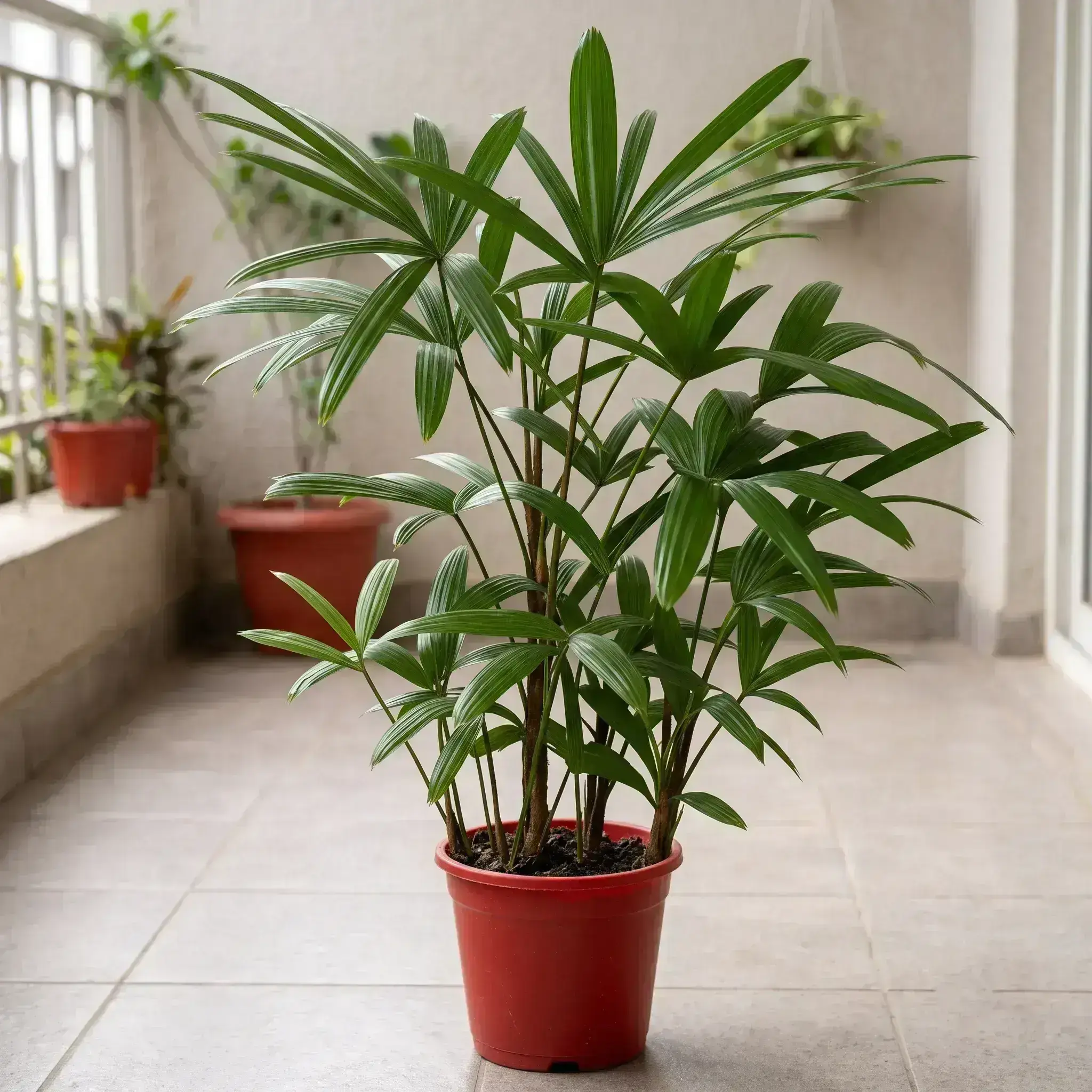
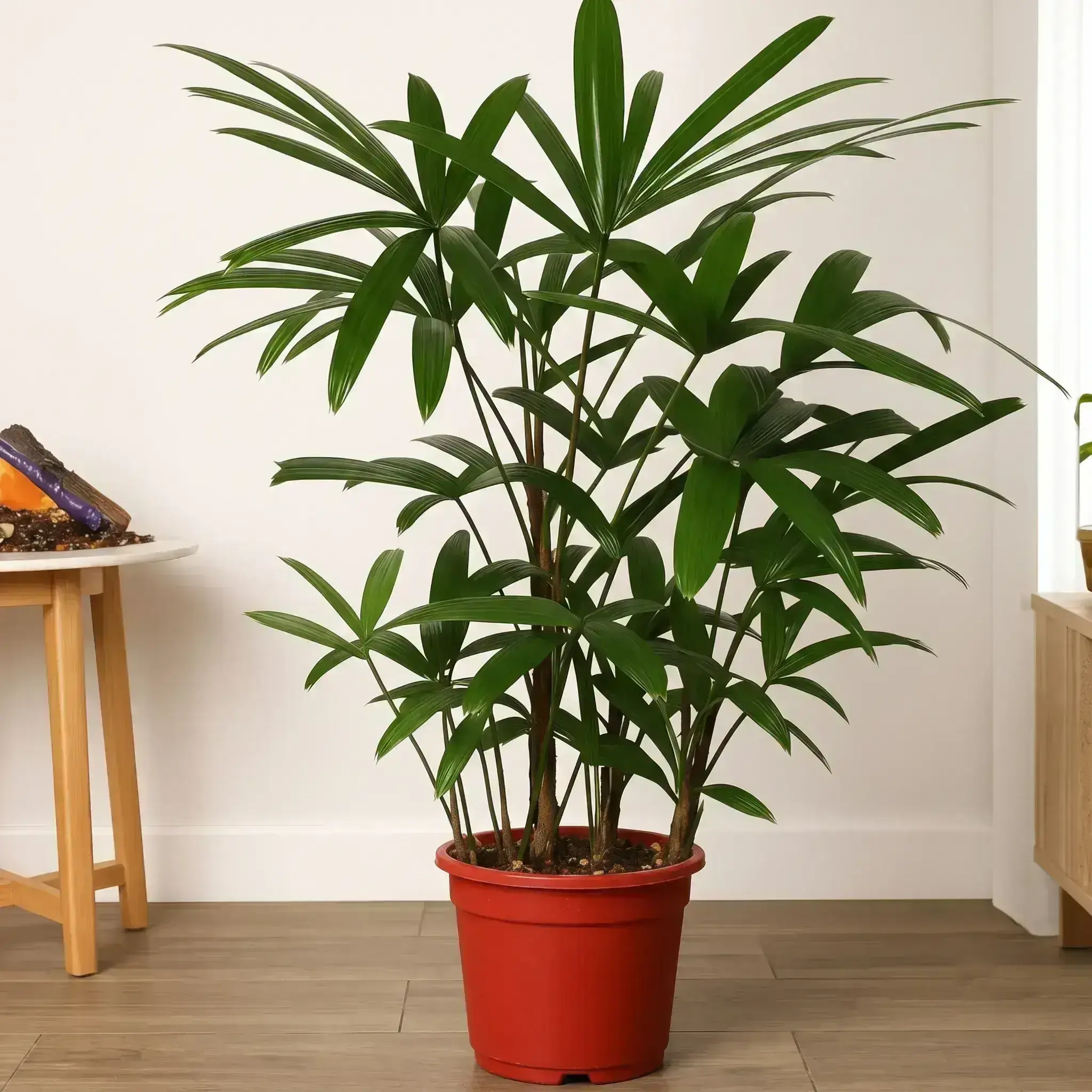
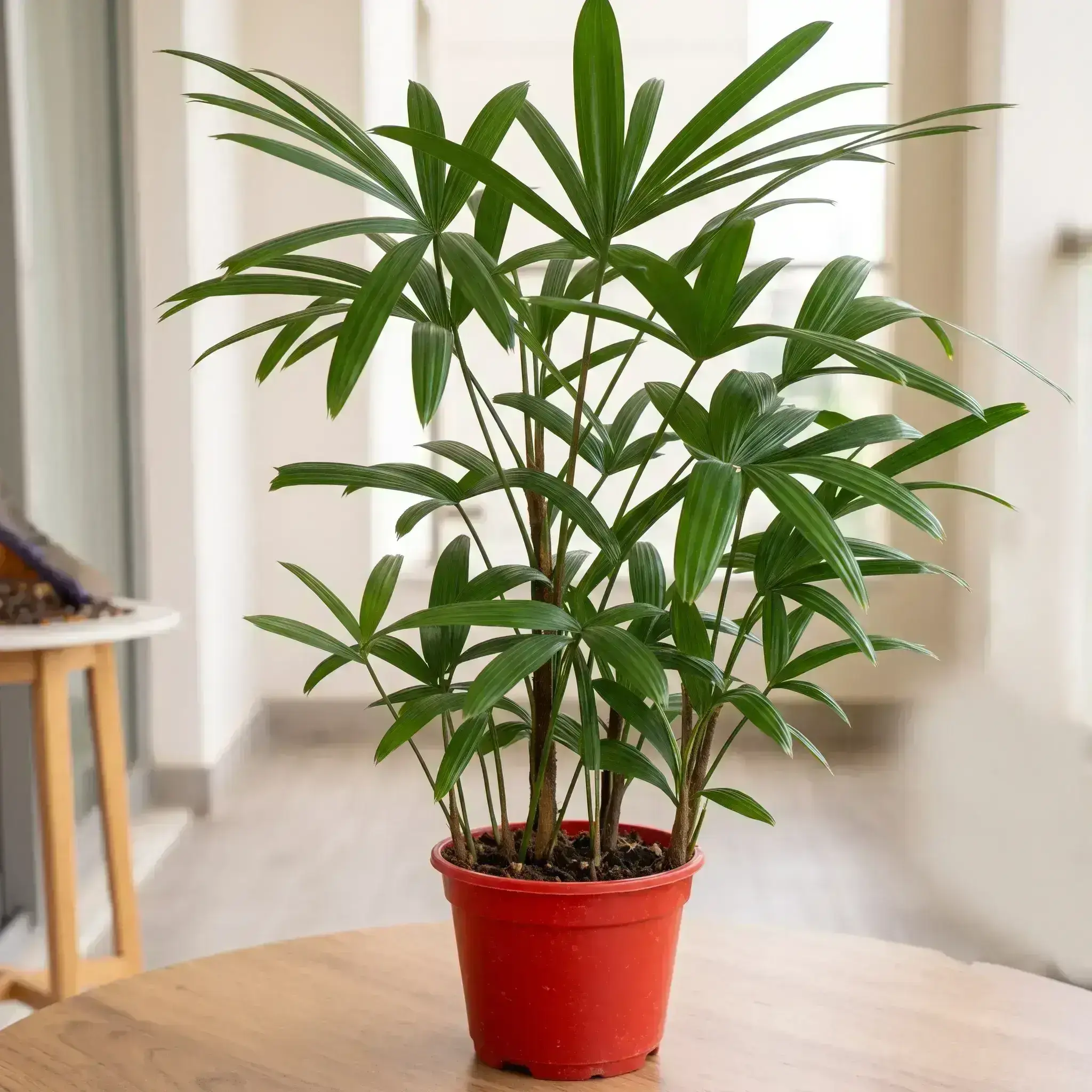
The Lady Palm Plant Also Known As Raphis Palm (Rhapis Excelsa) Plant is a beautiful ornamental palm with dark green, fan-shaped leaves and several slim stems growing together. Its fresh green colour and attractive shape make it a lovely choice for home decoration, office spaces and outdoor gardens.
This palm is popular because it can grow well in shaded areas and bright indoor spaces. It is a slow-growing plant that does not need frequent pruning. Its bushy appearance makes it suitable for decorative pots, balconies, patios and garden corners.
The Lady Palm is also known as Rhapis Palm, Bamboo Palm and Japanese Fan Palm. It is a good choice for people who want a green plant with a neat and elegant appearance.
Plant Highlights
- Common Name: Lady Palm, Rhapis Palm, Bamboo Palm
- Scientific Name: Rhapis excelsa
- Family: Arecaceae (Palm Family)
- Plant Type: Evergreen ornamental palm
- Growth Habit: Clumping and upright
- Foliage Colour: Dark green
- Leaf Type: Fan-shaped leaves
- Growth Rate: Slow
- Origin: Southern China and northern Vietnam
- Best Uses: Indoor decoration, home garden, office, balcony, patio and container gardening
About the Lady Palm Plant
The Lady Palm is one of the most attractive ornamental palms for homes and gardens. It is loved for its beautiful fan-shaped leaves and multiple bamboo-like stems.
Unlike palms that grow from a single trunk, the Lady Palm produces several slim stems from the base. These stems grow close together and form a thick green cluster.
Its leaves are divided into several sections, giving them the shape of a hand-held fan. The plant has a neat and bushy appearance, which makes it suitable for both indoor and outdoor decoration.
It grows slowly and can remain in a pot for many years with suitable care.
Plant Appearance and Growth
The Lady Palm has dark green, fan-shaped leaves that grow on long leaf stalks.
Its stems are slim and upright. Older leaf bases leave a fibrous covering around the stems, giving them a bamboo-like appearance.
New stems can grow from underground shoots near the base of the plant. Over time, these shoots help the plant form a fuller cluster.
Mature plants may produce small yellow flowers. Small fruits may develop after flowering.
The plant grows slowly, so it may take several years to develop a large and full appearance.
Sunlight Requirements
The Lady Palm grows best in partial shade or bright, indirect sunlight.
It can tolerate lower-light conditions better than many other palms. However, a completely dark room is not suitable for healthy long-term growth.
Strong direct sunlight, especially during hot Indian summers, can burn the leaves.
Good places to keep this plant:
- Near a bright window
- In a living room with natural light
- On a shaded balcony
- In a covered patio
- Under the shade of larger garden plants
- In a bright office space
A location with gentle morning sunlight and afternoon shade is a good choice.
Watering Requirements
The Lady Palm likes slightly moist soil. It should not be allowed to remain waterlogged.
Water the plant when the upper layer of soil starts to feel dry. Watering needs will change depending on the weather, pot size and growing location.
Watering tips:
- Check the soil before watering.
- Water slowly around the base of the plant.
- Allow extra water to drain from the pot.
- Do not leave the pot standing in collected water.
- Reduce watering during cooler weather.
- During the monsoon, check the soil before adding more water.
Avoid allowing the soil to become completely dry for long periods during active growth.
Soil and Potting Requirements
The Lady Palm grows well in rich, loose and well-drained soil.
The soil should hold some moisture but allow extra water to drain away. Poor drainage can damage the roots.
A suitable home potting mix can contain:
- Garden soil
- Cocopeat
- Compost or well-rotted organic matter
- Perlite or coarse sand for better drainage
Use a pot with drainage holes at the bottom.
For garden planting, choose a shaded location where rainwater does not collect around the roots.
Temperature and Indian Climate
The Lady Palm grows well in warm conditions and is suitable for growing in many parts of India.
It is a good choice for shaded gardens, covered balconies and bright indoor spaces.
During hot summers, protect it from strong afternoon sunlight. In areas with high humidity, allow enough space around the plant for air movement.
During the monsoon, avoid standing water around the roots. In cooler regions, protect the plant from very cold conditions.
Humidity Requirements
The Lady Palm grows well in normal indoor humidity and also benefits from a moderately humid environment.
In very dry conditions, the leaf tips may become brown.
You can gently clean the leaves with a damp cloth to remove dust. Avoid placing the plant directly in front of hot air from an air conditioner or heater.
Fertilizer and Plant Feeding
The Lady Palm is a slow-growing plant and does not need heavy feeding.
You can use a balanced liquid fertilizer or a suitable palm fertilizer during the active growing season.
Follow the instructions on the fertilizer package. Do not apply more than the recommended amount.
A small amount of well-rotted compost can also be added to the potting soil.
Avoid applying fertilizer when the plant is stressed or when the soil is extremely dry.
Pruning and Maintenance
The Lady Palm needs very little pruning.
Remove completely dry, yellow or damaged leaves using clean gardening scissors.
Do not cut healthy green leaves unnecessarily. They help the plant produce food and support healthy growth.
You can also remove dry leaf parts around the base to keep the plant looking neat.
Clean the leaves gently with a damp cloth when dust collects on them.
Growing Lady Palm in Pots
The Lady Palm is an excellent choice for container gardening.
It can be grown in decorative pots and placed in living rooms, balconies, patios, shaded terraces and office spaces.
Because it grows slowly, it does not need frequent repotting. Move it to a slightly larger pot when its roots become crowded.
Avoid using a very large pot because too much wet soil can increase the risk of root problems.
Indoor and Office Decoration
The Lady Palm is widely used for indoor decoration because of its attractive leaves and ability to grow in lower-light conditions.
Its bushy green appearance makes it suitable for different types of indoor spaces.
It looks beautiful in:
- Living room corners
- Office reception areas
- Bedroom corners with natural light
- Covered balconies
- Hotel and commercial interiors
- Decorative floor planters
Place it in a bright location with indirect sunlight for better growth.
Garden and Landscape Decoration
The Lady Palm is also suitable for outdoor garden decoration.
Its multiple stems and fan-shaped leaves create a neat tropical appearance. It can be planted in shaded garden corners or used in groups to create a green background.
It is useful for:
- Shaded home gardens
- Garden pathways
- Entrance decoration
- Patio corners
- Courtyards
- Large decorative pots
- Landscape planting
Give the plant enough space as its underground shoots can gradually increase the size of the clump.
Common Problems and Their Care
1. Yellow Leaves
Yellow leaves may appear because of overwatering, poor drainage, nutrient problems or unsuitable growing conditions. Check the soil and watering routine before adding fertilizer.
2. Brown Leaf Tips
Brown tips may develop because of dry air, irregular watering or mineral build-up in the soil. Check the plant’s growing conditions and water quality.
3. Sunburn on Leaves
Strong direct sunlight can cause brown or pale patches on the leaves. Move the plant to partial shade or a bright place with filtered sunlight.
4. Slow Growth
Slow growth is normal for the Lady Palm. It may grow more slowly in low light or when it does not receive suitable nutrients.
5. Spider Mites and Scale Insects
Spider mites and scale insects may sometimes affect the plant. Check the leaves and stems regularly. If pests appear, use a suitable garden pest treatment according to its label instructions.
6. Root Problems
Waterlogged soil can damage the roots. Use a well-drained potting mix and make sure the pot has drainage holes.
Safety Information
The Lady Palm is listed by the ASPCA as non-toxic to dogs and cats.
However, it is an ornamental plant and should not be eaten. Keep the plant in a suitable location where children and pets will not damage it.
Live Plant Delivery and Natural Variation
Plants are living products, so their height, number of stems, leaf count and overall shape may vary naturally.
The plant you receive may look slightly different from the website photograph. This is normal because each plant grows in its own way.
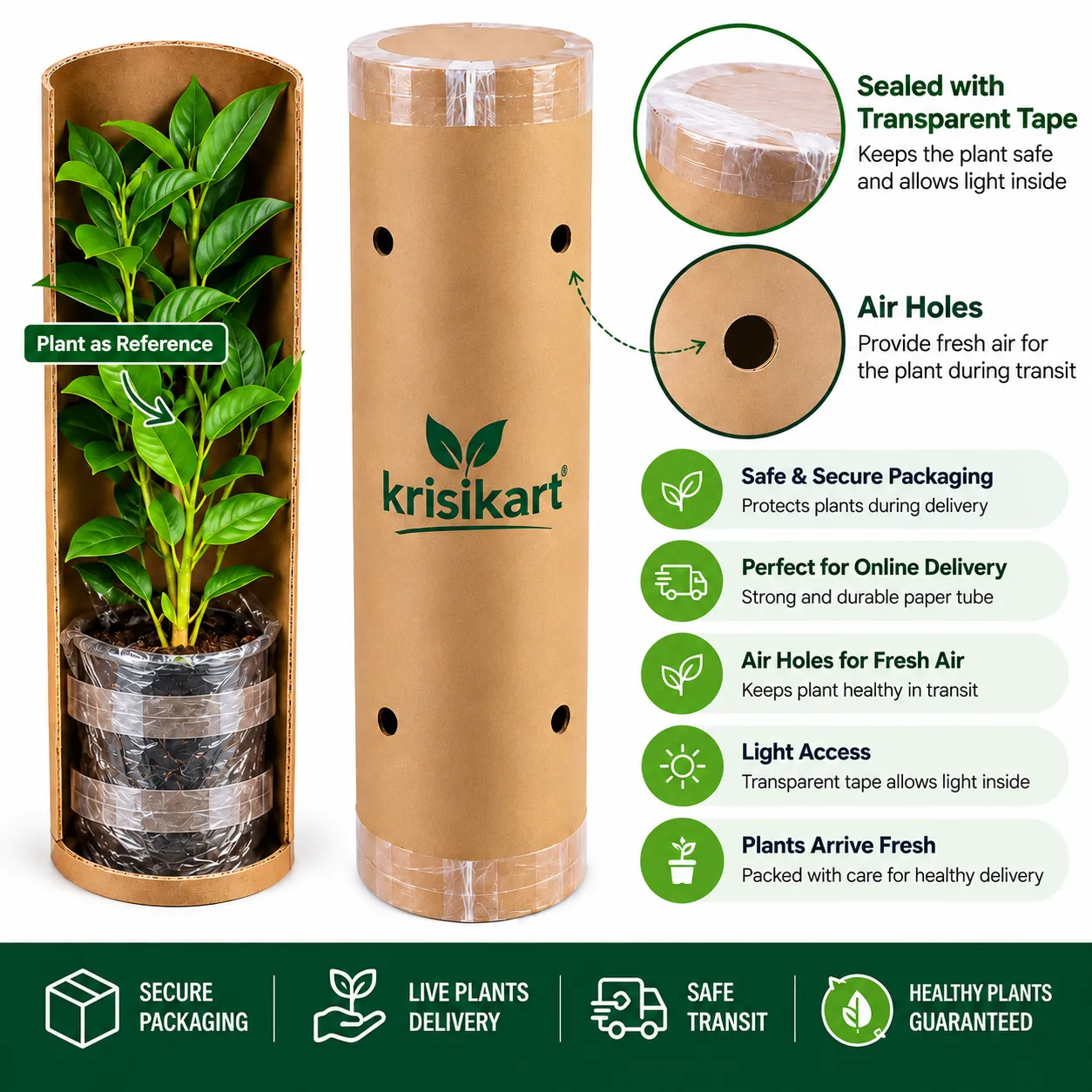
Some leaves may become yellow or fall during packing and transportation. The plant may also need some time to adjust to its new location.
After receiving your plant:
- Carefully remove the packaging.
- Keep it in a bright place with indirect sunlight.
- Check the soil before watering.
- Avoid strong afternoon sunlight immediately after delivery.
- Do not add heavy fertilizer immediately.
- Remove only completely dry or damaged leaves.
- Give the plant time to adjust to its new surroundings.
Why Choose a Lady Palm Plant?
The Lady Palm is a lovely choice for people who want an attractive green palm for their home or garden.
- Beautiful dark green, fan-shaped leaves.
- Multiple stems create a bushy appearance.
- Suitable for indoor and shaded outdoor spaces.
- Can tolerate lower-light conditions.
- Slow-growing and needs little pruning.
- Suitable for decorative pots and container gardening.
- Adds a tropical look to homes, offices and gardens.
- Listed as non-toxic to cats and dogs by the ASPCA.
Botanical Information & Further Reading
Explore these trusted resources to learn more about the Lady Palm:
- Kew – Plants of the World Online: Rhapis excelsa – Accepted scientific name, plant family and native distribution.
- India Flora Online – Rhapis excelsa – Indian botanical information, common name and plant distribution.
- State Botanical Garden Odisha – Lady Palm – Plant appearance, local name and ornamental uses in India.
- University of Florida – Lady Palm – Plant growth, indoor use, watering and growing conditions.
- Royal Horticultural Society – Rhapis excelsa – Plant characteristics, sunlight, soil, pruning and cultivation.
- University of North Florida – Rhapis excelsa – Information about its clumping growth, shade needs and garden use.
- ASPCA – Lady Palm – Pet safety information for dogs and cats.
Frequently Asked Questions (FAQs)
1. Is Lady Palm suitable for indoor growing?
Yes. The Lady Palm is a popular indoor ornamental palm. It can grow in bright, indirect light and can also tolerate lower-light conditions.
2. Can I grow Lady Palm in my home garden?
Yes. It grows well in shaded or partially shaded garden areas. Choose a location with well-drained soil and protection from harsh sunlight.
3. Does Lady Palm need direct sunlight?
No. It prefers partial shade or bright, indirect sunlight. Strong direct sunlight can burn its leaves.
4. How often should I water my Lady Palm?
Water when the upper layer of soil starts to feel dry. Keep the soil slightly moist but avoid waterlogging.
5. Is Lady Palm suitable for Indian weather?
Yes. It can grow in many parts of India, especially in warm and humid conditions. Protect it from harsh afternoon sunlight and provide good drainage during the monsoon.
6. Does Lady Palm grow fast?
No. It is a slow-growing palm. New stems develop gradually from the base of the plant.
7. Can I grow Lady Palm in a pot?
Yes. It grows well in decorative pots with drainage holes. It is suitable for indoor spaces, balconies, patios and shaded terraces.
8. Does Lady Palm produce flowers?
Yes. Mature plants can produce small flowers in clusters. Small fruits may develop after flowering.
9. Is Lady Palm safe for cats and dogs?
The ASPCA lists Lady Palm as non-toxic to cats and dogs. However, it is still best to prevent pets from chewing ornamental plants.
10. Why are the leaves of my Lady Palm turning brown?
Brown leaf tips may develop because of dry air, irregular watering, mineral build-up or strong sunlight. Check the plant’s growing conditions.
11. Can Lady Palm grow in low light?
It can tolerate lower light better than many other palms. However, a bright indoor location with indirect sunlight is better for healthy growth.
12. How can I make my Lady Palm look bushier?
The plant naturally produces new stems from underground shoots. Give it suitable light, watering and soil conditions. Its bushy appearance develops gradually over time.
For More Information
Visit: krisikart.com
For Contact Visit:Contact Us
For Shopping Visit: Shop Page


Reviews
There are no reviews yet.