 Plastic Plant pot | Plastic Garden Pot for Plants
 Self Watering Planters | Self Watering Plant Pots For Plants
Big Leaf Mahogany Plant – Mahogany Tree (Swietenia macrophylla)
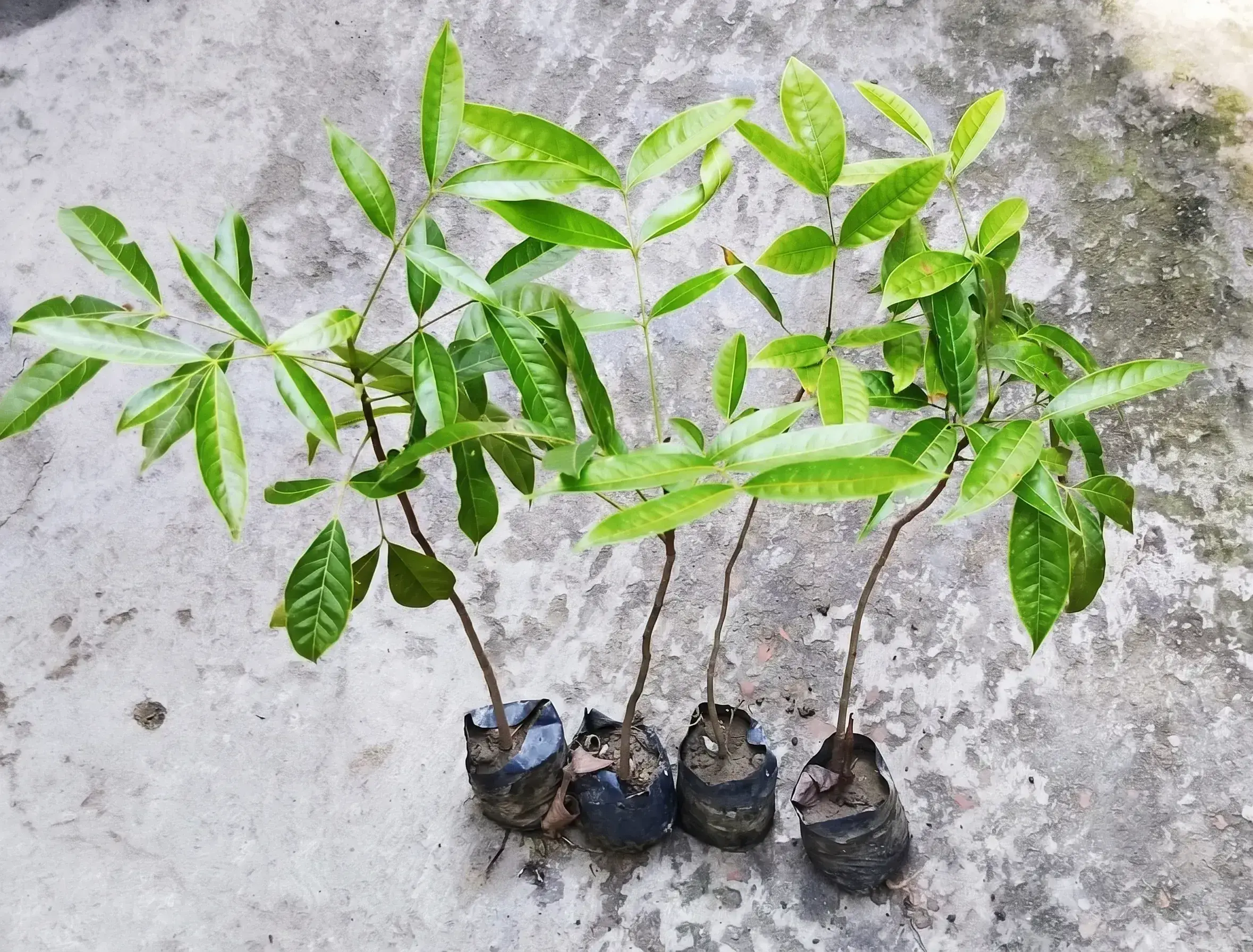
The Big Leaf Mahogany Plant (Swietenia macrophylla) Mahogany Swietenia Plant is a beautiful tropical evergreen to semi-evergreen tree known for its large compound leaves, strong trunk and impressive spreading crown. It is also widely known as Honduran Mahogany, Large-Leaf Mahogany and American Mahogany.
This tree is valued for its attractive appearance, shade-giving canopy and high-quality reddish-brown timber. It is a popular choice for spacious gardens, farmhouses, avenues, agricultural land and landscape plantations.
Big Leaf Mahogany can grow in suitable Indian climates, including West Bengal. However, it eventually becomes a very large tree, so it should be planted where it has enough space to develop naturally.
Plant Highlights
- Common Name: Big Leaf Mahogany, Mahogany Tree, Honduran Mahogany
- Scientific Name: Swietenia macrophylla
- Family: Meliaceae
- Plant Type: Large tropical tree
- Origin: Central and South America
- Foliage: Green compound leaves
- Growth Habit: Upright trunk with a spreading crown
- Sunlight: Full sunlight
- Watering: Regular watering when young
- Soil: Deep, fertile and well-drained soil
- Uses: Shade, landscaping, avenue planting and timber plantations
- Suitable Climate: Tropical and subtropical regions
About the Big Leaf Mahogany Tree
Big Leaf Mahogany is a tropical hardwood tree native to Central and South America. It has been introduced and cultivated in several tropical countries, including India.
The tree is especially valued for its timber, which has an attractive reddish-brown colour and is used in furniture, cabinetry, plywood, interior work and other woodworking applications.
Its large canopy also makes it useful as a shade tree in suitable open spaces. In India, mahogany is grown in plantations, farm boundaries and large landscape areas.
Appearance and Growth
The tree develops a strong, generally straight trunk with a broad, spreading crown. Its bark is greyish-brown and becomes rougher as the tree matures.
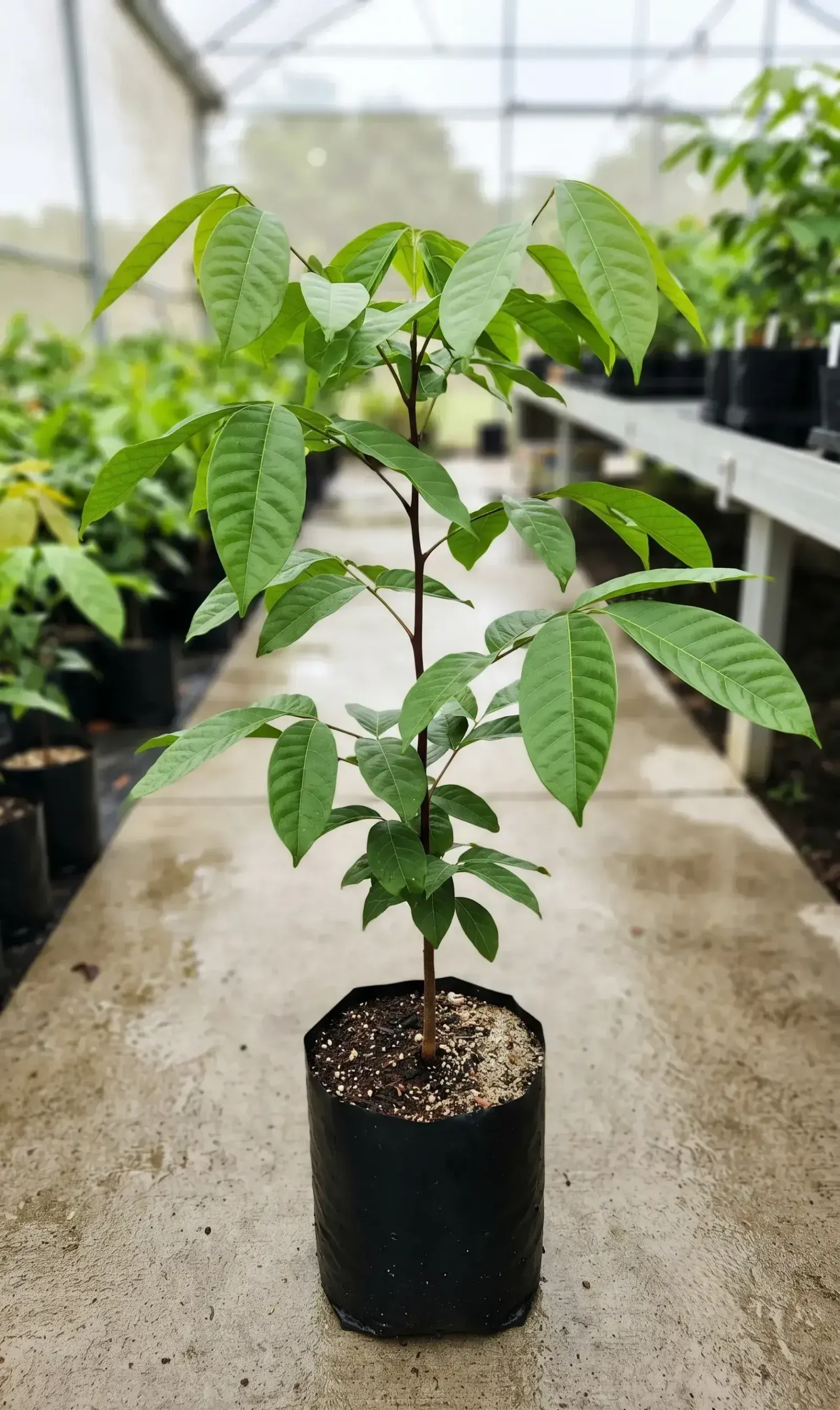
The leaves are compound, meaning each leaf is made up of several smaller leaflets arranged along a central stalk. New leaves may appear reddish or light green before becoming darker green as they mature.
Under favourable conditions, Big Leaf Mahogany can become a very tall tree. Mature trees commonly reach approximately 30–40 metres, although actual size depends on climate, soil and growing conditions.
Important: This is not a naturally dwarf tree. The name Big Leaf Mahogany refers to its large foliage and botanical identity, not a compact garden variety.
Flowers and Fruits
Big Leaf Mahogany produces small greenish or cream-coloured flowers in clusters. The flowers are not particularly showy compared with ornamental flowering plants.
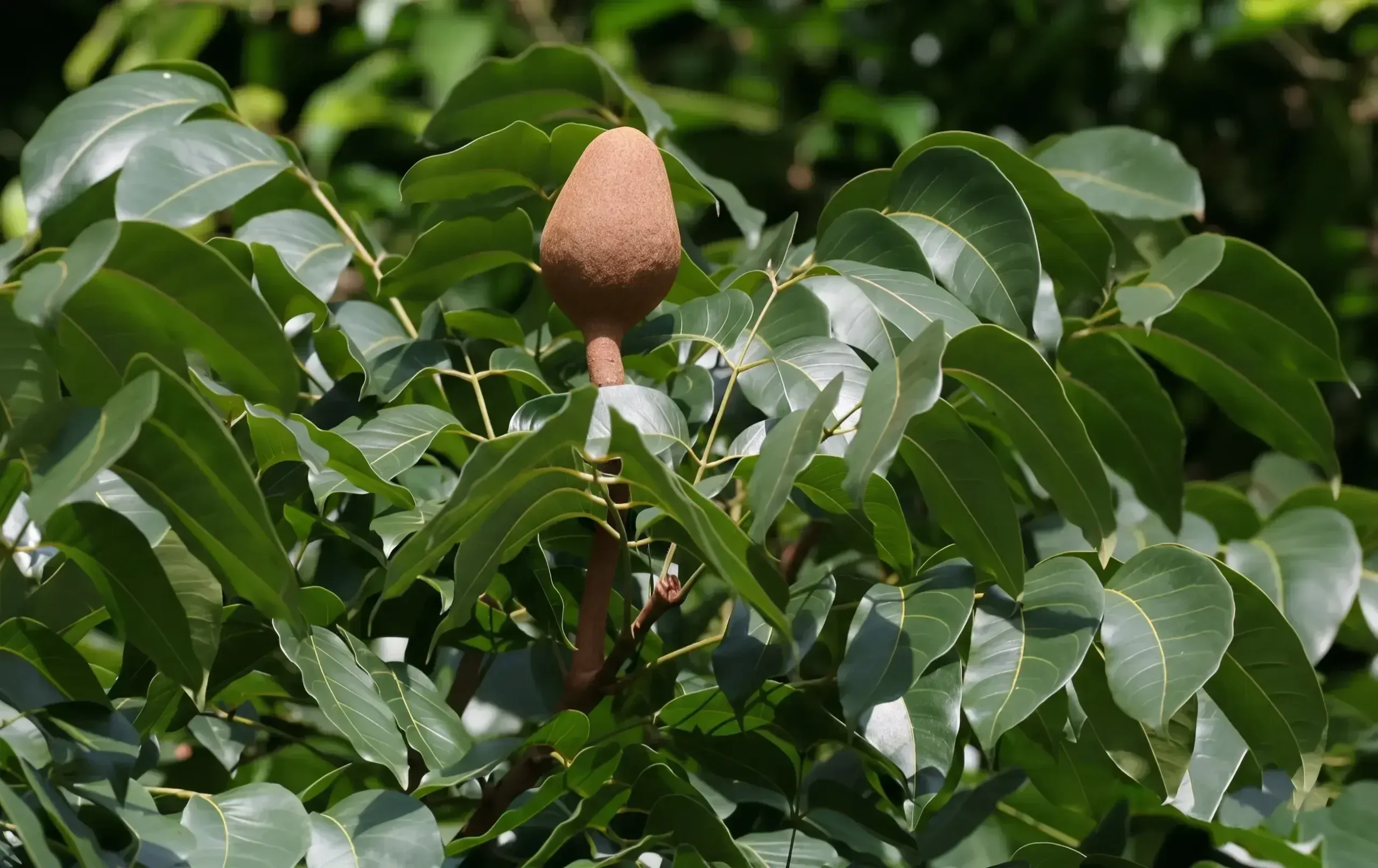
After flowering, the tree develops large, woody, capsule-like fruits. When mature, these capsules split open and release winged seeds that can be dispersed by wind.
Flowering and fruiting depend on the tree’s age, growing conditions and local climate. A young nursery plant should not be expected to produce flowers or fruits immediately.
Sunlight Requirements
Big Leaf Mahogany grows best in a location receiving plenty of sunlight.
- Choose an open outdoor location.
- Provide full sunlight for healthy growth.
- Avoid planting it in permanently shaded areas.
- Young plants may benefit from some protection from extreme afternoon heat while establishing.
Good sunlight helps the tree develop a strong trunk and healthy foliage.
Watering Requirements
Young mahogany plants need regular watering while their roots are developing.
- Water when the upper layer of soil begins to dry.
- Keep the soil lightly moist during the initial establishment period.
- Increase watering during prolonged hot and dry weather.
- Reduce watering during the monsoon if rainfall is sufficient.
- Avoid keeping the roots in standing water.
Established trees can tolerate some dry periods, depending on local soil and climate.
Soil Requirements
Deep, fertile and well-drained soil is ideal for Big Leaf Mahogany.
A suitable growing medium should allow roots to spread deeply while providing enough moisture and nutrients.
For planting in a garden, improve heavy soil with suitable organic matter and ensure that rainwater drains away properly.
Avoid:
- Permanently waterlogged soil
- Highly saline soil
- Poorly drained planting locations
- Very shallow soil with limited rooting space
Temperature and Indian Climate
Big Leaf Mahogany is a tropical tree and grows well in warm climates.
It can be cultivated in suitable parts of India, including West Bengal, where warm temperatures and seasonal rainfall support tropical tree growth.
Growing tips for West Bengal:
- Plant during the monsoon or another period when the soil has adequate moisture.
- Make sure the planting location drains well during heavy rainfall.
- Water young plants during long dry periods.
- Protect young plants from strong winds if they are not yet established.
- Avoid low-lying areas where water collects around the roots.
Fertilizer Requirements
A young mahogany plant benefits from healthy soil and moderate nutrition.
- Add well-decomposed compost around the plant.
- Use a balanced fertilizer when necessary, following the product instructions.
- Apply organic matter around the root zone without piling it against the trunk.
- Avoid excessive fertilizer, especially when the plant is young.
Once established in fertile ground, the tree may require less frequent feeding.
Growing Mahogany in Pots
Big Leaf Mahogany is not a suitable long-term container plant because it develops into a large tree with an extensive root system.
A young nursery sapling can temporarily be kept in a large container while it is small. However, it should eventually be planted in open ground where its roots and canopy can develop properly.
For permanent planting, choose a spacious outdoor location rather than a balcony, terrace or small courtyard.
Best Places to Grow
Big Leaf Mahogany is suitable for:
- Large home gardens
- Farmhouses and agricultural land
- Open landscapes
- Tree plantations
- Suitable farm boundaries
- Large avenue and shade-tree projects
Do not plant it too close to buildings, underground pipes, boundary walls or overhead electrical wires. Consider its eventual height, crown spread and root development before selecting the planting position.
Pruning and Maintenance
Mahogany generally develops a strong upright trunk and a spreading crown.
- Remove dead or damaged branches when necessary.
- Prune crossing or poorly positioned branches carefully.
- Maintain a suitable structure while the tree is young.
- Avoid unnecessary heavy pruning.
- Use clean pruning tools.
For large trees, major pruning should be handled by a qualified tree-care professional.
Propagation
Big Leaf Mahogany is commonly propagated through seeds.
The seeds are collected from mature, naturally opened or carefully harvested fruit capsules. Healthy seeds can be sown in a suitable nursery medium with good drainage.
Young seedlings need:
- Warm growing conditions
- Moist but not waterlogged soil
- Adequate light
- Protection from grazing animals and physical damage
Seed germination and seedling growth can vary depending on seed freshness and nursery conditions.
Common Problems and Solutions
1. Yellowing Leaves
Possible causes include overwatering, poor drainage, nutrient deficiency or transplant stress. Check soil moisture and improve drainage where necessary.
2. Slow Growth
Young plants may grow slowly when they receive insufficient sunlight, have restricted roots or grow in poor soil. Provide an open location and suitable growing conditions.
3. Leaf Damage
Insects and other pests may damage young foliage. Inspect leaves regularly and use an appropriate plant-care treatment if a pest problem is identified.
4. Root Problems
Waterlogged soil can cause root damage. Choose a well-drained planting location and avoid excessive watering.
5. Broken or Damaged Branches
Strong winds and storms can damage branches, particularly on young trees. Support vulnerable young plants where needed and remove damaged branches safely.
Is Big Leaf Mahogany Suitable for Indoor Growing?
No. Big Leaf Mahogany is an outdoor tree, not an indoor ornamental plant.
It requires strong sunlight, deep soil and substantial space for its roots and canopy. It is best grown in open gardens, farmhouses, plantations and other large outdoor locations.
Safety and Planting Considerations
Big Leaf Mahogany should be treated as a long-term landscape tree rather than a small decorative plant.
Before planting:
- Check the available space and future canopy size.
- Keep it away from buildings and utility lines.
- Avoid planting in waterlogged locations.
- Check local tree-cutting, transport and timber regulations before planning commercial harvesting.
The species is listed in CITES Appendix II for international trade in its timber. This does not mean that every ordinary garden planting is prohibited, but relevant trade and transport rules should be checked before commercial activity.
Live Plant Delivery
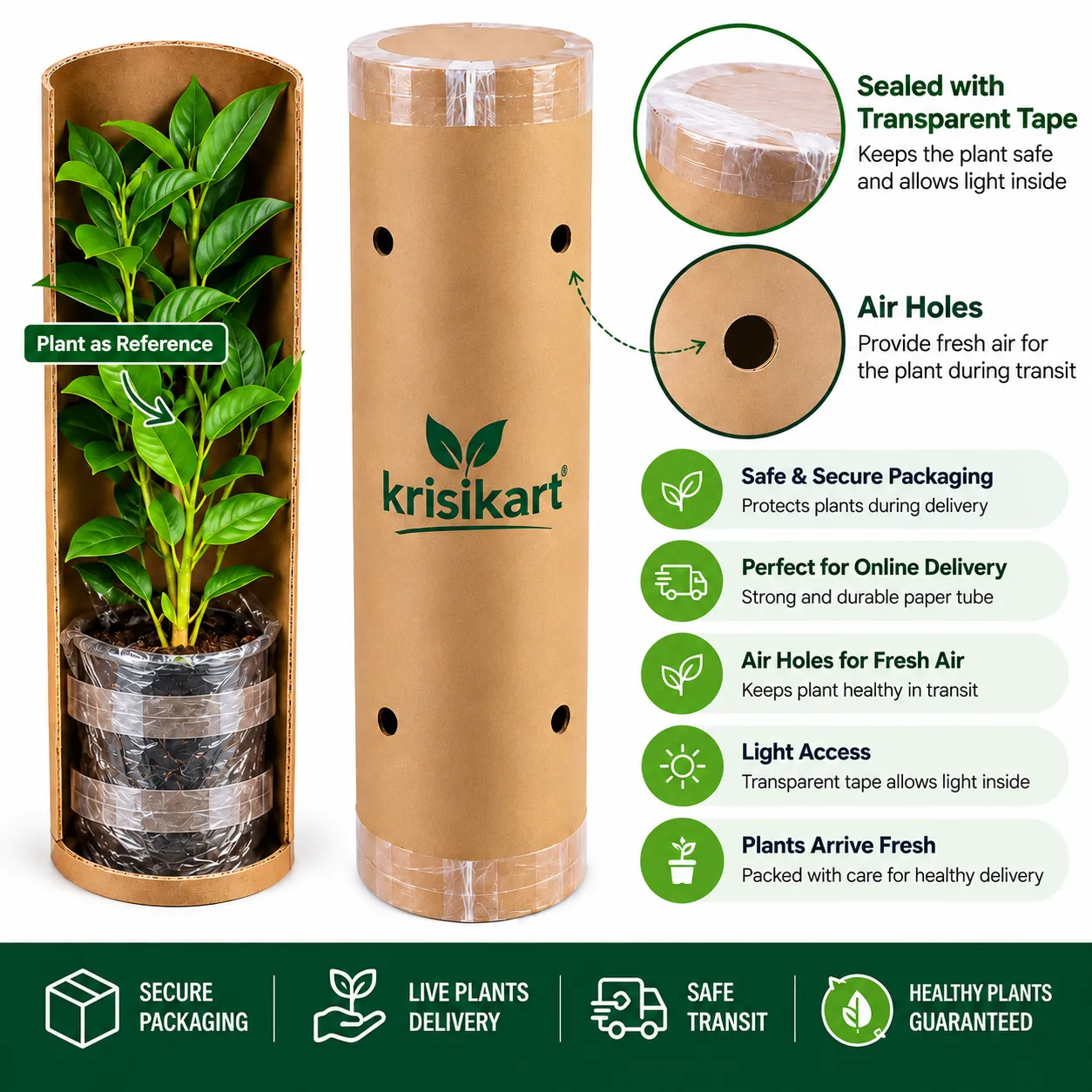
We take care to pack and deliver your Big Leaf Mahogany plant safely.
- The plant is supplied as a live nursery plant.
- Plant height and size may vary depending on availability and growth stage.
- Leaf count, shape and appearance may differ slightly from the product photograph.
- Some leaves may show minor changes during transportation.
- Allow the plant time to adjust after delivery before applying fertilizer.
Why Choose Big Leaf Mahogany?
Big Leaf Mahogany is an excellent choice for people looking to grow a long-term tropical tree with attractive foliage and a broad canopy.
Its combination of shade value, impressive growth habit and importance as a timber species makes it suitable for spacious gardens, farmhouses and plantation projects.
Choose this tree when you have enough outdoor space and want to establish a large, long-lasting landscape tree.
Botanical Information & Further Reading
Learn more about Big Leaf Mahogany from these botanical and forestry resources:
- Kew – Plants of the World Online: Swietenia macrophylla
- Indian Council of Forestry Research and Education – Swietenia macrophylla
- Institute of Wood Science and Technology – Genuine Mahogany: Cultivation, Management & Uses
- World Agroforestry – Big Leaf Mahogany Species Profile
- FAO EcoCrop – Swietenia macrophylla
- PROSEA – Swietenia macrophylla
- ICFRE Institute of Wood Science and Technology
Frequently Asked Questions
1. What is the scientific name of Big Leaf Mahogany?
The scientific name is Swietenia macrophylla. It belongs to the Meliaceae family.
2. Is Big Leaf Mahogany suitable for growing in India?
Yes. It is cultivated in several parts of India, including West Bengal, Kerala, Tamil Nadu and other suitable tropical regions.
3. How tall does a Mahogany tree grow?
It commonly reaches around 30–40 metres under favourable conditions. Its final size depends on the growing environment.
4. Can I grow Big Leaf Mahogany in a small home garden?
It is not recommended for a small garden because it eventually becomes a very large tree. It is better suited to spacious gardens, farmhouses and open land.
5. Does Mahogany need full sunlight?
Yes. Full sunlight is best for healthy growth and strong development.
6. How often should I water a young Mahogany plant?
Water when the upper soil begins to dry. Increase watering during hot, dry weather and reduce it during periods of heavy rainfall.
7. Which soil is best for Mahogany?
Deep, fertile and well-drained soil is ideal. Avoid permanently waterlogged and highly saline soil.
8. Can Mahogany grow in West Bengal?
Yes. West Bengal has suitable warm tropical conditions in many locations. Proper drainage is especially important during the monsoon.
9. Does Big Leaf Mahogany produce flowers?
Yes. Mature trees produce small greenish or cream-coloured flowers in clusters. They are not particularly showy.
10. How is Mahogany propagated?
It is commonly propagated through seeds collected from mature fruit capsules.
11. Can I grow Mahogany in a pot?
A young plant can temporarily grow in a large pot, but it is not suitable for permanent container cultivation because it develops into a large tree.
12. Is Big Leaf Mahogany the same as all other Mahogany trees?
No. The name Mahogany is used for several different tree species. Swietenia macrophylla is specifically known as Big Leaf or Honduran Mahogany.
13. Is Mahogany an evergreen tree?
It is generally evergreen to semi-evergreen. It may shed some leaves for a short period, depending on climate and growing conditions.
14. Can I plant Mahogany near my house?
Choose a location with plenty of open space. Avoid planting it close to buildings, walls, underground utilities or overhead electrical wires because it can become a very large tree.
For More Information
Visit: krisikart.com
For Contact Visit: Contact Us
For Shopping Visit: Shop Page


Reviews
There are no reviews yet.