 Plastic Plant pot | Plastic Garden Pot for Plants
 Self Watering Planters | Self Watering Plant Pots For Plants
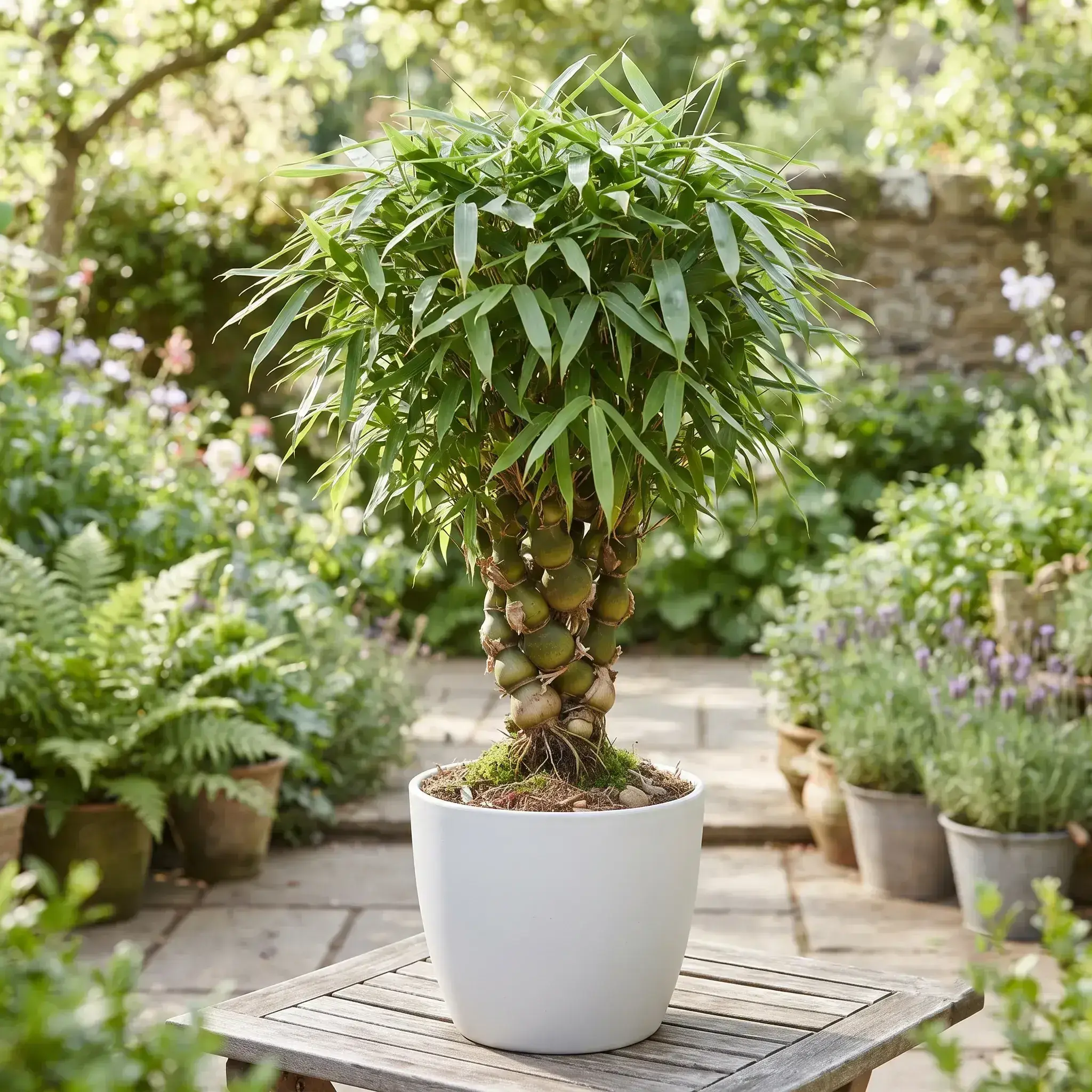
Buddha Belly Bamboo – Buddha Bamboo Plant (Bambusa ventricosa)
The Buddha Belly Bamboo (Bambusa ventricosa). This ornamental bamboo is famous for its unusual swollen stem sections, which resemble a rounded belly and give the plant its popular name.
Also known as Buddha Bamboo or Buddha’s Belly Bamboo, this attractive evergreen bamboo is grown for its distinctive green stems, decorative foliage and elegant clumping growth habit.
Unlike ordinary bamboo, its stems can develop attractive bulging sections, especially when grown in containers under certain growing conditions. This makes it an interesting choice for decorative pots, bonsai-style arrangements, patios, balconies and landscape gardens.
Buddha Belly Bamboo grows well in warm tropical and subtropical climates and can be cultivated in suitable parts of India, including West Bengal.
Plant Highlights
- Common Name: Buddha Belly Bamboo, Buddha Bamboo, Buddha’s Belly Bamboo
- Scientific Name: Bambusa ventricosa
- Family: Poaceae (Grass Family)
- Plant Type: Evergreen ornamental bamboo
- Origin: Southern China and Vietnam
- Stem Colour: Green
- Special Feature: Swollen, rounded stem sections
- Foliage: Narrow, green leaves
- Growth Habit: Clump-forming bamboo
- Sunlight: Full sunlight to partial shade
- Watering: Regular watering, without waterlogging
- Soil: Fertile, moist and well-drained soil
- Uses: Garden decoration, container planting, privacy screens and bonsai-style displays
About the Buddha Belly Bamboo Plant
Buddha Belly Bamboo is a distinctive bamboo species belonging to the Poaceae family. It is native to southern China and is also associated with Vietnam.
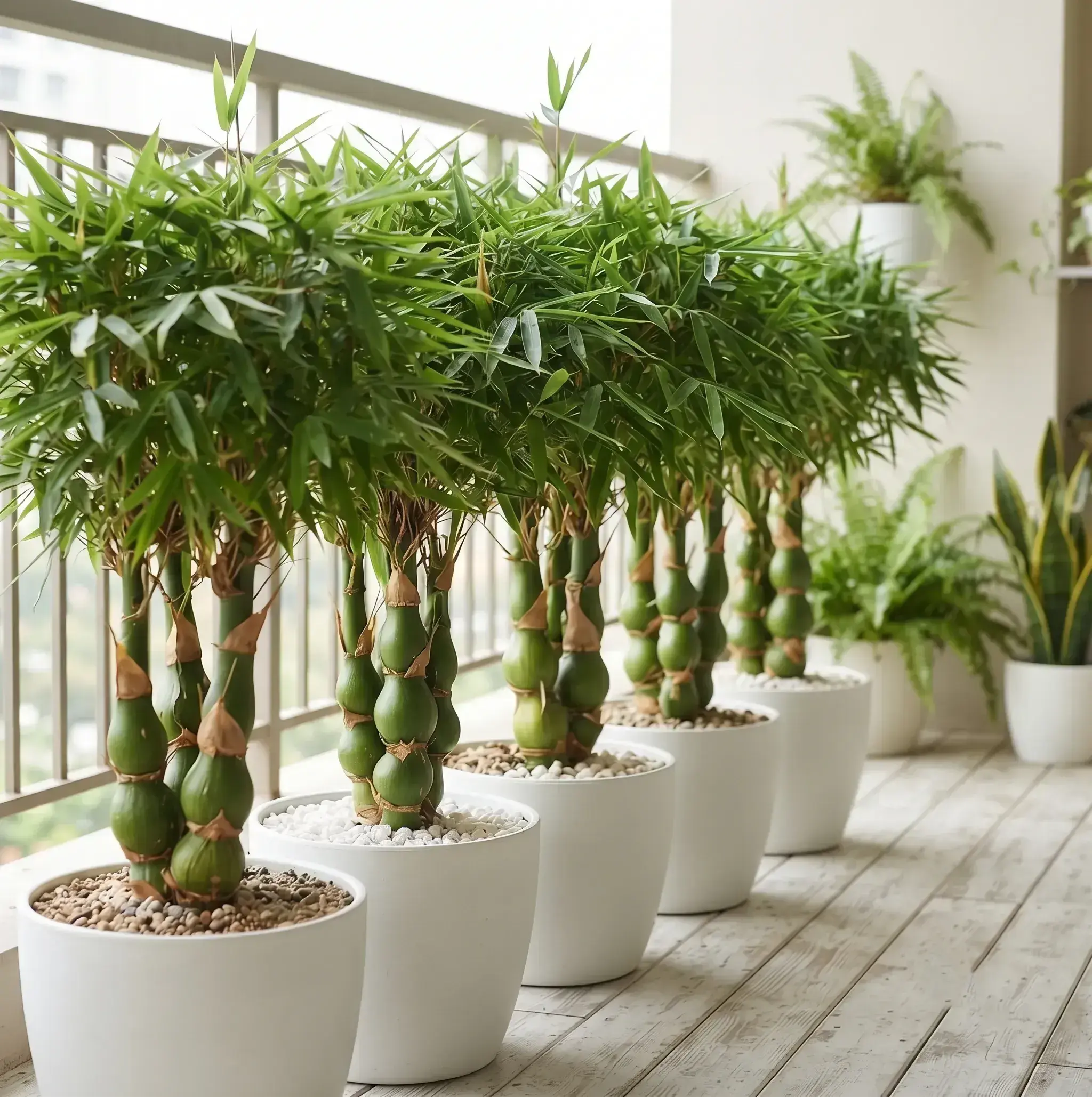
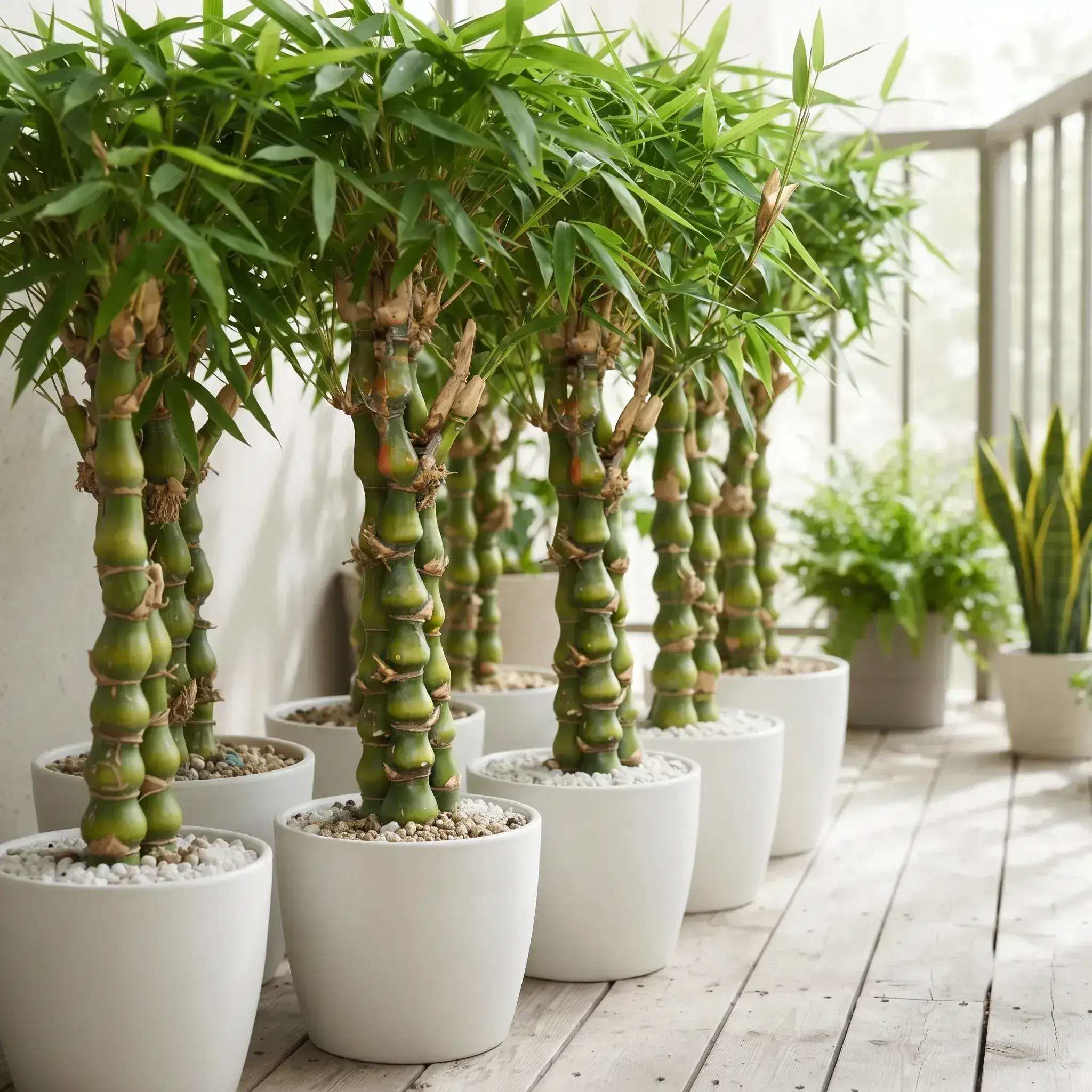
Its most interesting feature is its swollen stem sections, technically called internodes. These rounded sections create a unique appearance that makes the plant different from ordinary bamboo.
The bamboo is widely cultivated as an ornamental plant in tropical and subtropical gardens. It can be grown in open ground or large containers, depending on the available space and desired appearance.
Appearance and Growth
Buddha Belly Bamboo develops upright green stems called culms, with branches and narrow green leaves.
Its main ornamental features include:
- Distinctive swollen stem sections.
- Attractive green bamboo culms.
- Narrow, elongated leaves.
- Upright and clumping growth.
- Dense foliage under suitable growing conditions.
The swollen stem appearance is particularly noticeable in certain container-grown plants. Under unrestricted growing conditions, the stems may be more normally shaped.
When planted in open ground, this bamboo can become a large plant, potentially reaching approximately 10–17 metres under favourable conditions. Its height varies with climate, growing space and plant form.
Why Does Buddha Belly Bamboo Have Swollen Stems?
The special appearance of this bamboo comes from its swollen internodes, which are the sections between the nodes of a bamboo stem.
Under certain growing conditions, these internodes become shorter and noticeably rounded.
Factors such as restricted root space and growing stress can influence the development of swollen stems. However, deliberately keeping a plant severely dry or starving it of nutrients is not recommended because excessive stress can damage its health.
The swollen-stem effect also varies between individual plants and growing forms. Not every nursery plant will show equally prominent bulges.
Flowers and Flowering Season
Bamboo flowering is different from ordinary ornamental flowering plants.
Buddha Belly Bamboo is mainly grown for its decorative stems and foliage rather than flowers. Flowering is uncommon in ordinary garden cultivation.
Like other bamboos, it can produce flowers and seeds during its flowering cycle, but flowering behaviour is irregular and may depend on the plant’s growth cycle.
Sunlight Requirements
Buddha Belly Bamboo grows well in full sunlight to partial shade.
- Provide a bright outdoor location.
- Full sunlight supports strong growth.
- Partial shade is suitable in hot locations.
- Protect young plants from excessive afternoon heat.
- Avoid keeping the plant in deep shade for long periods.
Good natural light supports healthy stems and foliage.
Watering Requirements
The plant prefers consistently moderate soil moisture but does not tolerate prolonged waterlogging.
- Water regularly during active growth.
- Check the soil before watering again.
- Increase watering during hot and dry weather.
- Reduce watering during heavy monsoon rainfall.
- Avoid allowing the roots to remain in standing water.
- Container-grown plants may need more frequent watering than plants in open ground.
Do not allow the soil to become excessively dry for long periods, particularly when the plant is young.
Soil Requirements
Buddha Belly Bamboo grows best in fertile, organic-rich and well-drained soil.
A suitable potting mixture can contain:
- Garden soil
- Well-decomposed compost
- Cocopeat
- Coarse sand or perlite for drainage
The soil should retain enough moisture for healthy growth while allowing excess water to drain freely.
Avoid heavy soil that remains waterlogged after rainfall.
Temperature and Indian Climate
Buddha Belly Bamboo prefers warm tropical and subtropical conditions. It can grow in suitable Indian climates, including West Bengal.
Growing tips for West Bengal:
- Provide full sunlight or partial shade.
- Maintain moderate soil moisture during summer.
- Ensure proper drainage during the monsoon.
- Avoid keeping containers in standing rainwater.
- Protect young plants from strong drying winds.
- Provide shelter during unusually cold weather.
The warm and humid conditions of West Bengal can support healthy growth when proper drainage and watering are maintained.
Fertilizer Requirements
Buddha Belly Bamboo benefits from regular but balanced nutrition.
- Add well-decomposed compost around the plant.
- Use a balanced fertilizer suitable for ornamental bamboo.
- Feed during active growth.
- Avoid excessive fertilizer application.
- Maintain healthy soil with organic matter.
Adequate nutrition supports strong culms and healthy green foliage.
Growing Buddha Belly Bamboo in Pots
Buddha Belly Bamboo is an attractive choice for large decorative containers and bonsai-style displays.
For successful pot cultivation:
- Choose a sturdy container with drainage holes.
- Use fertile, well-drained potting soil.
- Place the pot in a bright outdoor location.
- Water regularly according to soil moisture.
- Maintain a suitable balance between root space and plant size.
- Remove old or damaged culms when necessary.
- Repot when the root mass becomes crowded.
Container cultivation can help maintain a more compact plant and may encourage the distinctive swollen internodes.
Important: Do not deliberately keep the plant severely under-watered or deprived of nutrients to produce swollen stems. Healthy growth should remain the priority.
Best Places to Grow
Buddha Belly Bamboo is suitable for:
- Home gardens
- Large decorative pots
- Patios and terraces
- Garden entrances
- Tropical landscape arrangements
- Privacy screens
- Large outdoor containers
- Bonsai-style ornamental displays
Its unusual stems make it an attractive feature plant in gardens and landscape designs.
Pruning and Maintenance
Regular maintenance helps keep Buddha Belly Bamboo healthy and attractive.
- Remove dry or damaged culms.
- Cut old stems near the base when necessary.
- Remove dead leaves and unwanted branches.
- Maintain a balanced clump shape.
- Avoid unnecessary heavy cutting of healthy stems.
- Clean pruning tools after use.
Because bamboo spreads through underground rhizomes, monitor the clump’s growth and provide adequate space.
Propagation
Buddha Belly Bamboo can be propagated through clump division and suitable culm or rhizome sections.
Propagation through clump division:
- Select a healthy, established bamboo clump.
- Carefully expose a suitable section of the root and rhizome system.
- Separate a healthy division containing roots and growing shoots.
- Re
For More Information
Visit: krisikart.com
For Contact Visit:Contact Us
For Shopping Visit: Shop Page


Jayesh Sharma –
Beautiful collection and good customer service.
A trustworthy website for plant lovers.
The roots were healthy and moist.
The plants adapted very quickly.