
 Plastic Plant pot | Plastic Garden Pot for Plants
 Self Watering Planters | Self Watering Plant Pots For Plants
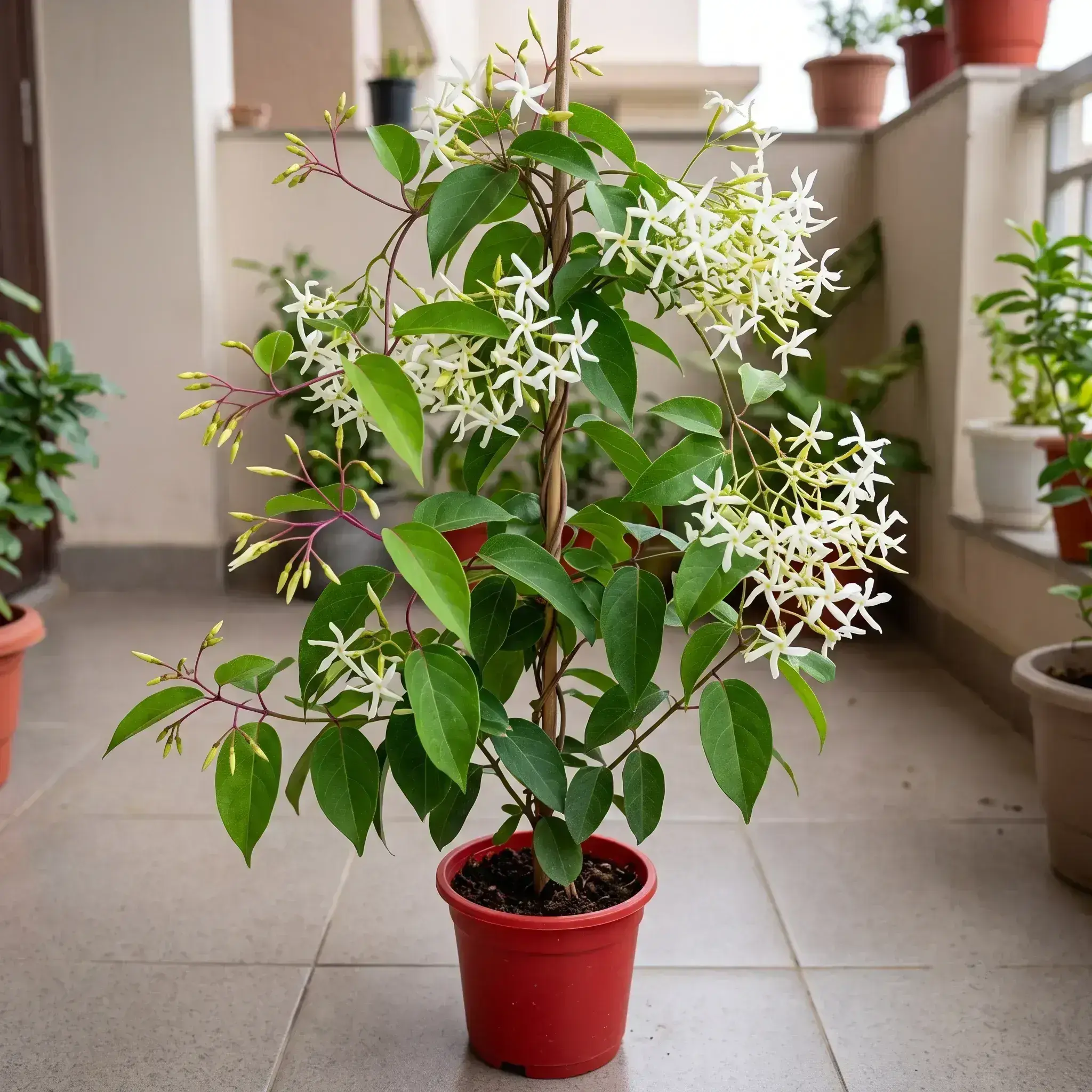
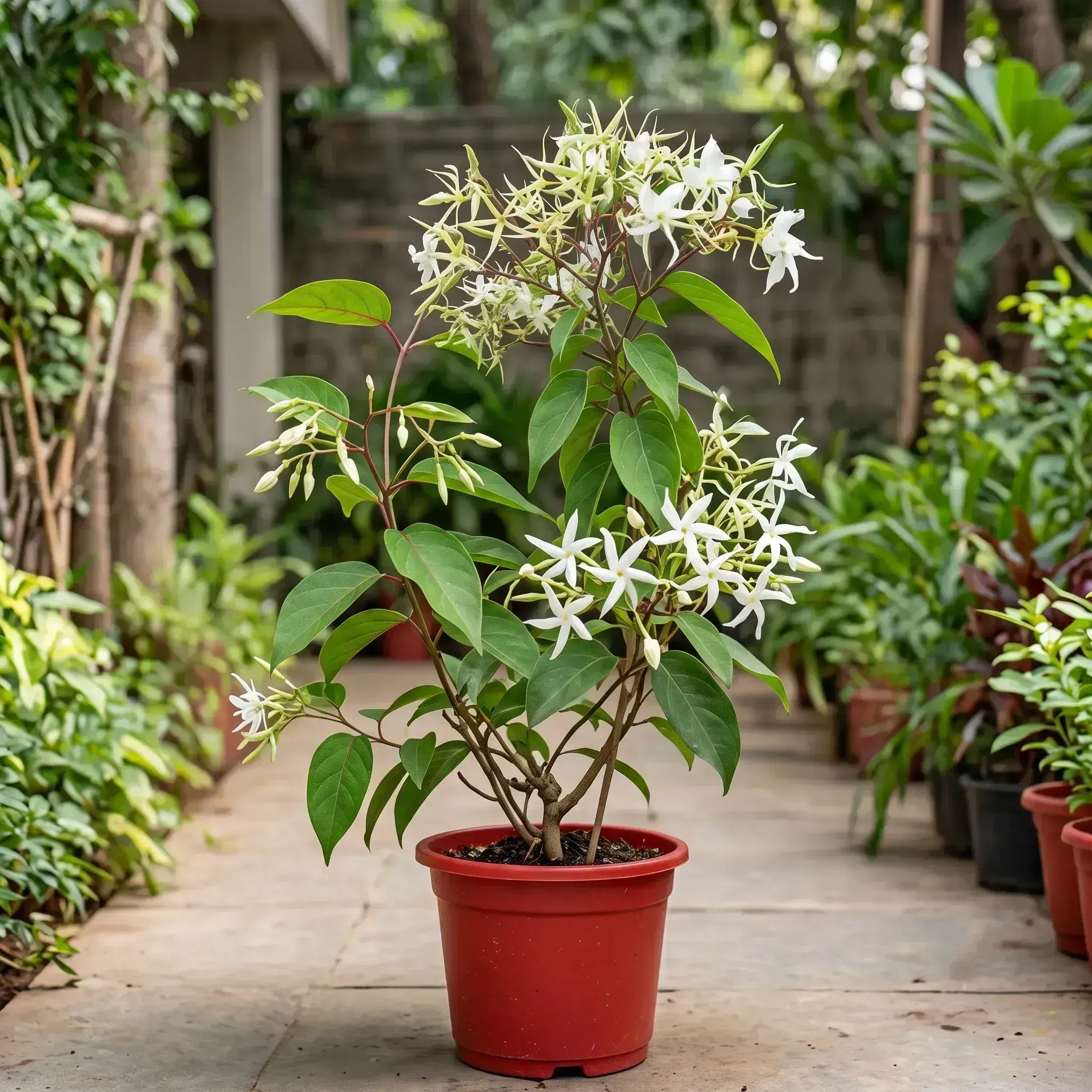
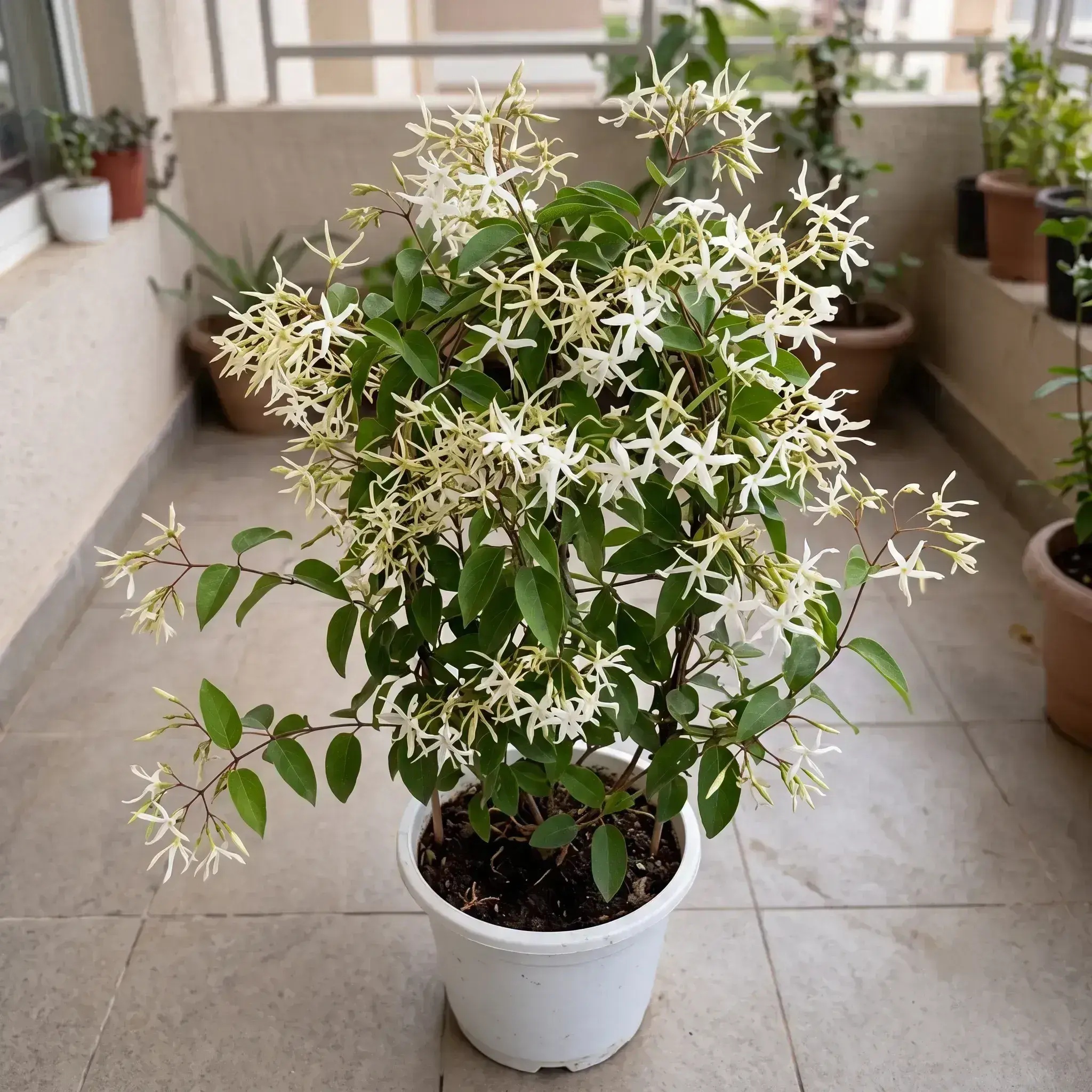
Malati Flower Plant – Maloti (Aganosma heynei) Plant
The Malati Flower Plant Also Known As Maloti Plant ( Aganosoma Heynei ) Plant, is a beautiful Indian flowering climber admired for its clusters of small, white, fragrant flowers.
Its delicate flowers have five narrow petals and a pleasant, slightly spicy fragrance. When the plant blooms, its branches become decorated with attractive white flowers, making it a lovely addition to home gardens, balconies, terraces and outdoor landscapes.
The Malati Plant is a woody climbing plant that can grow along fences, trellises and garden supports. It is a good choice for people who enjoy traditional Indian flowering plants with natural fragrance.
With suitable sunlight, fertile soil, regular watering and proper support, this plant can become an attractive flowering climber in your garden.
Plant Highlights
- Common Name: Malati, Maloti, Gandhamalati, Clove-scented Echites
- Scientific Name: Aganosma heynei
- Family: Apocynaceae
- Plant Type: Woody flowering climber
- Growth Habit: Climbing and spreading
- Flower Colour: White
- Flower Shape: Small flowers with five narrow petals
- Flower Fragrance: Sweet, spicy and pleasant
- Foliage Colour: Green
- Leaf Type: Simple, opposite, oval-shaped leaves
- Growth Rate: Depends on growing conditions
- Light Requirement: Full sunlight to partial shade
- Water Requirement: Regular watering during active growth
- Origin: India
- Best Uses: Home gardens, fences, trellises, garden supports and outdoor landscaping
About the Malati Plant
The Malati Plant is a native Indian flowering climber belonging to the Apocynaceae family.
Its botanical name is Aganosma heynei. It is valued for its fragrant white flowers and attractive climbing growth.
The flowers usually grow in clusters near the ends of branches. They have five delicate petals and a pleasant fragrance that is often described as spicy or clove-like.
In India, the plant is known by different regional names, including Malati, Maloti and Gandhamalati.
It is especially attractive during its flowering period and can be trained along suitable garden supports.
Plant Appearance and Growth
The Malati Plant is a woody climber with spreading branches and green foliage.
Its leaves grow opposite each other along the branches. They are generally oval-shaped with a slightly leathery appearance.
The plant produces clusters of small, white flowers. Each flower has five narrow petals that create a delicate, star-like appearance.
As the plant grows, its branches can spread and climb along fences, walls and trellises.
Providing suitable support helps guide its growth and makes the flowers easier to enjoy.
Flowering Season
The Malati Plant produces fragrant white flowers during favourable growing periods.
Flowering time can vary depending on local climate, rainfall, sunlight and plant maturity. Indian botanical records report flowering and fruiting during different periods, including February to September in some regions.
Tips for better flowering:
- Provide sufficient sunlight.
- Use fertile, well-drained soil.
- Water regularly during active growth.
- Add well-rotted compost.
- Avoid excessive fertilizer.
- Remove dry and damaged branches.
- Provide suitable climbing support.
A young or recently planted Malati may need time to become established before producing abundant flowers.
Sunlight Requirements
The Malati Plant grows well in bright outdoor locations with suitable sunlight.
A sunny location or partial shade can support its growth. Sufficient light is important for healthy branches and flowering.
Good places to grow this plant:
- Home garden
- Sunny balcony
- Terrace garden
- Along garden fences
- Near a trellis or climbing support
- Outdoor garden corners
- Near a garden entrance
In very hot summer weather, protect young plants from excessive afternoon heat while maintaining good natural light.
Watering Requirements
The Malati Plant prefers regular watering during active growth.
The soil should retain some moisture but should not remain waterlogged for long periods.
Watering tips:
- Check the upper soil before watering.
- Water when the surface begins to dry.
- Give enough water to reach the root area.
- Allow excess water to drain away.
- Avoid keeping the roots in standing water.
- Check soil moisture more often during summer.
- Reduce watering when growth slows.
- During the monsoon, avoid unnecessary watering.
The correct watering frequency depends on weather, soil type, pot size and growing location.
Soil and Potting Requirements
The Malati Plant grows well in fertile, well-drained soil.
A suitable home potting mix can contain:
- Good-quality garden soil
- Well-rotted compost
- Cocopeat or another suitable growing medium
- Perlite or coarse sand for better drainage
Use a container with drainage holes when growing the plant in a pot.
Avoid very heavy soil that holds excess water for long periods. Good drainage helps support healthy roots and new growth.
Temperature and Indian Climate
The Malati Plant is native to India and is suitable for warm tropical and subtropical garden conditions.
Summer: Provide regular watering and suitable sunlight. Protect young plants from severe heat stress.
Monsoon: Warm and rainy conditions can support active growth. Make sure excess water drains away properly.
Winter: Growth may slow in cooler conditions. Protect the plant from very cold winds and frost.
Its growth and flowering may vary between different regions of India.
Humidity Requirements
The Malati Plant can grow in normal outdoor humidity.
Warm and moderately humid conditions are suitable for its growth. Good air circulation helps maintain healthy foliage.
Avoid growing it in a poorly ventilated location where the soil remains continuously wet.
Fertilizer and Plant Feeding
The Malati Plant benefits from fertile soil and occasional feeding during active growth.
Fertilizer tips:
- Add well-rotted compost to the soil.
- Use a balanced garden fertilizer according to its label.
- Feed during active growing periods.
- Avoid excessive fertilizer.
- Do not apply fertilizer to extremely dry soil.
- Reduce feeding when growth slows.
Balanced nutrition supports healthy branches, leaves and flowering.
Pruning and Maintenance
The Malati Plant benefits from occasional pruning to control its climbing growth.
Maintenance tips:
- Remove completely dry or damaged branches.
- Trim overcrowded growth.
- Guide new branches along a trellis or support.
- Remove unwanted growth when necessary.
- Use clean gardening scissors.
- Avoid unnecessary heavy pruning.
Pruning helps maintain a manageable shape and keeps the plant looking neat.
Growing Malati Plant in Pots
The Malati Plant can be grown in a large container if enough space is provided for its roots and climbing branches.
Container-growing tips:
- Choose a medium or large pot.
- Use fertile, well-drained potting soil.
- Make sure the container has drainage holes.
- Provide a trellis or suitable climbing support.
- Place the pot in a bright outdoor location.
- Water according to soil moisture.
- Prune unwanted branches when necessary.
As the plant grows, it may need a larger container and stronger support.
Growing Malati Plant on a Trellis and Fence
The Malati Plant is especially attractive when grown along a garden support.
Its climbing branches can be guided along a trellis, fence or other suitable structure.
You can grow it near:
- Garden entrances
- Boundary fences
- Outdoor walls with suitable support
- Garden pergolas
- Trellises
- Large garden planters
Provide enough space for the branches to spread. Guide the young growth carefully instead of allowing it to become overcrowded.
Traditional and Decorative Uses of Malati Flowers
Malati flowers are valued for their fragrance and attractive white appearance.
Traditional and decorative uses include:
- Making fragrant flower arrangements.
- Decorating garden spaces.
- Adding flowers to traditional floral displays.
- Growing fragrant climbers near outdoor seating areas.
- Enjoying the natural fragrance during flowering.
The plant is mainly grown as an ornamental flowering climber. Do not assume that its flowers or other parts are suitable for eating or home remedies.
Common Problems and Their Care
1. Yellow Leaves
Yellow leaves may develop because of overwatering, poor drainage or unsuitable growing conditions. Check the soil and adjust watering.
2. Fewer Flowers
Insufficient sunlight, unsuitable feeding or poor growing conditions may reduce flowering. Provide sufficient light and fertile soil.
3. Drooping Leaves
Drooping may happen because of dry soil or root problems caused by excess water. Check soil moisture before watering.
4. Brown or Dry Leaf Edges
Dry leaf edges may develop because of irregular watering, excessive heat or other growing problems. Check the plant’s location and watering routine.
5. Slow Growth
Growth may slow because of insufficient sunlight, poor soil or unsuitable weather. Provide suitable light, fertile soil and climbing support.
6. Aphids and Mealybugs
These pests may sometimes appear on young shoots and leaves. Inspect the plant regularly and use a suitable garden pest treatment according to its label instructions.
7. Weak or Overcrowded Branches
Branches may become tangled or weak when the plant does not have enough space or support. Guide the branches along a suitable trellis and remove unwanted growth.
Propagation of Malati Plant
The Malati Plant can be propagated using suitable stem cuttings.
Basic propagation steps:
- Select a healthy, semi-mature branch.
- Prepare a suitable growing medium with good drainage.
- Place the cutting in the growing medium.
- Keep it in a bright, partially shaded location.
- Maintain suitable moisture without waterlogging.
- Allow time for roots to develop.
Successful rooting depends on the condition of the cutting, temperature, humidity and propagation method.
Important Plant Safety Information
The Malati Plant belongs to the Apocynaceae family. Plants in this family may produce milky sap.
Avoid eating any part of the plant. When pruning or handling damaged branches, use gardening gloves and avoid contact with the sap.
Safety tips:
- Do not eat the leaves, flowers or other plant parts.
- Wear gloves when pruning.
- Avoid touching your eyes after handling damaged branches.
- Wash your hands after gardening.
- Keep garden chemicals away from children and pets.
Live Plant Delivery and Natural Variation
Plants are living products, so their height, branch count, leaf size and overall shape may vary naturally.
The plant you receive may look slightly different from the website photograph. This is normal because each plant grows in its own way.
Some leaves or flower buds may become damaged or fall during packing and transportation. The plant may also need time to adjust to its new location.
After receiving your plant:
- Carefully remove the packaging.
- Keep it in a bright location with suitable sunlight.
- Check the soil before watering.
- Avoid sudden exposure to strong afternoon sunlight.
- Do not apply heavy fertilizer immediately.
- Remove only completely dry or damaged leaves.
- Give the plant time to adjust to its new surroundings.
Why Choose a Malati Flower Plant?
The Malati Plant is a lovely choice for people who enjoy fragrant flowering climbers and traditional Indian garden plants.
- Beautiful clusters of white flowers.
- Pleasant natural fragrance.
- Native Indian flowering climber.
- Attractive green foliage.
- Suitable for trellises and garden fences.
- Can be grown in large containers.
- Adds fragrance to outdoor garden spaces.
- A beautiful choice for traditional home gardens.
Botanical Information & Further Reading
Explore these trusted resources to learn more about the Malati Plant:
- Kew – Plants of the World Online: Aganosma heynei – Accepted scientific name, family, synonyms and native distribution.
- Flowers of India – Malati – Flower appearance, fragrance, growth habit and regional common names.
- India Flora Online – Aganosma caryophyllata – Indian botanical information, local names and flowering records under a synonym.
- eFlora of India – Aganosma heynei – Botanical identification, synonyms, distribution and photographs.
- Botanical Survey of India – Flora of Papikonda National Park – Botanical records of Aganosma heynei in India.
- Botanical Survey of India – Bengal Plants – Historical botanical information about the genus Aganosma.
- Indian Botanical Research – Malati Plant Information – Local names, plant characteristics and traditional information.
Frequently Asked Questions (FAQs)
1. What is a Malati Flower Plant?
The Malati Plant is a fragrant Indian flowering climber with clusters of small white flowers. Its scientific name is Aganosma heynei.
2. Is Maloti the same as Malati?
Maloti and Malati are regional spellings and common names used for this plant in different parts of India.
3. Is Malati Plant native to India?
Yes. Aganosma heynei is native to India according to Kew’s botanical records.
4. Are Malati flowers fragrant?
Yes. The flowers have a pleasant fragrance that is often described as spicy or clove-like.
5. Does Malati Plant grow as a climber?
Yes. It is a woody climbing plant that can grow along fences, trellises and suitable garden supports.
6. Is Malati suitable for Indian weather?
Yes. It is an Indian native plant and can grow in suitable warm tropical and subtropical conditions.
7. Can I grow Malati Plant in a pot?
Yes. It can be grown in a large pot with fertile soil, proper drainage and suitable climbing support.
8. How much sunlight does Malati Plant need?
It grows well in bright outdoor locations with suitable sunlight. Partial shade may also be suitable.
9. When does Malati Plant flower?
Flowering time varies with region and climate. Indian botanical records report different flowering periods in different locations.
10. How often should I water Malati Plant?
Water when the upper layer of soil starts to dry. Keep the soil lightly moist but avoid waterlogging.
11. How can I encourage more flowers?
Provide suitable sunlight, fertile soil, regular watering and balanced feeding. Avoid excessive pruning and fertilizer.
12. How can I propagate Malati Plant?
It can be propagated using suitable stem cuttings under appropriate growing conditions.
13. Can I grow Malati near a garden entrance?
Yes. A trellis or suitable garden support near an entrance can provide an attractive place for its climbing branches and fragrant flowers.
14. Is Malati the same as Mogra?
No. Malati is Aganosma heynei, while Mogra commonly refers to Jasminum sambac. They are different flowering plants.
For More Information
Visit: krisikart.com
For Contact Visit:Contact Us
For Shopping Visit: Shop Page


Reviews
There are no reviews yet.