
 Plastic Plant pot | Plastic Garden Pot for Plants
 Self Watering Planters | Self Watering Plant Pots For Plants
String of Hearts Plant – Rosary Vine (Ceropegia woodii) | Non-Variegated Green Leaves for Home & Garden
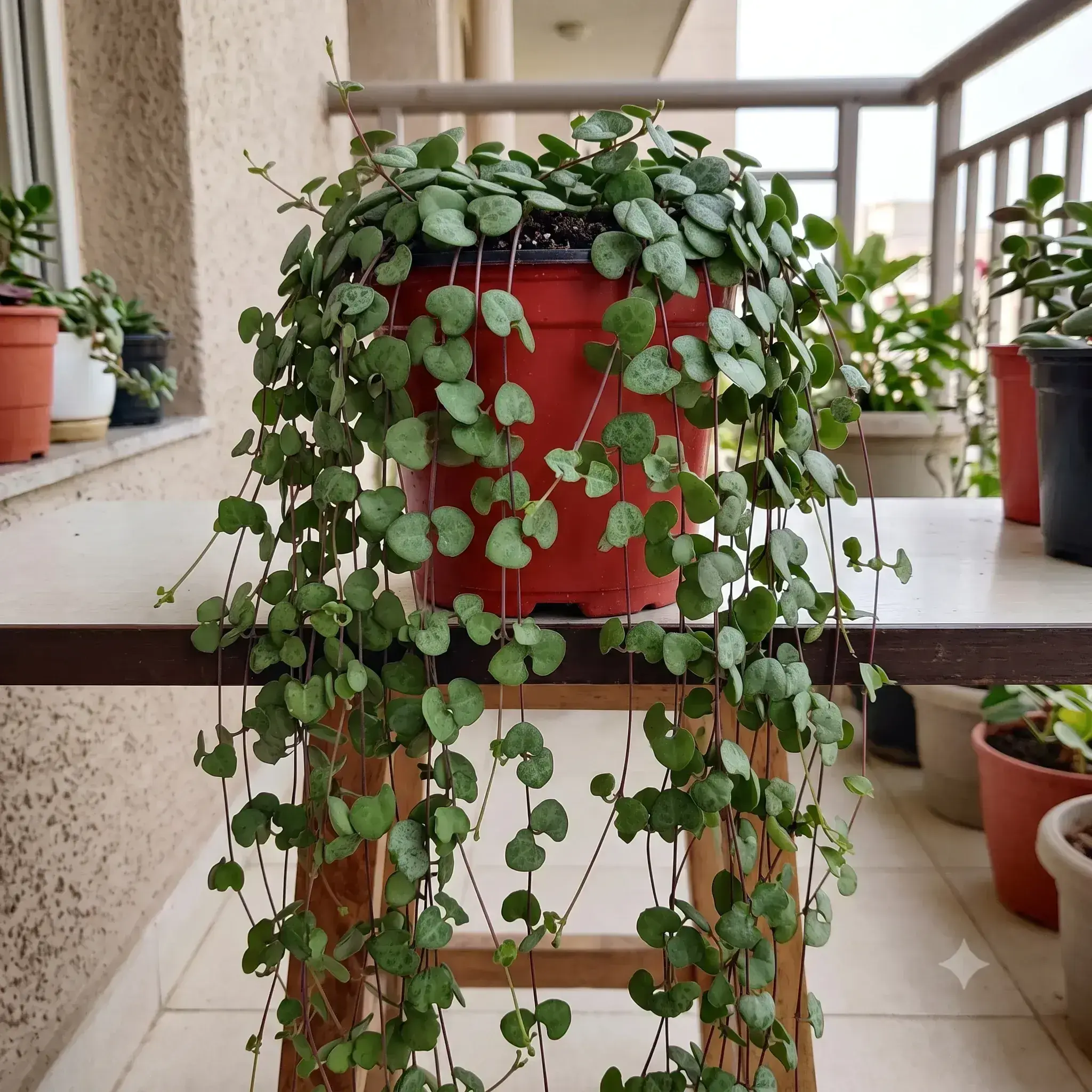
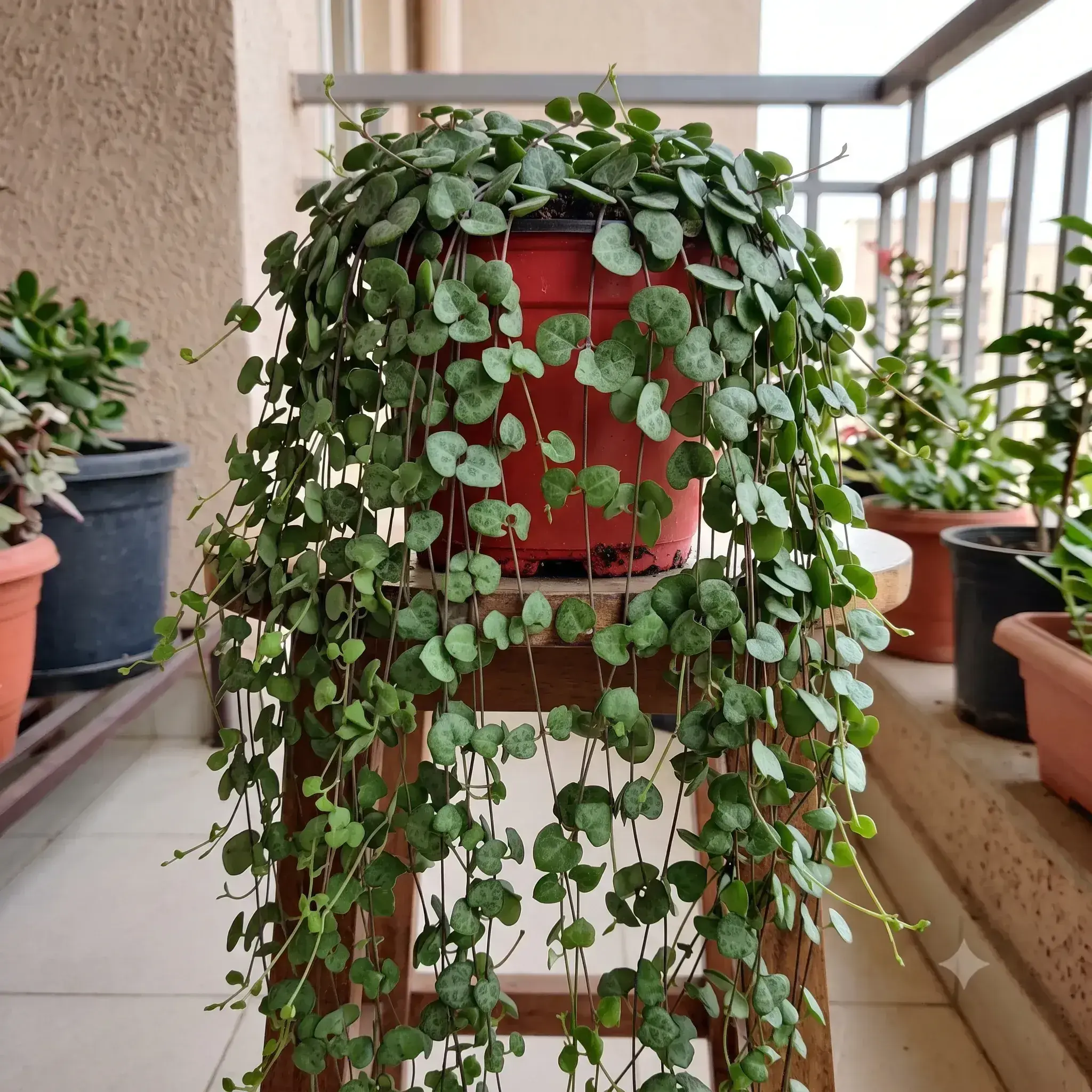
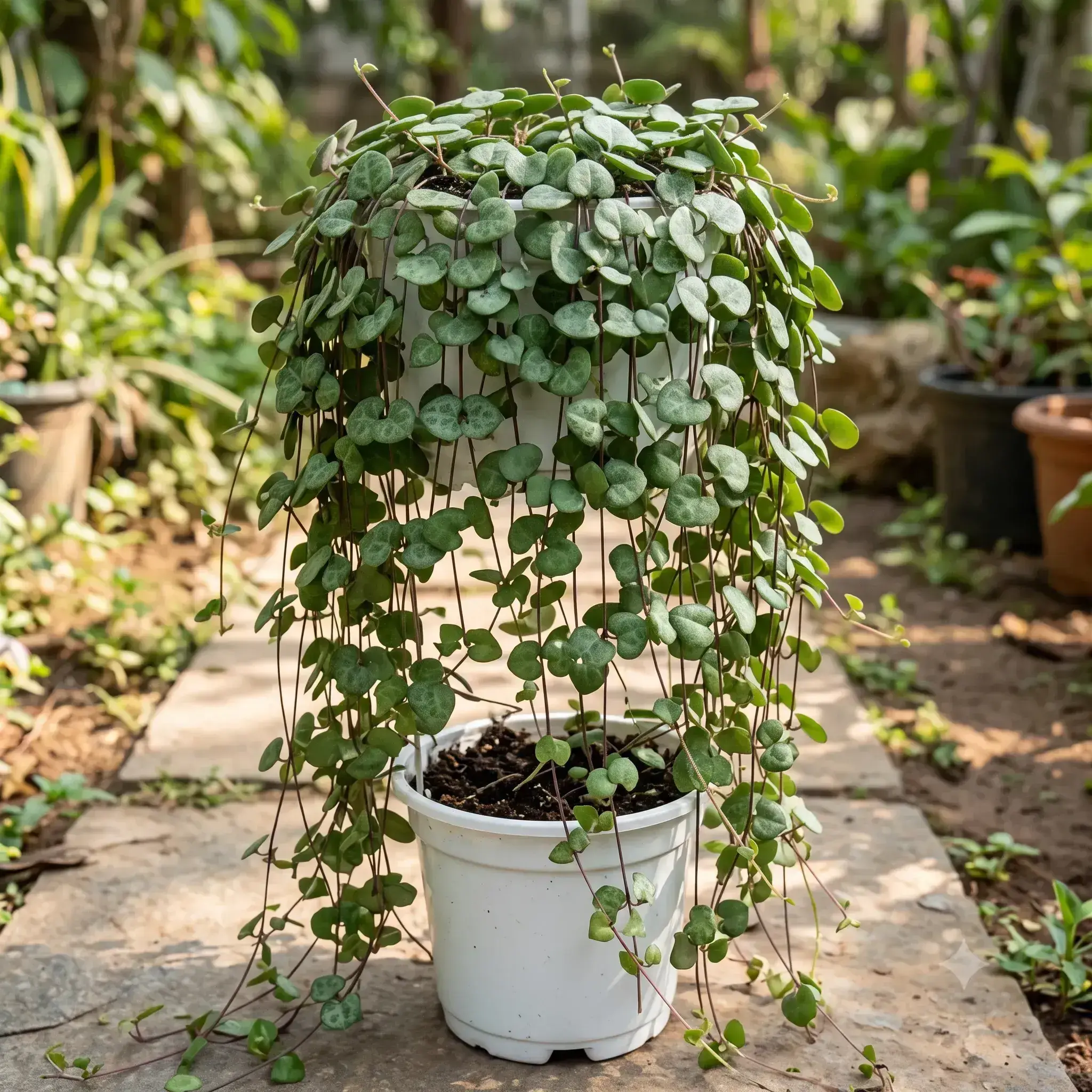
The String of Hearts Plant, also known as the Rosary Vine, Chain of Hearts or Sweetheart Vine (Ceropegia Woodii ) . This attractive trailing succulent is admired for its slender hanging stems and small, heart-shaped green leaves.
The botanical name of this plant is Ceropegia woodii. This listing is for the non-variegated green-leaf form, which features naturally green foliage without the prominent silver patterns commonly seen on the traditional variegated String of Hearts.
Its long, graceful stems make it an excellent choice for hanging baskets, balcony gardens, decorative shelves, windowsills and indoor plant collections. With suitable light, careful watering and well-draining soil, the stems can gradually grow longer and create a beautiful cascading display.
Plant Highlights
- Common Names: String of Hearts, Rosary Vine, Chain of Hearts, Sweetheart Vine
- Botanical Name: Ceropegia woodii
- Leaf Type: Non-variegated green leaves
- Family: Apocynaceae
- Plant Type: Evergreen trailing succulent perennial
- Origin: Southern Africa
- Growth Habit: Trailing and climbing
- Leaf Shape: Small, heart-shaped and fleshy
- Leaf Colour: Green
- Flower Colour: Pinkish-purple to pale purple
- Light: Bright indirect light
- Watering: Low to moderate; allow the growing medium to dry between waterings
- Maintenance: Low to moderate
- Best Uses: Hanging baskets, indoor decoration, shelves and balcony gardens
About the String of Hearts Plant
String of Hearts is a beautiful trailing succulent native to Southern Africa, particularly areas of South Africa and Zimbabwe.
It belongs to the Apocynaceae family and is known for its long, slender stems carrying small heart-shaped leaves. The plant can also develop small bead-like aerial tubers along its stems, which give it the additional common name Rosary Vine.
Unlike the traditional silver-patterned form, this non-variegated selection has predominantly plain green leaves. Its simple green foliage creates a fresh, natural appearance that looks attractive in hanging pots and indoor plant displays.
Appearance and Growth
The String of Hearts Plant has a delicate trailing appearance.
- Small, heart-shaped green leaves
- Non-variegated foliage without prominent silver markings
- Slender, flexible trailing stems
- Naturally cascading growth
- Small bead-like tubers may develop along the stems
- Attractive hanging growth suitable for elevated planters
As the plant matures, its stems can become longer and produce additional leaves and branches, creating a fuller hanging display.
Sunlight Requirements
String of Hearts grows best in bright indirect sunlight.
- Place it near a bright window.
- Provide filtered natural light throughout the day.
- Gentle morning sunlight may be suitable.
- Protect it from intense afternoon sunlight.
- Avoid keeping it in a dark indoor corner.
Adequate natural light helps maintain compact growth and healthy green foliage. Insufficient light may result in long, weak stems with larger gaps between leaves.
Watering Requirements
String of Hearts has fleshy leaves and tuberous roots that store water. It therefore prefers careful watering rather than continuously moist soil.
- Allow the growing medium to dry between waterings.
- Water thoroughly when the soil has dried.
- Allow excess water to drain completely.
- Reduce watering during cooler weather.
- Avoid leaving the pot standing in water.
Overwatering can cause root and tuber rot, particularly in humid conditions.
Soil and Potting Requirements
A loose, airy and well-draining growing medium is ideal.
A suitable potting mixture can contain:
- 35% cactus or succulent potting mix
- 25% perlite or pumice
- 20% coarse sand or horticultural grit
- 20% coco chips, orchid bark or another airy component
The mixture should drain quickly while providing enough moisture for healthy root development.
Use a pot with drainage holes. Avoid heavy garden soil that remains wet for long periods.
Growing String of Hearts in the Indian Climate
String of Hearts can be grown in many Indian homes and balconies when protected from harsh sunlight and excessive moisture.
Summer: Keep the plant in bright filtered light. Protect it from strong afternoon sunlight and check the growing medium before watering.
Monsoon: Provide good airflow and protect the plant from continuous heavy rainfall. Avoid water collecting around the roots and tubers.
Winter: Reduce watering when growth slows. Keep the plant in a bright location and protect it from unusually cold conditions.
In humid regions such as West Bengal, a covered balcony or bright indoor location is often suitable. Good drainage and airflow are especially important during the monsoon.
Humidity and Temperature
String of Hearts generally adapts to normal household humidity.
- Ordinary indoor humidity is usually suitable.
- Maintain good air circulation.
- Avoid frequent misting.
- Protect the plant from cold drafts.
- Avoid keeping the growing medium continuously damp.
It prefers warm growing conditions and should be protected from frost.
Fertilizer Requirements
String of Hearts does not require heavy feeding.
- Use a diluted balanced liquid fertilizer during active growth.
- Feed occasionally during the growing season.
- Follow the manufacturer’s recommended dosage.
- Avoid excessive nitrogen fertilizer.
- Do not fertilize a recently repotted or stressed plant.
Moderate feeding can support healthy stems and foliage.
Growing in Hanging Baskets
String of Hearts is especially attractive in hanging baskets because its slender stems naturally cascade over the edges.
For best results:
- Choose a hanging pot with drainage holes.
- Use an airy, well-draining growing medium.
- Place the basket in bright filtered light.
- Allow the stems enough space to trail.
- Avoid placing the basket in harsh afternoon sunlight.
- Check the moisture level before watering.
It can also be displayed on shelves, window ledges and elevated plant stands.
Pruning and Maintenance
The plant generally requires little pruning.
- Remove damaged or dried stems.
- Trim excessively long growth if necessary.
- Use clean pruning scissors.
- Avoid removing too much healthy growth.
- Inspect the stems and leaf joints for pests.
Occasional trimming can encourage branching and help maintain a fuller hanging appearance.
Propagation
String of Hearts is relatively easy to propagate through stem cuttings and aerial tubers.
Propagation by Stem Cuttings:
- Select a healthy stem with several pairs of leaves.
- Cut a suitable section using clean scissors.
- Place the cutting in a well-draining propagation medium.
- Keep it in bright indirect light.
- Maintain light moisture without waterlogging.
- Allow roots to develop before transferring it to a permanent hanging pot.
Propagation by Aerial Tubers:
Small bead-like tubers may develop along the stems. These can be placed in contact with a suitable growing medium to encourage rooting and new growth.
Flowering Details
Mature String of Hearts plants may produce small, unusual tubular flowers in shades of pink, purple and pale magenta.
The flowers have a distinctive lantern-like appearance, with a bulbous base and narrow tubular structure. Flowering depends on plant maturity, light and growing conditions.
The plant is mainly grown for its attractive heart-shaped foliage and cascading stems.
Common Problems and Care
Yellow Leaves: May indicate overwatering, poor drainage or root stress. Check the growing medium before watering again.
Wrinkled Leaves: Can result from prolonged dryness or damaged roots and tubers.
Leaf Drop: May occur due to sudden environmental changes, watering problems or insufficient light.
Sparse Stems: Often associated with inadequate natural light.
Soft or Mushy Stems: May indicate excess moisture and possible rot.
Root or Tuber Rot: Usually develops when the growing medium stays wet for too long. Improve drainage and remove damaged plant material if necessary.
Pest Problems: Inspect the stems and leaf joints for mealybugs, aphids and scale insects.
Is String of Hearts Suitable for Indoor Decoration?
Yes. Its heart-shaped foliage and long cascading stems make it an attractive indoor ornamental plant.
It can be placed in:
- Bright living rooms
- Hanging baskets
- Covered balconies
- Window gardens
- Decorative shelves
- Office spaces with natural light
- Vertical plant displays
Its non-variegated green leaves provide a simple, fresh foliage appearance that combines well with other indoor plants.
Safety Information
String of Hearts is grown as an ornamental plant and should not be consumed. Keep it away from small children and pets who may chew or damage the plant.
Live Plant Delivery Information
- The delivered plant may naturally vary in stem length, leaf count and foliage density.
- The green leaf colour may vary slightly with age and growing conditions.
- Minor leaf drop or changes in appearance may occur during transportation.
- Place the plant in bright filtered light after delivery.
- Check the growing medium before watering.
- Avoid immediate strong sunlight, heavy fertilizer or unnecessary repotting.
- Allow the plant time to adjust to its new environment.
Why Choose the String of Hearts Plant?
String of Hearts is an excellent choice for anyone who enjoys delicate foliage and beautiful trailing plants. Its small green heart-shaped leaves and long cascading stems create an attractive display in hanging baskets, balconies, living rooms and indoor gardens.
The non-variegated form offers a simple green foliage appearance while retaining the distinctive trailing growth of Ceropegia woodii.
With suitable light, careful watering and well-draining soil, this attractive succulent vine can become a beautiful part of your home plant collection.
Botanical Information & Further Reading
- Kew Science – Ceropegia woodii
- Royal Horticultural Society – Ceropegia woodii
- North Carolina State Extension – Ceropegia woodii
- University of Wisconsin Extension – String of Hearts
- South African National Biodiversity Institute – Ceropegia linearis subsp. woodii
- BBC Gardeners’ World – How to Grow and Care for String of Hearts
Frequently Asked Questions
1. What is the botanical name of the String of Hearts Plant?
The botanical name is Ceropegia woodii. It belongs to the Apocynaceae family.
2. What is the difference between variegated and non-variegated String of Hearts?
The variegated form has additional cream, pink or silver colouring, while the non-variegated form has predominantly green leaves without prominent variegation.
3. Is the non-variegated String of Hearts a different species?
No. It is a green-leaved form of Ceropegia woodii, not a separate botanical species.
4. Why is it called Rosary Vine?
Small bead-like aerial tubers can develop along the stems, resembling beads on a rosary.
5. Can I grow String of Hearts in a hanging basket?
Yes. Its long trailing stems make it particularly suitable for hanging baskets and elevated planters.
6. Does String of Hearts need direct sunlight?
It prefers bright indirect light. Gentle morning sunlight may be suitable, but strong afternoon sunlight should be avoided.
7. How often should I water String of Hearts?
Water when the growing medium has dried between waterings. Avoid keeping the roots continuously wet.
8. Can I grow String of Hearts indoors?
Yes. It grows well indoors near a bright window or in another location with sufficient natural light.
9. Is String of Hearts suitable for Indian weather?
Yes. It can grow in many Indian regions when protected from harsh afternoon sunlight, prolonged monsoon rain and waterlogged soil.
10. Why are my String of Hearts leaves falling off?
Leaf drop may result from overwatering, prolonged dryness, sudden environmental changes or insufficient light.
11. Can I propagate non-variegated String of Hearts?
Yes. Healthy stem cuttings and aerial tubers can be used to propagate the plant.
12. Does String of Hearts produce flowers?
Yes. Mature plants may produce small pinkish-purple or pale magenta tubular flowers.
13. Is String of Hearts suitable for beginners?
Yes. It can be suitable for beginners who provide bright filtered light, a well-draining growing medium and careful watering.
For More Information
Visit: krisikart.com
For Contact Visit:Contact Us
For Shopping Visit: Shop Page


Reviews
There are no reviews yet.