 Plastic Plant pot | Plastic Garden Pot for Plants
 Self Watering Planters | Self Watering Plant Pots For Plants
Mother of Thousands Plant | Mother of 1000s (Kalanchoe daigremontiana) Plant
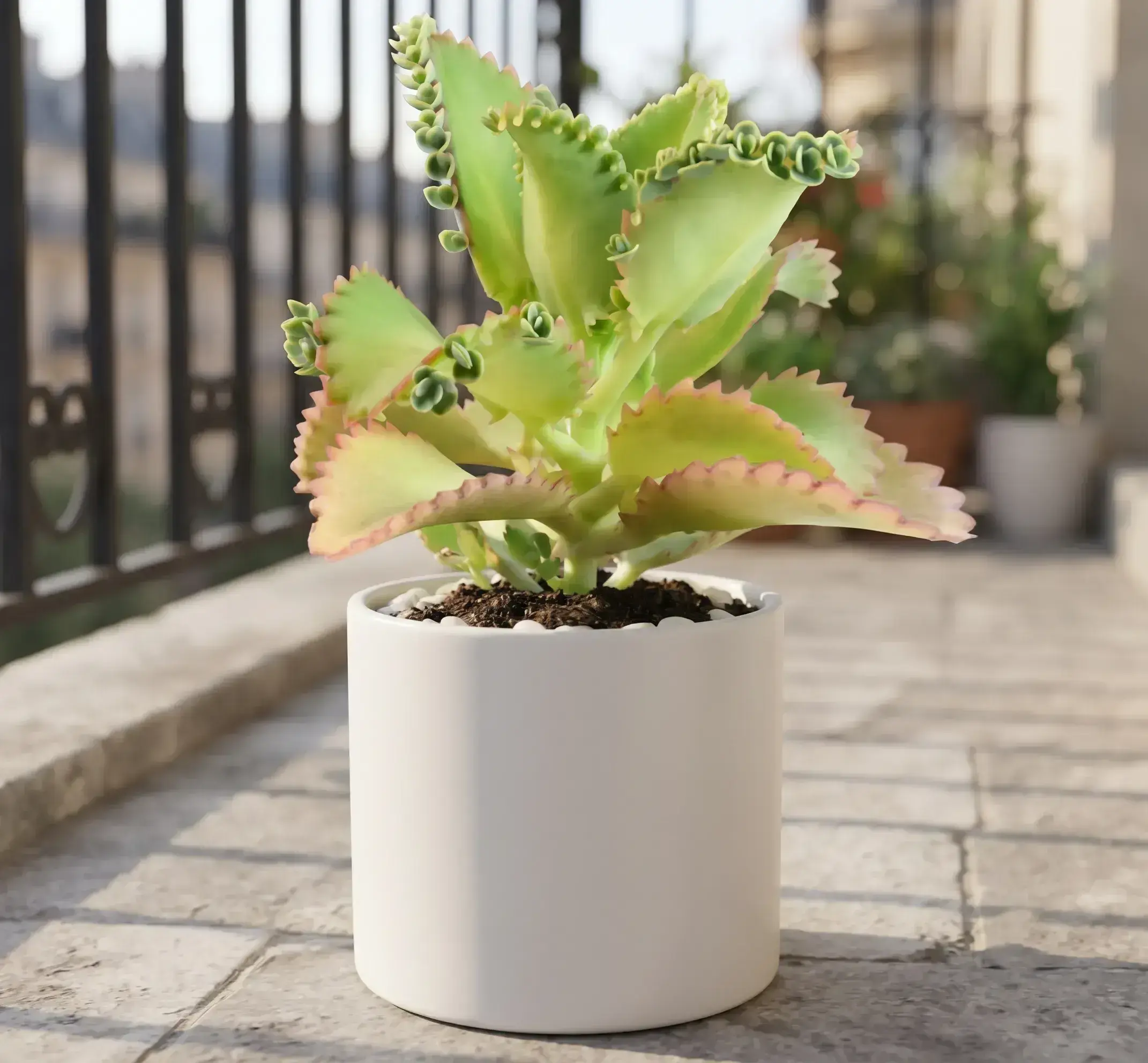
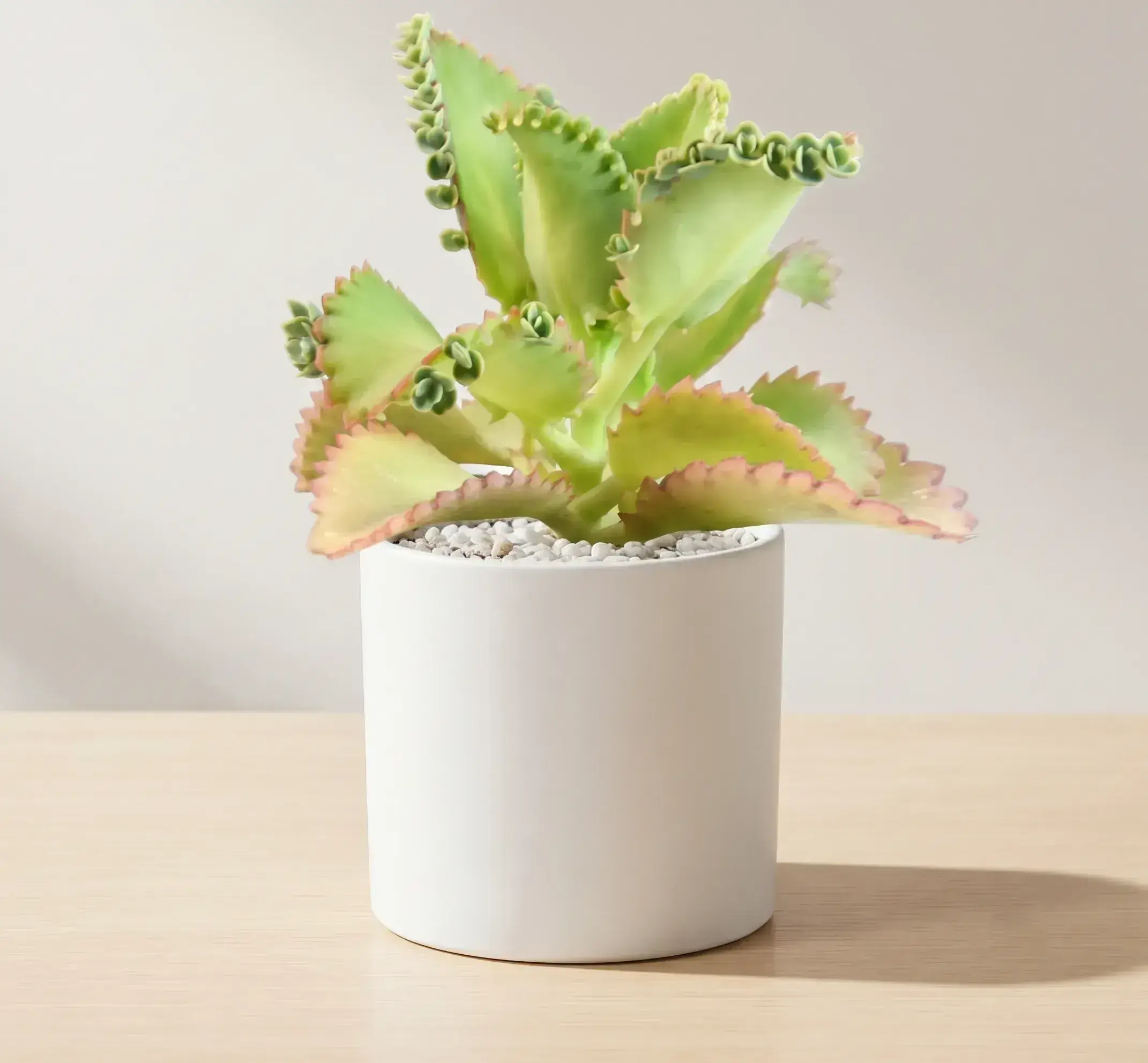
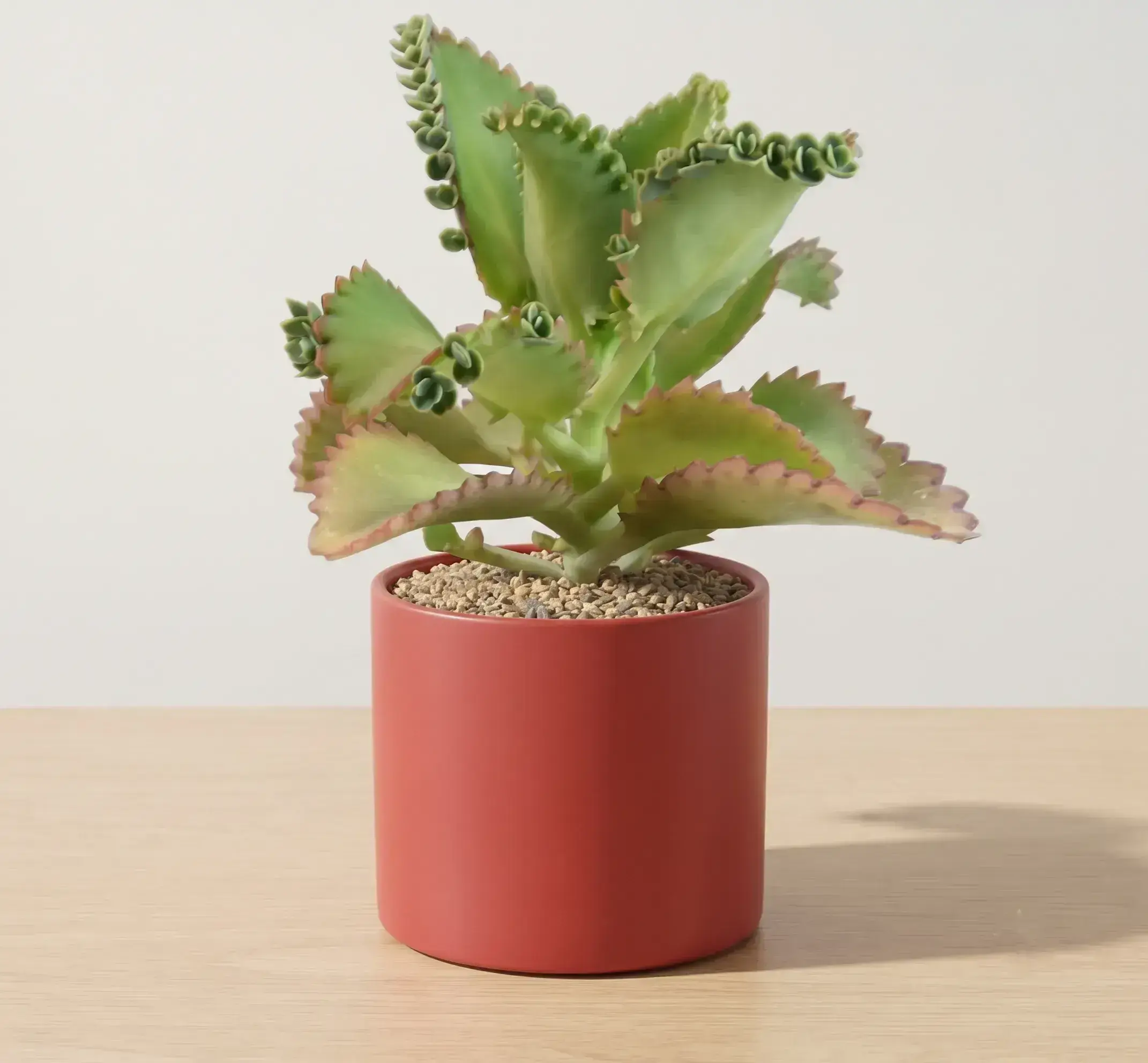
The Mother of Thousands Plant, also known as Mother of 1000s, Alligator Plant, Devil’s Backbone, or Mexican Hat Plant, is a fascinating, upright succulent prized for rows of tiny baby plantlets (bulbils) that form along the edges of its fleshy leaves. Botanically classified as Kalanchoe daigremontiana (and formerly placed under the synonym Bryophyllum daigremontianum), this native of southwestern Madagascar offers an eye-catching, living curiosity for home gardens and sunny balconies.
Easy to grow and tolerant of occasional missed waterings, the Mother of 1000s plant appeals to both beginner gardeners and succulent collectors across India. When grown in a container with bright light and gritty, well-draining soil, it makes an engaging, low-water addition to balconies, terraces, and bright windowsills.
Plant Highlights
- Product Name: Mother of Thousands Plant | Mother of 1000s (Kalanchoe daigremontiana) Plant for Home Garden
- Common Name: Mother of Thousands, Mother of 1000s, Alligator Plant, Devil’s Backbone, Mexican Hat Plant
- Botanical Name: Kalanchoe daigremontiana (synonym: Bryophyllum daigremontianum)
- Family: Crassulaceae (Stonecrop family)
- Plant Type: Succulent perennial herb or subshrub
- Origin: Southwestern Madagascar
- Flower Colour: Greyish-pink to reddish-purple or pinkish-orange pendant tubular/bell-shaped blooms on mature plants
- Foliage: Thick, fleshy, triangular-lanceolate to oblong grey-green leaves, often mottled with brownish-purple markings underneath and lined with tiny plantlets along the margins
- Growth Habit: Upright, unbranched or sparsely branched succulent stem with a tall leafy crown
- Mature Height: Typically 30 to 90 cm (1 to 3 feet) in containers; up to around 1 meter in ideal outdoor conditions
- Sunlight: Bright direct sunlight to bright indirect light
- Watering: Low to moderate; allow the potting mix to dry out between waterings
- Suitable For: Sunny balconies, terrace succulent containers, covered patios, and bright windowsills
About the Mother of Thousands Plant
Kalanchoe daigremontiana belongs to the family Crassulaceae and is native to southwestern Madagascar. In older botanical classifications and nursery catalogs, you will frequently see it listed as Bryophyllum daigremontianum.
Its signature feature is vegetative reproduction via tiny plantlets (bulbils) along the scalloped leaf margins. These miniature clones develop roots while still attached to the parent leaf and drop off easily onto nearby soil, taking root quickly—which is why container growing is recommended over planting directly in open garden beds.
Appearance and Growth Habit
The Mother of Thousands plant usually grows as a single, upright succulent stem that gradually loses lower leaves as it tallens, leaving neat leaf scars along the lower stem. Toward the upper portion, thick, fleshy leaves grow in opposite pairs, often showing grey-green tops and purplish or brownish blotches on the underside.
Along the notched edges of the leaves, rows of small plantlets form and mature. In pots, the plant generally reaches around 30 to 90 cm in height, depending on light, pot size, and growing conditions.
Flowers and Flowering Season
Mature plants—typically after reaching good size and age—can send up an upright flowering stalk topped with drooping, bell- or tube-shaped flowers in shades of greyish-pink, reddish, or purplish tones, commonly appearing during cooler months from late autumn or winter into early spring depending on climate.
Because Kalanchoe daigremontiana is often monocarpic or weakens after flowering and setting seed, many home gardeners pinch off flower stalks or focus on enjoying the foliage and plantlets. Strong light and mature plant age influence whether flowering occurs.
Sunlight Requirements
The Mother of Thousands plant grows best in bright light, thriving in full sun or several hours of direct sunlight alongside bright indirect light. A sunny east- or south-facing spot or bright balcony helps keep stems sturdy and leaf markings well-defined.
During intense Indian summer afternoons with extreme heat, provide light afternoon shade or filtered sunlight so leaves do not scorch. Avoid deep, dark indoor corners, where stems stretch out and lose vigor.
Watering Requirements
Like other succulents, Kalanchoe daigremontiana prefers thorough watering followed by drying out so roots stay healthy and aerated.
Watering During Summer and Active Growth
Check the soil moisture with your finger or a wooden stick, and water thoroughly only after the top layer or potting mix has dried out. Let excess water drain completely out of the bottom holes and empty standing water from the saucer.
Watering During Monsoon and Winter
During the humid Indian monsoon, evaporation slows down, so water less often and shield the pot from heavy rain so the roots do not stay soggy. In winter, water more sparingly as growth slows, keeping the mix mostly dry between waterings.
Soil and Potting Requirements
Fast-draining, porous soil is essential to prevent root rot in Mother of 1000s. Heavy garden clay or soggy mixes hold too much moisture around the roots.
Suggested Potting Mixture for Mother of Thousands
As a practical home garden mix, combine roughly 40% well-draining garden soil or loam, 35% coarse river sand or perlite, and 25% grit, pumice, or crushed brick, blended with a small amount (about 10%) of well-decomposed compost or vermicompost. Always use a pot with drainage holes at the bottom; heavier pots such as terracotta help keep taller stems stable.
Growing the Plant in the Indian Climate
This warm-climate succulent adapts well to Indian homes and balconies when protected from excess monsoon wetness and harsh cold.
Summer Care
Warm temperatures suit the plant well, though extreme summer heat and strong afternoon sun may require filtered shade and careful moisture checks so the pot does not dry out to the point of stress.
Monsoon Care
In humid, rainy regions such as West Bengal, Kolkata, Mumbai, and coastal states, heavy monsoon rain and high humidity increase the risk of root rot and fungal spots. Keep potted plants under a covered balcony or rain shelter and avoid letting water sit in saucers.
Winter Care
Mild Indian winters are comfortable for Kalanchoe daigremontiana, though growth slows and watering should be reduced. Protect the plant from cold drafts and frost if temperatures drop sharply in northern areas.
Temperature and Humidity
Kalanchoe daigremontiana prefers warm temperatures and tolerates dry indoor or balcony air without misting. It is not frost-hardy and should be protected from freezing temperatures. Good air circulation around the plant helps prevent fungal problems during humid weather.
Fertilizer and Nutrition
This succulent needs light, occasional feeding rather than heavy fertilization. During active growth in spring and summer, you can feed lightly with a balanced liquid fertilizer diluted to half strength or apply a modest top-dressing of compost, avoiding heavy feeding in winter.
Growing the Plant in Pots
Growing the Mother of Thousands plant in pots is ideal because it lets you control moisture and contain the falling plantlets. Use a sturdy pot with drainage holes—terracotta or ceramic works well as the upright stem grows taller—and repot into a slightly larger container in spring when roots fill the pot.
Pruning and Maintenance
Routine maintenance involves removing dead or dried lower leaves, trimming spent flower stalks if desired, and collecting or clearing fallen plantlets from nearby pots so they do not crowd neighboring plants. Avoid heavy cutting of healthy stems unless shaping or propagating.
Propagation
The Mother of Thousands plant propagates effortlessly through its leaf-edge plantlets (bulbils) or stem offsets. Gently lift mature plantlets that already show tiny roots along the leaf rim and set them on top of lightly moist, gritty potting soil in bright light. Keep the soil lightly damp—not waterlogged—until roots establish.
Common Problems and Plant Care
Watching light, soil moisture, and pests helps keep your plant healthy.
1. Mushy Stem or Root Rot
Usually caused by overwatering or poor drainage. Stop watering immediately, check that drainage holes are clear, and trim away any soft or rotted tissue before repotting in dry, fast-draining mix.
2. Yellowing or Dropping Lower Leaves
A few older lower leaves may yellow and drop naturally as the stem grows taller. Widespread yellowing or limp leaves often points to overwatering or low light.
3. Leggy or Weak Stems
Insufficient light causes stretched growth. Gradually move the pot to a brighter location with more sunlight.
4. Mealybugs, Aphids, or Fungal Spots
Like other Kalanchoe species, it can occasionally attract mealybugs or aphids, or develop powdery mildew or leaf spots in damp, stagnant air. Improve airflow, avoid wetting foliage when watering, and treat pests with diluted neem oil or rubbing alcohol on a cotton swab.
Suitability for Home Gardens
The Mother of 1000s plant is well suited for sunny balconies, terrace containers, covered patios, and bright windowsills. Because it needs bright light and produces numerous self-rooting plantlets, it is best kept in pots rather than dark indoor rooms or open outdoor beds where it can spread freely.
Safety and Important Information
Kalanchoe daigremontiana contains compounds (bufadienolides / cardiac glycosides) that are toxic to pets such as dogs and cats and to humans if ingested, and sap or plant tissue can cause skin or stomach irritation. Keep the plant out of reach of children and pets, wear gloves when handling or pruning, and wash hands afterward.
Live Plant Delivery Information
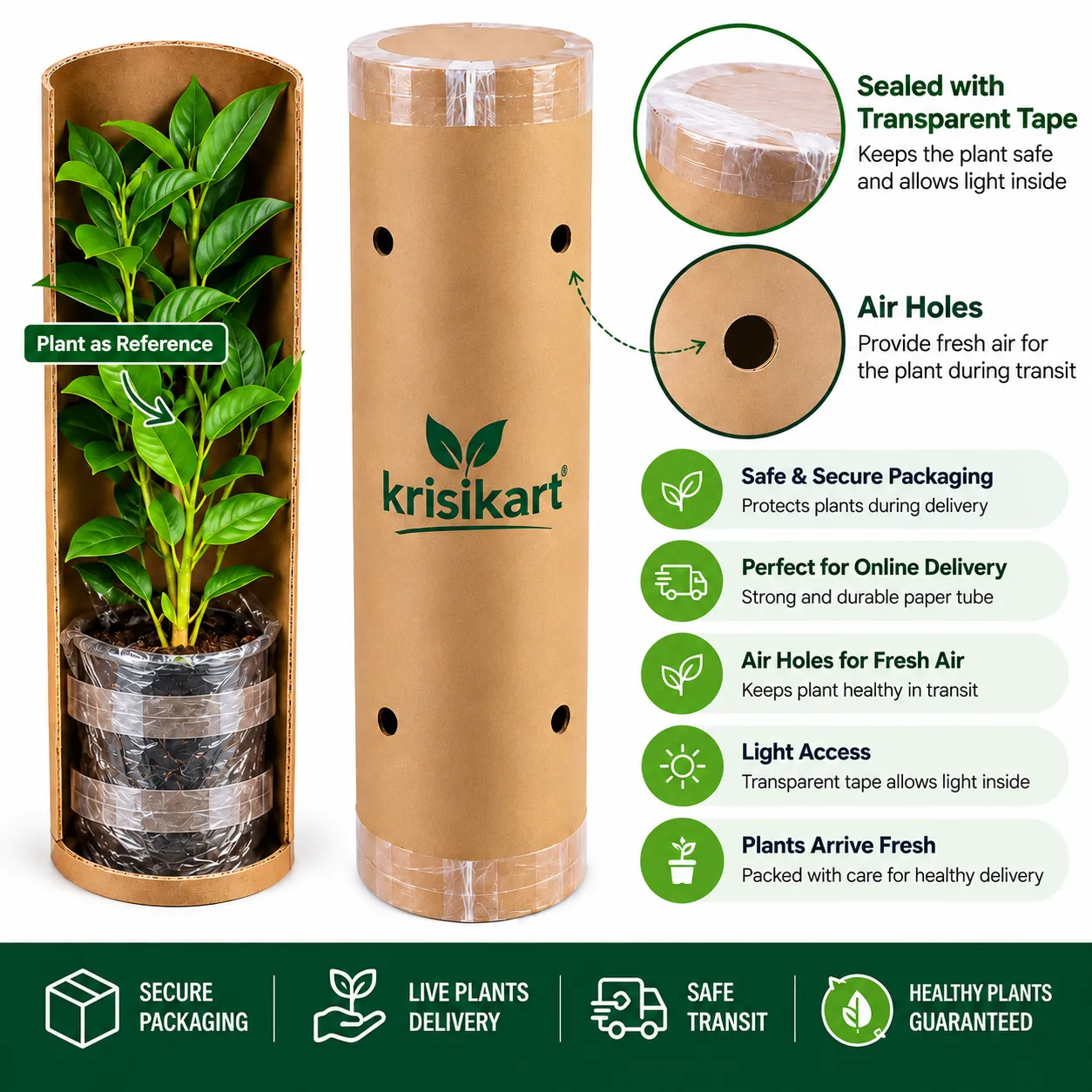
Live plants are natural organisms, so differences in height, leaf count, markings, and number of plantlets from plant to plant are normal. Transit can cause mild shipping stress, and a few leaves or plantlets may loosen or yellow during delivery.
After arrival, place the plant in bright light away from harsh direct sun while it adjusts, check soil moisture before watering, and avoid heavy fertilizing or unnecessary repotting right away.
Why Choose the Mother of Thousands Plant for Your Garden?
With its unique rows of self-forming leaf plantlets, patterned succulent foliage, and low-water care routine, the Mother of Thousands plant adds unmistakable character to container collections. Grown in a pot with bright light and well-draining soil, it is a memorable and easy-to-propagate succulent.
Botanical Information and Further Reading
- Royal Horticultural Society (RHS) – Kalanchoe daigremontiana Plant Details
- Kew Science – Plants of the World Online
- University of Wisconsin-Madison Extension – Horticulture Resources
Frequently Asked Questions (FAQs)
1. What is the botanical name of the Mother of Thousands plant?
The accepted botanical name is Kalanchoe daigremontiana in the family Crassulaceae, and it is also widely known under the synonym Bryophyllum daigremontianum.
2. Why is it called Mother of Thousands or Mother of 1000s?
It produces numerous small plantlets (bulbils) along the edges of its fleshy leaves that can root easily when they fall onto soil.
3. Where is Kalanchoe daigremontiana native to?
It is native to southwestern Madagascar.
4. How much sunlight does the Mother of Thousands plant need?
It grows best in bright light, such as full sun to bright indirect light, with protection from harsh summer afternoon heat.
5. How often should I water Mother of 1000s?
Water thoroughly and allow the potting mix to dry out between waterings rather than watering on a fixed daily schedule, reducing water during monsoon and winter.
6. What kind of soil is best for this plant?
A fast-draining, gritty succulent or cactus mix—or loam mixed with coarse sand or perlite—helps prevent waterlogging and root rot.
7. Should I grow it in a pot or in open garden soil?
Growing it in a pot is recommended so moisture is easier to control and falling plantlets do not spread unwanted seedlings across garden beds.
8. How do I propagate the Mother of Thousands plant?
Gently remove small plantlets from the leaf margins and place them on top of lightly moist, well-draining soil in bright light until their roots take hold.
9. Is the Mother of Thousands plant safe for pets and children?
No, Kalanchoe daigremontiana can be toxic to pets and people if ingested and may irritate skin, so keep it out of reach of children and pets and wear gloves when handling.
10. How tall does it grow in a home pot?
In home containers, it typically reaches roughly 30 to 90 cm tall depending on light, pot size, and care.
For More Information
Visit: krisikart.com
For Contact Visit:Contact Us
For Shopping Visit: Shop Page


Kiran Sharma –
Healthy plants and good service.
Very happy with my purchase.