 Plastic Plant pot | Plastic Garden Pot for Plants
 Self Watering Planters | Self Watering Plant Pots For Plants
Jade Tree Plant | Jade Bonsai Tree (Crassula ovata) Feng Shui Plant
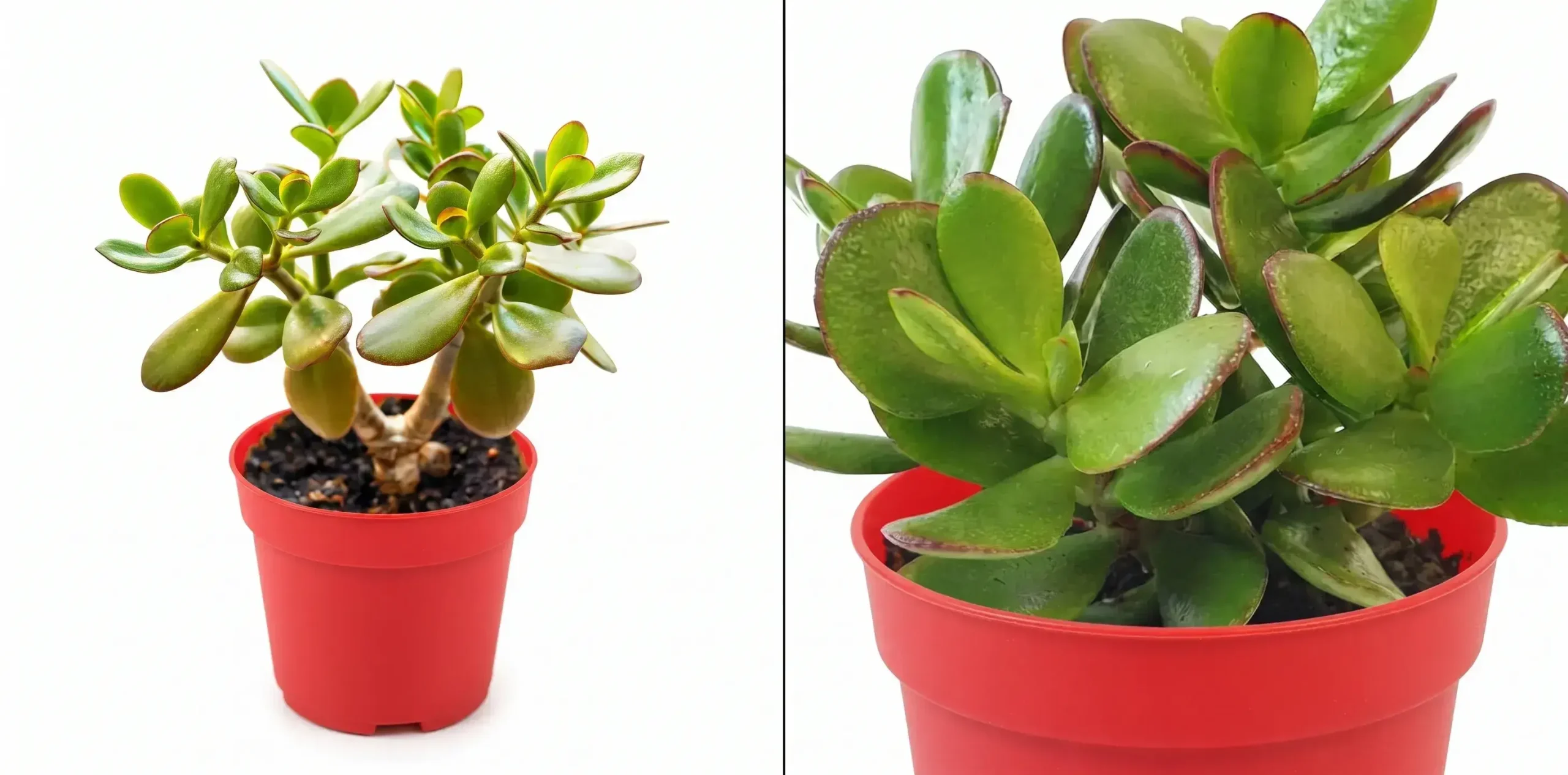
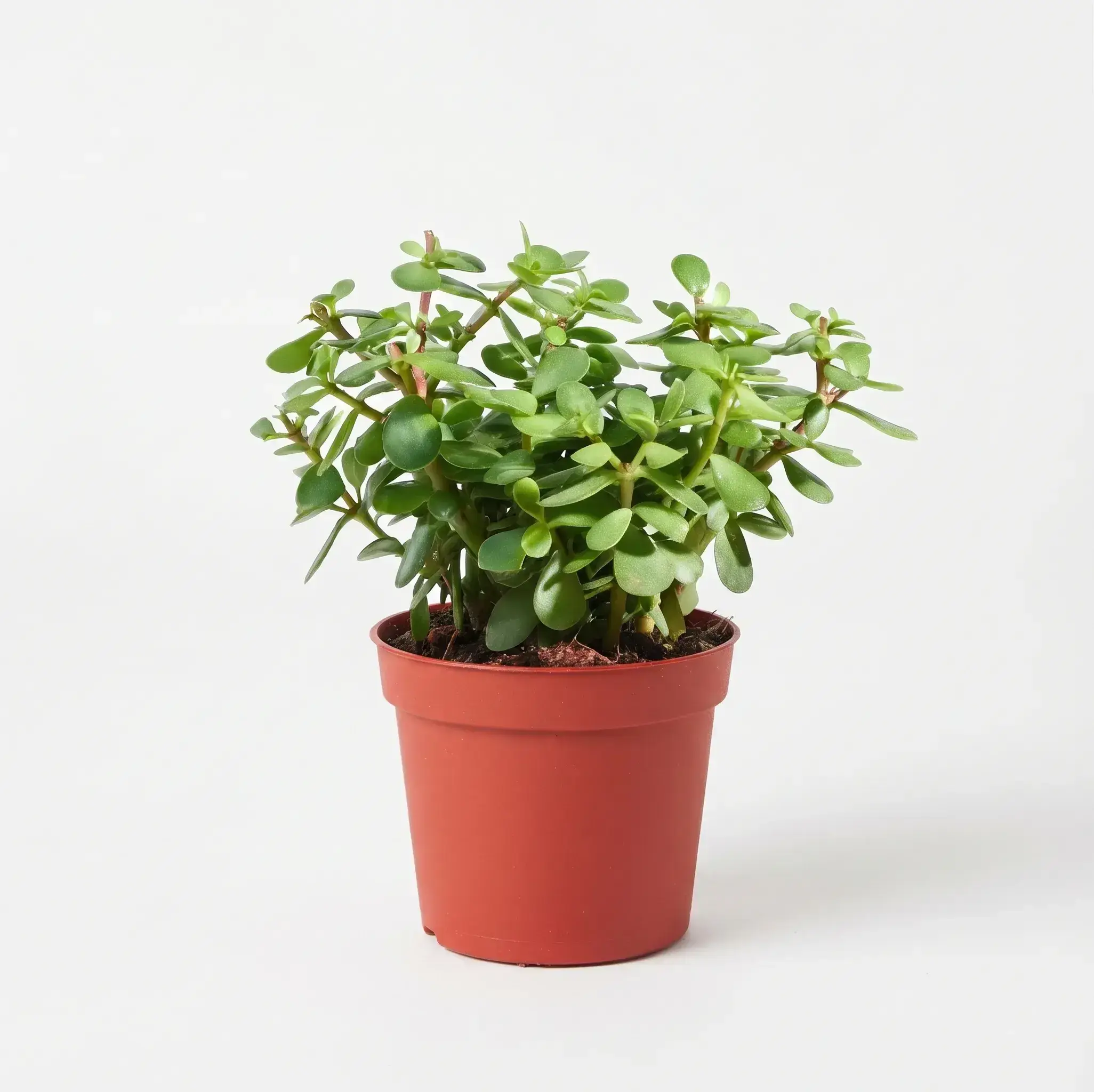
The Jade Tree Plant, widely admired as a Jade Bonsai Tree and popular Feng Shui plant, is a hardy, long-lived succulent shrub prized for its thick, woody stems and glossy, oval green leaves. Botanically classified as Crassula ovata, this resilient succulent naturally develops a sturdy, bark-textured trunk as it matures, giving even a compact potted plant the miniature silhouette of an aged bonsai tree.
Easy to maintain and forgiving of occasional missed waterings, the Jade Tree Plant thrives on bright windowsills, sunny balconies, courtyard tables, and well-lit indoor spaces across India. Whether you are cultivating it for its sculptural bonsai appeal, gifting it as a traditional symbol of good fortune, or adding low-maintenance greenery to your home garden, Crassula ovata rewards simple care with decades of steady growth.
Plant Highlights
- Product Name: Jade Tree Plant | Jade Bonsai Tree (Crassula ovata) Feng Shui Plant for Home Garden
- Common Name: Jade Tree Plant, Jade Bonsai Tree, Lucky Plant, Money Tree, Friendship Tree, Feng Shui Jade Plant
- Botanical Name: Crassula ovata (also commonly listed in nurseries under the synonym Crassula argentea)
- Family: Crassulaceae (Stonecrop family)
- Plant Type: Evergreen perennial succulent shrub
- Origin: South Africa and Mozambique
- Flower Colour: Small star-shaped white to pale pink clusters (on mature specimens under cool, dry winter conditions)
- Foliage: Plump, glossy, emerald-green oval leaves arranged in opposite pairs, often developing reddish edges in bright sunlight
- Growth Habit: Upright, branching succulent with thick woody trunks that naturally suit bonsai styling
- Mature Height: Typically 30 to 90 cm (1 to 3 feet) in containers; easily kept smaller through regular bonsai pinching
- Sunlight: Bright indirect light to 4 to 6 hours of direct morning sunlight daily
- Watering: Low; water thoroughly only after the potting mix dries out completely
- Suitable For: Sunny windowsills, covered balconies, terrace gardens, bonsai dishes, study tables, and bright home corners
About the Jade Tree Plant
Crassula ovata belongs to the stonecrop family Crassulaceae and is native to the dry, rocky slopes and scrublands of South Africa and Mozambique. In horticultural trade, it is also frequently known by its older botanical synonym, Crassula argentea.
Across Indian households and Feng Shui traditions, the Jade Tree Plant is commonly gifted as a Lucky Plant or Friendship Tree because its plump, coin-shaped leaves symbolize prosperity and positive energy. From a practical gardening perspective, its popularity comes from its remarkable toughness: its thick leaves and woody stems store water efficiently, allowing it to flourish in containers with minimal upkeep.
Appearance and Growth Habit
The Jade Tree Plant grows as an upright, multi-branched succulent shrub with smooth, fleshy, oval leaves measuring about 3 to 6 cm in length. The leaves grow in neat opposite pairs along jointed green shoots that gradually thicken into gnarled, brown, woody trunks over time.
When grown in bright sunlight, the margins of the glossy green leaves frequently develop a subtle crimson or reddish rim. Because growth is slow to moderate, a Jade Bonsai Tree holds its compact, balanced proportions for years without quickly outgrowing its pot.
Foliage and Flowering Characteristics
Gardeners primarily grow the Jade Tree Plant for its lush, evergreen foliage and miniature tree structure. Mature, well-established plants exposed to strong sunlight, cooler night temperatures, and a drier winter rest period can occasionally produce clusters of small, star-shaped white or pale pink flowers in late winter or spring, though indoor potted plants bloom infrequently.
Sunlight Requirements
Bright light is the key to keeping a Jade Tree Plant compact, sturdy, and richly colored. Provide at least 4 to 6 hours of bright indirect light or gentle direct morning sunlight daily, such as beside an east- or south-facing window or on a bright balcony.
In Indian regions experiencing intense summer heat above 38°C, protect potted plants from harsh midday and afternoon sun to prevent leaf scorch. Keeping the plant in dim interior corners far from windows leads to weak, stretched stems, wide gaps between leaves, and leaf drop.
Watering Requirements
Careful watering keeps the root system healthy and the leaves firm. Because Crassula ovata stores water inside its fleshy tissues, overwatering is far more harmful than brief dryness.
Watering During Summer and Active Growth
Follow the soak-and-dry method: check the soil with your finger or a wooden skewer, and water only when the potting mix is completely dry from top to bottom. Water thoroughly until excess water drains from the bottom holes, then empty any standing water from the tray underneath. In warm summer weather, this usually means watering once every 6 to 10 days.
Watering During Monsoon and Winter
During the humid Indian monsoon, evaporation slows down significantly, so reduce watering to once every 2 to 3 weeks or only when the soil is bone-dry. In winter, water sparingly every 2 to 3 weeks just enough to prevent the leaves from wrinkling.
Soil and Potting Requirements
A fast-draining, porous succulent potting mix is essential to prevent waterlogging and root rot. Ordinary heavy garden clay holds excess moisture around the roots and encourages fungal decay.
Suggested Potting Mixture for Jade Tree Plant
As a practical home garden mix, blend 40% coarse river sand or perlite, 30% well-draining sandy garden loam, and 30% pumice, crushed brick, or fine gravel, mixed with a small handful (about 10%) of well-aged vermicompost. Always plant in a terracotta pot, ceramic planter, or shallow bonsai dish with clear drainage holes at the base.
Growing the Plant in the Indian Climate
The Jade Tree Plant adapts reliably to Indian homes and gardens when protected from prolonged monsoon wetness.
Summer Care
It tolerates warm Indian summers comfortably when kept in bright light with good airflow and shielded from scorching afternoon sun during May and June heatwaves.
Monsoon Care
Heavy monsoon rainfall and high humidity in cities like Kolkata, Mumbai, Bengaluru, and Chennai can cause root and stem rot if pots stay wet. Keep balcony plants under a rain-sheltered overhang or onto a bright windowsill during the rainy season.
Winter Care
Mild Indian winters suit Crassula ovata well. Place the plant in bright winter sunlight, reduce watering frequency, and protect it from frost if temperatures drop near freezing in northern plains.
Temperature and Humidity
The Jade Tree Plant thrives in temperatures between 18°C and 32°C and prefers low to moderate humidity without misting. It grows comfortably in air-conditioned rooms provided it sits near a bright natural window and away from direct cold AC drafts.
Fertilizer and Nutrition
This slow-growing succulent requires very light feeding to maintain a compact bonsai form.
During the active growing period from March to September, feed once every 4 to 6 weeks with a balanced liquid fertilizer or succulent feed diluted to half strength, or apply a light top-dressing of vermicompost in spring. Avoid fertilizing during winter dormancy or immediately after repotting, as excess nitrogen causes soft, leggy growth.
Growing the Plant in Pots
With its compact root system and thick woody trunk, the Jade Tree Plant is ideally suited for long-term container and bonsai cultivation. Choose a heavy, stable container—such as unglazed terracotta or glazed ceramic bonsai ware—only 2 to 3 cm wider than the root ball so the branching canopy stays balanced. Repot every 2 to 3 years in spring using fresh, gritty succulent mix.
Pruning and Maintenance
Light pruning helps shape your Jade Tree Plant into a dense, well-proportioned bonsai tree.
Pinch off the soft growing tips of longer shoots just above a pair of leaves using clean fingers or sharp scissors; two new branches will sprout from that node, building a fuller canopy. Remove fallen leaves from the soil surface to discourage pests, and gently wipe dust off the glossy foliage with a soft, slightly damp cloth.
Propagation
You can easily multiply your Jade Tree Plant at home from stem cuttings or single leaves.
1. Stem Cuttings
Cut a healthy 7 to 10 cm branch tip with a sterilized blade and remove the lowest pair of leaves. Leave the cutting in a dry, shaded spot for 3 to 5 days until the cut end forms a firm callus, then plant it into dry, gritty succulent mix. Wait 4 to 5 days before watering lightly; roots generally develop within 2 to 4 weeks.
2. Leaf Cuttings
Gently twist a whole, healthy leaf cleanly off the stem so the base stays intact. Allow it to callus for 2 to 3 days in the shade, then lay it flat on top of slightly moist gritty soil in bright indirect light until tiny roots and baby shoots emerge.
Common Problems and Plant Care
Adjusting light and watering resolves nearly all common issues with Crassula ovata.
1. Soft, Yellowing, or Dropping Leaves
Caused by overwatering or poor pot drainage. Stop watering immediately, check that drainage holes are clear, and let the potting mix dry out completely before watering again.
2. Wrinkled or Shriveled Leaves
Signals underwatering as the plant draws moisture from its leaves. Water thoroughly until excess drains from the bottom, and the leaves will plump back up within a few days.
3. Leggy, Stretched Branches
Occurs when the plant receives too little sunlight. Gradually move the pot closer to a bright window or sunny balcony and pinch back stretched tips.
4. White Cottony Mealybugs
Mealybugs occasionally gather in leaf joints and new shoots. Dab affected spots with a cotton swab dipped in 70% isopropyl rubbing alcohol or apply diluted neem oil (3 ml per liter of water) in the evening.
Suitability for Home Gardens
The Jade Tree Plant is well suited for bright home windowsills, covered balconies, terrace gardens, sunlit courtyards, study tables, and bonsai collections. It is not suitable for dark, windowless rooms, bathrooms, or exposed outdoor beds in heavy-rainfall regions where monsoon moisture cannot be controlled.
Safety and Important Information
According to veterinary and botanical references (including the ASPCA), Crassula ovata is mildly toxic to cats, dogs, and horses if chewed or swallowed, potentially causing vomiting, lethargy, or loss of coordination. Keep the plant on elevated shelves, desks, or windowsills out of reach of pets and young children.
Live Plant Delivery Information
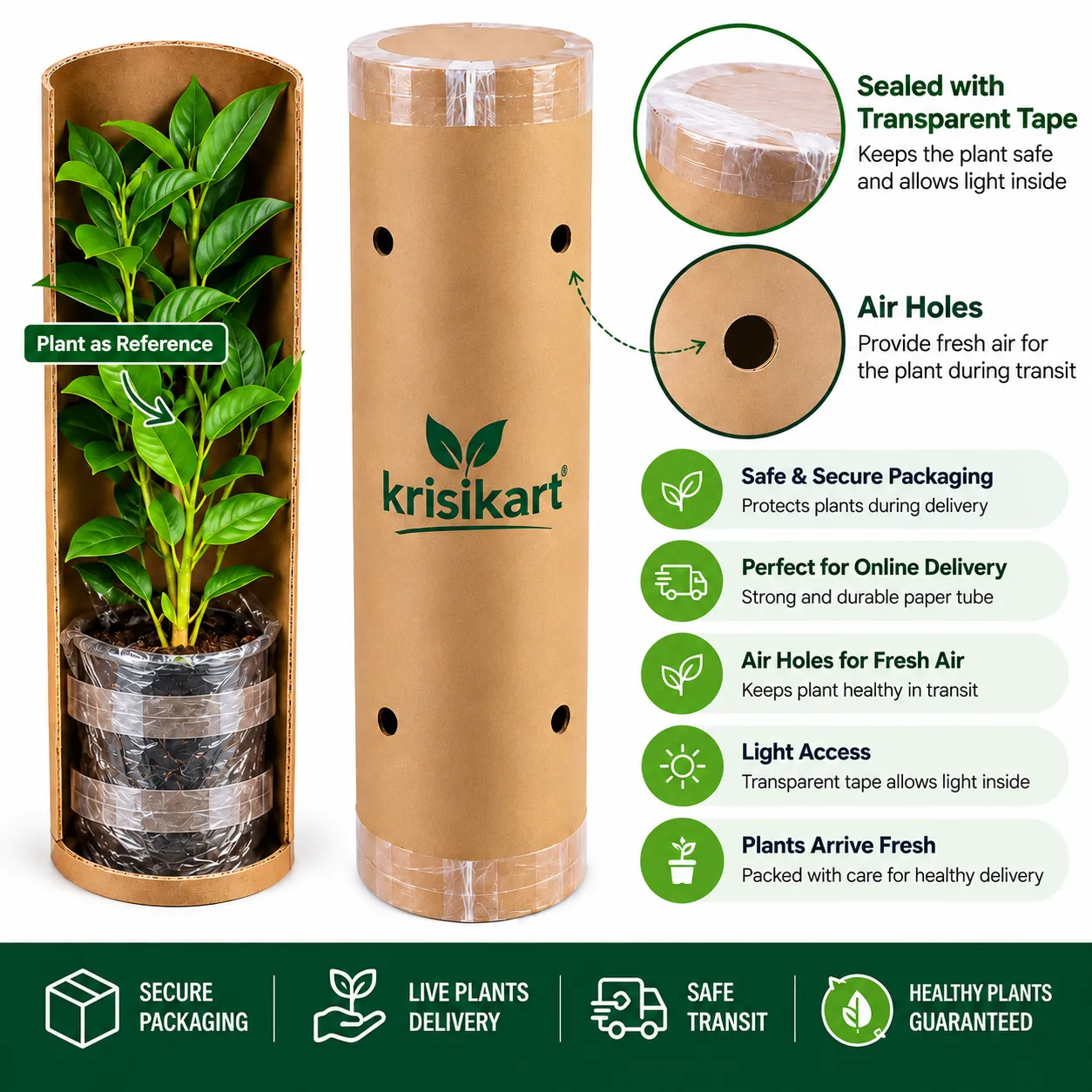
Live Jade Tree Plants vary naturally in trunk thickness, height, leaf count, and branching pattern. Mild shipping stress may occur during transit, and a few lower leaves may turn yellow or drop upon arrival.
After unboxing, place your plant in bright indirect light for 2 to 3 days before moving it into brighter morning sunlight. Check soil moisture before watering—water only if the potting mix is completely dry. Wait 1 to 2 weeks before repotting or fertilizing so the plant can adjust smoothly.
Why Choose the Jade Tree Plant for Your Garden?
Combining glossy evergreen foliage, natural bonsai trunk structure, and an effortless watering routine, the Jade Tree Plant brings timeless charm to any bright home garden or workspace. It is a hardy, long-lived succulent that thrives for decades with minimal care.
Botanical Information and Further Reading
- Kew Science – Plants of the World Online: Crassula ovata (Mill.) Druce
- Royal Horticultural Society (RHS) – Crassula ovata Plant Profile
- Missouri Botanical Garden – Crassula ovata Plant Finder
- South African National Biodiversity Institute (SANBI) – Crassula ovata Guide
- ASPCA Animal Poison Control – Jade Plant Toxicity Information
Frequently Asked Questions (FAQs)
1. What is the botanical name of the Jade Tree Plant?
The accepted botanical name of the Jade Tree Plant is Crassula ovata, and it belongs to the stonecrop family Crassulaceae.
2. Why is the Jade Tree Plant popular as a Feng Shui and bonsai plant?
In Feng Shui traditions, its plump, coin-shaped green leaves are valued as a symbol of good fortune and positivity, while its thick woody stems naturally mimic a miniature bonsai tree with minimal pruning.
3. Can I keep a Jade Tree Plant indoors?
Yes, you can grow it indoors provided it sits right next to a bright window receiving at least 4 to 6 hours of bright indirect light or gentle morning sunlight daily.
4. How often should I water my Jade Bonsai Tree?
Water thoroughly only when the potting soil has dried out completely. In warm weather, this is typically once every 6 to 10 days, while during monsoon and winter, watering every 2 to 3 weeks is sufficient.
5. What soil mix is best for a Jade Tree Plant?
Use a fast-draining succulent potting mix made with coarse river sand, perlite, pumice, and well-draining sandy garden loam so water drains rapidly and prevents root rot.
6. How do I shape my Jade Plant into a bonsai tree?
As the plant matures, its lower stems naturally thicken into woody trunks. Pinch off the soft growing tips of upper branches just above a pair of leaves to encourage dense branching and a compact canopy.
7. How should I care for a Jade Tree Plant during the Indian monsoon?
Keep the pot sheltered from direct monsoon rain on a covered balcony or bright windowsill, and reduce watering frequency so high humidity does not keep the roots wet.
8. Why are the leaves falling off my Jade Tree Plant?
Sudden leaf drop is usually caused by overwatering, poor pot drainage, or low light. Let the soil dry out completely, ensure drainage holes are clear, and place the plant in a brighter location.
9. How can I propagate a Jade Tree Plant at home?
You can propagate it easily from 7 to 10 cm stem cuttings or whole healthy leaves. Let the cut end dry in the shade for 2 to 5 days until calloused, then place it in or on dry succulent soil until roots form.
10. Is the Jade Tree Plant safe for pets?
No, Crassula ovata is mildly toxic to cats and dogs if chewed or swallowed. Keep it on elevated shelves, desks, or windowsills out of reach of pets.
For More Information
Visit: krisikart.com
For Contact Visit:Contact Us
For Shopping Visit: Shop Page


Santhosh mishra –
The plants look beautiful and strong.
Great quality for the price.