
 Plastic Plant pot | Plastic Garden Pot for Plants
 Self-Watering Pot (Plant not Include)
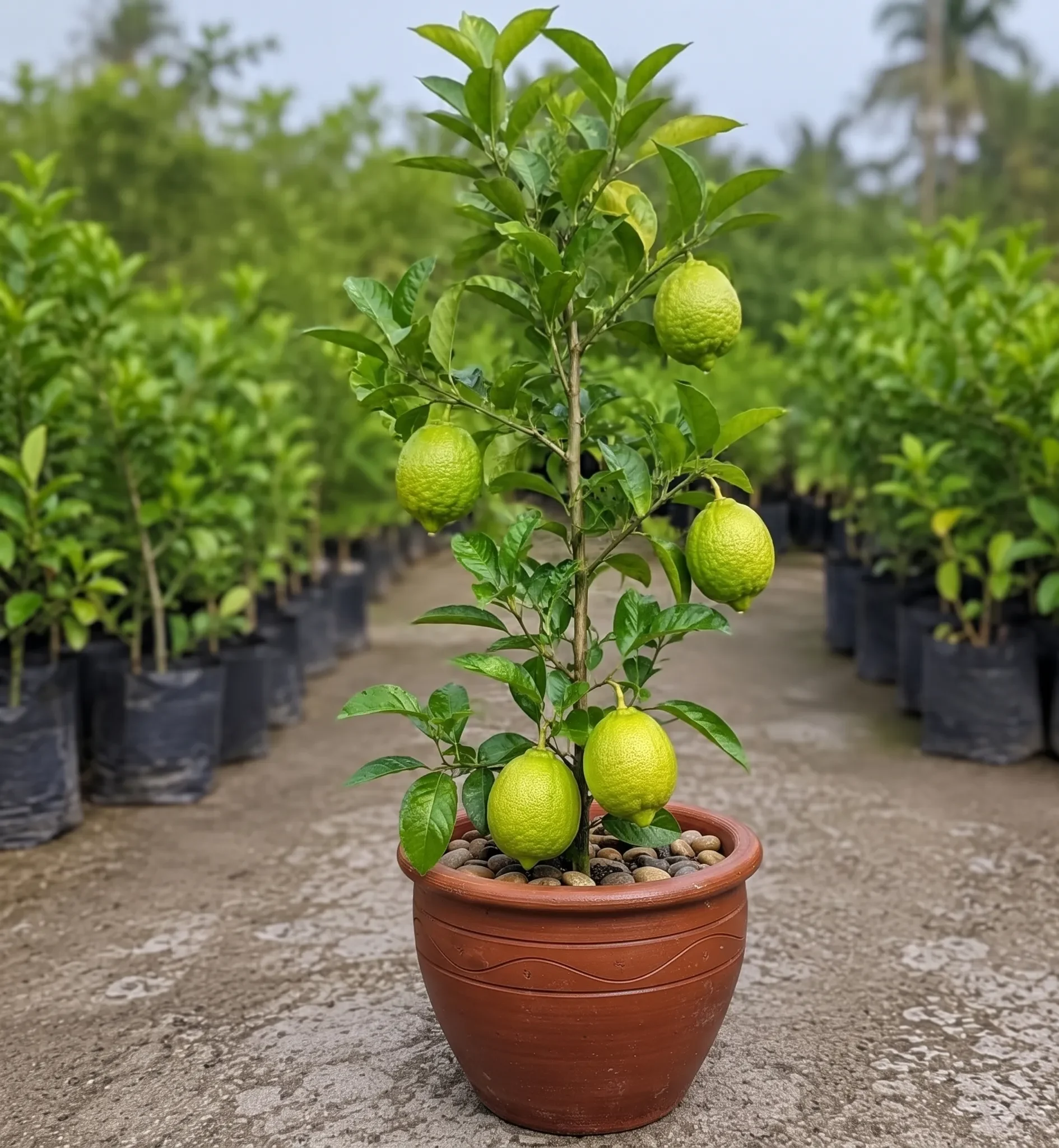
Gandharaj Lemon Plant – Gandharaj Nimbu (Aromatic Lemon)
The Gandharaj Lemon Plant, popularly known as Gandharaj Nimbu or Gandharaj Lebu.Gandharaj is a highly valued aromatic lemon variety, especially popular in Bengali cuisine. It is admired for its intensely fragrant leaves, flowers, and fruits.
Its distinctive citrus aroma makes it a favourite ingredient for enhancing fish dishes, rice, curries, salads, beverages, and traditional recipes.
The plant develops attractive green foliage and can be grown in a home garden, backyard, or a large terrace container. With sufficient sunlight, well-drained soil, and regular care, you can enjoy growing this traditional Bengali citrus plant at home.
Plant Information
- Plant Name: Gandharaj Lemon Plant
- Common Names: Gandharaj Nimbu, Gandharaj Lebu, Gandharaj Lemon
- Botanical Name: Citrus × limon
- Family: Rutaceae
- Plant Type: Evergreen citrus shrub or small tree
- Foliage: Green, aromatic citrus leaves
- Flowers: Fragrant, white to pinkish-white flowers
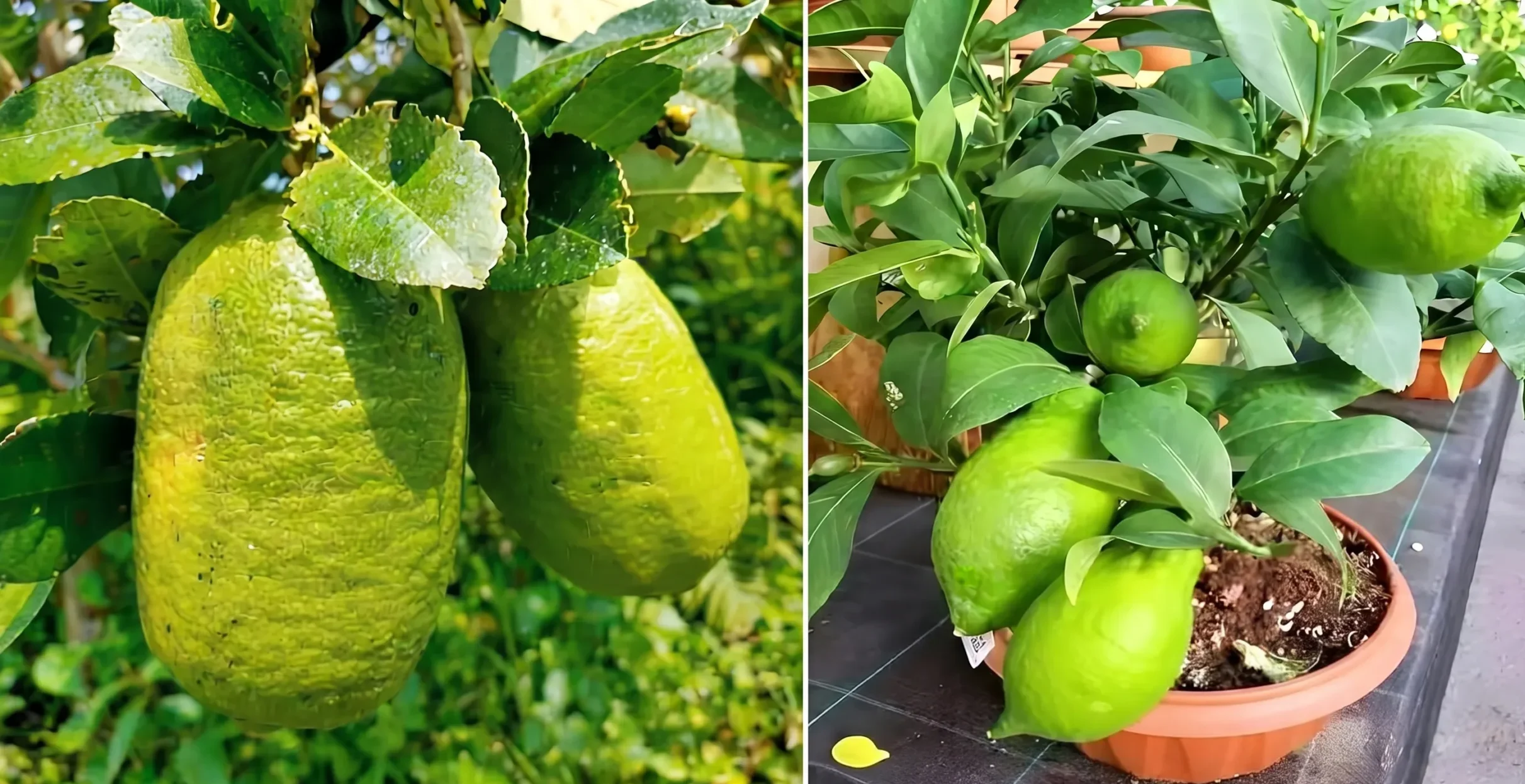
- Fruit: Aromatic lemon, generally egg-shaped or elongated
- Fruit Colour: Green when immature, yellowish when ripe
- Flavour: Strong citrus aroma with acidic taste
- Sunlight: Full sunlight preferred
- Soil: Fertile, well-drained soil
- Placement: Home garden, balcony, terrace, or backyard
About the Gandharaj Lemon Plant
Gandharaj Lemon is one of the most recognisable citrus varieties in Bengal. It is especially appreciated for its strong fragrance, which is released when the fruit peel or leaves are handled.
Unlike ordinary lemons that are mainly valued for their juice, Gandharaj is particularly prized for its aromatic rind and distinctive flavour.
The plant generally develops a bushy structure with green leaves and may have thorns along its branches. Its fragrant flowers can develop into characteristic aromatic lemons under suitable growing conditions.
It is an excellent choice for people who enjoy traditional Bengali cooking and want a fresh citrus plant in their garden.
Key Features of Gandharaj Nimbu
- Exceptional fragrance: Famous for its strong, refreshing citrus aroma.
- Traditional Bengali variety: Widely appreciated in Bengali and regional cuisine.
- Aromatic leaves: The leaves also release a pleasant citrus fragrance.
- Fragrant flowers: Produces attractive citrus flowers.
- Edible fruits: Fruits can be used in cooking, drinks, and garnishing.
- Home garden suitability: Can be maintained in a garden or large container.
- Long-term fruit plant: Can provide seasonal fruits under suitable conditions.
Sunlight Requirements
Gandharaj Lemon grows best in a bright outdoor location with plenty of sunlight.
- Provide approximately 6–8 hours of direct sunlight daily where possible.
- Choose an open, well-ventilated location.
- Avoid permanently shaded areas.
- Gradually introduce newly delivered plants to stronger sunlight.
- Protect young plants from sudden exposure to intense afternoon heat.
Adequate sunlight supports healthy foliage, flowering, and fruit development.
Watering Guide
Gandharaj Lemon prefers moderately moist soil but does not tolerate prolonged waterlogging.
- Water when the upper soil layer begins to dry.
- Water young plants more frequently during hot weather.
- Reduce watering during rainy or cooler periods.
- Ensure excess water drains freely.
- Avoid leaving the pot standing in collected water.
Container-grown plants may need more frequent moisture checks than plants growing in the ground.
Soil and Potting Requirements
Use fertile, well-drained soil enriched with organic matter. A slightly acidic to near-neutral growing medium is generally suitable for citrus plants.
A practical container mix can include:
- Garden soil
- Mature compost
- Cocopeat or leaf mould
- Coarse sand or perlite for drainage
For garden planting:
- Choose a sunny outdoor location.
- Prepare loose soil with adequate drainage.
- Mix mature compost into the planting area if required.
- Place the plant at the same depth as its nursery container.
- Water thoroughly after planting.
- Apply organic mulch around the root area without covering the trunk.
Avoid planting in areas where water remains stagnant after heavy rain.
Fertilizer and Nutrition
Citrus plants benefit from balanced nutrition and regular organic matter.
- Apply mature compost or well-rotted manure around the root zone.
- Use a balanced citrus fertilizer when necessary.
- Follow the manufacturer’s recommended dosage.
- Avoid excessive nitrogen fertilization.
- Do not apply concentrated fertilizer immediately after delivery.
Yellowing leaves can sometimes indicate nutrient deficiencies, but first check drainage and watering before applying additional fertilizer.
Growth Habit, Pruning and Maintenance
Gandharaj Lemon generally grows as an evergreen shrub or small tree. With suitable pruning, it can be maintained at a manageable size for a home garden.
Regular maintenance includes:
- Removing dead or damaged branches.
- Removing overcrowded or crossing shoots.
- Maintaining a balanced canopy.
- Removing unwanted rootstock shoots if the plant is grafted or budded.
- Checking periodically for citrus pests.
Some branches may carry thorns, so use gardening gloves while pruning.
Avoid excessive pruning because healthy leaves support the plant’s growth and fruit development.
Flowering and Fruiting
Gandharaj Lemon can produce fragrant flowers and fruits over an extended period under favourable conditions. Flowering may occur in multiple flushes depending on climate and plant health.
The fruits are particularly valued for their strong aroma. They are commonly harvested when they reach suitable maturity, depending on the intended culinary use.
Gandharaj is reported to be self-compatible, so a second lemon tree is not necessarily required for fruit production. However, pollinating insects can play an important role in successful fruit set.
A scientific study conducted in West Bengal found that Gandharaj flowers attract several insect visitors, including bees and butterflies. It also reported pollination limitations and premature fruit drop, so flowering does not guarantee that every flower will produce a fruit.
Young nursery plants need time to establish before producing a substantial harvest.
How to Use Gandharaj Lemon in Bengali Cooking
Gandharaj Nimbu is particularly popular because of its distinctive fragrance.
Some common culinary uses include:
- Fish dishes: Add fresh juice or a little aromatic rind before serving.
- Rice: Use a small amount of juice and zest to enhance the aroma.
- Salads: Add fresh juice as a fragrant dressing ingredient.
- Beverages: Prepare refreshing lemon drinks.
- Curries: Use the juice or zest according to taste.
- Garnishing: Add a small slice or grated peel to traditional dishes.
The fragrant peel is especially valued, so the fruit is often used differently from ordinary juice-focused lemons.
Can Gandharaj Lemon Grow in a Pot?
Yes. Gandharaj Lemon can be grown in a large container, making it suitable for terrace and balcony gardening.
For container cultivation:
- Choose a large pot with drainage holes.
- Use a fertile, well-draining citrus potting mix.
- Place the container in a sunny outdoor location.
- Water according to soil moisture.
- Apply balanced fertilizer when required.
- Prune selectively to maintain a manageable shape.
Repot the plant when its roots outgrow the existing container. Avoid using an excessively small pot for long-term fruit production.
Growing Gandharaj Lemon in India
Gandharaj Lemon is particularly well known in West Bengal and is grown in other suitable warm regions.
Summer: Water regularly according to soil moisture and protect young plants from extreme afternoon heat.
Monsoon: Ensure good drainage during heavy rainfall. Avoid waterlogging around the roots.
Winter: Maintain appropriate soil moisture and protect young plants from unusually cold conditions.
Planting season: The monsoon or a period of moderate weather is generally suitable for establishing a new plant, provided the planting site drains well.
For gardeners in West Bengal, Gandharaj is an especially interesting choice because of its regional culinary importance and suitability for local garden conditions.
Common Growing Problems
Yellowing leaves: May indicate overwatering, poor drainage, or nutrient deficiency.
Flower drop: Can occur due to temperature stress, irregular watering, or other environmental conditions.
Premature fruit drop: May be associated with pollination limitations, plant stress, or unsuitable growing conditions.
Slow growth: Check sunlight, soil quality, root health, and watering.
Pest problems: Inspect young shoots and leaves for citrus pests such as aphids, leaf miners, and scale insects. Use suitable horticultural treatments when needed.
Important Plant Care Notes
- Gandharaj is valued particularly for its aroma and flavour.
- Fruit size, shape, and acidity can vary.
- Flowering does not guarantee a full fruit harvest.
- Keep the soil well-drained, especially during the monsoon.
- Confirm whether the supplied plant is grafted, budded, or air-layered.
- A young plant may require time to establish before fruiting.
Live Plant Delivery and Natural Variation
This listing is for a live Gandharaj Lemon plant. Plant height, leaf count, branching, and overall appearance may vary according to nursery stock and season.
Some temporary leaf drop or wilting may occur during transportation. After delivery, unpack the plant carefully and place it in a bright, sheltered location while it adjusts.
Maintain appropriate soil moisture and gradually introduce stronger sunlight if necessary. Avoid immediate heavy pruning, repotting, or concentrated fertilizer application while the plant is recovering.
The future growth, flowering, and fruit production depend on plant health, propagation method, local climate, and ongoing care.
Why Choose Gandharaj Lemon for Your Home Garden?
- Grow a famous traditional Bengali citrus variety.
- Enjoy the distinctive fragrance of fresh Gandharaj fruits.
- Add an aromatic fruit plant to your garden.
- Use freshly harvested lemons in traditional Bengali recipes.
- Suitable for outdoor gardens and large terrace containers.
- Enjoy fragrant flowers and attractive evergreen foliage.
Frequently Asked Questions
1. What is the botanical name of Gandharaj Lemon?
Gandharaj Lemon is identified as Citrus × limon, belonging to the Rutaceae family.
2. What makes Gandharaj Lemon different from ordinary lemons?
Its most distinctive characteristic is its powerful fragrance. The aromatic peel and leaves are particularly valued in Bengali cuisine.
3. Can I grow Gandharaj Lemon in a balcony pot?
Yes. Use a large container with drainage holes, fertile soil, and a sunny outdoor location. Regular watering and suitable nutrition are important.
4. Does Gandharaj Lemon need another plant for pollination?
Gandharaj is reported to be self-compatible, meaning a second plant is not necessarily required. However, pollinating insects help support successful fruit set.
5. How long does Gandharaj Lemon take to produce fruits?
The time depends on the plant’s age, propagation method, growing conditions, and nursery stock. A young plant needs time to establish, and fruiting cannot be guaranteed by a fixed date.
6. Can Gandharaj Lemon be used in cooking?
Yes. Its juice and aromatic peel are commonly used in Bengali fish dishes, rice preparations, salads, drinks, and other recipes.
Botanical Information & Further Reading
- Botanica Pacifica – Floral Ecology and Breeding System of Gandharaj Lemon — scientific research on Gandharaj flowers, pollinators, and fruit set in West Bengal.
- Raj Bhavan Kolkata – Botanical and Horticultural Records — regional identification, Bengali name, fruit characteristics, and propagation information.
- North Bengal University Repository – Horticultural Research in West Bengal — regional citrus varieties, including Gandharaj.
- National Horticulture Board – Citrus Fruit Information — citrus varieties and fruit characteristics.
- ICAR – Geographical Indications of Plant Species — Indian lemon names, botanical identity, and traditional uses.
- Tamil Nadu Agricultural University – Horticultural Resources — general fruit crop cultivation and horticultural guidance.
- West Bengal Gandharaj Lemon Research – Botanica Pacifica — research publication on the flowering ecology of Gandharaj Lemon.
Buyer note: Gandharaj is a traditional aromatic lemon cultivar. Confirm the supplied plant’s propagation method and current nursery size before purchase. Fruit production, harvest timing, and yield depend on plant maturity and growing conditions.
For More Information
Visit: krisikart.com
For Contact Visit:Contact Us
For Shopping Visit: Shop Page


Reviews
There are no reviews yet.