
 Plastic Plant pot | Plastic Garden Pot for Plants
 Self Watering Planters | Self Watering Plant Pots For Plants
Gymnocalycium Friedrichii Plant | Friedrichii Cactus
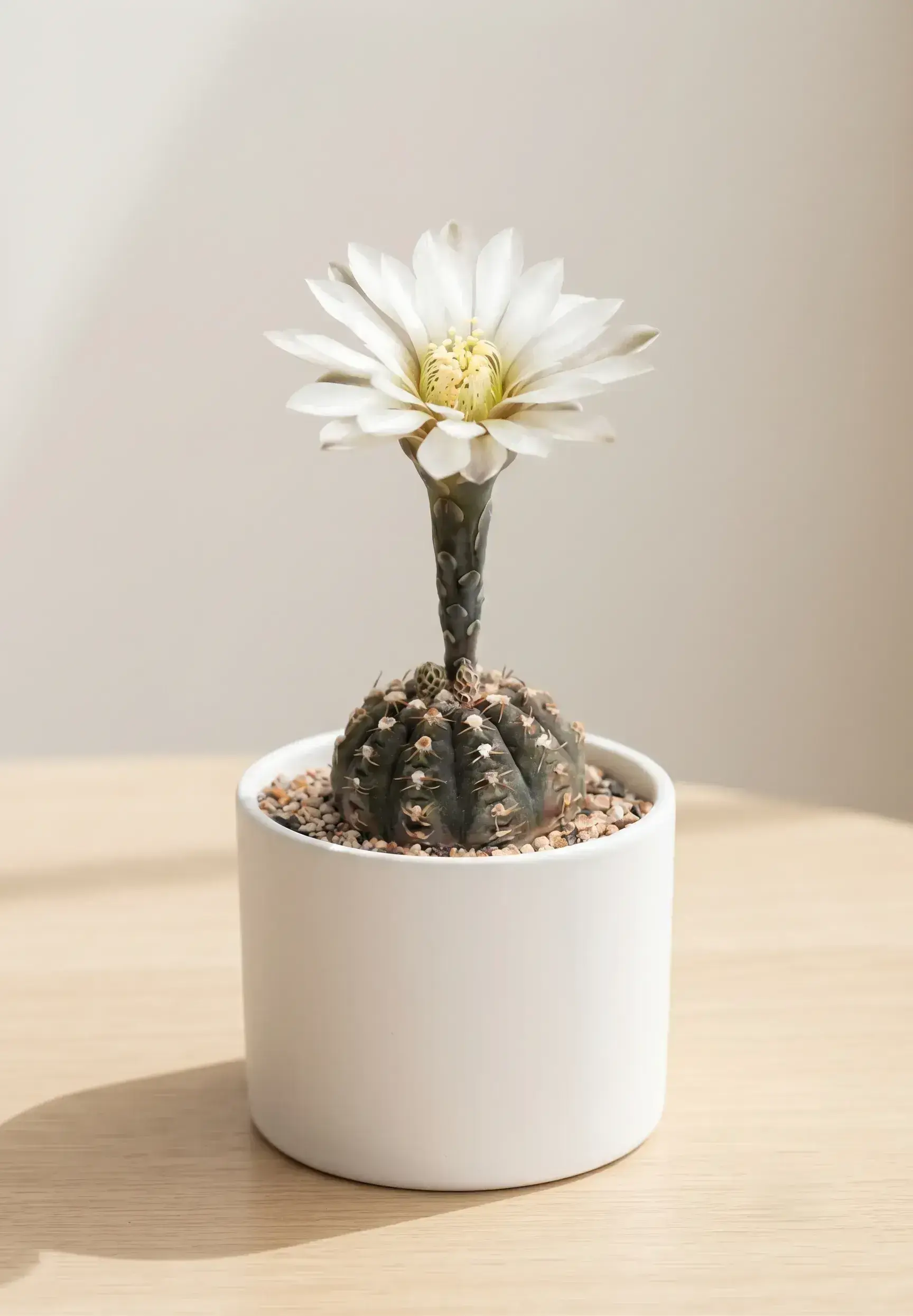
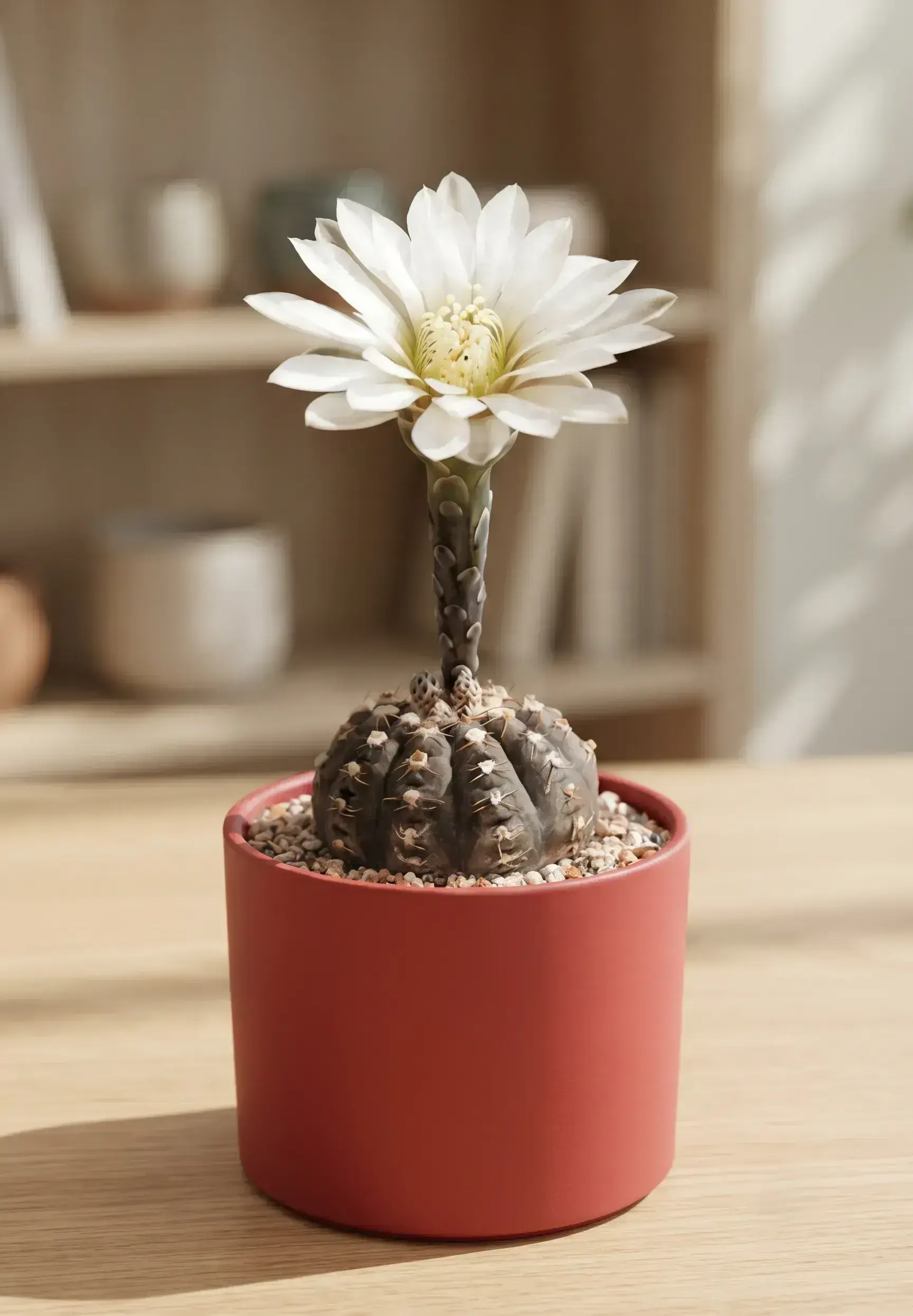
The Gymnocalycium Friedrichii Plant, commonly known among succulent collectors as the Friedrichii Cactus or Chin Cactus, is a compact, globular desert cactus admired for its symmetrical ribbed body, subtle horizontal banding, and showy funnel-shaped flowers. Botanically known in horticulture as Gymnocalycium friedrichii (and closely classified in modern taxonomy under Gymnocalycium stenopleurum), this South American native is a standout choice for tabletop planters, sunny windowsills, and balcony cactus gardens across India.
Slow-growing, tidy, and easy to care for in small pots, the Friedrichii Cactus brings sculptural desert geometry to compact spaces without taking over a shelf or balcony ledge. With bright filtered sunlight, gritty fast-draining soil, and restrained watering, this charming cactus thrives for years while rewarding patient growers with delicate seasonal blooms.
Plant Highlights
- Product Name: Gymnocalycium Friedrichii Plant | Friedrichii Cactus for Home Garden
- Common Name: Friedrichii Cactus, Chin Cactus, Plaid Cactus
- Botanical Name: Gymnocalycium friedrichii (synonym / accepted taxonomic placement: Gymnocalycium stenopleurum)
- Family: Cactaceae (Cactus family)
- Plant Type: Evergreen perennial globular succulent cactus
- Origin: Paraguay and Bolivia (Gran Chaco region of South America)
- Flower Colour: Pale pink, white, or soft rose-pink with a slightly darker throat
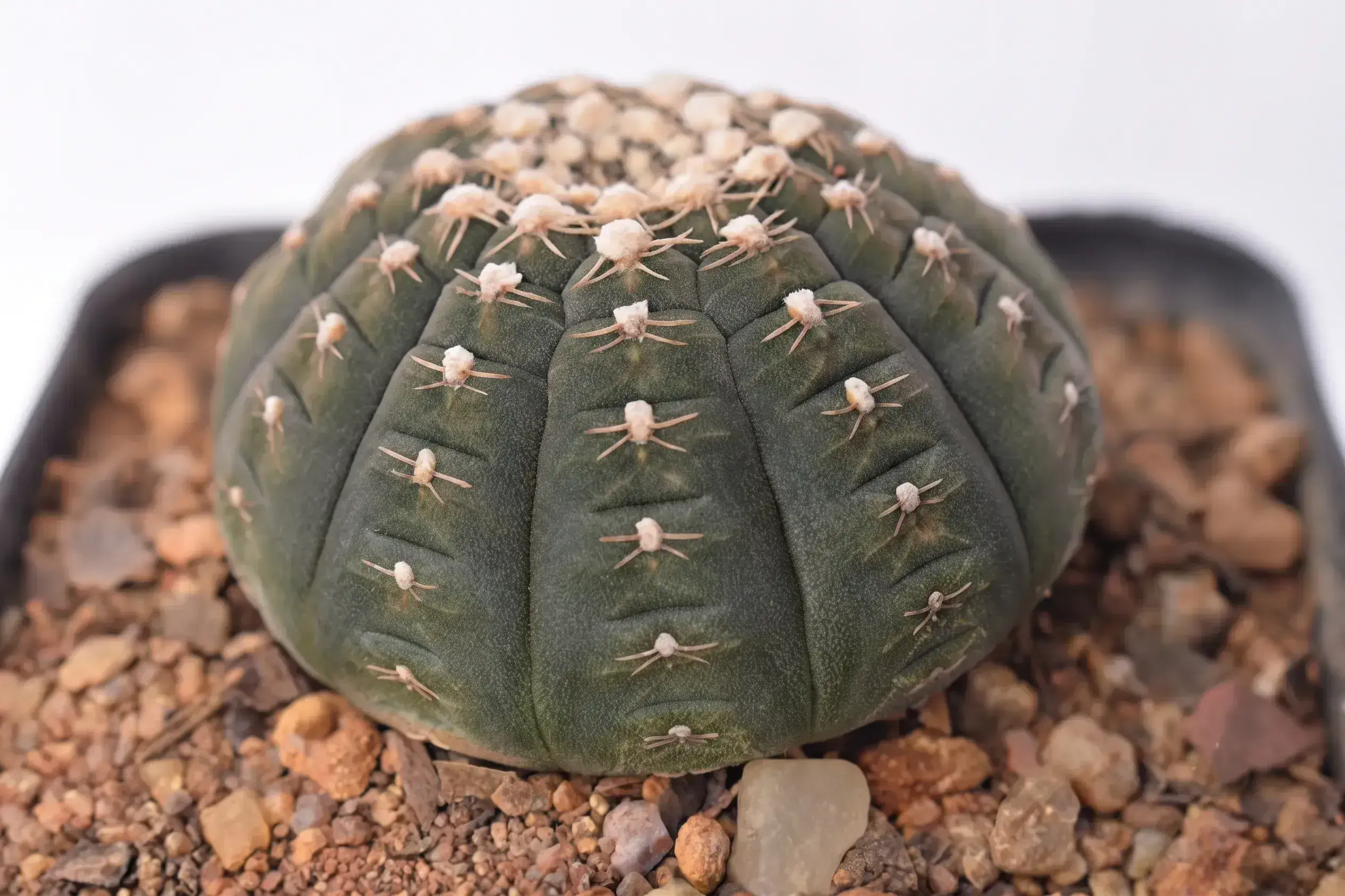
- Foliage / Stems: Flattened-globular, greyish-green to bronze-tinted ribbed stem body with 8 to 10 distinct vertical ribs and chin-like tubercles below the areoles
- Growth Habit: Solitary or slowly offsetting globular cactus
- Mature Height: Typically 5 to 10 cm (2 to 4 inches) tall and 6 to 12 cm wide in containers
- Sunlight: Bright indirect light to 3 to 4 hours of gentle morning sunlight daily
- Watering: Low; water thoroughly only after the potting mix dries out completely
- Suitable For: Sunny windowsills, covered balconies, terrace cactus collections, tabletop planters, and bright office desks near windows
About the Gymnocalycium Friedrichii Plant
Gymnocalycium friedrichii belongs to the cactus family Cactaceae and originates from the dry scrublands and open woodlands of Paraguay and neighboring Bolivia. In modern botanical references such as Kew Science, it is commonly placed under Gymnocalycium stenopleurum (and was historically described as a variety of Gymnocalycium mihanovichii), though nurseries worldwide continue to label it as Gymnocalycium friedrichii.
The genus name Gymnocalycium means “naked calyx,” referring to its smooth, spineless flower buds—a signature feature that distinguishes this group from many other globular cacti. Unlike brightly colored grafted “Moon Cacti” that lack chlorophyll and have shorter lifespans, a natural, own-root green-to-bronze Friedrichii Cactus photosynthesizes independently and grows steadily for many years.
Appearance and Growth Habit
The Friedrichii Cactus forms a neat, flattened sphere divided into 8 to 10 sharp, prominent vertical ribs. Along each rib are slightly curved, slender spines emerging from small wool-tufted areoles, with characteristic horizontal chin-like ridges beneath each spine cluster. Its epidermis ranges from deep olive-green in moderate light to a rich reddish-bronze or purplish-green hue when exposed to bright sunlight.
Growth is slow and compact, generally reaching 6 to 12 cm in diameter at maturity. Over time, older specimens may produce small basal offsets (pups) around the lower ribs.
Foliage and Flowering Characteristics
Like other desert cacti, the ribbed green-bronze stem carries out photosynthesis in place of leaves. From late spring through summer, mature Gymnocalycium Friedrichii plants produce elegant, funnel-shaped flowers from the upper crown (apex) of the stem.
The blooms typically open in soft shades of pale pink, pearly white, or rose-pink during warm, sunny afternoons and close again in the evening, lasting several days. Consistent bright light and a cool, dry winter rest period encourage reliable blooming.
Sunlight Requirements
Unlike desert cacti that demand harsh, all-day sun, Gymnocalycium friedrichii grows naturally under light scrub shade in its native habitat and prefers bright indirect light or 3 to 4 hours of gentle direct morning sunlight daily.
In Indian gardens, place the pot on an east-facing windowsill, a bright covered balcony, or under 30% to 50% shade net during hot summer months. Harsh midday and afternoon sun in April, May, and June can bleach or scorch the ribs, whereas prolonged deep shade causes weak, elongated growth.
Watering Requirements
Because the globular stem stores substantial water, careful watering is essential to keep the roots healthy.
Watering During Summer and Active Growth
Use the soak-and-dry method: check the potting mix completely down to the bottom, and water thoroughly only when the soil is bone-dry. Allow excess water to drain out freely and empty any standing water from the tray beneath. In warm weather, this usually means watering once every 7 to 12 days depending on pot size and airflow.
Watering During Monsoon and Winter
During the humid Indian monsoon, evaporation slows considerably, so reduce watering to once every 2 to 3 weeks or only when the substrate is completely dry. In winter, when the cactus enters dormancy, water very sparingly—about once every 3 to 4 weeks—just enough to prevent the stem from shriveling.
Soil and Potting Requirements
A highly porous, fast-draining mineral-rich potting mix is vital for preventing root rot in Gymnocalycium species. Standard garden clay or water-retentive coco-peat mixes hold too much moisture around the sensitive roots.
Suggested Potting Mixture for Friedrichii Cactus
Prepare an airy, gritty cactus mix using 40% pumice, perlite, or crushed brick, 35% coarse river sand or quartz grit, and 25% well-draining sandy garden loam mixed with a small pinch (about 5% to 10%) of well-aged vermicompost. Plant in a small terracotta or ceramic pot with a clear drainage hole at the bottom so excess moisture escapes rapidly.
Growing the Plant in the Indian Climate
The Friedrichii Cactus adapts well to Indian homes and balconies when shielded from intense afternoon glare and heavy monsoon rain.
Summer Care
Keep the plant in bright filtered light or gentle morning sun with good air movement, protecting it from scorching afternoon heatwaves.
Monsoon Care
Heavy monsoon rain and high humidity in cities like Kolkata, Mumbai, Bengaluru, and Chennai pose the greatest risk of fungal rot. Keep potted plants under a rain-sheltered balcony overhang or on a bright indoor windowsill during the rainy season.
Winter Care
Mild Indian winters provide an ideal rest period that supports spring flowering. Keep the cactus in bright winter light and cut back watering until temperatures warm up in February or March.
Temperature and Humidity
Gymnocalycium friedrichii thrives in temperatures between 18°C and 32°C with low to moderate humidity. It tolerates cooler winter nights down to 8°C to 10°C when kept completely dry, though frost must be avoided. Good air circulation around the pot helps prevent fungal issues during humid weather.
Fertilizer and Nutrition
This slow-growing globular cactus has very modest nutrient needs.
During the active growing period from March to September, feed once a month with a low-nitrogen cactus or succulent liquid fertilizer diluted to quarter or half strength. Avoid fertilizing during winter dormancy or right after repotting, as excess nitrogen causes soft, bloated tissue susceptible to splitting and rot.
Growing the Plant in Pots
Because of its compact size and shallow root system, the Gymnocalycium Friedrichii Plant is ideally suited for long-term container growing on windowsills, shelves, and balcony tables. Choose a snug pot only 2 cm wider than the cactus body, as oversized pots retain unused damp soil. Repot every 2 to 3 years in early spring using fresh, gritty cactus mix.
Pruning and Maintenance
No pruning is required for this naturally symmetrical globular cactus. Simply remove any dried flower remains gently once spent, keep the top dressing free of fallen leaves or debris, and avoid misting the stem directly with water.
Propagation
The Friedrichii Cactus can be propagated from basal offsets (pups) or seeds.
1. Basal Offsets (Pups)
If a mature plant produces small side offsets near the base, gently twist or cut a firm offset away using a sterilized blade. Let the cut base dry in a shaded, airy spot for 4 to 5 days until calloused, then set it onto dry, gritty cactus mix until roots anchor into the soil.
2. Seeds
Fresh seeds sown on top of moist, sterilized mineral grit in warm, bright conditions generally germinate within 1 to 3 weeks, though seed-grown cacti take a few years to reach flowering size.
Common Problems and Plant Care
Monitoring sunlight and soil dryness prevents nearly all common problems with Gymnocalycium friedrichii.
1. Soft, Mushy, or Darkening Base
Indicates overwatering or poorly draining soil leading to root or stem rot. Stop watering immediately, unpot the plant to inspect the roots, trim away any rotted tissue, let the healthy upper portion callus for a week, and re-pot in dry mineral mix.
2. Bleached, Pale, or Scorched Patches
Caused by sudden exposure to harsh midday or afternoon sunlight. Move the pot to bright filtered light or morning-only sun; while existing sunburn scars remain permanent, new crown growth will emerge healthy.
3. Shrunken or Wrinkled Ribs
Signals prolonged underwatering during warm weather (or root loss from past rot). Check that roots are firm and water thoroughly so the stem plumps back up over several days.
4. Mealybugs or Root Mealybugs
Tiny white cottony mealybugs sometimes hide between ribs or around the roots. Dab visible insects with a cotton swab dipped in 70% isopropyl rubbing alcohol or treat with diluted neem oil (3 ml per liter of water) in the evening.
Suitability for Home Gardens
The Gymnocalycium Friedrichii Plant is ideal for bright east- or south-facing windowsills, covered balconies, terrace succulent shelves, study desks right beside sunny windows, and miniature desert dish gardens. It is not suited for dark interior corners without natural window light or exposed outdoor beds in heavy-rainfall regions.
Safety and Important Information
Gymnocalycium friedrichii is non-toxic to humans and pets, making it a safer choice than milky-sapped euphorbias. However, its slender spines can prick fingers or curious noses, so handle the plant carefully using tongs, thick gloves, or folded paper and keep it out of reach of young children.
Live Plant Delivery Information
Live Gymnocalycium Friedrichii plants vary naturally in diameter, rib count, spine length, and bronze-green coloration depending on light exposure. Mild shipping stress may occur during transit, and slight soil settling around the base is normal.
After unboxing, place your cactus in bright indirect light for 2 to 3 days before introducing it to gentle morning sunlight. Check the potting mix before watering—water only if the soil is completely dry. Wait 1 to 2 weeks before repotting or applying fertilizer so the roots settle smoothly.
Why Choose the Gymnocalycium Friedrichii Plant for Your Garden?
With its sculpted ribbed silhouette, subtle bronze-green banding, and delicate pale pink flowers, the Gymnocalycium Friedrichii Plant offers rare collector charm in a compact, easy-to-care-for package. It is a long-lived miniature cactus that fits effortlessly onto sunny windowsills and balcony shelves.
Botanical Information and Further Reading
- Kew Science – Plants of the World Online: Gymnocalycium stenopleurum F.Ritter (syn. G. friedrichii)
- Royal Horticultural Society (RHS) – Gymnocalycium Plant Profile
- LLIFLE Encyclopedia of Cacti – Gymnocalycium friedrichii Botanical Guide
- World of Succulents – Gymnocalycium (Chin Cactus) Care Reference
Frequently Asked Questions (FAQs)
1. What is the botanical name of the Friedrichii Cactus?
In nurseries it is sold as Gymnocalycium friedrichii, which modern botanical references such as Kew Science classify under Gymnocalycium stenopleurum in the cactus family Cactaceae.
2. How much sunlight does a Gymnocalycium Friedrichii Plant need?
It prefers bright indirect light or 3 to 4 hours of gentle morning sunlight daily. Protect it from harsh afternoon sun during hot Indian summers to prevent sunburn.
3. How often should I water my Friedrichii Cactus?
Water thoroughly only when the potting mix has dried out completely. In warm weather, this is typically once every 7 to 12 days, while in monsoon and winter, watering every 2 to 4 weeks is sufficient.
4. What soil mix is best for Gymnocalycium friedrichii?
Use a fast-draining mineral cactus mix made with pumice, perlite, coarse river sand, and a small portion of sandy loam so water drains immediately and prevents root rot.
5. Can I grow a Gymnocalycium Friedrichii Plant indoors?
Yes, it grows well indoors right beside a bright window receiving good natural light and gentle morning sun. Avoid dark rooms far from windows.
6. Does the Friedrichii Cactus produce flowers?
Yes, mature plants grown in bright light with a cool, dry winter rest produce pale pink to white funnel-shaped flowers from the top of the stem in late spring and summer.
7. How should I care for this cactus during the Indian monsoon?
Keep the pot sheltered from direct monsoon rain on a covered balcony or bright windowsill, and reduce watering frequency so high humidity does not keep the roots wet.
8. How big does a Gymnocalycium Friedrichii Plant grow?
It is a slow-growing miniature cactus that typically reaches 5 to 10 cm tall and 6 to 12 cm wide in home pots.
9. Why is my Friedrichii Cactus turning reddish-bronze?
A rich bronze or reddish-purple tint on the ribs is a natural response to bright sunlight and indicates healthy light exposure, provided the stem remains firm and not bleached.
10. Is the Gymnocalycium Friedrichii Plant safe for pets?
Yes, it is non-toxic to cats and dogs, though its spines can prick curious noses or fingers, so place it carefully out of reach of pets and small children.
For More Information
Visit: krisikart.com
For Contact Visit:Contact Us
For Shopping Visit: Shop Page


Ankana Nandi –
Healthy plants and good service.
Very happy with my purchase.
Nice packaging and fresh plants.