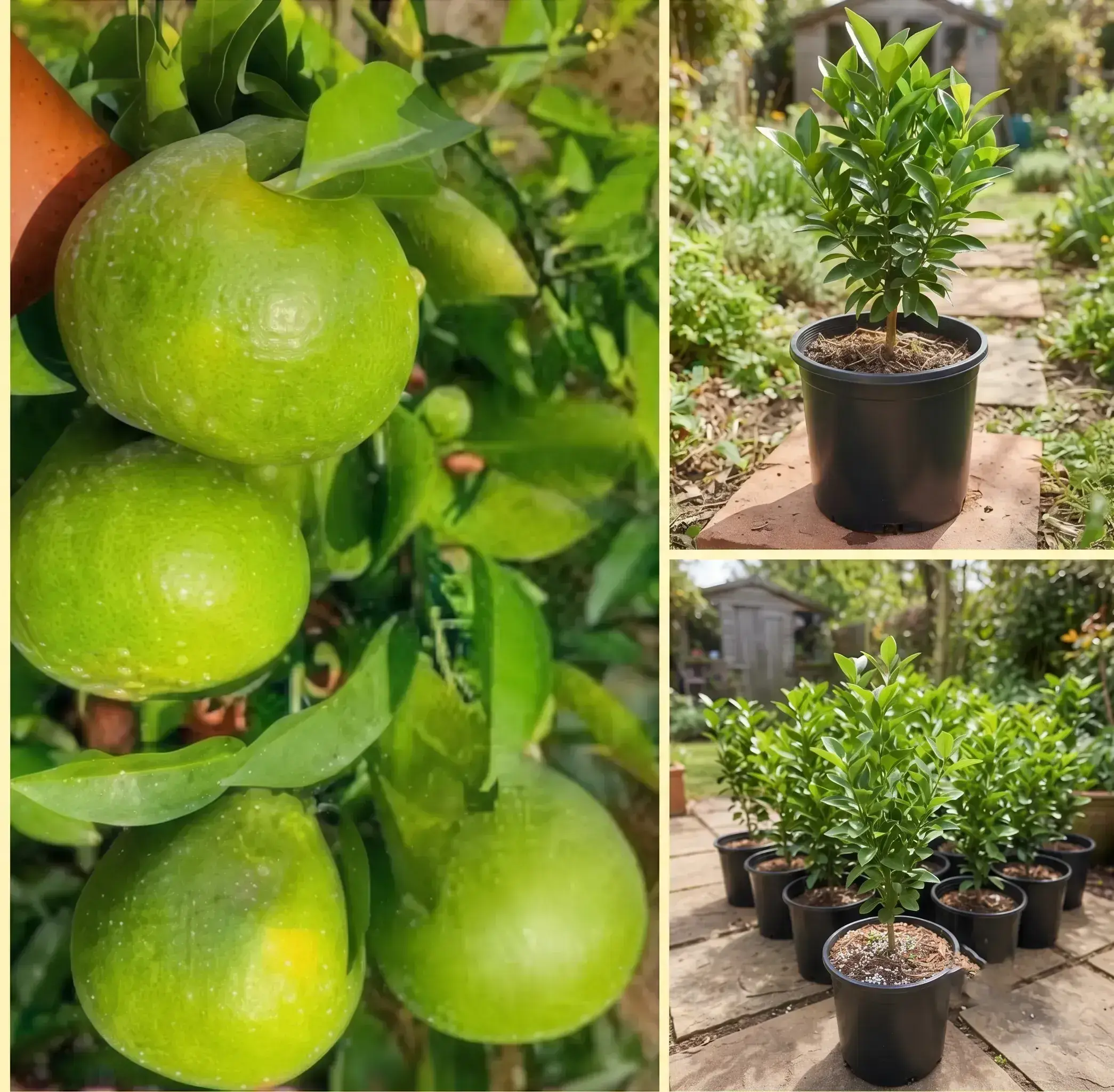
 Plastic Plant pot | Plastic Garden Pot for Plants
 Self Watering Planters | Self Watering Plant Pots For Plants
Orange Plant | Nagpur Orange Tree (Citrus reticulata / Citrus × sinensis) Mandarin Orange Plant
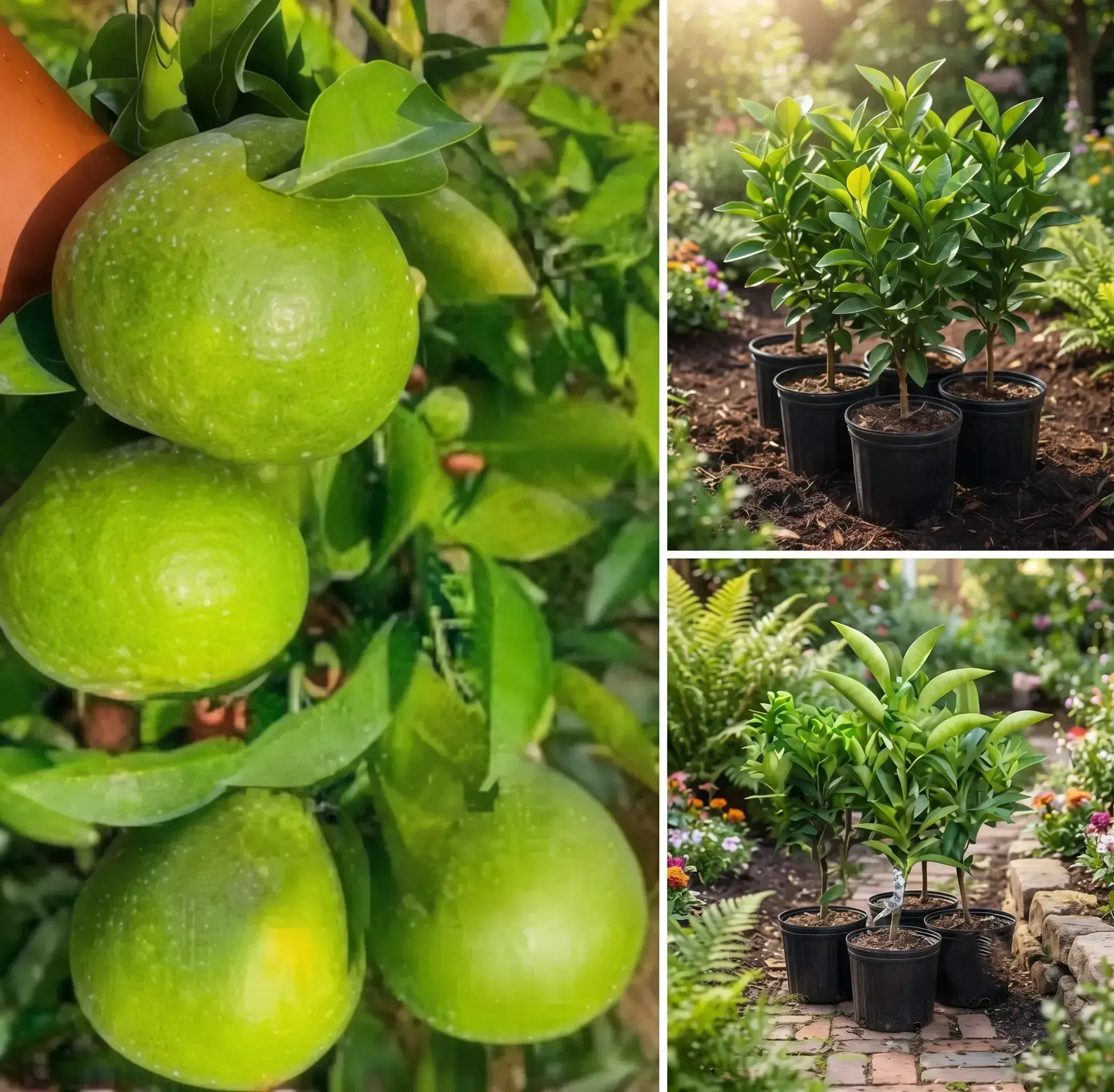
The Nagpur Orange Plant, (Citrus reticulata / Citrus × sinensis) Mandarin Orange Plant, is one of India’s finest loose-skinned mandarin citrus varieties. Originating from the Vidarbha region of Maharashtra, this aromatic evergreen fruit tree is prized for its glossy deep-green foliage, sweet-scented white blossoms, and easy-to-peel, juicy, sweet-tangy mandarins.
Because nursery-supplied Nagpur Orange Trees are vegetatively propagated via budding or grafting onto hardy citrus rootstocks, they preserve the authentic fruit sweetness and thin, loose rind of the parent selection while staying compact enough for home gardens, sunny terraces, and large containers. With full sunlight, fast-draining soil, and seasonal organic feeding, this Mandarin Orange Plant brings year-round greenery and rewarding harvests to your outdoor space.
Plant Highlights
- Product Name: Orange Plant | Nagpur Orange Tree (Citrus reticulata / Citrus × sinensis) Mandarin Orange Plant for Home Garden
- Common Name: Nagpur Orange, Nagpur Santra (Hindi/Marathi), Mandarin Orange, Loose-Skinned Orange, Komola Lebu (Bengali)
- Botanical Name: Citrus reticulata (commonly listed in nurseries under Citrus × sinensis; botanical synonym Citrus nobilis var. deliciosa)
- Cultivar / Regional Selection: ‘Nagpur Santra’ (Vegetatively propagated via budding or grafting)
- Family: Rutaceae (Citrus / Rue family)
- Plant Type: Evergreen perennial fruit tree
- Origin: Species native to Southeast Asia and southern China; ‘Nagpur’ selection famously cultivated in Nagpur and Vidarbha, Maharashtra
- Flower Colour: Pure white, five-petaled blossoms
- Flower Fragrance: Richly sweet and citrus-scented
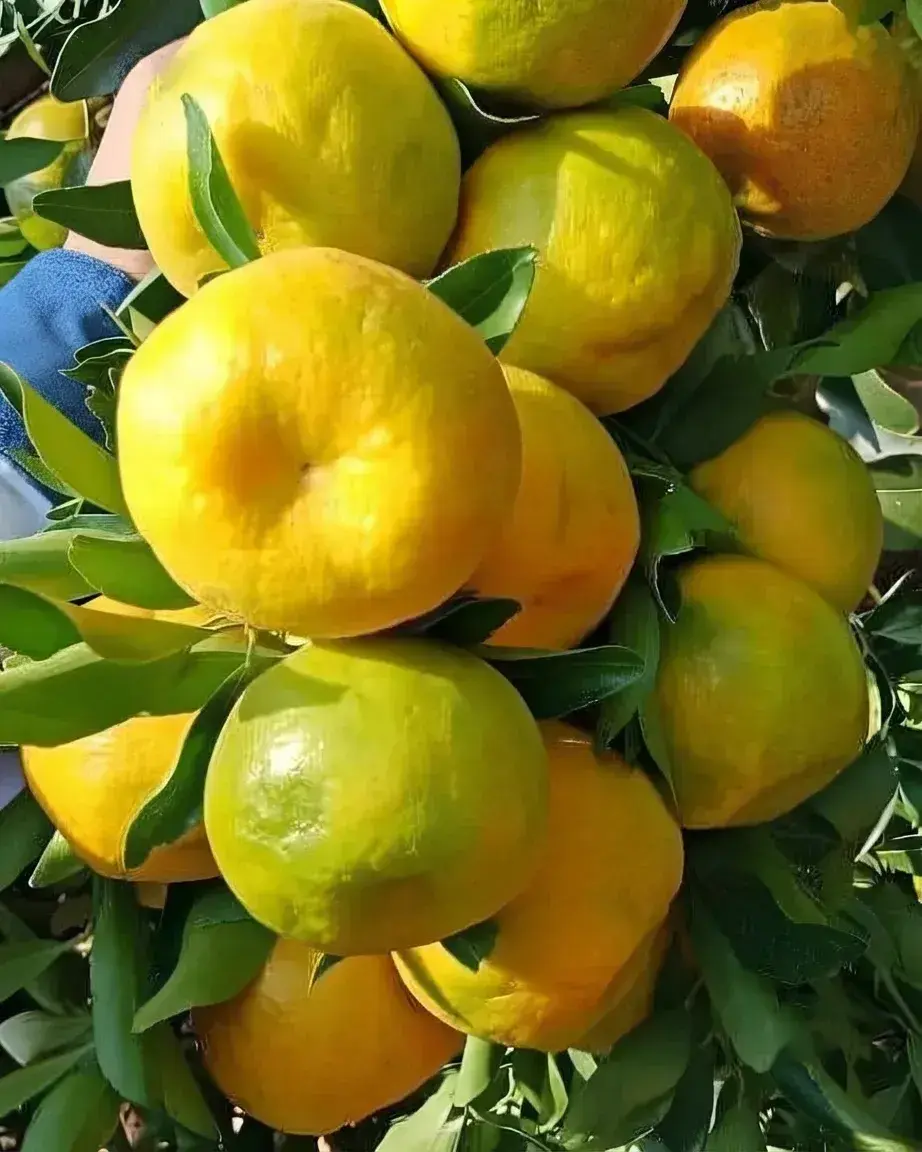
- Fruit Colour: Green when developing, ripening to bright golden-orange or yellowish-orange with a loose, easy-peeling rind
- Foliage: Glossy, dark green, lance-shaped to oval aromatic leaves with very narrow leaf stalks (petioles)
- Growth Habit: Compact, upright-to-spreading, bushy evergreen tree with slender branches and occasional small thorns
- Mature Height: Typically 3 to 5 meters (10 to 16 feet) in open ground; easily maintained at 1.5 to 2.5 meters (5 to 8 feet) in containers with light pruning
- Sunlight: Full direct sunlight (at least 6 hours daily)
- Watering: Moderate; water deeply when the top 3 to 5 cm of soil feels dry, ensuring fast drainage
- Suitable For: Home gardens, sunny terraces, large pots or grow bags, courtyard borders, and small orchards
About the Nagpur Orange Tree
Citrus reticulata belongs to the rue family Rutaceae and represents the true loose-skinned mandarin group of citrus fruits, distinct from tight-skinned sweet oranges (Citrus × sinensis) such as Malta or Valencia. The Nagpur Orange—locally famed as Nagpur Santra—is renowned for its balanced sweet-acid juice, tender segments, and signature loose peel that separates effortlessly from the fruit.
For home gardeners, planting a budded or grafted Nagpur Orange Tree is far superior to growing from seed. Grafted trees retain true varietal flavor, develop a manageable compact canopy, and typically begin flowering within 2 to 3 years of planting under favorable sun and care.
Appearance and Growth Habit
The Nagpur Orange Plant forms a neat, dense, well-branched evergreen tree with smooth greenish-grey bark and slender, slightly drooping outer twigs. Its leaves are smaller and narrower than those of sweet oranges, glossy dark green on top, and release a crisp citrus fragrance when rubbed.
In open garden soil, the tree develops a balanced rounded crown reaching 3 to 5 meters over several years. In terrace pots or grow bags, root restriction and light post-harvest pruning keep the plant compact and easy to harvest.
Flowers and Flowering Season
In Indian climates, the Nagpur Orange Tree typically produces two main flowering flushes: the spring flush in February to March (Ambe bahar) and the monsoon flush in June to July (Mrig bahar), depending on local temperatures and watering schedules.
The waxy, five-petaled white flowers appear singly or in small clusters along the twigs, releasing a sweet citrus perfume that attracts honeybees and other pollinators. Consistent sunlight and balanced nutrition encourage healthy bloom cycles.
Fruits and Harvest
Depending on the flowering flush, Nagpur mandarins mature roughly 7 to 9 months after pollination—producing main harvests from November to January (from spring blooms) and February to April (from monsoon blooms). Ripe fruits are slightly flattened at the ends (oblate), featuring a pebbly, loose orange-yellow rind and juicy, sweet-tangy segments.
Pollination and Fruiting Tips
Citrus reticulata is largely self-fertile, meaning a single outdoor Nagpur Orange Tree can set fruit on its own without needing a second tree nearby. Note that cool night temperatures during ripening help develop the classic bright orange skin color; in warmer coastal or tropical regions, fruits often turn sweet and juicy inside even while the outer peel remains greenish-yellow.
Sunlight Requirements
A productive Nagpur Orange Plant requires full, unobstructed sunlight for at least 6 to 8 hours every day. Direct sunlight fuels sturdy shoot growth, abundant flowering, natural pest resistance, and sweet juice development.
In regions where summer temperatures climb above 42°C, newly planted saplings may benefit from light afternoon shade during peak May heatwaves until their roots settle.
Watering Requirements
Citrus trees prefer deep, thorough watering followed by brief intervals where the top few centimeters of soil dry out slightly.
Watering During Establishment and Summer
During the first 3 to 4 weeks after planting, water every 2 to 3 days so the root ball stays evenly moist without becoming waterlogged. In hot Indian summers, water potted plants every 2 to 3 days and ground-planted trees every 4 to 6 days once the top 3 to 5 cm of soil feels dry.
Watering During Monsoon and Winter
During the monsoon, pause manual watering when rainfall is regular and ensure rainwater drains quickly away from the trunk. In winter, reduce watering intervals to once every 7 to 10 days, checking soil moisture first. Standing water around the roots is the leading cause of root rot and leaf drop in mandarin trees.
Soil and Potting Requirements
Citrus reticulata grows best in fertile, well-draining sandy loam or alluvial soil with a slightly acidic to neutral pH between 6.0 and 7.2. Heavy, poorly drained clay soils or highly saline soils restrict root oxygen and cause nutrient lockup.
Suggested Potting Mixture for Containers
For growing a Mandarin Orange Plant in a pot or grow bag, prepare an airy, well-draining mix using 45% fertile garden soil, 25% well-decomposed cow dung manure or vermicompost, 20% coarse river sand or perlite, and 10% cocopeat, mixed with a handful of neem cake powder. Make sure the container has multiple unobstructed drainage holes and elevate it slightly on pot feet or bricks.
Growing the Plant in the Indian Climate
The Nagpur Orange Tree performs well across subtropical and tropical Indian states, including Maharashtra, Madhya Pradesh, Rajasthan, Punjab, West Bengal, Assam, Karnataka, and Telangana.
Summer Care
High summer temperatures speed up evaporation from containers and topsoil. Apply a 3 to 5 cm layer of organic mulch (dry leaves or compost) around the root zone—keeping it clear of the trunk bark—to conserve moisture and keep roots cool.
Monsoon Care
In warm, high-rainfall regions such as Kolkata, West Bengal, and coastal India, monsoon triggers vigorous vegetative shoot growth. Ensure fast drainage around the roots, empty water-catching saucers under pots, and maintain good spacing for air circulation.
Winter Care
Cool, dry Indian winters are ideal for ripening sweet, bright-colored Nagpur mandarins. Established trees tolerate mild Indian winters easily, though young saplings in northern plains should be protected from severe ground frost.
Temperature and Humidity
Citrus reticulata thrives in warm temperatures between 20°C and 35°C and adapts to both moderate and high humidity when planted in full sun with good airflow. Mature mandarin trees tolerate brief winter dips down to 3°C–4°C, whereas prolonged freezing temperatures can injure tender shoots and blossoms.
Fertilizer and Nutrition
Mandarin orange trees are steady feeders that benefit from balanced macro- and micronutrients to sustain flowering and juicy fruit development.
Feed your Nagpur Orange Tree three times a year: in February before spring growth, in June at the onset of monsoon, and in September after heavy rains subside. Apply 2 to 5 kg of well-rotted farmyard manure or vermicompost around the drip line for ground trees (or 300 to 500 grams for potted plants), supplemented with bone meal or rock phosphate and a citrus micronutrient spray containing zinc, iron, and magnesium. Avoid high-nitrogen fertilizers during active flowering so the plant focuses on fruit set rather than soft leafy shoots.
Growing the Plant in Pots
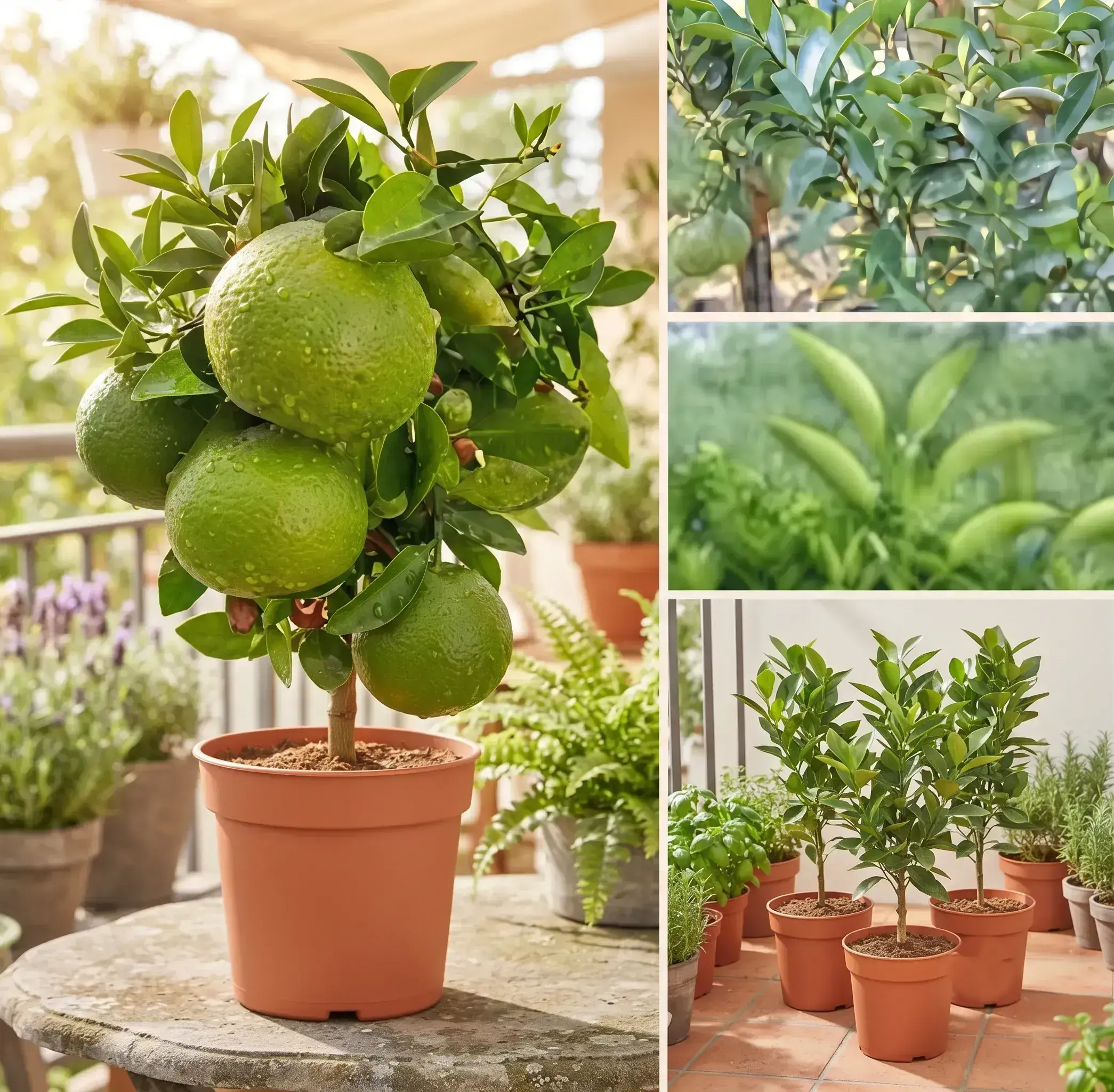
Because of its naturally compact, bushy frame, the Nagpur Orange Tree is well suited for sunny terrace and balcony container gardening. Start a young sapling in a 14-to-16-inch pot or grow bag, and shift it into an 18-to-24-inch heavy-duty container after 2 to 3 years as the roots expand.
Always keep the swollen graft or bud union well above the soil surface when potting or repotting to prevent collar rot.
Pruning and Maintenance
Light, regular maintenance keeps your Mandarin Orange Plant open, healthy, and productive.
Removing Rootstock Suckers
Inspect the lower trunk below the bud or graft union periodically and prune off any fast-growing, thorny shoots sprouting from the rootstock immediately so they do not weaken the grafted Nagpur Orange top.
Post-Harvest Canopy Shaping
After harvesting the winter crop, lightly trim dead, diseased, or inward-crossing twigs so sunlight and air reach the center of the canopy. Avoid heavy pruning during flowering or active fruit sizing.
Propagation
Nurseries propagate Nagpur Orange vegetatively via shield budding (T-budding) or wedge grafting onto hardy citrus rootstocks such as rough lemon (Citrus jambhiri) or Rangpur lime (Citrus × limonia). Vegetative propagation guarantees true-to-type Nagpur Santra fruit flavor, a loose peel, and earlier fruiting than seed-grown trees.
Common Problems and Plant Care
Checking new leaf flushes and twigs regularly helps prevent common citrus issues.
1. Citrus Leaf Miner
Tiny larvae tunnel inside tender new leaves, leaving silvery, winding trails and causing leaves to curl. Spray diluted neem oil (3 to 5 ml per liter of water) on fresh flushes every 10 to 14 days during active shoot growth.
2. Yellowing Leaves (Chlorosis)
Uniform yellowing of older leaves often indicates overwatering or nitrogen deficiency, whereas yellowing between green veins on young leaves points to zinc, iron, or magnesium deficiency. Check soil drainage first and apply a chelated citrus micronutrient spray.
3. Flower and Young Fruit Drop
Some natural thinning of small fruitlets is normal. Excessive drop is usually caused by sudden moisture stress (letting soil dry out completely and then flooding it), extreme heatwaves, or lack of micronutrients during flowering.
4. Citrus Canker or Gummosis
Avoid wetting the trunk bark or foliage directly when watering, keep soil well-drained around the root collar, and prune out any dead or lesion-spotted twigs cleanly.
Suitability for Home Gardens
The Nagpur Orange Tree is ideal for sunny home gardens, terrace container orchards, wide sun-drenched balconies, courtyard borders, and farmhouse plots. Because it requires at least 6 hours of direct sunlight daily, it is not suitable for indoor rooms or shaded corners.
Safety and Important Information
Nagpur mandarin fruits are nutritious, easy to peel, and safe for fresh eating and juicing. Note that like other citrus species, the leaves, peel, and twigs contain natural essential oils and compounds that can cause mild digestive upset or skin sensitivity in dogs and cats if chewed in large quantities, and occasional small thorns may appear on vigorous shoots.
Live Plant Delivery Information
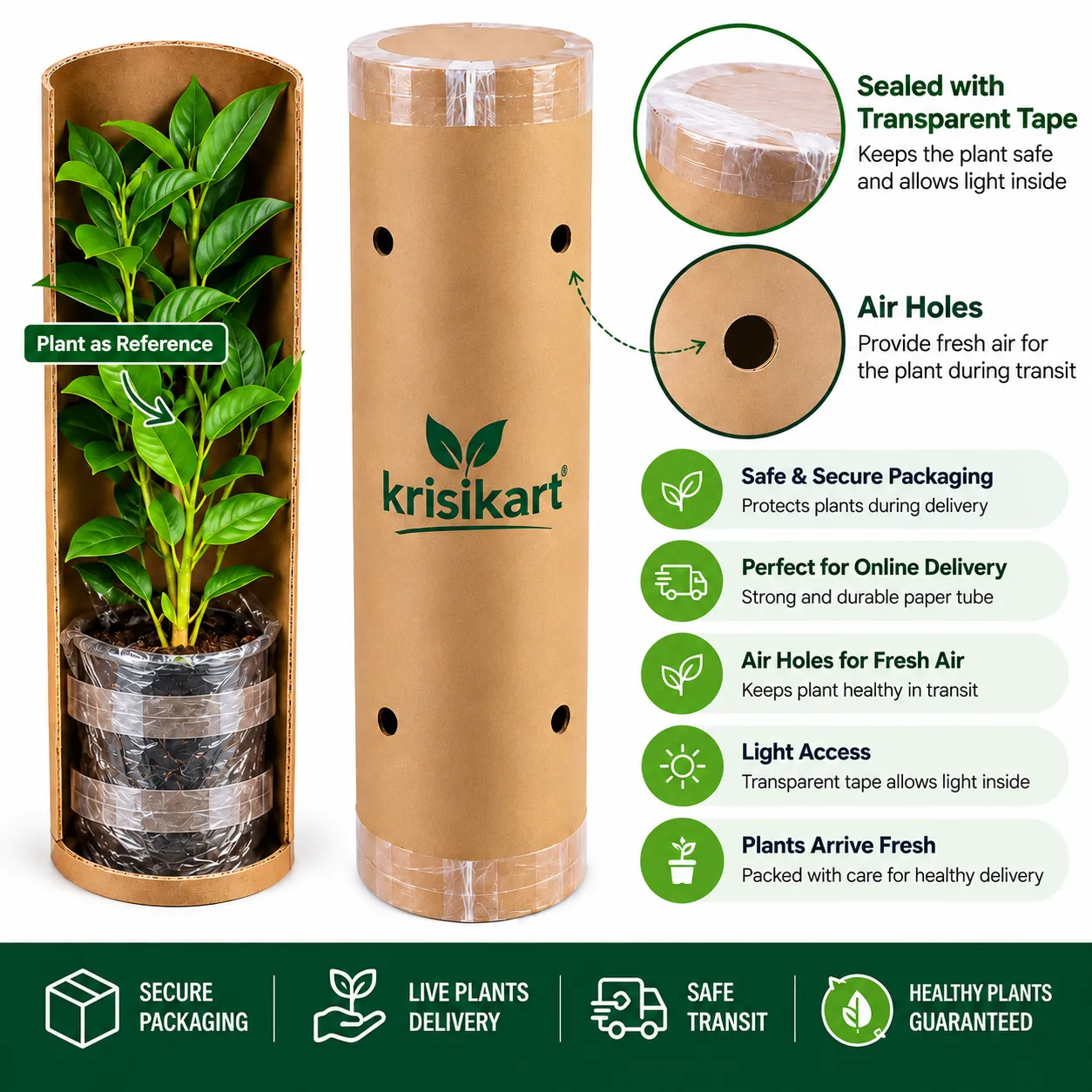
Live grafted saplings vary naturally in height, stem thickness, branching, and leaf count. Mild transit stress can occur during shipping, and a few older leaves may turn yellow or drop shortly after arrival.
Upon receiving your Nagpur Orange Plant, place it in bright, filtered outdoor light for 3 to 4 days to recover before moving it into full direct sunlight. Check the soil moisture immediately and water gently if dry. Avoid applying fertilizers, repotting right away, or pruning healthy foliage during the first 10 to 14 days while the sapling acclimates.
Why Choose the Nagpur Orange Tree for Your Garden?
Prized across India for its sweet-tangy juice, easy-peeling loose skin, and fragrant spring blossoms, the Nagpur Orange Tree brings classic orchard quality to home gardens and sunny terraces. With full sunlight, well-drained soil, and simple seasonal care, this compact citrus tree rewards growers with year-round greenery and fresh homegrown mandarins.
Botanical Information and Further Reading
- Kew Science – Plants of the World Online: Citrus reticulata Blanco
- Kew Science – Plants of the World Online: Citrus × sinensis (L.) Osbeck
- Royal Horticultural Society (RHS) – Citrus reticulata Plant Details
- ICAR – Central Citrus Research Institute, Nagpur (Mandarin Cultivation)
- eFlora of India – Citrus reticulata Botanical Reference
Frequently Asked Questions (FAQs)
1. What is the botanical name of the Nagpur Orange Tree?
The accepted botanical name for true loose-skinned Nagpur Mandarin Orange is Citrus reticulata (often listed in nurseries alongside sweet orange under Citrus × sinensis), belonging to the family Rutaceae.
2. What makes Nagpur Orange different from regular sweet orange (Malta)?
Nagpur Orange is a loose-skinned mandarin with a thin, easy-to-peel rind and tender, sweet-tangy segments, whereas Malta or Mosambi is a tight-skinned sweet orange.
3. Can I grow a Nagpur Orange Plant in a pot on my terrace?
Yes, grafted Nagpur Orange Trees stay compact and grow very well in an 18-to-24-inch pot or grow bag on a sunny terrace with fast-draining soil.
4. How much sunlight does a Mandarin Orange Plant need?
It requires full, direct sunlight for at least 6 to 8 hours daily for healthy foliage, abundant white blossoms, and sweet fruit development.
5. Do I need two Nagpur Orange trees for pollination and fruit set?
No, Citrus reticulata is largely self-fertile and pollinated by bees, so a single outdoor Nagpur Orange Tree can bear fruit on its own.
6. How long does a grafted Nagpur Orange Tree take to bear fruit?
Budded or grafted Nagpur Orange plants typically begin flowering and setting fruit within 2 to 3 years of planting under favorable sun and care.
7. Why is the outer skin of my orange still greenish-yellow even when ripe?
Bright orange peel color develops best when nights are cool during ripening. In warm Indian climates, Nagpur mandarins often become sweet and juicy inside while the outer rind stays greenish-yellow.
8. How often should I water my Nagpur Orange Plant?
Water deeply whenever the top 3 to 5 cm of soil feels dry. In summer, potted plants generally need watering every 2 to 3 days, while watering should be reduced during monsoon and winter.
9. What is the best soil mix for growing Nagpur Orange in containers?
A well-draining mix of 45% garden soil, 25% vermicompost or well-rotted cow dung manure, 20% coarse river sand or perlite, and 10% cocopeat works well.
10. What should I do if shoots grow below the graft joint on the lower trunk?
Any thorny shoots emerging below the swollen bud or graft union belong to the rootstock and should be pruned off flush with the trunk immediately.
11. Is the Nagpur Orange Tree suitable for humid climates like Kolkata or West Bengal?
Yes, grafted Nagpur Orange grows well in West Bengal and across warm Indian regions when planted in full sun with fast-draining soil and good air circulation.
12. Can I keep a Mandarin Orange Plant indoors?
No, citrus fruit trees require strong direct outdoor sunlight to flower and bear fruit and will weaken if kept indoors.
For More Information
Visit: krisikart.com
For Contact Visit:Contact Us
For Shopping Visit: Shop Page


Mukesh jha –
Every plant looks healthy and strong.
Really satisfied with my purchase.