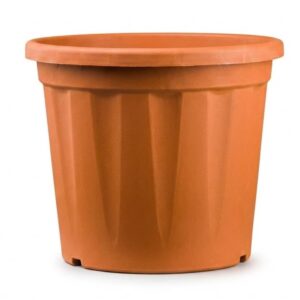
 Red Plastic Pot ( 4Inch*3.5Inch ) ( Plant Not Include)
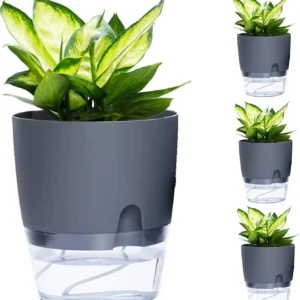
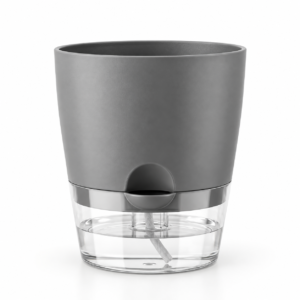 Self-Watering Pot (Plant not Include)
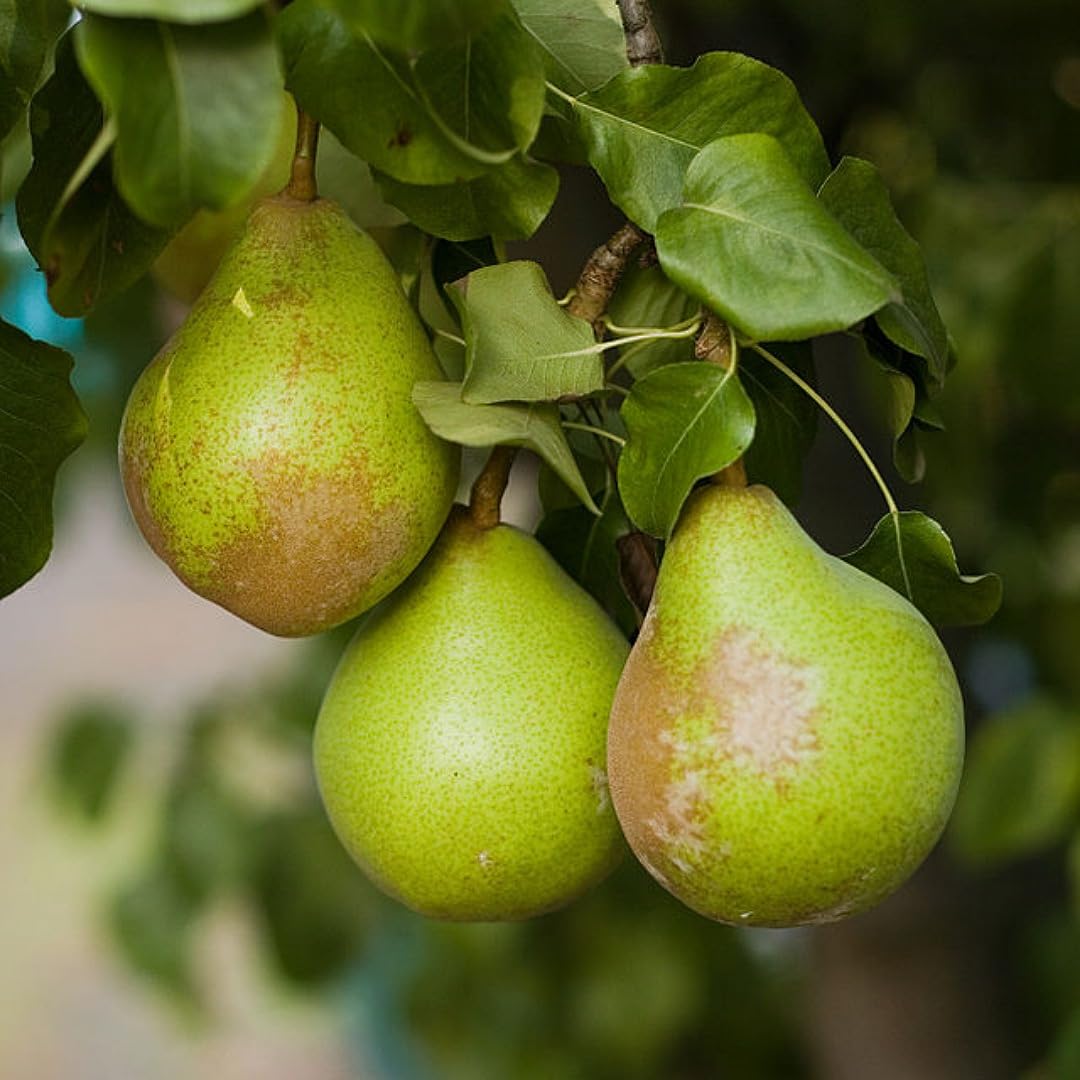
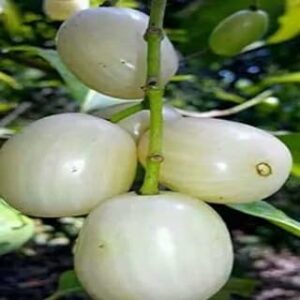
Hybrid Grafted Nashpati / Pear Foot Long Fruit Plant
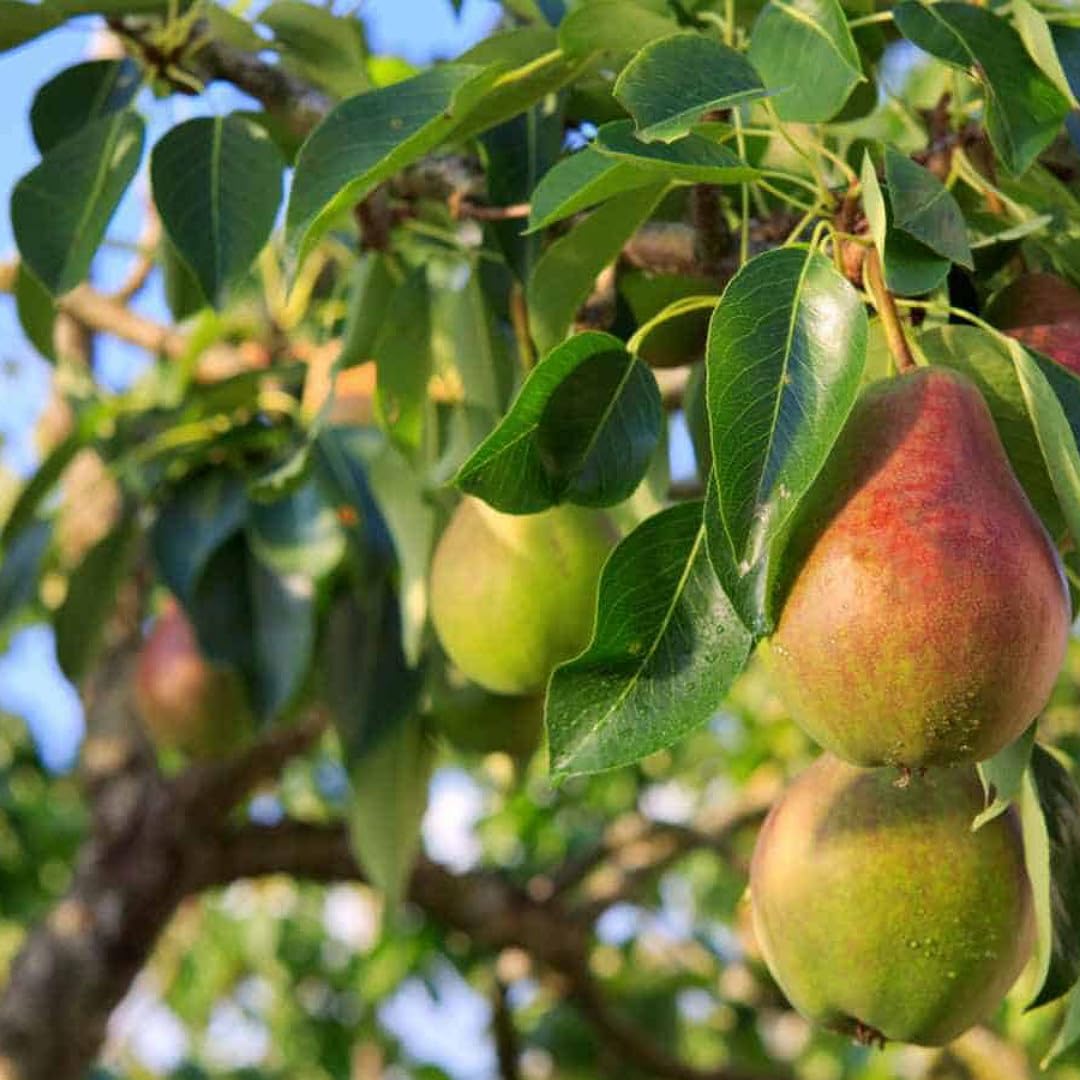
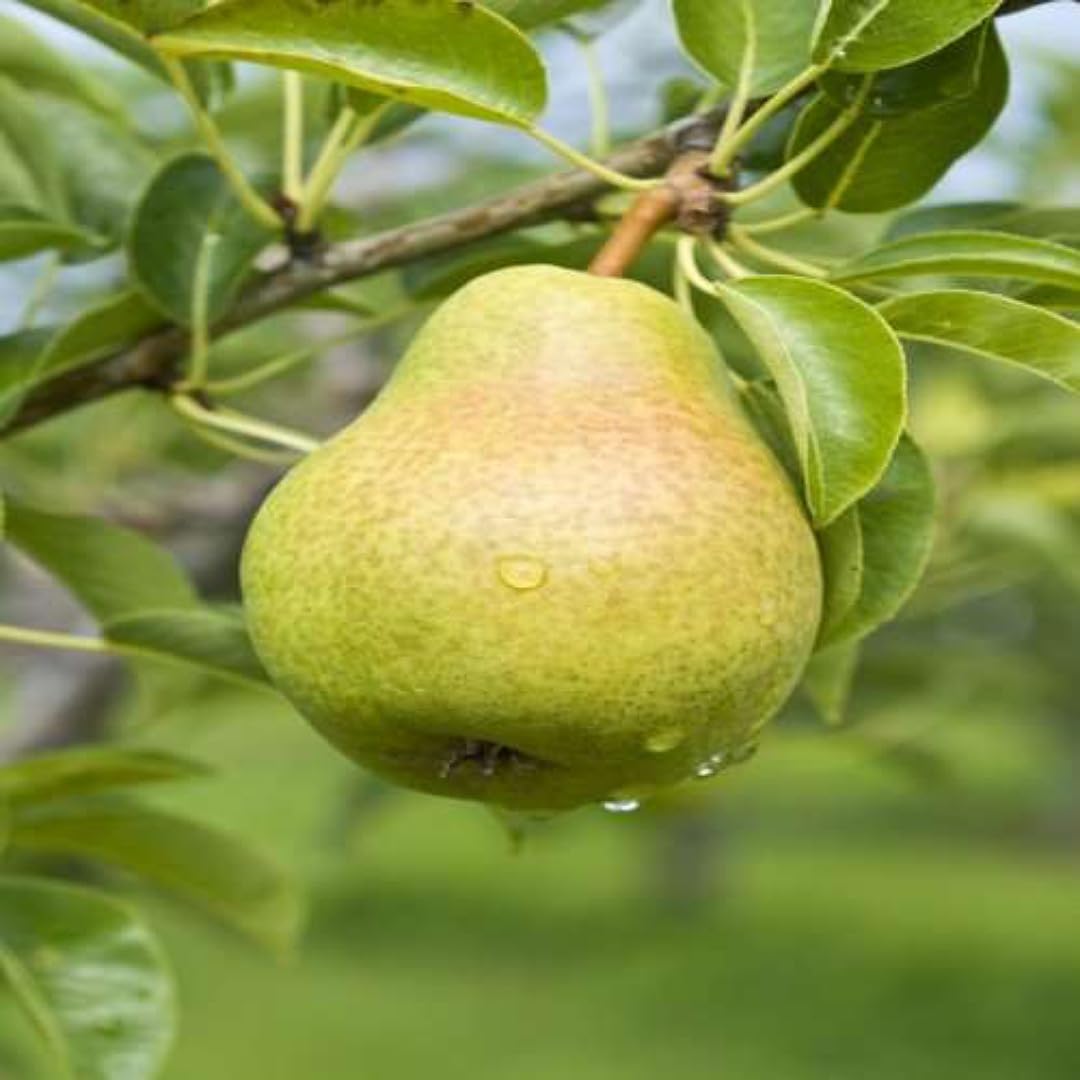
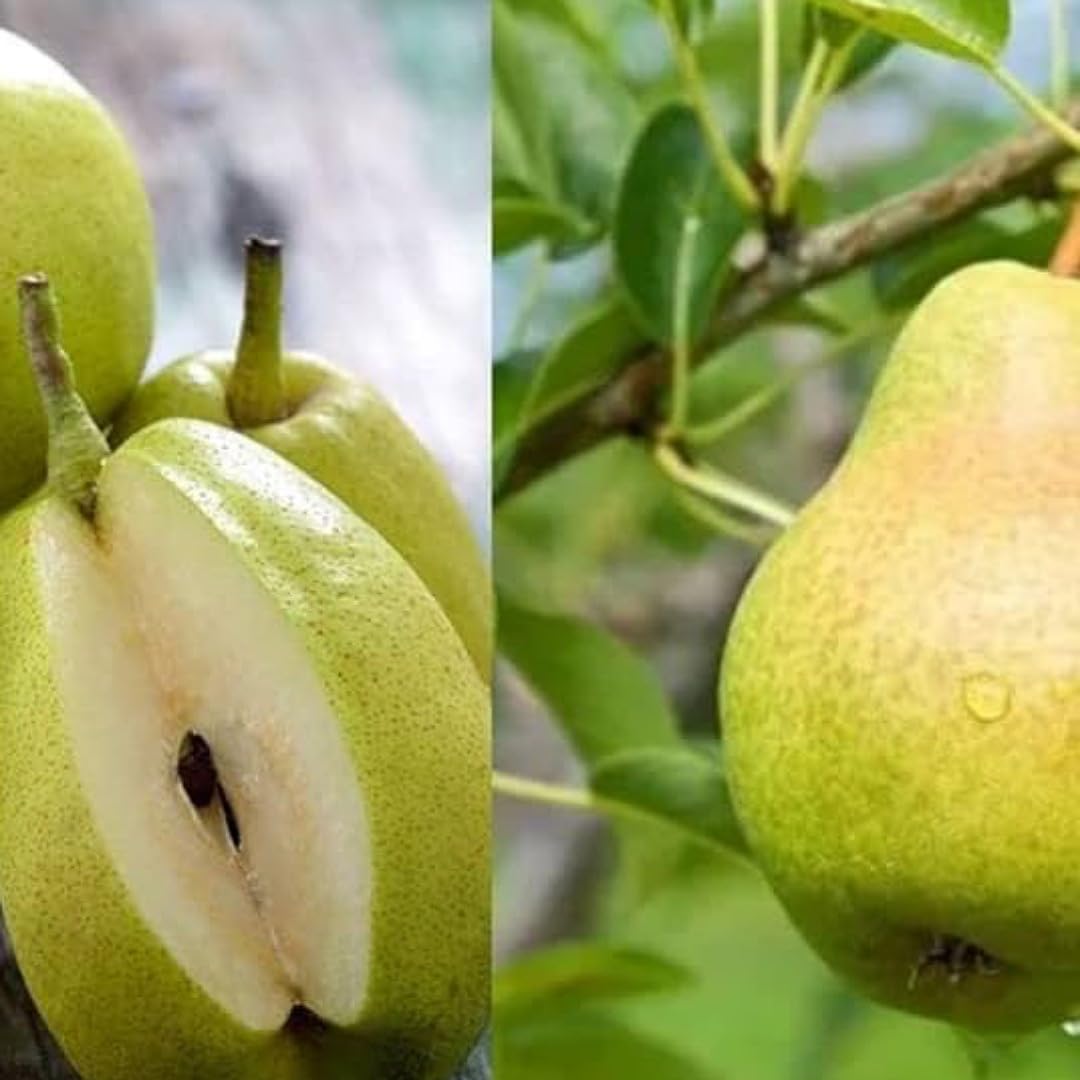
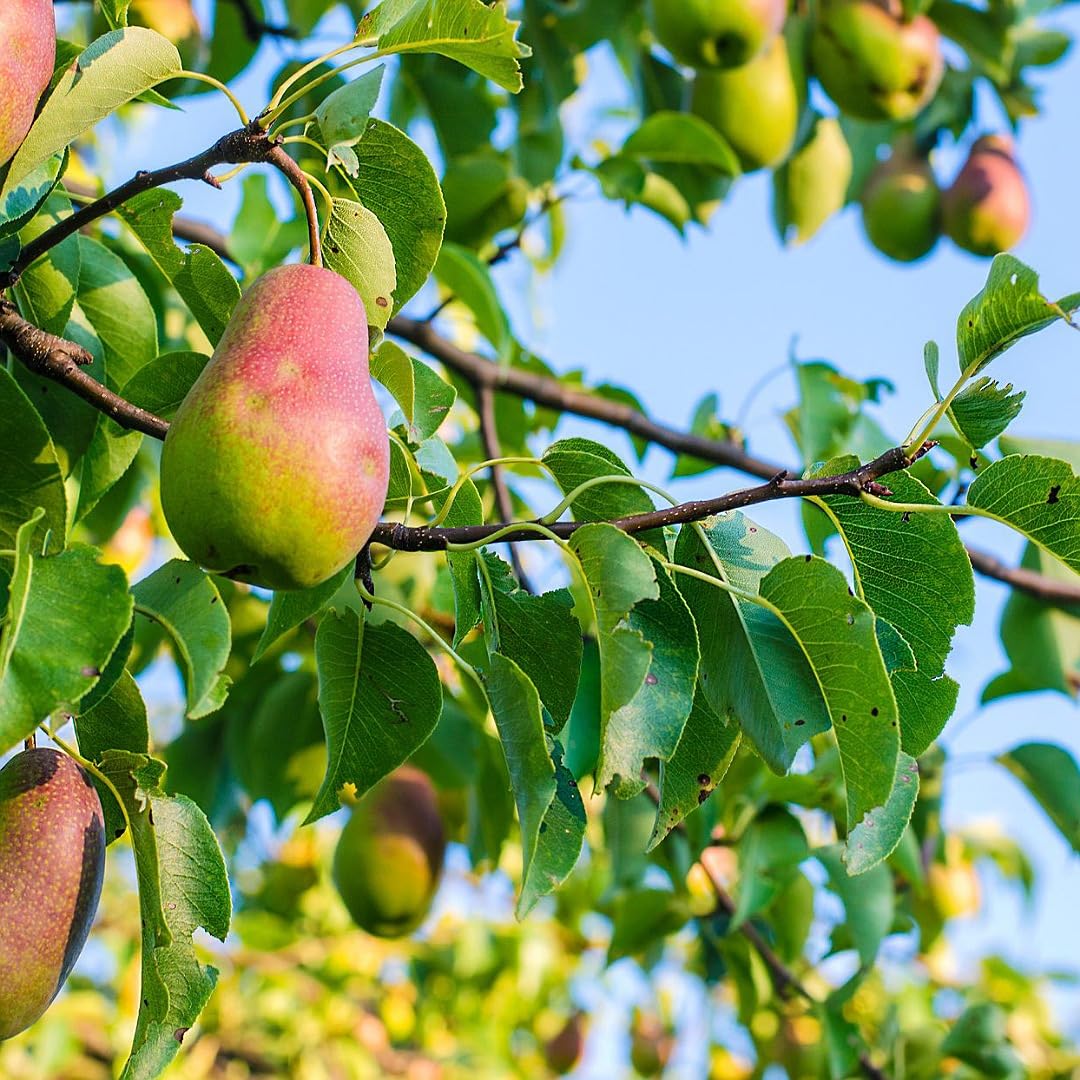
Nashpati, commonly known as Pear, is a deciduous fruit tree cultivated for its sweet, juicy fruits. This listing is for a hybrid Grafted pear plant described by the nursery as a foot-long fruit type.
The plant is propagated through air layering, a vegetative propagation method in which roots are encouraged to develop on a stem before the rooted portion is separated and planted.
Compared with growing from seed, vegetatively propagated plants can maintain characteristics of the parent plant more consistently. However, the exact fruit size, shape, flavor and productivity depend on the specific hybrid or cultivar and growing conditions.
Variety note: “Foot Long Pear” is a descriptive nursery term and does not identify a universally recognized botanical cultivar. The exact hybrid/cultivar should be confirmed from your nursery stock before making specific claims about fruit length, color, taste or harvest period.
Key Product Highlights
- Live hybrid pear / Nashpati fruit plant
- Air-layered propagated plant
- Elongated “foot-long” fruit type as described by the seller
- Suitable for home fruit gardens
- Can be grown in suitable large containers
- Vegetatively propagated
- Attractive fruit-bearing tree
- Suitable for gardeners interested in growing pear varieties
Plant Specifications
| Specification | Details |
|---|---|
| Common Name | Nashpati / Pear |
| Product Type | Hybrid fruit plant |
| Propagation | Air-layered |
| Fruit Type | Elongated / “Foot Long” pear type |
| Plant Type | Fruit tree |
| Growth Habit | Woody, branching tree |
| Light | Full sunlight |
| Watering | Moderate |
| Soil | Fertile, well-draining soil |
| Suitable For | Home Garden, Orchard & Large Container |
| Exact Cultivar | Confirm with nursery |
Air-Layered Plant
Air layering is a vegetative propagation technique used to encourage roots to form on a selected branch while it is still attached to the parent plant.
Once sufficient roots develop, the rooted section is separated and planted independently.
Benefits of an air-layered fruit plant can include:
- Vegetative propagation
- More consistent characteristics compared with seed-grown plants
- An established root system at planting
- Useful for propagating selected parent plants
Successful establishment after delivery still depends on careful planting and suitable growing conditions.
Fruit Characteristics
The nursery description identifies this plant as a foot-long pear type, suggesting an unusually elongated fruit form.
However, fruit characteristics can vary according to:
- Exact hybrid or cultivar
- Plant maturity
- Pollination
- Climate
- Soil
- Nutrition
- Water availability
- Pruning
- Growing environment
The plant should not be expected to produce full-sized fruit immediately after purchase.
Flowering & Fruiting
Pear plants generally need to reach suitable maturity before flowering and fruiting.
Fruit production depends on the cultivar and growing environment. Some pear varieties have specific pollination requirements and may benefit from compatible pear varieties growing nearby.
The first flowering or fruiting period cannot be guaranteed because it depends on the age and maturity of the supplied plant.
Plant Care Guide
☀️ Sunlight
Provide full sunlight, ideally with several hours of direct sunlight each day.
Adequate sunlight supports vigorous growth, flowering and potential fruit development.
💧 Watering
Water deeply when the soil begins to dry.
- Maintain adequate moisture during active growth.
- Avoid prolonged waterlogging.
- Water more consistently during hot and dry weather.
- Reduce watering during periods of heavy rainfall.
- Ensure good drainage around the roots.
🌱 Soil
Use fertile, well-draining soil rich in organic matter.
For container cultivation, use a large container with drainage holes and a suitable fruit-tree growing medium.
🌿 Fertilizer
Feed with a balanced fruit-tree fertilizer according to the plant’s growth stage.
Organic compost can also be incorporated into the soil where appropriate.
Avoid excessive nitrogen, particularly when the goal is flowering and fruit development.
✂️ Pruning
Pruning can help establish a strong structure and manage the size of the plant.
Remove weak, damaged or crossing branches and maintain good airflow through the canopy.
Major pruning should be carried out according to the specific pear cultivar and local growing conditions.
🪴 Container Growing
Young pear plants can be grown in containers, but long-term fruit production generally requires a large container with sufficient root space.
Choose a sturdy pot with good drainage and gradually move the plant to a larger container as necessary.
Where to Grow
The Hybrid Air-Layered Pear Plant can be grown in:
- 🏡 Home fruit gardens
- 🌳 Backyard gardens
- 🌱 Kitchen gardens
- 🍐 Fruit orchards
- 🪴 Large containers
- 🌿 Terraces with adequate space
- 🌤️ Open outdoor growing areas
Pear plants require suitable climatic conditions for healthy growth and fruit production.
Why Choose an Air-Layered Pear Plant?
An air-layered pear plant provides gardeners with a vegetatively propagated fruit plant rather than a seed-grown plant.
The “foot-long” fruit description makes this variety particularly interesting for gardeners looking to grow an unusual elongated pear type, subject to confirmation of the exact cultivar.
Important Variety & Fruiting Note
Fruit size, shape, taste, color, flowering time and yield are not guaranteed unless the exact hybrid/cultivar has been identified and verified.
A newly purchased plant may require additional time to establish before producing flowers or fruit.
Climate compatibility is also important when selecting a pear variety for your growing location.
Important Live Plant Information
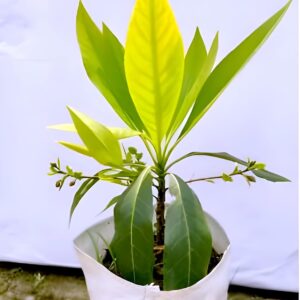
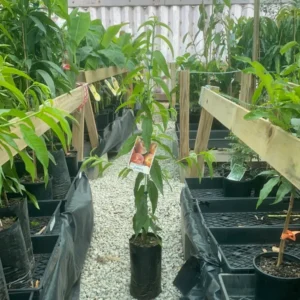
This is a live fruit plant, so the delivered plant may naturally differ from the product photograph.
Individual plants may vary in:
- Plant height
- Stem thickness
- Number of branches
- Number of leaves
- Root development
- Overall shape
- Growth stage
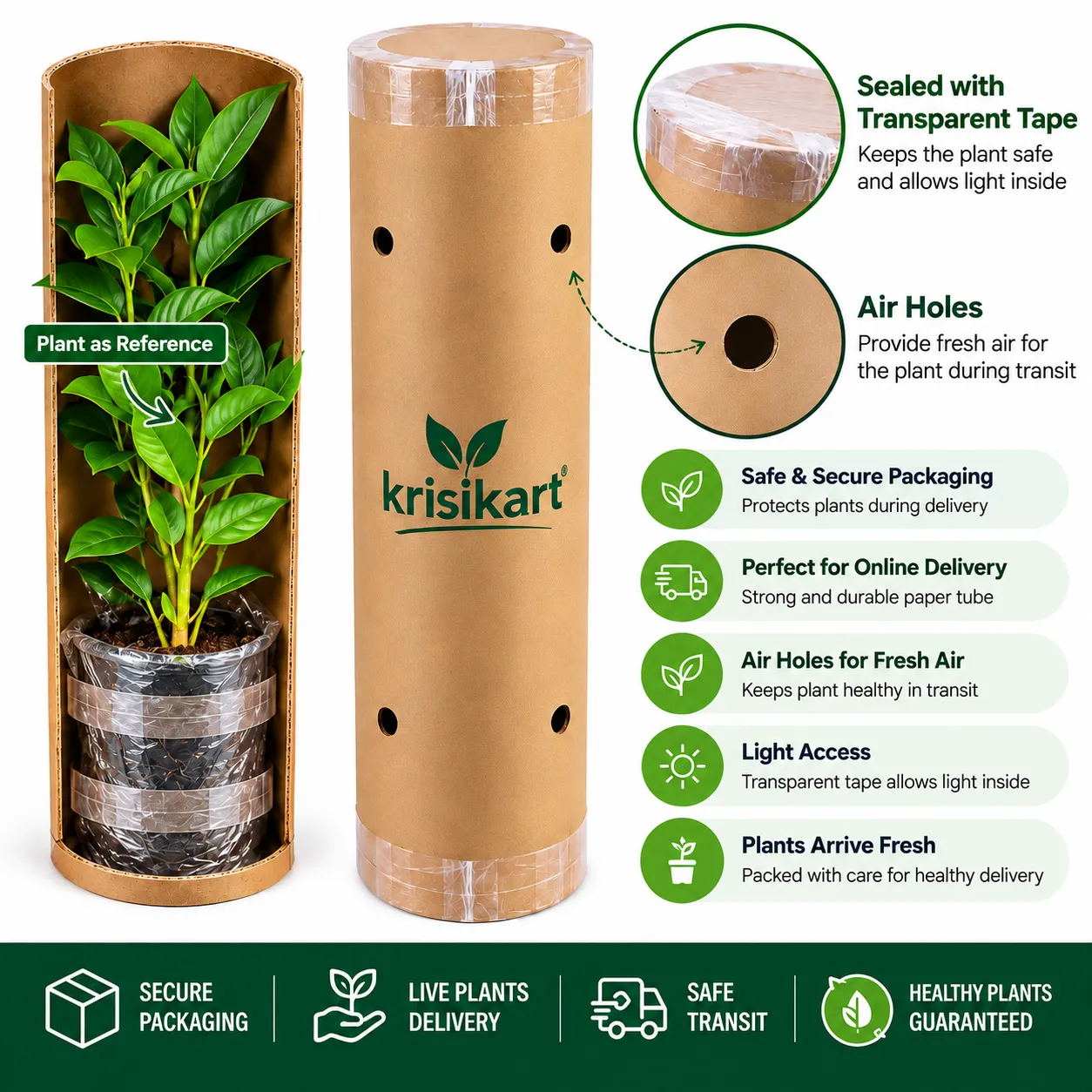
Leaves may bend, yellow or shed during packaging and transportation due to handling, temperature changes and transit stress. Temporary transit stress is normal for live plants and does not necessarily indicate poor plant health.











Reviews
There are no reviews yet.