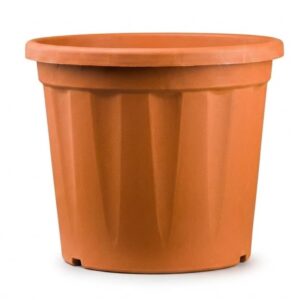
 Red Plastic Pot ( 4Inch*3.5Inch ) ( Plant Not Include)
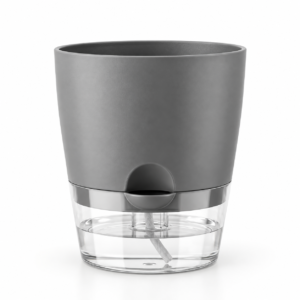 Self-Watering Pot (Plant not Include)
Nilmonilota Flower Plant (Petrea volubilis) | Neelmoni Lota Live Flowering Vine for Home Garden
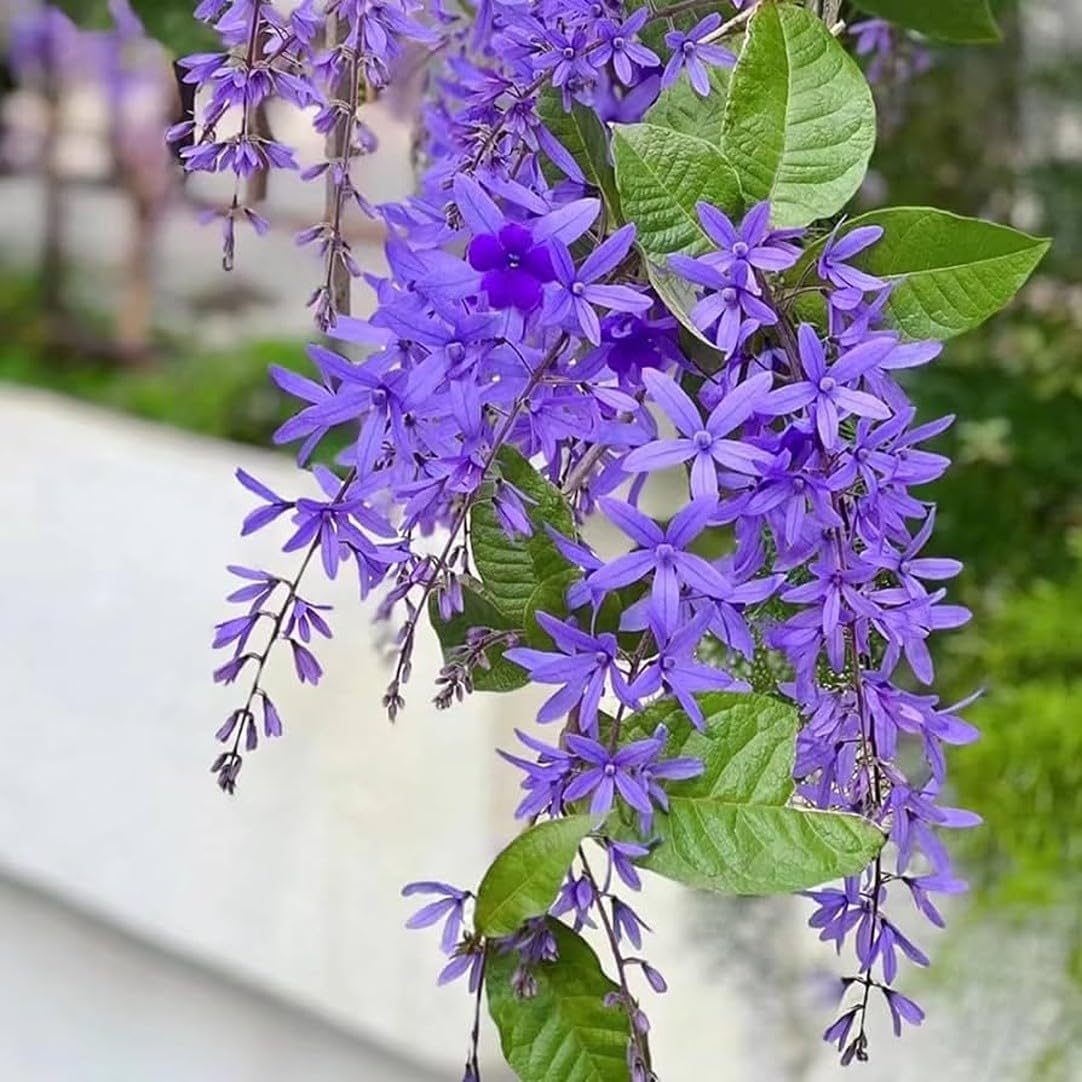
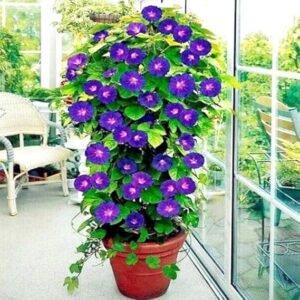
Beautify your garden with the elegant Nilmonilota Flower Plant (Petrea volubilis), a climbing ornamental plant admired for its beautiful hanging clusters of violet-blue flowers and lush green foliage.
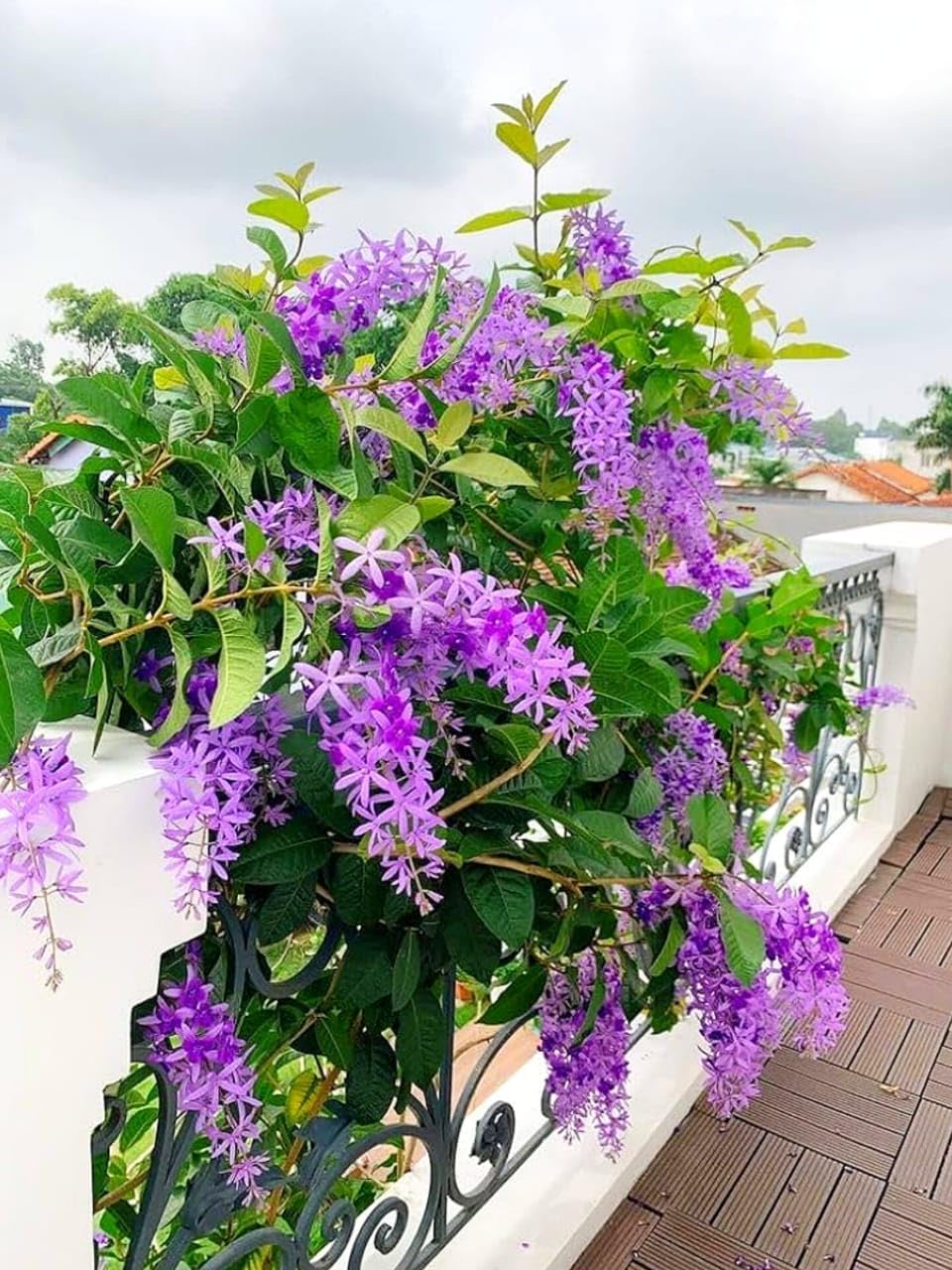
Popularly known as Nilmoni Lota, Neelmoni Lata, Sandpaper Vine, Purple Wreath, and Queen’s Wreath, this flowering climber can add a graceful, colourful touch to home gardens, balconies, terraces, garden gates, pergolas, and trellises.
The plant has textured green leaves and long, cascading flower clusters that create an attractive display when it blooms. Its woody climbing habit makes it especially suitable for gardeners who want to cover a support structure with flowering greenery.
Nilmonilota is an excellent choice for an outdoor ornamental garden where it can receive adequate sunlight, grow along a suitable support, and develop naturally over time.
🌿 About the Nilmonilota Plant
Nilmonilota is the commonly used Indian name for Petrea volubilis, a woody climbing plant native to tropical America and cultivated in warm regions as an ornamental flowering vine.
Its main attraction is the combination of textured foliage and clusters of small flowers surrounded by decorative, petal-like structures. These structures can remain attractive after the individual flowers have faded, extending the ornamental display.
The plant is suitable for gardeners who want a climbing flowering plant rather than a compact bedding flower.
🌱 Plant Characteristics
- Common Name: Nilmonilota / Nilmoni Lota
- Bengali Name: নীলমণিলতা
- Hindi Name: नीलमणि लता
- English Names: Sandpaper Vine, Purple Wreath, Queen’s Wreath
- Botanical Name: Petrea volubilis L.
- Family: Verbenaceae
- Plant Type: Woody flowering climber
- Growth Habit: Climbing and spreading vine
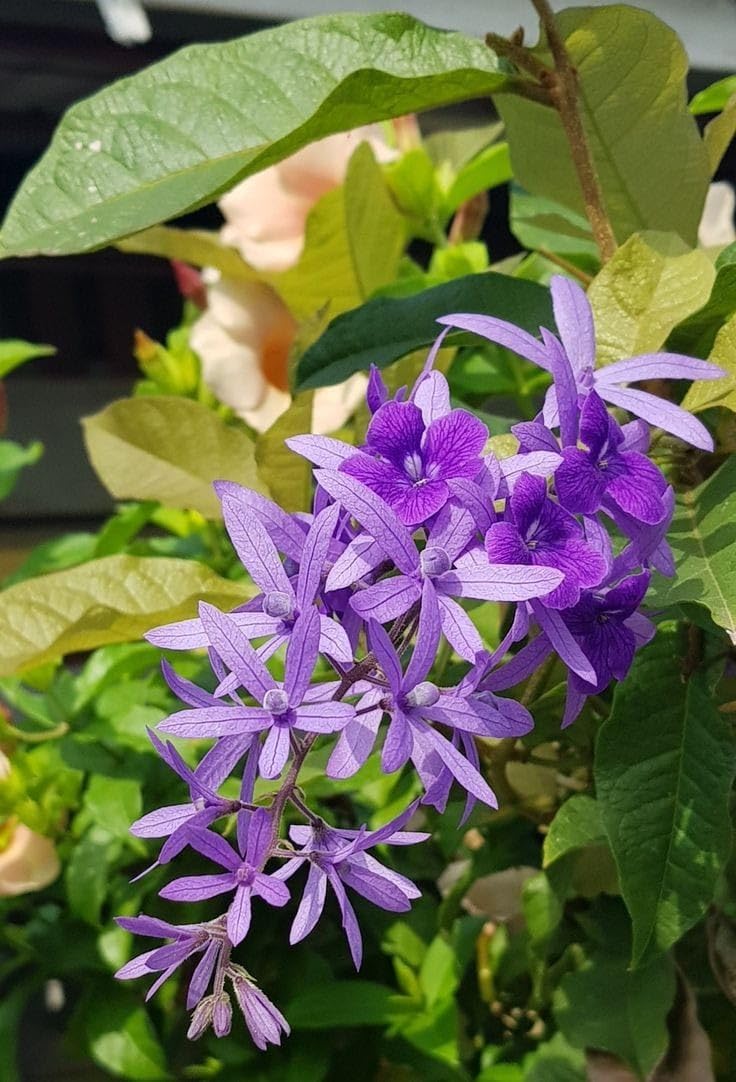
- Flower Colour: Commonly violet to purple-blue
- Foliage: Green, textured leaves
- Climate: Warm tropical and subtropical garden conditions
- Suitable For: Home gardens, garden arches, pergolas, trellises and suitable large containers
- Main Attraction: Cascading clusters of colourful flowers
💜 Beautiful Violet-Blue Flowers
The most distinctive feature of Nilmonilota is its long, hanging flower clusters.
The flowers are usually violet to purple-blue, with decorative surrounding structures that can remain visible even after the individual flowers have fallen. This creates a graceful, cascading effect along the plant’s branches.
When trained over a suitable support, the plant can become a striking feature in an ornamental garden.
Flower colour, cluster size, and flowering intensity can vary according to the plant, growing conditions, maturity, and season.
🍃 Attractive Green Foliage
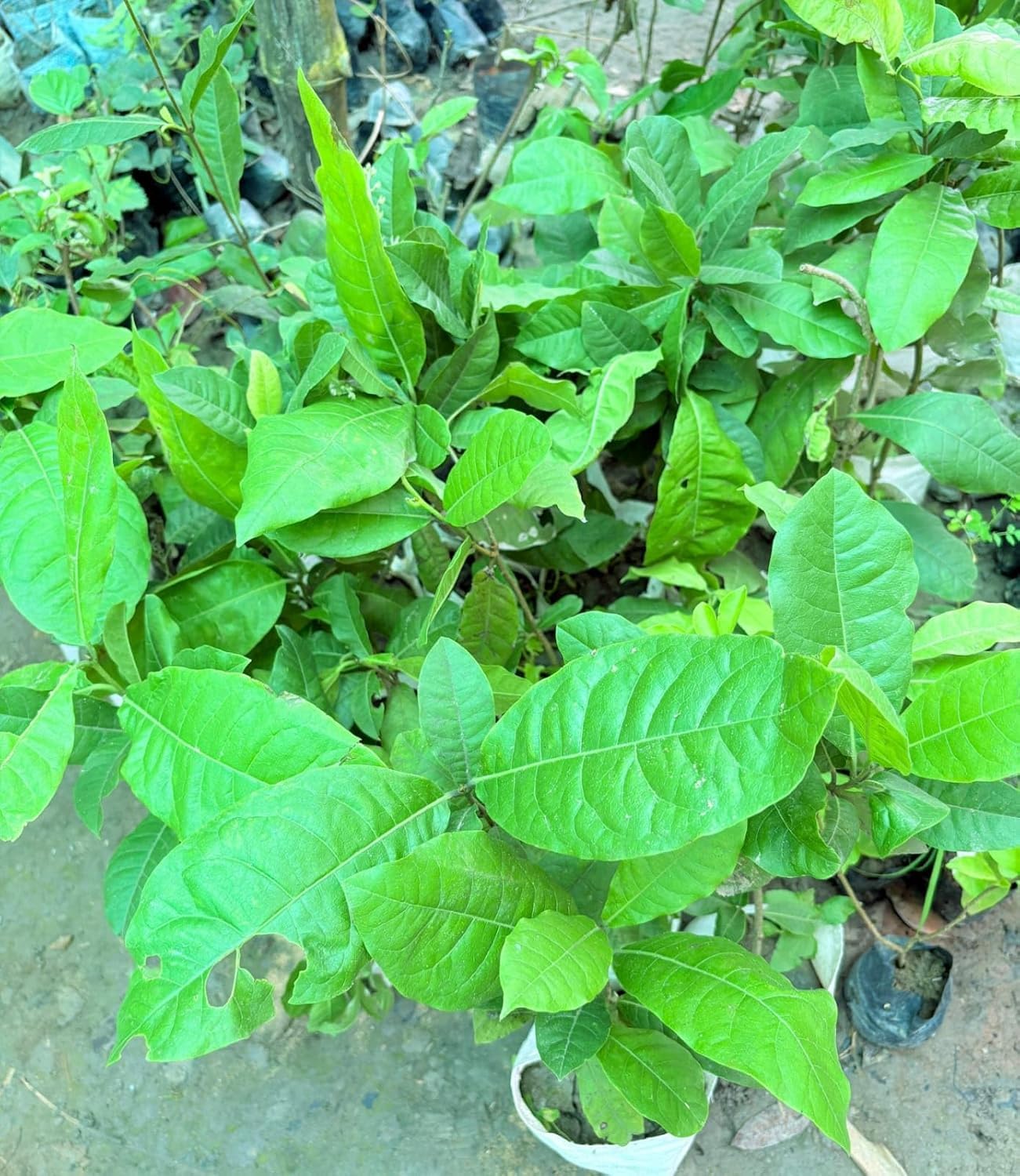
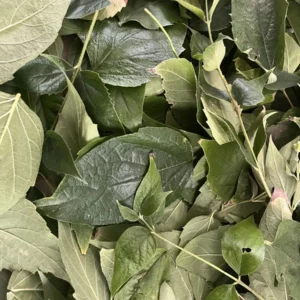
Nilmonilota has green leaves with a noticeably rough or sandpaper-like texture, which explains its common name, Sandpaper Vine.
The foliage provides a green backdrop for the flowers and helps the plant look attractive even when it is not in bloom.
Regular observation and light pruning can help maintain a neat shape and encourage the plant to grow along its support.
☀️ Sunlight Requirements
Nilmonilota generally benefits from a bright outdoor location with adequate sunlight.
For healthy growth and flowering:
- Choose a sunny garden location whenever possible.
- Provide several hours of sunlight each day.
- Train the plant along a trellis or other sturdy support.
- Gradually acclimatize nursery-grown plants to stronger direct sunlight.
- Protect newly transplanted plants from sudden extreme heat.
- Avoid keeping the plant in deep shade for prolonged periods.
Insufficient light may reduce flowering and encourage weaker, stretched growth.
💧 Watering Requirements
Water the plant according to the soil’s moisture level, weather, and container size.
Watering tips:
- Check the top layer of soil before watering.
- Water thoroughly when the soil begins to dry.
- Allow excess water to drain away.
- Avoid keeping the roots continuously waterlogged.
- Check pots more frequently during hot, dry weather.
- Reduce watering during rainy periods when the soil remains moist for longer.
A consistent watering routine supports healthy growth, but the plant should not be left standing in stagnant water.
🪴 Soil & Potting
Nilmonilota grows best in a fertile, well-draining growing medium.
For container gardening, a practical mixture can include:
- Garden soil
- Mature compost
- Cocopeat or another moisture-retaining component
- Coarse material to improve drainage
Choose a container with drainage holes and enough room for root development.
Because Nilmonilota is a climbing plant, a larger container with a stable trellis or support can be more suitable than a small decorative pot as it matures.
🌱 Fertilizer & Nutrition
Balanced nutrition can support foliage development and flowering.
- Add mature compost periodically.
- Use a balanced garden fertilizer according to its label when needed.
- Avoid excessive nitrogen, which may encourage leafy growth at the expense of flowering.
- Do not overfertilize a recently transplanted or stressed plant.
- Water appropriately after applying granular fertilizer.
A combination of sunlight, healthy soil, suitable watering, and sensible feeding is more useful than excessive fertilizer application.
🧗 Support, Training & Pruning
Nilmonilota is a woody climber and benefits from having a structure to grow along.
Suitable supports include:
- Garden trellises
- Pergolas
- Garden arches
- Strong garden fencing
- Sturdy plant frames
- Suitable balcony or terrace supports
Guide young shoots gently along the structure. Remove dead, damaged, or unwanted growth as needed.
Pruning after a flowering period can help manage the plant’s shape, but avoid heavy pruning without considering the plant’s current growth and flowering cycle.
Allow sufficient room for the mature vine, and avoid letting it grow unchecked into neighbouring plants or structures.
🏡 Nilmonilota for Home Gardens
Nilmonilota can be a beautiful addition to an ornamental garden where a flowering climber is desired.
It is suitable for:
- Home gardens
- Garden entrances
- Pergolas and arches
- Trellises and suitable fences
- Outdoor courtyards
- Terrace gardens with adequate space
- Large containers with climbing support
Its cascading flower clusters make it particularly attractive when trained over a support where the blooms can hang naturally.
🪴 Can Nilmonilota Grow in a Pot or Balcony?
Yes. Nilmonilota can be grown in a container if the pot is sufficiently large and the plant receives adequate sunlight.
For balcony and terrace gardening:
- Select a stable container with drainage holes.
- Install a secure trellis or climbing frame.
- Provide adequate sunlight.
- Prune unwanted growth periodically.
- Make sure the support can safely carry the mature plant.
- Monitor root growth and repot when necessary.
Remember that Nilmonilota is a woody climber, so it needs room to spread. It is better suited to a spacious outdoor balcony or terrace than a small, dark indoor space.
🌦️ Indian Climate & Seasonal Care
Nilmonilota is cultivated as an ornamental plant in warm climates. Its flowering and growth depend on sunlight, temperature, plant maturity, and local conditions.
Summer: Monitor soil moisture and protect a newly transplanted plant from sudden extreme heat.
Monsoon: Keep drainage holes clear and avoid waterlogged soil.
Winter: In cooler areas, adjust watering to the rate at which the soil dries and protect young plants from unusually cold conditions.
In suitable warm conditions, the plant can establish itself as a long-term garden climber.
✂️ Flowering & Maintenance
Flowering time and intensity can vary with climate, sunlight, plant maturity, and seasonal conditions.
To maintain a healthy flowering vine:
- Provide adequate sunlight.
- Train the plant along a suitable support.
- Maintain well-draining soil.
- Water according to soil moisture.
- Remove dead or damaged branches.
- Prune selectively to manage the shape.
- Feed moderately during active growth when required.
A young plant may need time to establish before producing a substantial floral display. Flowering cannot be guaranteed by a specific date.
📦 Live Plant Delivery & Natural Variation
This product is a living Nilmonilota plant. Its exact appearance may vary from the photographs because of natural growth and seasonal conditions.
Variations may occur in:
- Plant height
- Stem length
- Number of branches
- Leaf size
- Flowering stage
- Flower cluster size
- Overall growth habit
A plant may arrive without flowers, particularly outside its flowering season or while it is establishing.
🚚 First Delivery by Blue Dart Air / Express
We aim to provide first delivery through Blue Dart Air / express courier where the destination and serviceable pincode permit.
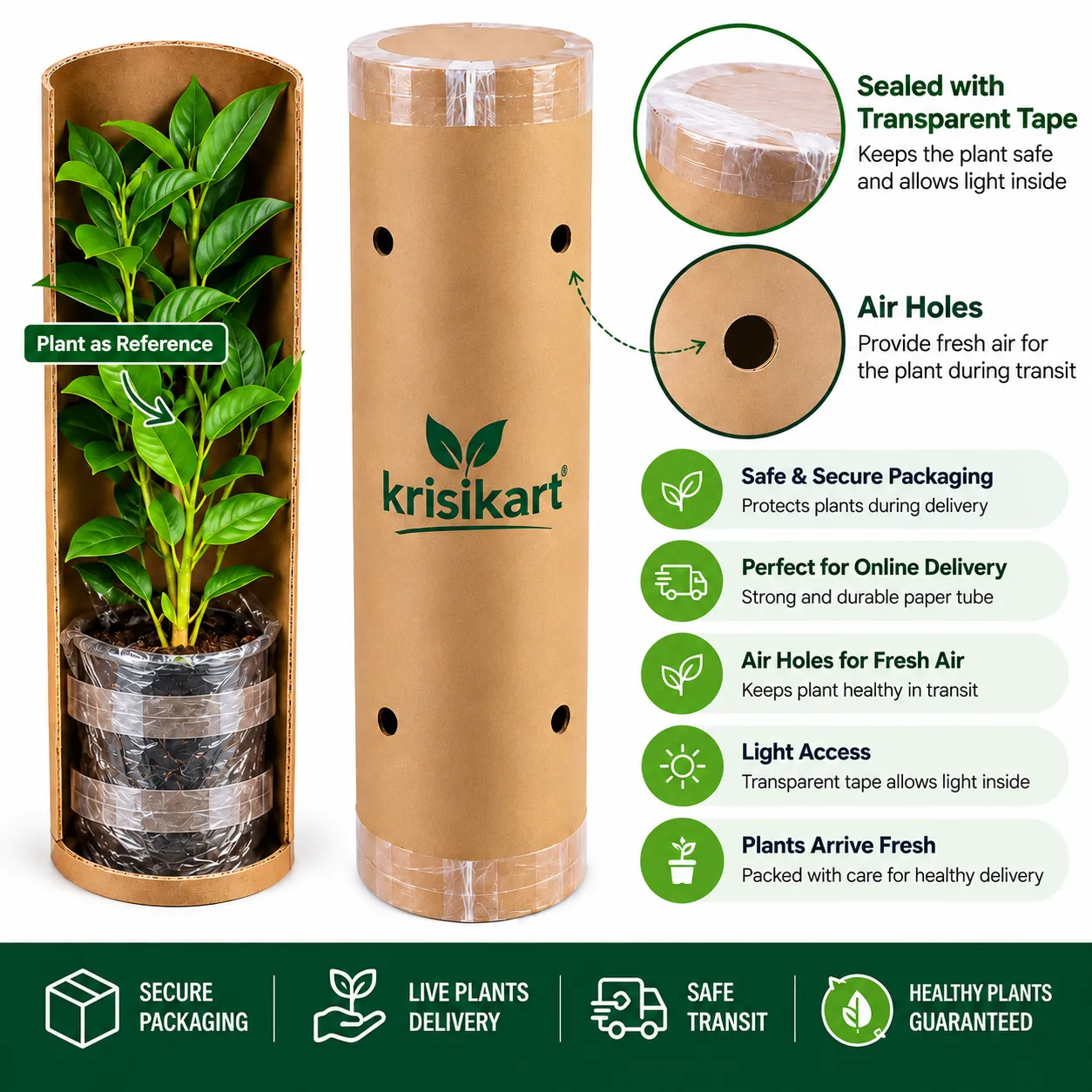
The plant is prepared for dispatch with suitable packaging to help reduce movement and physical damage during transportation.
After receiving the plant:
- Open the package carefully.
- Inspect the foliage and growing medium.
- Place the plant in a bright, suitable location.
- Check the soil before watering.
- Allow the plant to adjust after transportation.
- Provide climbing support as it grows.
⚠️ Important Note
Nilmonilota is a living ornamental climber. Actual plant size, foliage, and flowering condition may differ from product photographs.
It needs suitable sunlight, well-draining soil, and adequate space for climbing. Do not expect every plant to arrive in bloom.
⭐ Why Choose Nilmonilota for Your Home Garden?
- 💜 Attractive violet-blue flower clusters
- 🌿 Beautiful green foliage with textured leaves
- 🧗 Suitable for trellises, arches and pergolas
- 🏡 Adds colour and vertical interest to home gardens
- 🪴 Can be grown in a suitably sized container
- 🌞 Suitable for bright outdoor growing locations
- 🌸 An ornamental flowering climber for warm gardens
- 📦 Carefully prepared for live-plant delivery
❓ Frequently Asked Questions (FAQs)
1. What is the botanical name of Nilmonilota?
Nilmonilota, also called Nilmoni Lota, is commonly identified as Petrea volubilis L., an ornamental flowering climber in the Verbenaceae family.
2. What colour flowers does Nilmonilota produce?
The flowers are commonly violet to purple-blue and grow in hanging clusters. Their appearance may vary with the plant and growing conditions.
3. Can I grow Nilmonilota in a pot on my balcony?
Yes. Use a suitably sized container, provide good sunlight and install a sturdy climbing support. A spacious outdoor balcony or terrace is preferable.
4. How much sunlight does Nilmonilota need?
Choose a bright outdoor location with several hours of sunlight. Adequate light supports healthy growth and flowering, while prolonged deep shade may reduce blooms.
5. How often should I water Nilmonilota?
Water when the upper layer of soil begins to dry. Adjust watering according to temperature, rainfall, pot size, and drainage, and avoid leaving the roots waterlogged.
6. When will my Nilmonilota plant flower?
Flowering depends on the plant’s maturity, sunlight, climate, and growing conditions. A young plant may need time to establish, so flowering cannot be promised by a particular date.
🔬 Botanical Information
| Botanical Detail | Information |
|---|---|
| Botanical Name | Petrea volubilis L. |
| Common Name | Nilmonilota / Nilmoni Lota |
| Bengali Name | নীলমণিলতা |
| English Names | Sandpaper Vine, Purple Wreath, Queen’s Wreath |
| Family | Verbenaceae |
| Plant Type | Woody flowering climber |
| Growth Habit | Climbing vine |
| Flower Colour | Violet to purple-blue, commonly |
| Native Region | Tropical America |
| Garden Use | Ornamental climber, trellises, arches, pergolas and containers |
📚 Botanical Information & Further Reading
- SASYA – Petrea volubilis — botanical information and local names, including Nilmonilata.
- Royal Horticultural Society – Gardening Resources — general guidance on ornamental plant cultivation and garden care.
- Plants of the World Online – Kew — botanical classification and plant-name research.
- Petrea volubilis – Royals Plant — ornamental description and climbing-plant care information.
- Petrea volubilis – Plants Villa — flower characteristics and maintenance guidance.
- Botanical Survey of India — Indian botanical and plant-diversity resources.
For More Information
Visit: krisikart.com
For Contact Visit:Contact Us
For Shopping Visit: Shop Page











Reviews
There are no reviews yet.