 Plastic Plant pot | Plastic Garden Pot for Plants
 Self Watering Planters | Self Watering Plant Pots For Plants
Dwarf Kadamba Plant – Kadamba Tree (Neolamarckia cadamba) for Home Garden
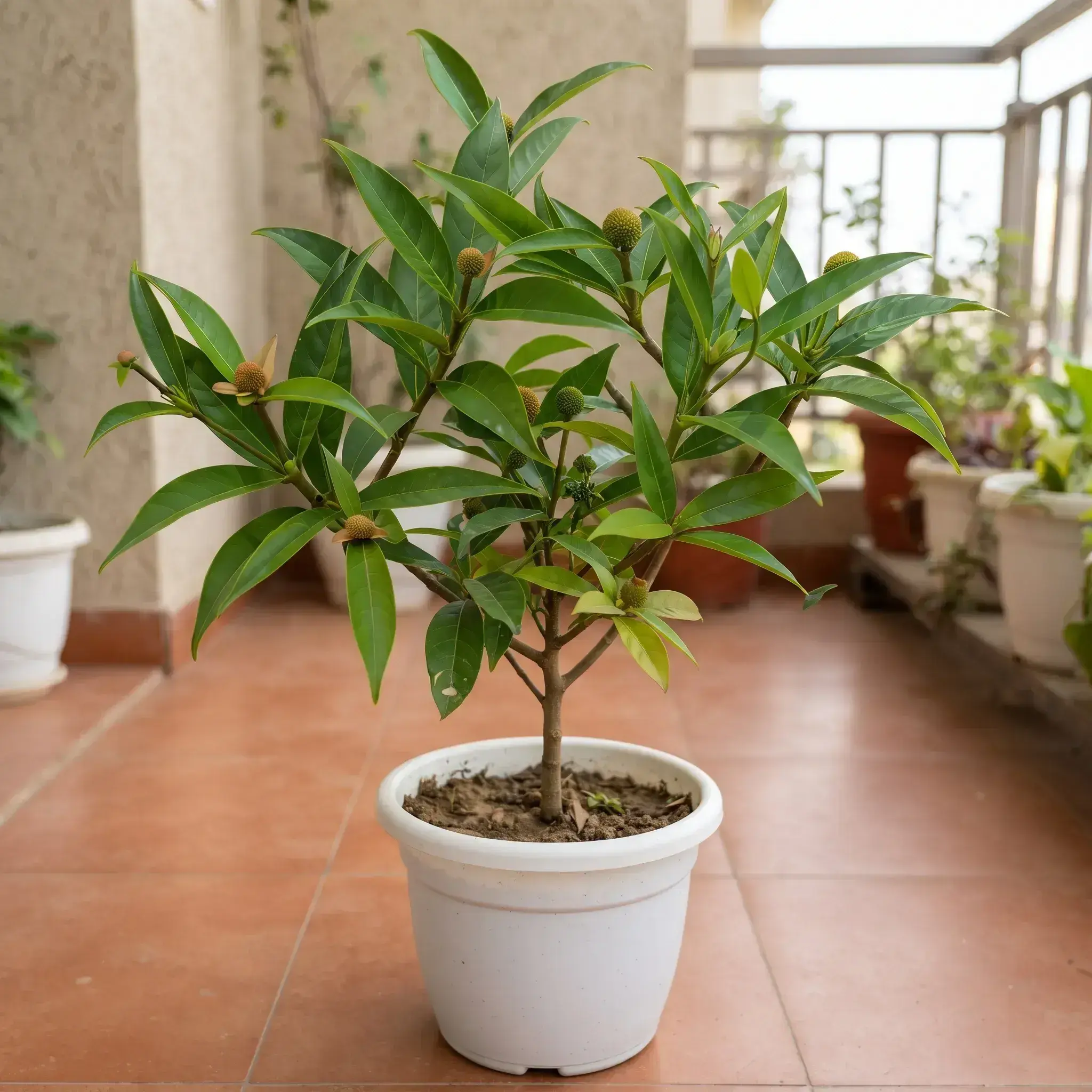
The Dwarf Kadamba Plant (Neolamarckia cadamba). Also known as Kadam or Kadamba,Cadamba Tree this attractive tropical tree is admired for its large green leaves, rounded crown and beautiful fragrant, orange-yellow flower clusters.
Kadamba is a well-known Indian ornamental tree with cultural and traditional significance. Its distinctive flowers grow in dense, round clusters that look like small golden-orange balls. The lush foliage and attractive flowers make it a wonderful choice for home gardens, outdoor landscapes and spacious garden areas.
The plant is naturally a fast-growing, large tree. A nursery-sold dwarf or young Kadamba plant may be suitable for container growing during its early stages, but the species is not naturally a permanently dwarf tree. It needs adequate space as it matures.
Plant Highlights
- Common Names: Kadamba, Kadam Tree, Dwarf Kadamba, Burflower Tree
- Botanical Name: Neolamarckia cadamba
- Older Botanical Name: Anthocephalus cadamba
- Family: Rubiaceae
- Plant Type: Tropical flowering tree
- Native Region: Indian subcontinent and tropical Asia
- Foliage: Large, broad green leaves
- Flower Colour: Orange to yellow-orange
- Flower Shape: Dense, round flower clusters
- Flower Fragrance: Sweet and noticeable, particularly at night
- Light Requirement: Full sunlight
- Water Requirement: Moderate to high during active growth
- Growth Rate: Fast
- Growth Habit: Upright tree with a spreading crown
- Best For: Home gardens, large outdoor spaces, parks and landscaping
- Maintenance: Moderate
About the Kadamba Plant
Kadamba is a tropical flowering tree belonging to the Rubiaceae family, which also includes coffee and gardenia.
Its accepted botanical name is Neolamarckia cadamba. It is native to India and other parts of tropical Asia and naturally grows in warm, humid environments.
The tree is known for its broad leaves, spreading branches and distinctive spherical flower heads. It is also associated with Indian cultural traditions and stories connected with Lord Krishna.
The Kadamba tree is widely planted as an ornamental and shade tree because of its attractive crown, lush foliage and fragrant flowers.
Appearance and Growth
The Kadamba tree has a beautiful tropical appearance.
- Large, broad, green leaves
- Strong upright trunk
- Horizontal and spreading branches
- Rounded or umbrella-shaped crown
- Dense foliage that provides shade
- Distinctive round flower clusters
Kadamba is naturally a fast-growing tree and can become very large when planted in the ground. Under favourable conditions, mature trees can reach approximately 30–45 metres, although actual size varies with climate and growing conditions.
A young nursery plant may initially look compact, but it should not be considered a permanently miniature tree without verified dwarf genetics.
Flowers and Flowering Season
One of the most attractive features of the Kadamba tree is its unusual round flowers.
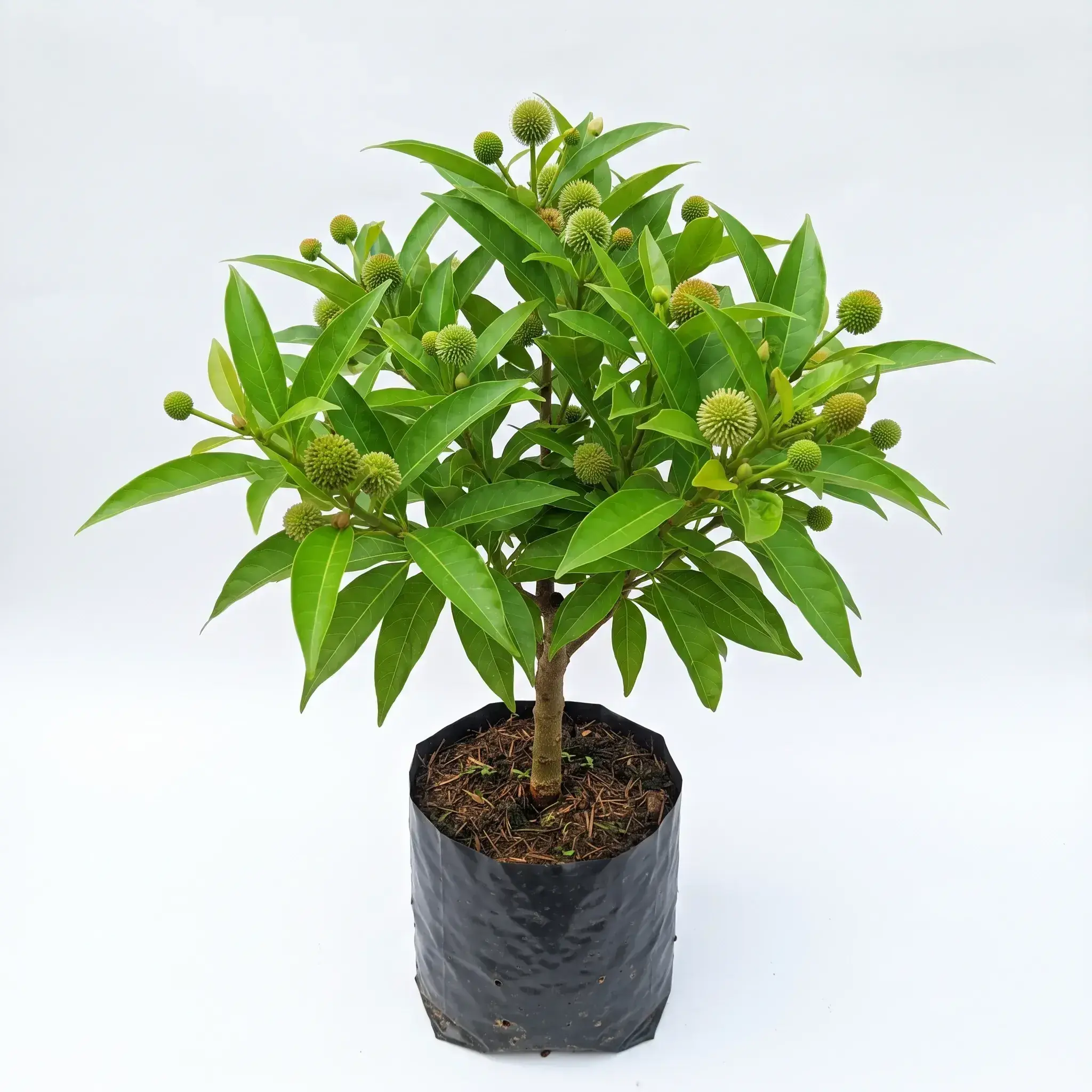
The flowers develop in dense, spherical clusters, generally orange, yellow-orange or reddish-orange depending on their development stage.
Flower characteristics:
- Round, ball-like flower heads
- Small individual flowers packed closely together
- Fragrant blooms
- Attractive orange to yellow-orange colour
- Appealing to insects and pollinators
Flowering commonly occurs during the warm and rainy season, although the exact timing varies with local climate and growing conditions.
A young plant may need time to mature before producing flowers. Flowering is not guaranteed immediately after purchase.
Sunlight Requirements
Kadamba grows best in full sunlight. Good sunlight supports healthy growth, strong branches and flowering.
Suitable locations:
- Open home gardens
- Sunny outdoor spaces
- Large garden areas
- Farmhouses
- Landscape gardens
- Spacious courtyards
Young plants may benefit from temporary protection from extreme afternoon heat while establishing, but they should gradually receive adequate sunlight.
Kadamba is not an ideal permanent indoor plant because it naturally develops into a large outdoor tree.
Watering Requirements
Kadamba prefers regular moisture, particularly during active growth. It is naturally associated with tropical environments and can grow well in moist soil.
Follow these watering guidelines:
- Water regularly during hot and dry weather.
- Keep the soil moderately moist while the plant establishes.
- Increase watering during periods of active growth when rainfall is insufficient.
- Reduce additional watering during the monsoon.
- Avoid prolonged waterlogging around the roots.
Important for West Bengal: The warm, humid climate and seasonal rainfall can support Kadamba growth. However, young plants still need well-drained soil and protection from stagnant water.
Once established in the ground, the tree can tolerate a range of moisture conditions, including periodic flooding in suitable locations.
Best Soil for Kadamba Plant
Kadamba grows well in fertile soil with good moisture availability.
A suitable planting mixture can include:
- 40% garden soil
- 30% mature compost or well-decomposed organic manure
- 20% loamy soil or leaf mould
- 10% coarse sand for improved drainage
The plant can grow in different soil types, but fertile, moist and well-drained soil supports healthy development.
Avoid planting in extremely compact soil where water remains stagnant for long periods.
Temperature and Indian Climate
Kadamba is a tropical tree that prefers warm, humid conditions.
It can grow well in many parts of India, including West Bengal, Assam and other regions with suitable tropical or subtropical climates.
For healthy growth:
- Provide plenty of sunlight.
- Maintain regular soil moisture.
- Use fertile soil with good drainage.
- Protect young plants from prolonged dryness.
- Avoid frost and unusually cold conditions.
- Allow sufficient room for the mature tree.
The warm monsoon climate of West Bengal is generally favourable for this species.
Fertilizer Requirements
Kadamba is a fast-growing tree and benefits from fertile soil and organic matter.
For healthy development:
- Add mature compost around the plant.
- Apply well-decomposed farmyard manure periodically.
- Use a balanced tree fertilizer according to the product label when needed.
- Feed during active growth.
- Avoid placing fresh manure directly against the trunk.
Organic matter helps improve soil structure and supports healthy root and foliage development.
Growing Kadamba in Pots
A young Kadamba plant can be grown temporarily in a large container, especially while it is small.
However, Neolamarckia cadamba is naturally a large tree. Growing it in a pot for many years may restrict its development and is not a reliable way to create a genetically dwarf tree.
If growing it in a container:
- Choose a large, sturdy pot with drainage holes.
- Use fertile, moisture-retentive soil.
- Provide full or near-full sunlight.
- Water regularly without waterlogging.
- Repot when the roots become crowded.
- Plan for eventual planting in a suitable outdoor location.
For long-term growth, an open garden with adequate space is preferable.
Best Places to Plant Kadamba Tree
Home Garden: Plant it in an open garden where it has enough room to develop its branches and crown.
Farmhouse: Its fast growth and broad crown make it suitable for spacious properties.
Landscape Garden: Kadamba can be used as a decorative shade tree in large landscaped areas.
Garden Boundary: It can be planted in suitable open areas away from buildings and underground utilities.
Outdoor Green Spaces: It is suitable for parks and other spacious planting locations.
Avoid planting it too close to buildings, walls, overhead wires or underground drainage systems.
Pruning and Maintenance
Kadamba generally requires basic tree maintenance rather than frequent pruning.
- Remove dry or damaged branches.
- Remove diseased or broken stems.
- Maintain a strong central structure when young.
- Avoid cutting too many healthy branches.
- Keep the area around the trunk free from weeds.
- Check periodically for pests and disease.
For large trees, structural pruning should be carried out by a qualified tree-care professional.
Propagation
Kadamba can be propagated through seeds and suitable vegetative methods.
Seed propagation:
- Collect mature fruits from a healthy tree.
- Extract and clean the small seeds.
- Sow them in a suitable nursery growing medium.
- Maintain moisture without waterlogging.
- Provide warm conditions and filtered sunlight during early growth.
- Transplant healthy seedlings after they become established.
Seed-grown plants may show natural variation in growth and flowering characteristics.
Common Problems and Solutions
1. Yellowing leaves
Yellowing can result from water stress, nutrient deficiency or root problems. Check the soil and provide balanced nutrition.
2. Dry or brown leaf edges
Strong heat, dry soil or environmental stress can cause leaf-edge damage. Maintain regular watering during dry weather.
3. Slow growth
Poor soil fertility, inadequate sunlight or unsuitable moisture can slow development. Improve growing conditions and allow time for establishment.
4. Drooping leaves
The plant may be experiencing water stress or root problems. Check soil moisture and drainage.
5. Poor flowering
Young plants may not flower until they mature. Insufficient sunlight and unsuitable growing conditions can also affect flowering.
6. Leaf-eating insects
Inspect the leaves regularly for caterpillars and other pests. Remove serious infestations and use a suitable plant-safe treatment when necessary.
7. Root problems
Prolonged waterlogging can damage roots. Improve drainage and avoid planting in locations where water remains stagnant.
Is Kadamba Suitable for Home Gardens?
Yes. Kadamba is a beautiful choice for home gardens that have enough outdoor space.
Its attractive foliage, fragrant spherical flowers and broad crown make it a wonderful ornamental and shade tree.
However, it is important to remember that the species naturally grows into a large tree. It is not suitable for a very small garden or a permanently indoor location.
If you have limited space, consider keeping the young plant in a container temporarily and selecting a suitable permanent planting location before it becomes too large.
Cultural and Traditional Significance
Kadamba has an important place in Indian culture and traditional stories. It is popularly associated with Lord Krishna and is often mentioned in Indian literature and cultural traditions.
Its distinctive round flowers and fragrant appearance make it a meaningful ornamental tree for many Indian gardens.
These cultural associations are traditional beliefs and are separate from the plant’s botanical and horticultural properties.
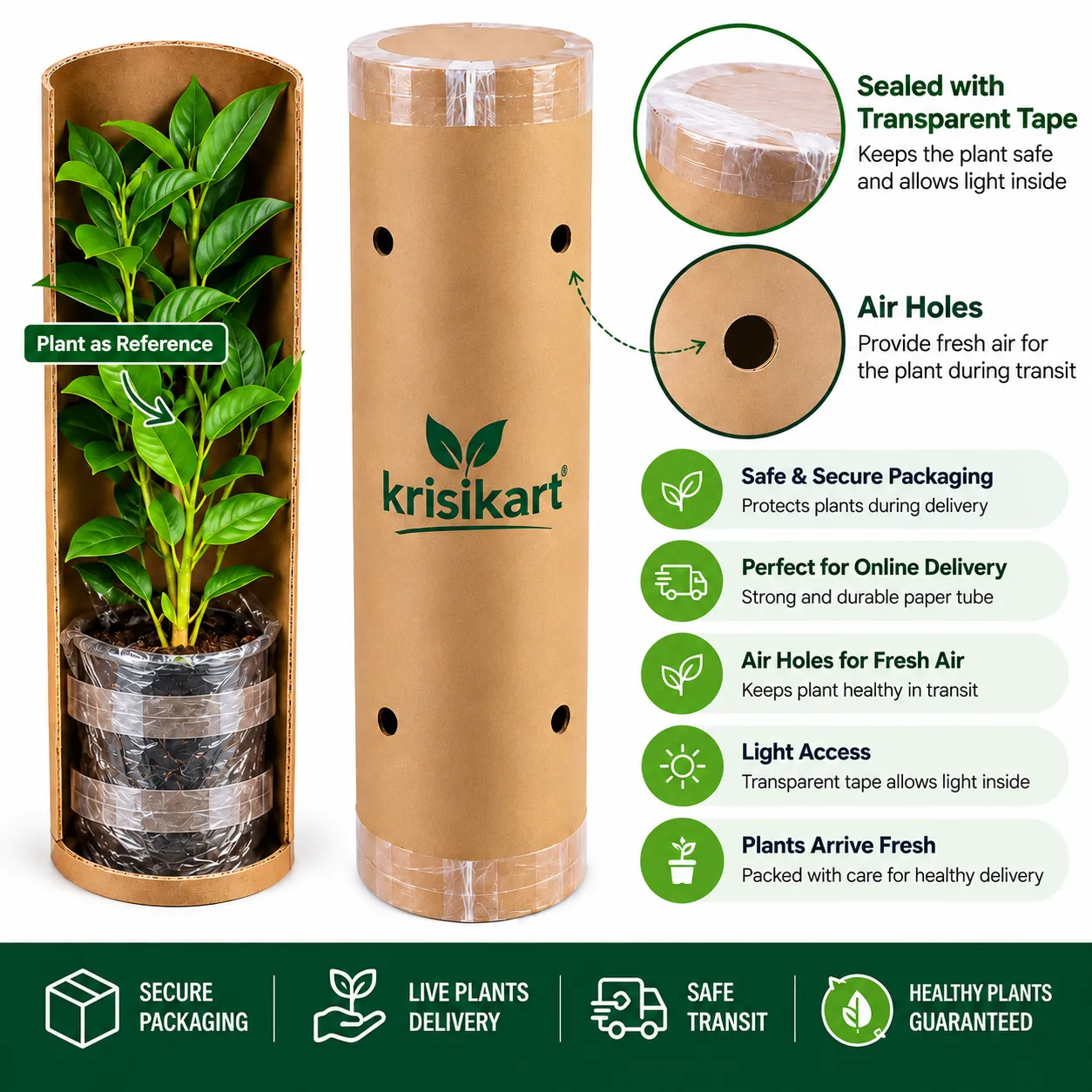
Live Plant Delivery
Your Kadamba Plant (Neolamarckia cadamba) will be supplied as a live ornamental tree suitable for growing in a home garden or outdoor landscape.
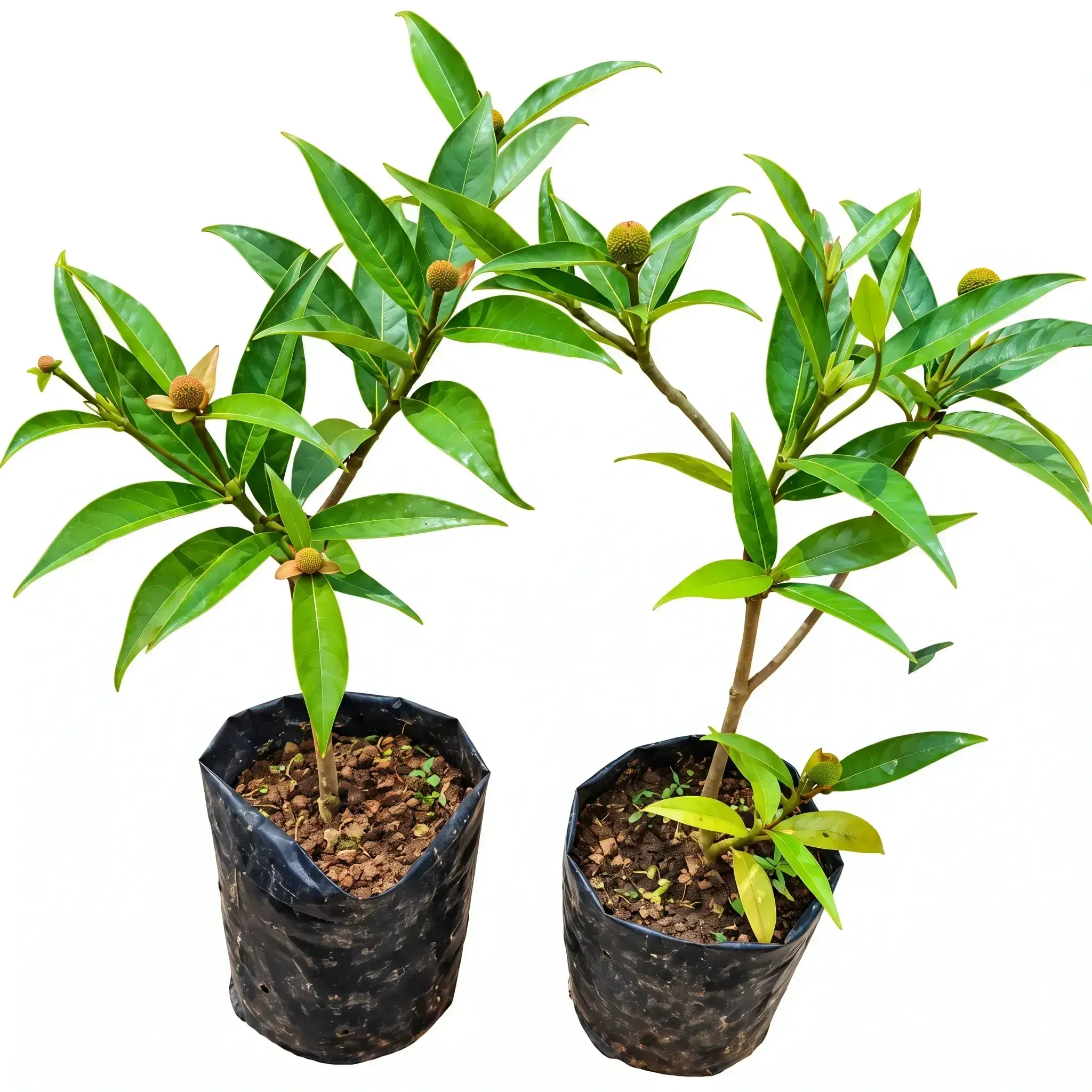
As this is a living plant, height, stem thickness, leaf size, branching pattern and overall appearance may vary according to its growth stage and season. The delivered plant may look slightly different from the product photograph.
The nursery-sold plant may be young and compact, but the species naturally grows into a large tree. Provide suitable outdoor space, sunlight and regular care as it develops.
Why Choose the Kadamba Plant?
- Beautiful tropical flowering tree
- Attractive broad green leaves
- Distinctive round orange-yellow flower clusters
- Fragrant flowers
- Fast-growing ornamental tree
- Suitable for spacious home gardens
- Provides a broad shade canopy as it matures
- Important cultural and traditional significance
- Excellent choice for tropical landscaping
Botanical Information & Further Reading
Learn more about Kadamba’s botanical identity, growth characteristics and cultivation:
- Royal Botanic Gardens, Kew – Neolamarckia cadamba
- India Trees Portal – Neolamarckia cadamba
- State Botanical Garden, Odisha – Kadamba Tree
- National Parks Board Singapore – Neolamarckia cadamba
- Tamil Nadu Agricultural University – Cultivation Techniques for Neolamarckia cadamba
- India Flora Online – Neolamarckia cadamba
- eFlora of India – Neolamarckia cadamba
Frequently Asked Questions
1. What is the botanical name of the Kadamba Plant?
The accepted botanical name is Neolamarckia cadamba. Its older name is Anthocephalus cadamba.
2. Is Kadamba a flowering tree?
Yes. Kadamba produces attractive, fragrant, round flower clusters that are generally orange or yellow-orange.
3. Is Dwarf Kadamba naturally a small tree?
The species Neolamarckia cadamba is naturally a large, fast-growing tree. The term Dwarf Kadamba may describe a young nursery plant, not necessarily a permanently dwarf variety.
4. Can Kadamba grow in West Bengal?
Yes. Its tropical growth requirements are generally compatible with the warm, humid climate of West Bengal.
5. Does Kadamba need direct sunlight?
Yes. It grows best in full sunlight. Young plants may need temporary protection from extreme afternoon heat.
6. How often should I water Kadamba?
Water regularly, especially during hot and dry periods. Maintain moderate soil moisture but avoid prolonged waterlogging.
7. Can Kadamba grow in a pot?
A young plant can be grown in a large container temporarily. However, the species naturally becomes a large tree and is better suited to planting in the ground.
8. How tall can a Kadamba tree grow?
Depending on the growing conditions, mature trees can reach approximately 30–45 metres.
9. When does the Kadamba tree flower?
Flowering commonly occurs during the warm and rainy season, but timing varies according to local climate and plant maturity.
10. Are Kadamba flowers fragrant?
Yes. The round flower clusters are known for their sweet fragrance, which can be noticeable during the evening or night.
11. How can I propagate Kadamba?
Kadamba can be propagated through seeds and suitable vegetative methods.
12. Is Kadamba a fast-growing tree?
Yes. It is generally considered a fast-growing tropical tree under favourable growing conditions.
13. Is Kadamba suitable for small gardens?
It may not be suitable for very small gardens because it naturally develops a large crown and can grow very tall. Choose a planting location with sufficient space.
14. Is Kadamba associated with Lord Krishna?
Yes. Kadamba is traditionally associated with Lord Krishna in Indian cultural and religious stories.
For More Information
Visit: krisikart.com
For Contact Visit:Contact Us
For Shopping Visit: Shop Page


Reviews
There are no reviews yet.