Acacia Auriculiformis (Australian Babul) – Healthy Live Plant
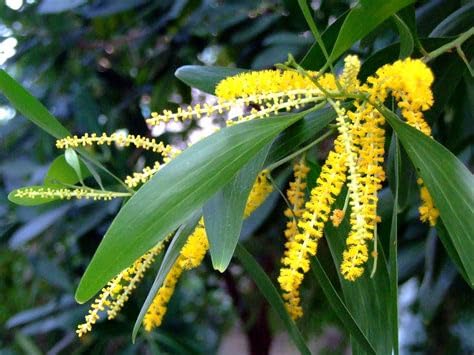
Acacia Auriculiformis, commonly known as Australian Babul, Ear-leaf Acacia or Darwin Black Wattle, is an attractive evergreen tree with distinctive curved foliage and bright yellow flower spikes. Its hardy nature and attractive appearance make it suitable for farms, large gardens, landscaping, avenue planting and open outdoor spaces.
The accepted botanical name is Acacia auriculiformis and it belongs to the Fabaceae (legume) family. The species is native to northern Australia, New Guinea and nearby regions and is widely planted outside its native range, including in India.
🌿 Key Features
- Common Name: Australian Babul
- Other Names: Ear-leaf Acacia, Darwin Black Wattle
- Botanical Name: Acacia auriculiformis
- Family: Fabaceae
- Plant Type: Evergreen tree
- Foliage: Green, curved leaf-like phyllodes
- Flowers: Yellow to yellow-orange spikes
- Growth Habit: Upright, branching tree
- Suitable For: Farms, gardens, landscaping and open areas
- Climate: Tropical and warm climates
India Flora Online describes Acacia auriculiformis as an evergreen, unarmed tree with simple-looking modified leaves called phyllodes and loose yellow-orange flower spikes.
🌳 About Australian Babul
Australian Babul is a distinctive Acacia species that develops a strong tree form with attractive green foliage. Unlike many Acacia species with tiny divided leaves, its mature foliage consists largely of flattened, leaf-like phyllodes.
The tree is widely cultivated in tropical regions and has also been planted in India for purposes including social forestry and afforestation.
🍃 Attractive Foliage
One of the easiest ways to recognize Australian Babul is its unusual foliage.
The mature green structures are phyllodes, which are modified leaf stalks that function like leaves. They are curved and somewhat ear-shaped, giving the tree its common name Ear-leaf Acacia.
The evergreen foliage can provide a dense green appearance when the tree is growing actively.
🌼 Yellow Flowers
Under suitable conditions, mature trees can produce yellow to yellow-orange flower spikes.
India Flora Online records flowering and fruiting from approximately December to August, although flowering time can vary depending on location and environmental conditions.
Young nursery plants may not flower until they reach sufficient maturity.
☀️ Sunlight Requirements
Australian Babul is best grown in a bright, sunny outdoor location.
For healthy growth:
- Provide plenty of direct sunlight.
- Choose an open planting location.
- Avoid deep shade.
- Allow sufficient space for the future canopy.
- Keep competing weeds away from young plants.
Good sunlight helps support healthy foliage and overall tree development.
💧 Watering
Young plants need regular watering while they establish their roots.
- Water thoroughly after planting.
- Allow the upper soil to begin drying before the next irrigation.
- Increase watering during prolonged hot and dry periods.
- Avoid continuous waterlogging.
- Reduce additional watering during periods of heavy rainfall.
Once established, watering requirements depend on rainfall, soil and local climate.
🪴 Soil Requirements
Australian Babul can be grown in a variety of outdoor soils, provided that excess water can drain properly.
For best establishment:
- Use well-drained soil.
- Add mature compost or organic matter if the soil is poor.
- Avoid permanently waterlogged locations.
- Loosen compacted soil before planting.
🌱 Fertilizer
A young plant can benefit from moderate nutrition during its establishment period.
You can use:
- Vermicompost
- Mature compost
- Well-decomposed organic manure
- A suitable balanced fertilizer
Avoid excessive fertilizer. Good sunlight, drainage and proper watering are more important for establishing a healthy tree.
✂️ Pruning & Maintenance
Young Australian Babul plants can be lightly pruned when necessary to maintain a suitable shape.
Remove:
- Dead branches
- Broken branches
- Diseased growth
- Weak or poorly positioned shoots
Avoid excessive pruning of a young tree.
🌳 Landscaping & Planting Uses
Australian Babul can be useful for:
- Large home gardens
- Farmhouses
- Agricultural land
- Open landscapes
- Avenue planting
- Boundary planting where appropriate
- Social forestry
- Afforestation projects
- Commercial landscaping
- Tree collections
India Flora Online records Acacia auriculiformis as a planted tree in several parts of India, including West Bengal, Odisha, Karnataka, Kerala, Maharashtra, Tamil Nadu, Delhi and Uttar Pradesh.
🪴 Can It Be Grown in a Pot?
A young Australian Babul can be kept in a sufficiently large container for a period of time.
However, it is a tree rather than a naturally dwarf plant. For long-term development, it is better to transplant it to an appropriate open-ground location where there is adequate space for the roots and canopy.
🌳 Give the Tree Enough Space
Before planting, consider the eventual size of the tree.
Avoid planting too close to:
- Buildings
- Boundary walls
- Narrow pathways
- Underground utilities
- Small structures
- Other trees
Select a location where the mature tree can develop without creating future space problems.
🌿 Fast Establishment
Australian Babul is commonly cultivated as a hardy planted tree, but the growth rate of an individual nursery plant depends on:
- Soil
- Water availability
- Sunlight
- Temperature
- Plant age
- Local climate
- Nutrition
- Planting conditions
Therefore, growth should not be expected to occur at exactly the same rate in every garden or farm.
🚚 Healthy Live Plant Delivery
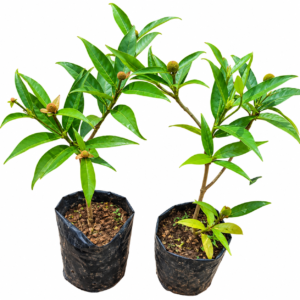
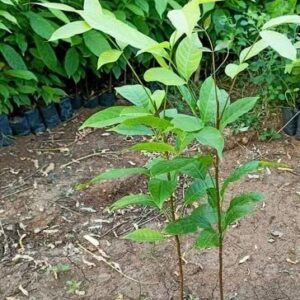
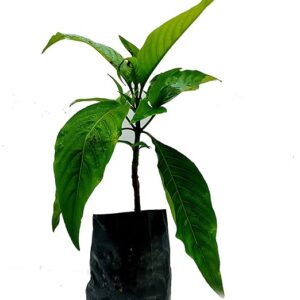
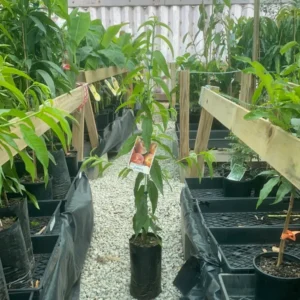
This listing is for a healthy live Acacia Auriculiformis plant.
Natural differences may occur between individual plants in:
- Height
- Stem thickness
- Number of branches
- Number of leaves/phyllodes
- Overall shape
Minor leaf loss or temporary drooping can also occur during transportation.
After receiving the plant, place it in a bright outdoor location and allow it time to adjust before permanent planting.
🌱 Why Choose Australian Babul?
- Attractive evergreen tree
- Distinctive ear-shaped foliage
- Bright yellow flower spikes
- Suitable for warm climates
- Useful for spacious landscapes
- Suitable for farms and open land
- Popular planted tree in India
- Can be used for landscaping and forestry-oriented planting
- Interesting addition to a tree collection
🌳 Grow an Australian Babul Tree
Bring home Acacia Auriculiformis (Australian Babul) and grow an attractive evergreen tree with distinctive foliage and yellow flowers.
It is a good choice for gardeners and landowners who have sufficient outdoor space for a long-term tree planting.




















Reviews
There are no reviews yet.