Hadjod Plant / Pirandai Plant – Healthy Live Medicinal Plant
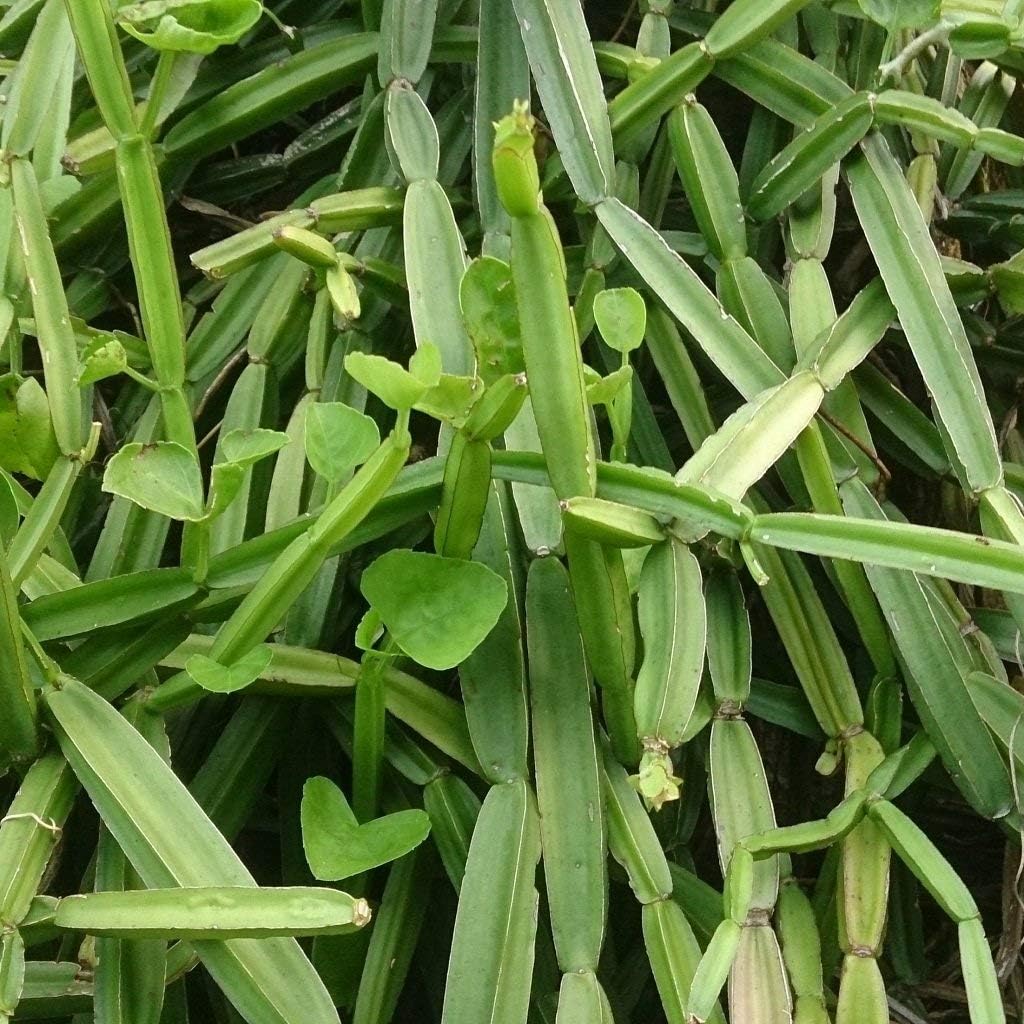
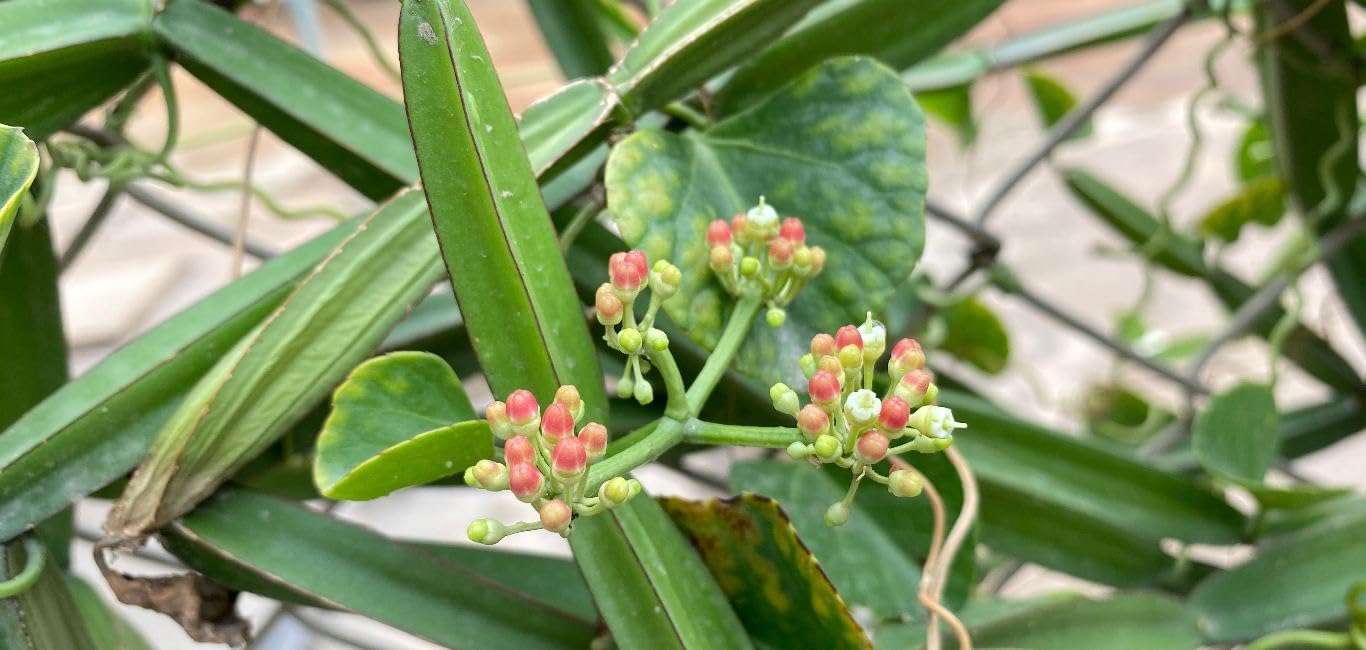
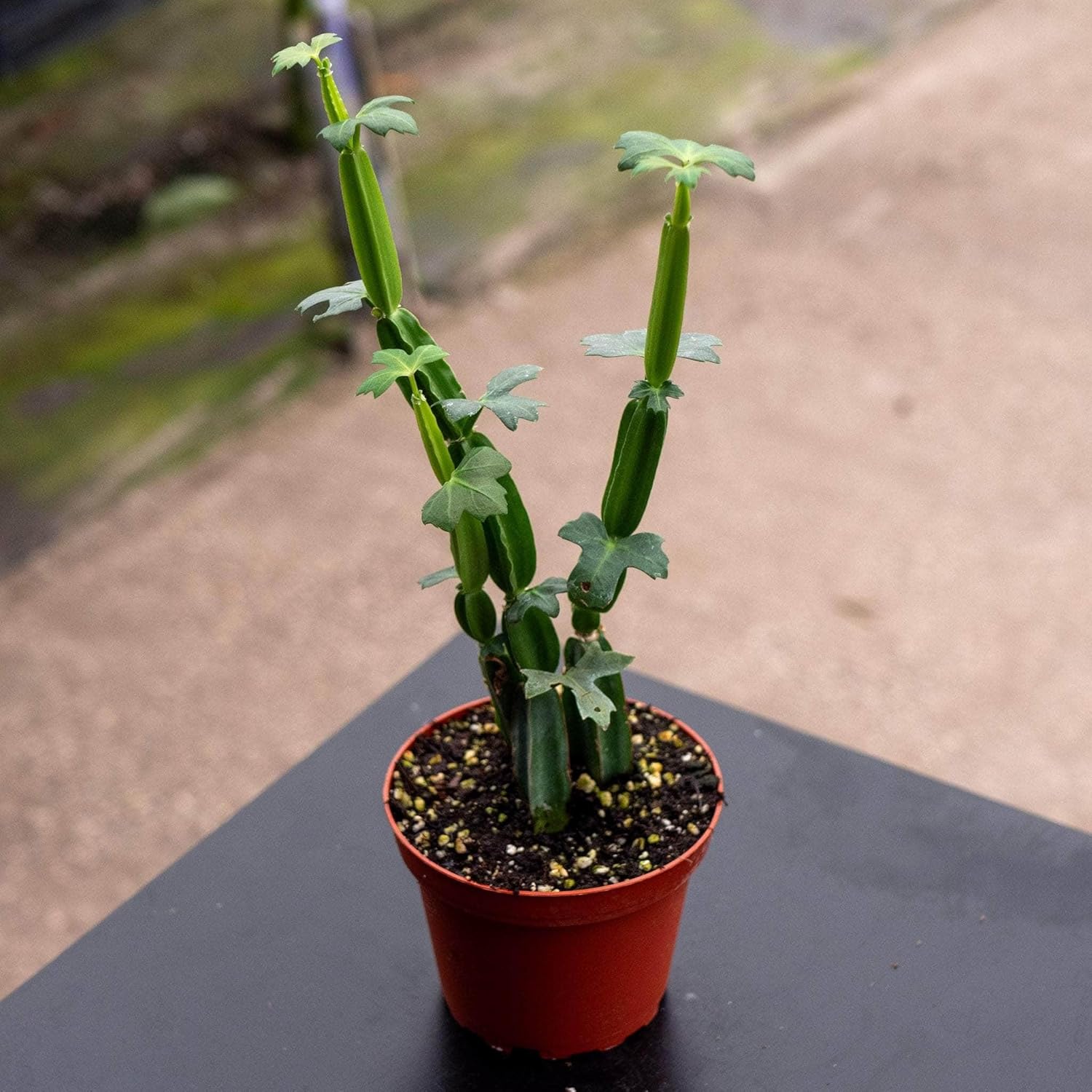
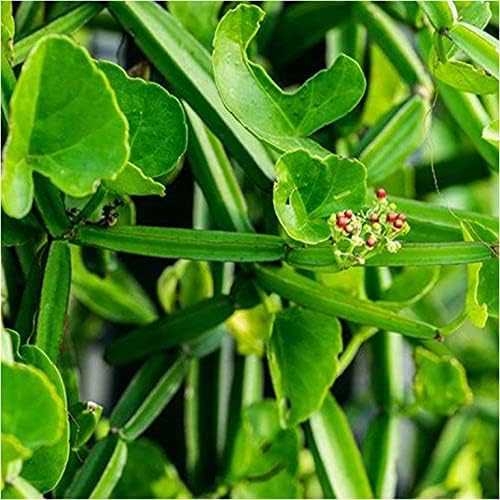
Hadjod Plant, commonly known as Pirandai, is a fascinating succulent climbing plant traditionally valued in Indian herbal practices. Its distinctive four-angled, fleshy green stems make it easy to recognize and also give it the botanical name Cissus quadrangularis.
This listing is for 1 healthy live Hadjod/Pirandai plant, suitable for home gardens, terrace gardens, herbal plant collections and container cultivation.
🌿 Key Features
- Common Name: Hadjod / Pirandai
- Botanical Name: Cissus quadrangularis L.
- Family: Vitaceae
- Plant Type: Succulent climbing plant
- Stem: Fleshy, green and distinctly four-angled
- Quantity: 1 Live Plant
- Growing Style: Climber
- Suitable For: Home garden, terrace, balcony and containers
- Traditional Use: Valued in traditional herbal practices
Kew’s Plants of the World Online recognizes Cissus quadrangularis as an accepted species and describes it as a climbing succulent native across parts of tropical Africa, the Arabian Peninsula and the Indian subcontinent, including India.
🌱 About Hadjod / Pirandai
Hadjod is an unusual succulent climber with quadrangular stems and jointed segments. As the plant develops, its stems can spread or climb with support.
It is particularly interesting for gardeners who want to grow traditional herbal plants at home while also adding an unusual succulent climber to their collection.
The plant is naturally adapted to seasonally dry tropical conditions, making it relatively different from ordinary leafy garden plants.
🦴 Traditional Herbal Importance
Hadjod (Cissus quadrangularis) has a long history of use in traditional systems of medicine, particularly in preparations associated with bones and joints.
Modern research has also investigated extracts of Cissus quadrangularis for bone health and fracture recovery. A recent randomized clinical study evaluated a standardized combination containing Cissus quadrangularis and Boswellia serrata alongside standard treatment for distal-radius fractures and reported improved fracture-healing measures in the supplemented group. However, this was a specific herbal formulation used alongside standard medical care, not evidence that simply growing or eating a live plant will heal a fracture.
Research reviews continue to describe the evidence as promising but limited by factors such as small studies, differing preparations and limited long-term data.
Important Health Disclaimer
This plant is sold as a live ornamental/traditional herbal plant and is not a medicine or medical treatment.
Do not use it to treat:
- Bone fractures
- Severe joint pain
- Osteoporosis
- Arthritis
- Any other medical condition
If you have a fracture, persistent pain or another health problem, consult a qualified healthcare professional. Do not delay prescribed treatment because of herbal remedies.
☀️ Sunlight Requirements
Hadjod generally performs well in bright sunlight to partial sunlight.
For healthy growth:
- Provide several hours of good natural light.
- Morning and filtered afternoon sunlight are suitable.
- Gradually acclimatize a newly delivered plant to stronger sunlight.
- Avoid sudden exposure to intense sunlight after keeping it indoors.
Good light helps maintain strong, healthy succulent stems.
💧 Watering
Because Hadjod has succulent stems, avoid excessive watering.
A simple routine:
- Allow the upper portion of the soil to dry between waterings.
- Water thoroughly when required.
- Allow excess water to drain completely.
- Avoid keeping the roots continuously wet.
- Reduce watering during cool or prolonged rainy periods.
Overwatering is one of the main problems to avoid with succulent-type plants.
🪴 Soil & Potting Mix
Use a loose, well-draining soil mix.
A suitable container mixture can include:
- Garden soil
- Coarse sand
- Cocopeat
- Compost
- Perlite or another drainage material
The pot should always have adequate drainage holes.
Avoid heavy soil that remains wet for long periods.
🌿 Support for Climbing
Hadjod is a climbing plant, so providing a support structure can help guide its growth.
You can use:
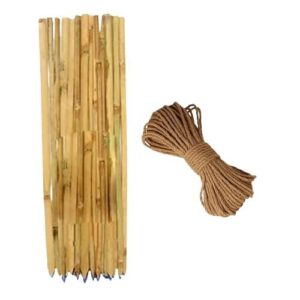
- Bamboo sticks
- Trellis
- Garden support
- Balcony railing
- Wire support
Guide the stems gently rather than tying them tightly.
🌱 Fertilizer
Feed occasionally during active growth with:
- Balanced fertilizer, or
- Well-decomposed compost/vermicompost
Use fertilizer moderately. Excessive feeding is unnecessary for this succulent climber.
✂️ Pruning
Pruning can help control the plant’s size and encourage manageable growth.
Remove:
- Damaged stems
- Rotten portions
- Very weak growth
- Unwanted spreading stems
Healthy cuttings can potentially be used for propagation under suitable conditions.
🏡 Growing in Pots
Hadjod can be grown successfully in containers when provided with:
- Good sunlight
- Fast drainage
- Appropriate watering
- Suitable support
- Adequate container space
It is a good choice for gardeners who want to maintain a home herbal plant collection without needing a large garden area.
🌿 Uses Around the Home
Hadjod can be grown as:
- Herbal garden plant
- Traditional plant collection
- Succulent garden plant
- Terrace garden plant
- Balcony container plant
- Outdoor potted plant
- Climbing ornamental plant
- Educational plant
Its unusual four-sided stems also make it an interesting plant for children and gardening enthusiasts to observe.
⚠️ Important Handling Information
Some people may experience irritation when handling certain parts of the plant.
For safety:
- Wash hands after handling.
- Avoid contact with eyes.
- Do not consume the plant without appropriate expert guidance.
- Keep gardening plants away from small children and pets.
- If you intend to use the plant medicinally, consult a qualified Ayurvedic practitioner or healthcare professional regarding identification, preparation, dosage and suitability.
Do not self-treat fractures or serious pain with this plant.
🚚 Live Plant Delivery
You will receive 1 healthy live Hadjod/Pirandai plant.
As this is a living plant, natural variation can occur in:
- Plant height
- Number of stems
- Stem thickness
- Leaf development
- Branching
- Overall shape
The plant may also experience temporary stress, minor leaf loss or drooping during transportation. Give it suitable light and allow it time to acclimatize after delivery.
🌱 Why Choose Hadjod Plant?
- Traditional Indian herbal plant
- Distinctive four-angled succulent stems
- Interesting climbing growth habit
- Suitable for container gardening
- Excellent addition to herbal gardens
- Can be grown on terraces and balconies
- Attractive and unusual plant for collectors
- Suitable for warm climates
🌿 Grow Your Own Hadjod Plant
Bring home a Hadjod / Pirandai (Cissus quadrangularis) live plant and add a traditional Indian herbal plant to your garden collection.
With its distinctive succulent stems and climbing habit, Hadjod is both an interesting gardening plant and a popular traditional medicinal plant.







Reviews
There are no reviews yet.