Cannonball / Kailashpati (Nagalingam) Tree Air-Layered Live Plant
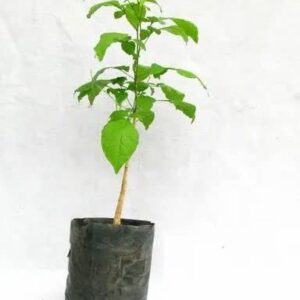
Bring one of India’s most unusual and fascinating flowering trees to your home garden with the Cannonball Tree / Kailashpati / Nagalingam Tree Air-Layered Live Plant.
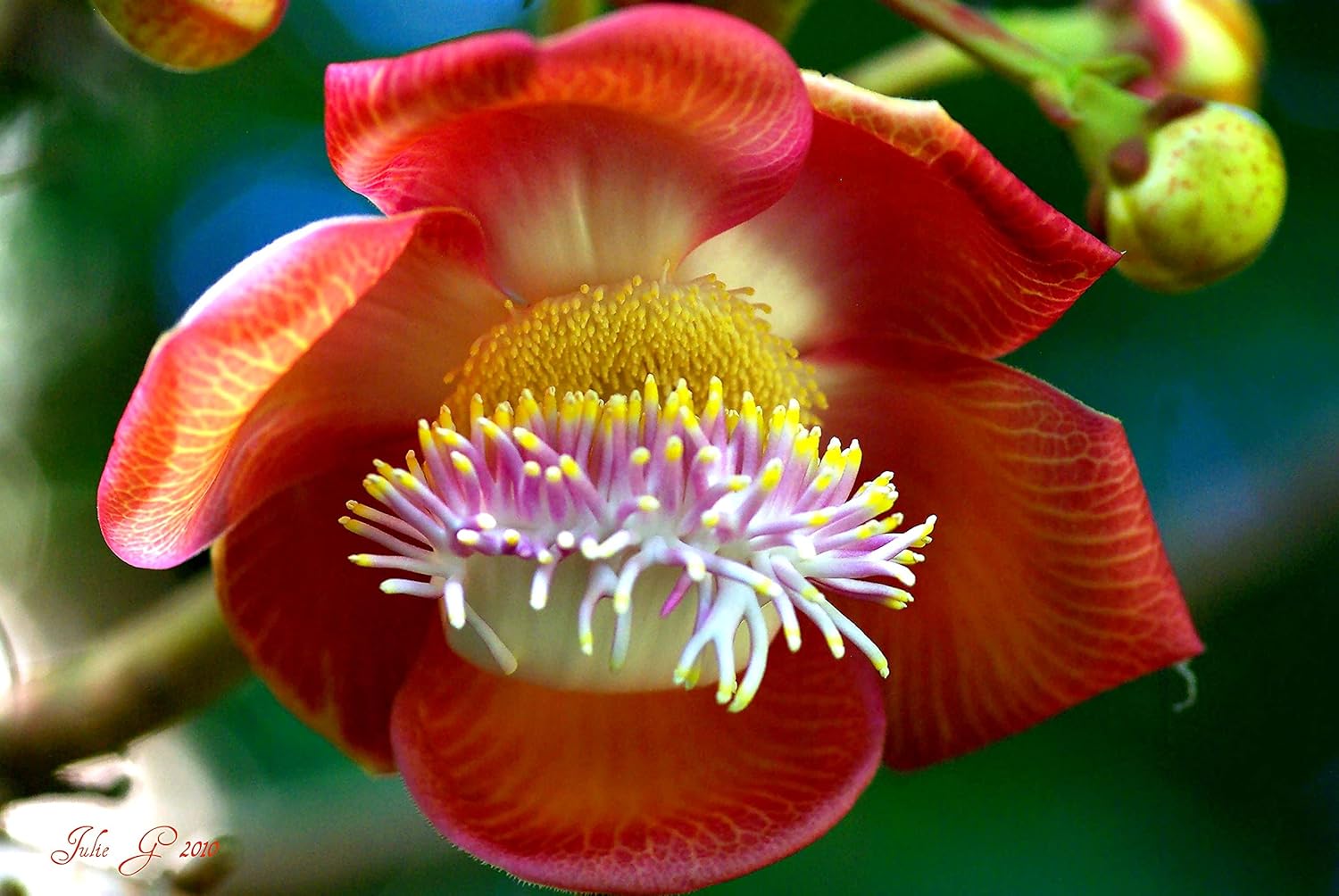
Known botanically as Couroupita guianensis Aubl., this remarkable tropical tree is famous for its large, strongly fragrant flowers that emerge directly from the trunk and older branches, followed by large, round, cannonball-like fruits. Its unusual flowering habit makes it a fascinating specimen plant for gardeners and plant collectors.
In India, the tree is known by several regional names, including Nagalingam, Nagalinga, Kailasapati/Kailashpati, Kaman Gola, Shiv Kamal and Tope Gola. The Botanical Survey of India also records these Indian vernacular names for Couroupita guianensis.
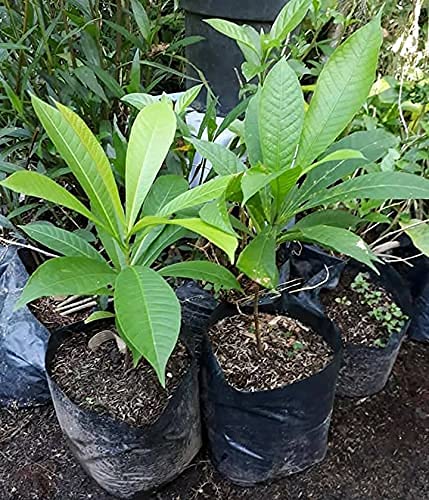
This listing is for an air-layered live plant, making it a convenient choice for gardeners who want to establish this distinctive flowering tree from a nursery-grown plant.
🌿 About the Cannonball / Kailashpati Tree
C. guianensis is a tropical flowering tree belonging to the Lecythidaceae family. Kew recognizes Couroupita guianensis Aubl. as the accepted botanical name. Its natural range extends from Panama through tropical South America, and it has been introduced and cultivated in several tropical regions, including parts of India.
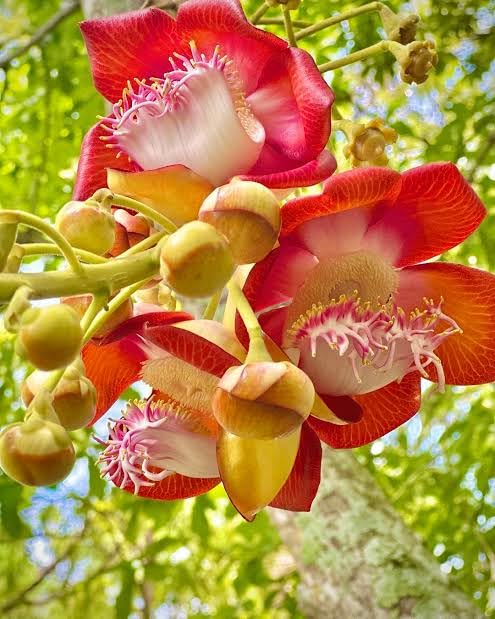
The tree is particularly famous for cauliflory—the production of flowers directly from the trunk or older woody branches rather than only from young branch tips.
This gives the mature tree an extraordinary appearance when it is in bloom.
🌱 Plant Characteristics
- Botanical Name: Couroupita guianensis Aubl.
- Common Name: Cannonball Tree
- Indian Names: Kailashpati, Kailasapati, Nagalingam, Nagalinga, Kaman Gola, Shiv Kamal, Tope Gola
- Family: Lecythidaceae
- Plant Type: Tropical flowering tree
- Growth Habit: Large woody tree
- Flowers: Large, showy and fragrant
- Flower Position: Mainly on trunk and older branches
- Fruit: Large, round, cannonball-like
- Propagation: Air-layered live plant
- Suitable For: Home gardens, spacious outdoor areas, large terraces and suitable containers while young
Indian botanical references specifically record this tree as being planted in gardens and temple premises for its fragrant flowers.
🌸 Unique Trunk-Borne Flowers
One of the most extraordinary features of the Kailashpati Tree is its flowering habit.
Instead of producing flowers only at the ends of ordinary branches, the tree produces long woody flower clusters from the trunk and older branches. This is why a mature flowering tree can look very different from conventional garden flowering plants.
The flowers are:
- 🌸 Large and showy
- 🌺 Strongly fragrant
- 💗 Pink, reddish-purple and yellow-toned in appearance
- 🌿 Produced on older woody parts of the tree
- 🌳 Particularly attractive when several flowers appear along the trunk
The Botanical Survey of India describes the flowers as fragrant and approximately 5–6 cm wide, with pink to dark purple-red colouring toward the base and yellowish tones toward the upper portions.
🌺 Why Is It Called Nagalingam?
The unusual structure of the flower has led to several traditional Indian names and cultural associations.
The plant is widely known as Nagalingam/Nagalinga, while names such as Kailashpati and Shiv Kamal are also used in India. These names are associated with the distinctive appearance of the flower.
The common names can vary by region, so the botanical name Couroupita guianensis is the most reliable way to identify the plant.
☀️ Sunlight Requirements
Kailashpati is a tropical tree and should be grown in a bright outdoor location with plenty of sunlight.
For home gardening:
- Provide several hours of direct sunlight.
- Choose an open outdoor position.
- Avoid deep shade from buildings or large trees.
- Give the plant adequate space for future growth.
- Good air circulation is helpful.
A young nursery plant may require gradual acclimatization if it has been grown under protected nursery conditions.
💧 Watering Requirements
Provide regular moisture while the plant is establishing.
A simple routine:
- Check the upper layer of soil.
- Water when the soil begins to dry.
- Water deeply rather than giving only a very small amount.
- Allow excess water to drain away.
- Reduce additional watering during prolonged rainy periods.
- Monitor container plants more frequently during hot weather.
The species is naturally associated with wet tropical environments, so it appreciates moisture, but container-grown plants should still have adequate drainage. Kew classifies its primary biome as wet tropical.
🪴 Soil & Potting
Use a fertile, moisture-retentive but well-draining soil mixture.
For a container, a practical mixture can include:
- Good-quality garden soil
- Well-decomposed compost
- Vermicompost
- Cocopeat
- Coarse sand or another drainage-improving component
The container should have sufficient drainage holes.
Avoid using a potting mix that becomes hard and compacted after repeated watering.
🌱 Fertilizer & Nutrition
Young plants benefit from regular but moderate nutrition during active growth.
Suitable options include:
- Well-decomposed compost
- Vermicompost
- Balanced tree fertilizer
- Organic fertilizer suitable for flowering plants
Apply fertilizer according to the manufacturer’s recommended dosage.
Do not apply excessive fertilizer to a newly delivered plant. Allow the plant to recover from transportation and establish itself before starting a regular feeding routine.
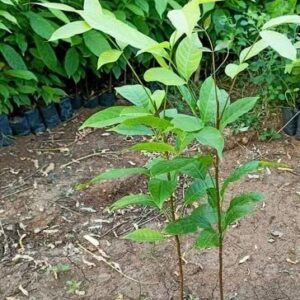
🌳 Air-Layered Plant
This product is described as an air-layered live plant.
Air layering is a vegetative propagation method in which roots are encouraged to develop on a selected stem before the rooted section is separated and planted.
For a customer, an air-layered plant offers a nursery-grown vegetative planting option rather than relying on germination from seed.
After delivery, the plant should be handled carefully because its root system may be smaller and more sensitive than that of a mature, field-established tree.
🏡 Home Garden Suitability
The Cannonball Tree can be an extraordinary addition to a spacious home garden.
It is especially attractive for:
- 🌳 Large home gardens
- 🌺 Tropical gardens
- 🏡 Spacious backyards
- 🛕 Temple-style gardens
- 🌿 Botanical plant collections
- 🌴 Landscapes with adequate growing space
- 🌱 Plant enthusiasts looking for unusual flowering trees
Its unusual trunk flowers make it much more distinctive than an ordinary flowering shrub.
🏢 Balcony & Terrace Gardening
The young air-layered plant can be kept in a large container on a sunny terrace or spacious balcony while it is small.
However, customers should understand that Cannonball Tree is a tree, not a naturally dwarf balcony plant.
A mature tree can become very large. The Botanical Survey of India describes it as a large tree that can reach around 35 metres under suitable conditions.
Therefore:
- A small apartment balcony is not an ideal permanent location.
- A spacious terrace can accommodate the young plant temporarily.
- Use a large, stable container.
- Upgrade the pot as the plant develops.
- Consider eventual planting in open ground.
- Keep sufficient clearance from buildings, wires and structures.
🌳 Space Requirement
Give this plant adequate space as it grows.
For long-term planting, select a location where the developing tree will not interfere with:
- Buildings
- Roofs
- Electrical wires
- Boundary walls
- Underground infrastructure
- Other large trees
Its eventual size should be considered before planting it permanently.
✂️ Pruning & Maintenance
Pruning can be used to remove:
- Dead branches
- Damaged branches
- Weak growth
- Crossing branches
- Unwanted shoots
For a young air-layered plant, avoid heavy pruning immediately after delivery.
Allow the plant to establish first.
As the tree develops, structural pruning can help maintain a suitable shape for the available garden space.
🌧️ Indian Climate & Growing Conditions
C. guianensis is a tropical tree naturally associated with wet tropical environments.
Indian botanical databases record the tree growing in several parts of India, including West Bengal, Karnataka, Kerala, Tamil Nadu, Uttar Pradesh and the Andaman and Nicobar Islands.
For Indian home gardeners:
- Provide good sunlight.
- Maintain regular moisture during hot weather.
- Use fertile soil.
- Ensure drainage in containers.
- Take advantage of natural monsoon moisture.
- Avoid unnecessary overwatering during prolonged rainy periods.
- Protect young plants from severe environmental stress.
🍈 Cannonball-Like Fruits
After flowering, the tree can produce its famous large, round fruits.
The fruits are:
- Large and spherical
- Woody/hard-shelled
- Brownish as they mature
- Produced on trunk-associated structures
- Responsible for the common name Cannonball Tree
Indian Flora references describe the mature fruit as cannonball-sized and note that it can develop an unpleasant odour when ripe.
Because the fruits can become large and heavy, avoid planting the tree directly beside areas where falling mature fruits could create a safety concern.
🌺 Flowering
Indian botanical references record flowering and fruiting as potentially occurring throughout the year, although actual flowering varies according to climate, plant maturity and growing conditions.
Important: Buying an air-layered plant does not guarantee immediate flowering.
A newly delivered plant may first need time to:
- Recover from transportation
- Establish roots
- Produce new growth
- Adapt to the new environment
- Reach suitable maturity
Therefore, flowering time should not be guaranteed as a fixed number of months or years.
🚚 Live Plant Delivery & Natural Variation
This product is supplied as a live, air-layered Cannonball/Kailashpati plant.
Because plants are living biological products, natural differences may occur between individual plants.
You may notice differences in:
- Plant height
- Stem thickness
- Number of leaves
- Branching
- Leaf size
- Root development
- Overall shape
Minor leaf stress or temporary leaf drop can also occur during transportation.
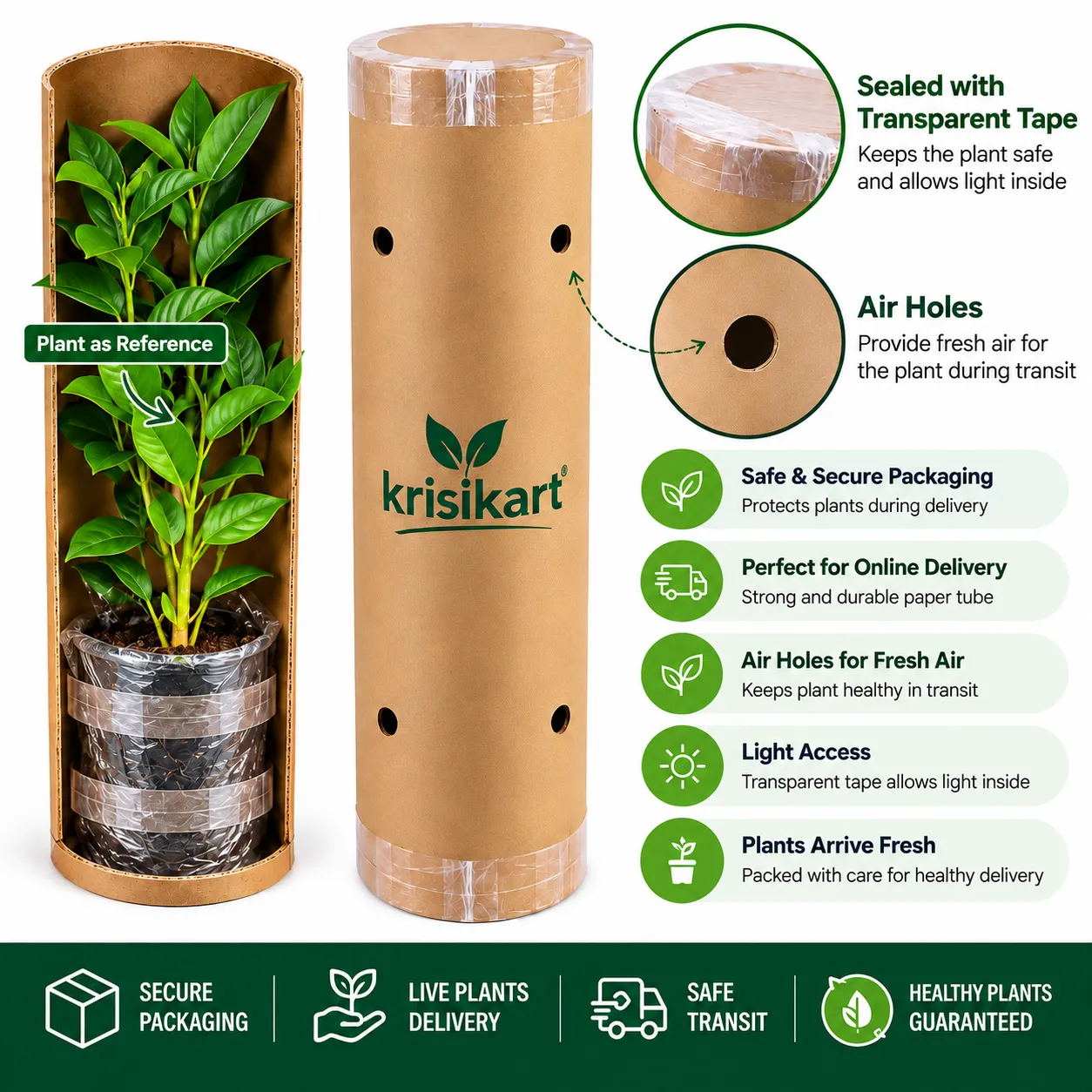
First delivery: The plant is intended to be dispatched through Blue Dart Air/express courier where the service is available for the destination pincode, helping reduce transit time for a live plant.
After receiving the plant:
- Carefully unpack it.
- Keep it in a bright outdoor location.
- Check soil moisture.
- Water when necessary.
- Avoid heavy fertilizer immediately.
- Do not perform major pruning immediately after arrival.
- Give the plant time to adjust.
📌 Important Note
The names Cannonball Tree, Kailashpati, Kailasapati and Nagalingam can vary between regions.
For accurate identification, this listing refers specifically to:
Couroupita guianensis Aubl.
Kew currently recognizes this as the accepted botanical name and places the species in the Lecythidaceae family.
This plant should not be confused with unrelated plants that may be sold under similar religious or regional names.
🌿 Traditional & Cultural Significance
The Nagalingam/Kailashpati tree is widely planted around gardens and temple premises in India, particularly because of its striking and fragrant flowers. Indian botanical sources document this garden and temple association.
Traditional names and cultural associations are included here for botanical and horticultural context and should not be interpreted as claims about medicinal treatment or health benefits.
⭐ Why Choose a Cannonball / Kailashpati Tree?
- 🌺 Large, fragrant and unusual flowers
- 🌳 Fascinating trunk-flowering habit
- 🌸 Attractive tropical flowering tree
- 🕉️ Known by several Indian cultural names
- 🌿 Suitable for spacious home gardens
- 🪴 Young plants can be maintained in large containers
- 🌱 Air-layered live plant
- 🇮🇳 Widely cultivated in tropical parts of India
- 🍈 Produces distinctive cannonball-like fruits
- 🌴 Excellent choice for plant collectors and tropical gardens
🔬 Botanical Information
| Feature | Information |
|---|---|
| Botanical Name | Couroupita guianensis Aubl. |
| Common Name | Cannonball Tree |
| Indian Names | Kailashpati, Kailasapati, Nagalingam, Nagalinga, Kaman Gola, Shiv Kamal, Tope Gola |
| Family | Lecythidaceae |
| Plant Type | Tropical flowering tree |
| Growth Habit | Large tree |
| Flowers | Large, fragrant and showy |
| Flower Position | Trunk and older branches |
| Fruit | Large, round, cannonball-like |
| Propagation | Air-layered |
| Sunlight | Bright sunlight / outdoor sun |
| Water Requirement | Regular moisture with good drainage |
| Home Garden | Suitable where adequate space is available |
| Container Growing | Suitable while young with an appropriately large container |
| Native Range | Panama to tropical South America |
📚 Botanical Information & Further Reading
- Kew – Plants of the World Online: Couroupita guianensis
- Kew – General Information for Couroupita guianensis
- India Trees Portal – Cannon-ball Tree
- India Flora – Couroupita guianensis
- Botanical Survey of India – The Cannon Ball Tree
- Rayalaseema University – Botanical Profile of Couroupita guianensis
Grow this fascinating tropical tree with proper sunlight, moisture and space, and enjoy one of the most unusual flowering displays found among garden trees—the beautiful fragrant flowers emerging directly from the trunk and older branches.







Reviews
There are no reviews yet.