 Plastic Plant pot | Plastic Garden Pot for Plants
 Self Watering Planters | Self Watering Plant Pots For Plants
Crepe Myrtle Tree | Creighton Myrtle (Lagerstroemia indica) – Furush Flower Plant for Home Garden
The Crepe Myrtle Tree, also known as Crape Myrtle, Indian Crape Myrtle or Furush Flower Plant (Lagerstroemia Indica). This attractive ornamental flowering tree is admired for its colourful, crinkled flowers, beautiful branching structure and distinctive peeling bark.
Botanically known as Lagerstroemia indica, Crepe Myrtle is a flowering tree belonging to the Lythraceae family. It is popular in gardens, parks, roadside landscapes and outdoor spaces because of its attractive flowers and ability to grow in warm climates.
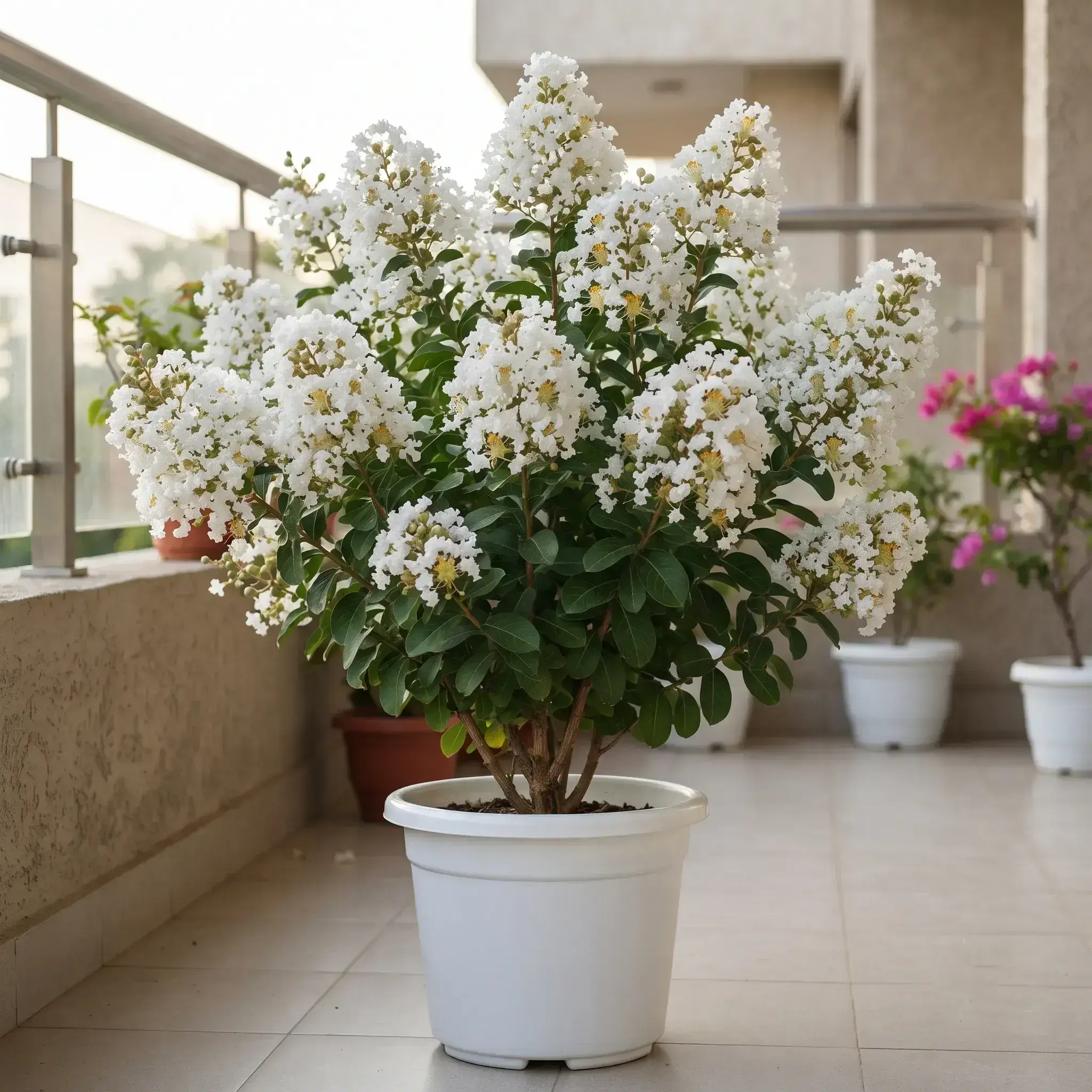
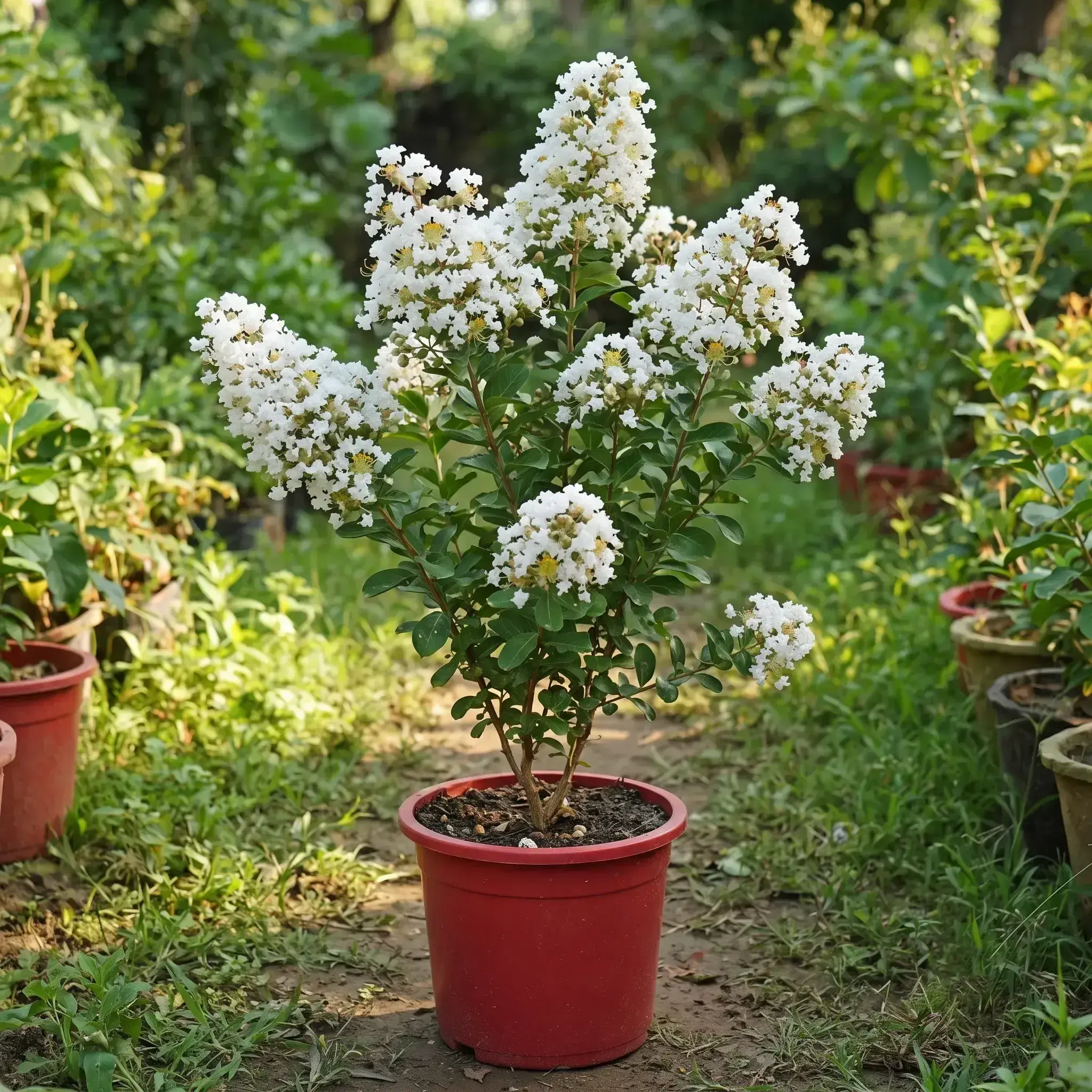
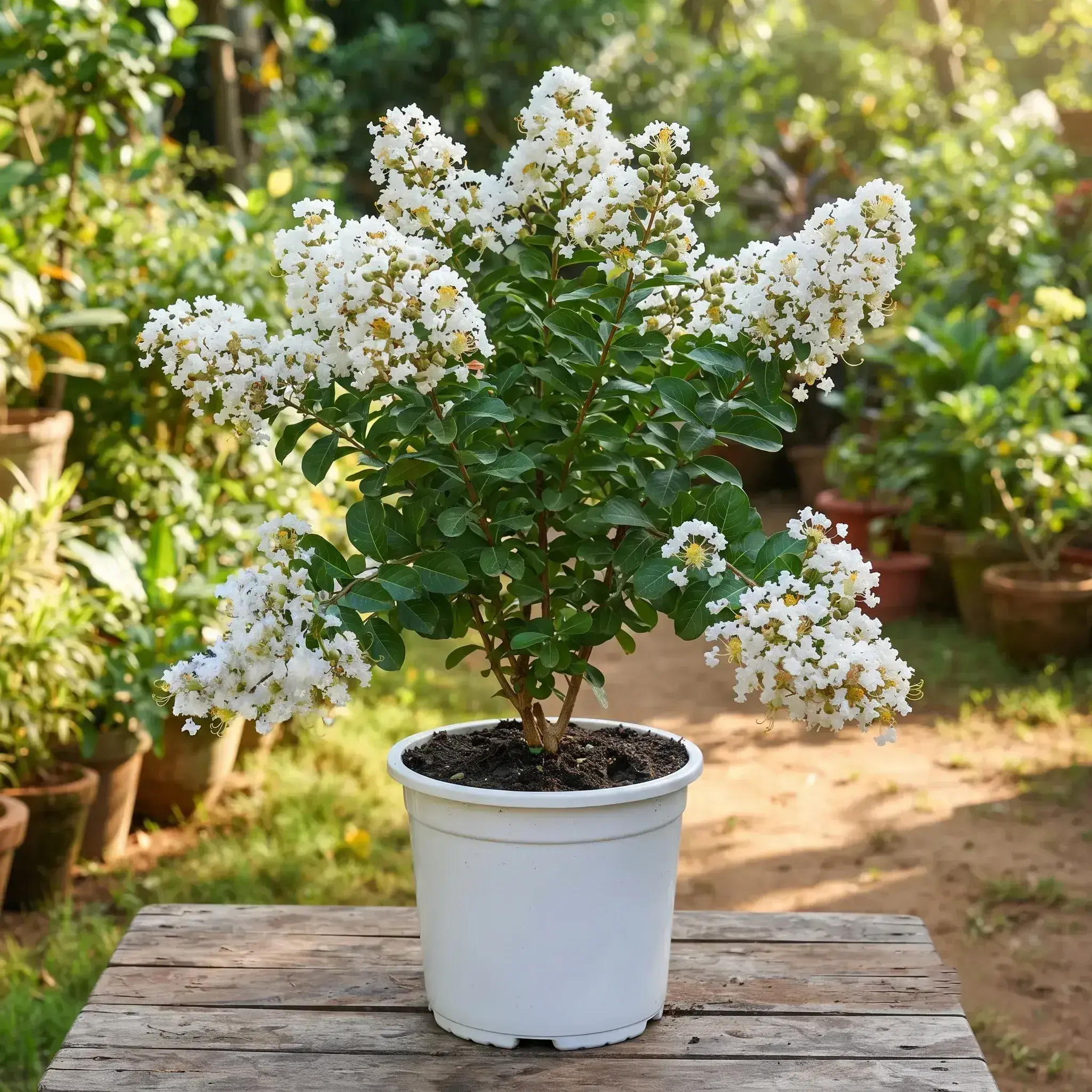
The flowers resemble delicate crepe paper, giving the plant its familiar name. Depending on the variety, blooms may appear in shades of pink, red, purple, lavender or white.
Crepe Myrtle is an excellent choice for home gardens, large outdoor pots, garden borders and ornamental landscaping.
Plant Highlights
- Common Name: Crepe Myrtle, Crape Myrtle, Indian Crape Myrtle, Furush
- Botanical Name: Lagerstroemia indica
- Plant Family: Lythraceae
- Plant Type: Deciduous flowering tree or large shrub
- Flower Colours: Pink, red, purple, lavender and white, depending on variety
- Flower Appearance: Crinkled, crepe-paper-like petals in clusters
- Foliage: Green leaves that may develop seasonal yellow, orange or red shades
- Growth Habit: Upright, bushy or spreading tree
- Light Requirement: Full sunlight
- Water Requirement: Moderate during establishment; lower once established
- Maintenance: Moderate
- Suitable For: Home gardens, parks, landscapes and large containers
- Growing Method: Garden soil and large outdoor pots
About Crepe Myrtle Tree
Crepe Myrtle is a popular ornamental tree native to parts of Asia. It is widely cultivated in warm and subtropical regions for its attractive flowers and decorative bark.
The plant produces multiple branches and oval-shaped green leaves. During the flowering season, clusters of colourful flowers develop at the ends of new branches.
One of its most distinctive features is its smooth, peeling bark, which reveals attractive shades and patterns as the tree matures.
Crepe Myrtle can be maintained as a small ornamental tree or a large shrub through appropriate pruning. Its natural shape and flowering display make it a beautiful addition to outdoor landscapes.
Flower Appearance and Colours
The flowers are the main attraction of the Crepe Myrtle Tree.
Each flower has delicate, crinkled petals that resemble crepe paper. Flowers are produced in large clusters, creating a colourful display during the flowering season.
Depending on the variety, flowers may be:
- Pink
- Deep pink
- Red
- Purple
- Lavender
- White
The exact flower colour depends on the cultivar supplied. If the nursery sells a specific colour variety, confirm that colour before listing it as a guaranteed characteristic.
Flowering Season
Crepe Myrtle generally flowers during the warmer months, often from late spring through summer and into autumn under suitable conditions.
In Indian gardens, flowering time can vary according to local temperature, rainfall, sunlight and plant maturity.
The plant produces flowers on new growth, so adequate sunlight and appropriate pruning can support flowering.
Young plants may need time to establish before producing a substantial flowering display.
Sunlight Requirements
Crepe Myrtle is a sun-loving flowering tree. Full sunlight is important for strong growth and abundant flowering.
- Provide approximately 6–8 hours of direct sunlight daily where practical.
- Choose an open garden location.
- Avoid planting beneath large trees that create heavy shade.
- Ensure good air circulation around the branches.
- Protect newly planted specimens from severe transplant stress.
Insufficient sunlight can lead to weak growth, fewer flowers and increased fungal problems.
Watering Requirements
Crepe Myrtle prefers moderately moist, well-drained soil, especially while its roots are establishing.
Follow these watering practices:
- Water thoroughly after planting.
- Water regularly during the establishment period.
- Check the soil before watering again.
- Allow excess water to drain freely.
- Reduce watering during rainy weather.
- Avoid keeping the roots continuously waterlogged.
Established trees can tolerate some dry conditions, but prolonged drought may affect flowering and foliage quality.
Young plants and container-grown specimens generally need more frequent moisture checks.
Soil and Potting Mix
Crepe Myrtle grows in different soil types but performs best in fertile, well-draining soil.
For container growing, a suitable potting mixture can include:
- 35% good-quality garden soil
- 25% mature compost or vermicompost
- 20% coco peat
- 10% coarse sand
- 10% perlite or another drainage material
Adjust the mixture according to the materials available. The growing medium should retain some moisture while allowing excess water to escape.
For garden planting, improve heavy soil with organic matter and ensure proper drainage.
Avoid planting in locations where rainwater collects around the roots for long periods.
Temperature and Humidity
Crepe Myrtle is well suited to warm and sunny growing conditions.
- Warm temperatures support active growth and flowering.
- Full sunlight encourages flower production.
- Good air circulation helps reduce fungal problems.
- Established plants can tolerate some dry periods.
- Avoid prolonged waterlogging during humid weather.
It is suitable for many warm Indian garden environments, although growth and flowering may vary with local conditions.
Growing Crepe Myrtle in India
Crepe Myrtle can be grown in many parts of India, particularly where it receives sufficient sunlight and has well-draining soil.
Summer Care: Summer is an important growing and flowering period. Provide adequate water, especially for young plants, and maintain good soil drainage.
Monsoon Care: Protect the roots from prolonged waterlogging. Avoid planting in low-lying areas where rainwater accumulates.
Winter Care: In cooler conditions, the tree may naturally shed its leaves. This is normal for this deciduous species. Reduce watering if the soil remains moist for longer periods.
In humid regions such as West Bengal, provide an open sunny location with sufficient airflow. Good drainage is particularly important during the monsoon.
Fertilizer Requirements
Crepe Myrtle benefits from moderate feeding during active growth.
- Add mature compost or vermicompost around the root area.
- Use a balanced fertilizer suitable for flowering trees according to the manufacturer’s instructions.
- Feed during active growing periods if necessary.
- Avoid excessive nitrogen fertilizer.
- Do not apply concentrated fertilizer directly against the trunk.
- Reduce feeding when the plant is dormant or stressed.
Excessive nitrogen can encourage leafy growth without necessarily improving flowering.
Growing Crepe Myrtle in Pots
Crepe Myrtle can be grown in a large container, particularly when the selected variety has a suitable compact growth habit.
For successful container growing:
- Choose a large, sturdy pot with drainage holes.
- Use fertile and well-draining potting soil.
- Place the container in a sunny outdoor location.
- Water according to soil moisture.
- Prune lightly to maintain the desired shape.
- Repot when the roots outgrow the container.
The species can become a sizeable tree, so container growing requires regular attention to root space and plant size.
Growing Crepe Myrtle as a Garden Tree
Crepe Myrtle is particularly attractive when planted directly in garden soil.
It can be used as:
- A flowering specimen tree
- A garden centrepiece
- An ornamental boundary tree
- A landscape feature
- A small shade tree
- A decorative tree along garden pathways
Allow sufficient space for the tree’s natural crown to develop. Choose a variety whose expected mature size suits the available garden area.
Pruning and Maintenance
Crepe Myrtle does not require severe pruning to flower well. Its natural branching structure and attractive bark are important ornamental features.
Follow these maintenance practices:
- Remove dead and damaged branches.
- Remove weak or crossing branches when necessary.
- Trim unwanted growth to maintain the desired shape.
- Remove old flower clusters if you want to keep the tree tidy.
- Use clean, sharp pruning tools.
- Carry out structural pruning before fresh spring growth begins.
Avoid cutting the main branches back severely every year. This practice, sometimes called “crape murder”, can spoil the tree’s natural shape and encourage excessive weak shoots.
Because flowers develop on new growth, appropriate light pruning can help maintain a healthy flowering structure.
Propagation
Crepe Myrtle can be propagated through seeds and stem cuttings.
Propagation by Stem Cuttings:
- Select healthy stem material from a suitable plant.
- Prepare cuttings using clean pruning scissors.
- Remove the lower leaves.
- Place the cuttings in a suitable moist, well-draining propagation medium.
- Keep them in a warm location with bright, indirect light.
- Maintain suitable moisture while roots develop.
Propagation by Seeds:
- Collect mature seed capsules when they become dry.
- Extract the seeds.
- Sow them in a suitable seed-starting medium.
- Keep the medium lightly moist.
- Provide warmth and bright light.
- Transplant seedlings after they become established.
Seed-grown plants may not always retain the exact flower characteristics of a named parent cultivar. Suitable cuttings are generally preferred when maintaining a particular variety.
Common Problems and Solutions
Poor Flowering: Insufficient sunlight, excessive nitrogen or unsuitable pruning can reduce flowering. Provide full sunlight and review the feeding routine.
Yellow Leaves: May result from overwatering, poor drainage, nutrient problems or natural seasonal leaf shedding. Check the soil and plant condition.
Powdery Mildew: A white powdery coating may develop on leaves and young shoots. Improve airflow, avoid overcrowding and use a suitable plant treatment if necessary.
Leaf Spots: Fungal leaf diseases can occur under humid conditions. Remove badly affected leaves and avoid keeping foliage wet for extended periods.
Aphids: These small insects may gather around tender shoots and flower buds. Inspect new growth regularly and use an appropriate treatment when required.
Sooty Mould: A black coating on leaves can develop when honeydew-producing insects are present. Identify and manage the underlying insect problem.
Root Rot: Usually associated with poor drainage and excessive watering. Improve soil drainage and avoid waterlogging.
Is Crepe Myrtle Suitable for Home Gardens?
Yes. Crepe Myrtle is an excellent ornamental flowering tree for home gardens when sufficient outdoor space and sunlight are available.
It can be used for:
- Home garden decoration
- Garden centrepieces
- Landscape borders
- Outdoor flowering displays
- Large garden containers
- Driveway and pathway planting
- Ornamental tree collections
Its colourful flowers and attractive peeling bark provide seasonal visual interest.
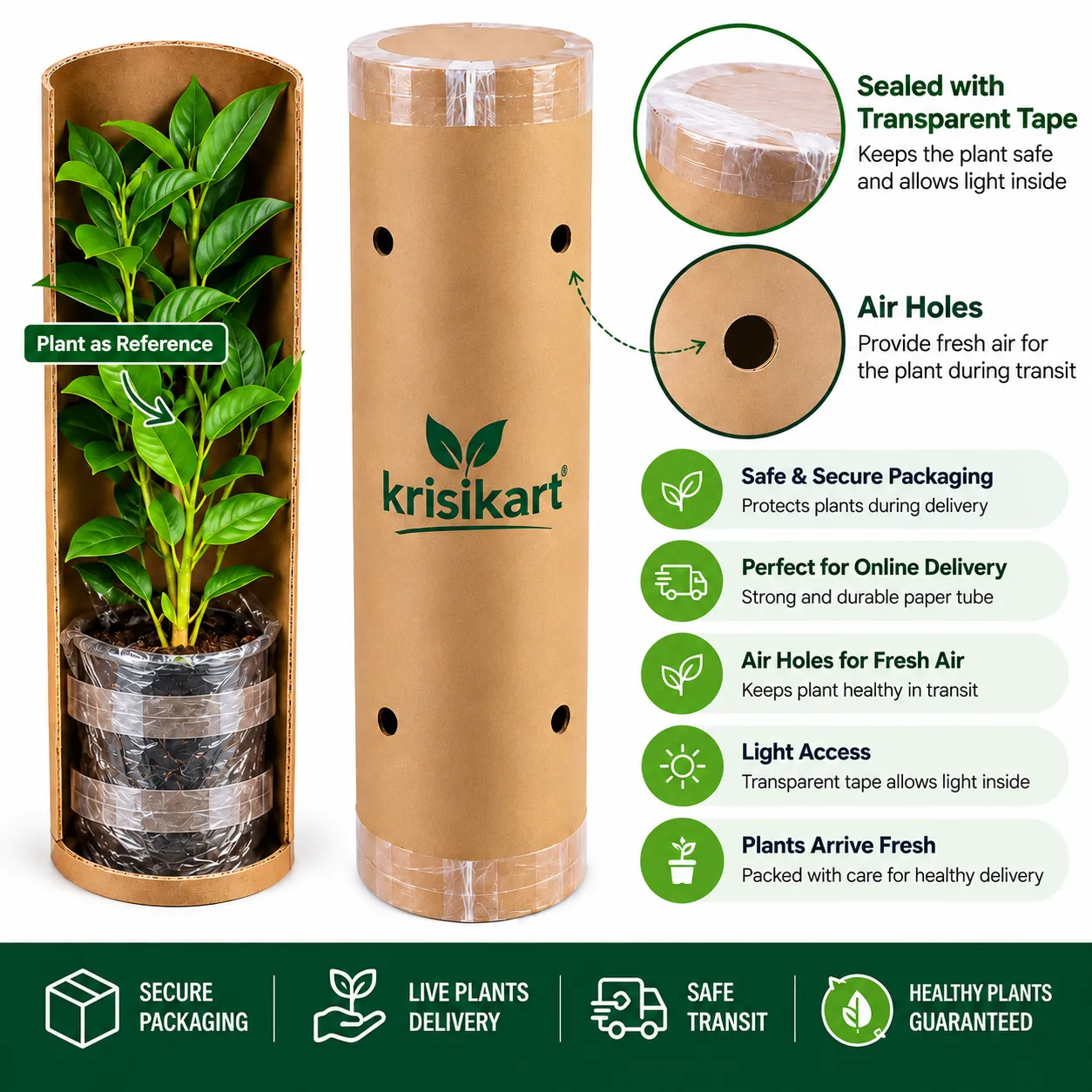
Live Plant Delivery Information
Your Crepe Myrtle Tree will be supplied as a live plant. Natural variations in plant height, branching, leaf size and flowering condition are normal.
- The delivered plant may look slightly different from the product photographs.
- Flowering may not be present at the time of delivery.
- The plant may temporarily lose some leaves during transportation or environmental adjustment.
- Deciduous leaf shedding can also occur naturally during its seasonal cycle.
- Place the plant in a suitable bright outdoor location after delivery.
- Allow it to adjust before heavy pruning or fertilizer application.
- Check the soil moisture before watering.
- Avoid keeping a newly delivered plant in waterlogged soil.
With suitable sunlight, well-draining soil and regular care during establishment, your Crepe Myrtle can gradually develop into a beautiful garden tree.
Why Choose Crepe Myrtle Tree?
Crepe Myrtle is a wonderful choice for gardeners who appreciate colourful flowers and attractive ornamental trees.
Its crinkled flower clusters, seasonal foliage and decorative peeling bark make it suitable for both traditional and modern garden landscapes.
Whether planted as a garden centrepiece, grown in a large outdoor container or used as an ornamental flowering tree, Crepe Myrtle can bring natural beauty and seasonal colour to your home garden.
Botanical Information & Further Reading
Explore these reliable resources for more information about identification, cultivation and care:
- India Flora Online – Lagerstroemia indica
- Royal Horticultural Society – Lagerstroemia indica
- North Carolina State Extension – Lagerstroemia indica
- University of Florida IFAS – Crapemyrtle
- Virginia Tech Extension – Crapemyrtle
- University of Georgia Extension – Crape Myrtle Culture
- University of Florida IFAS – Crape Myrtle Pruning
Frequently Asked Questions
1. What is a Crepe Myrtle Tree?
Crepe Myrtle is an ornamental flowering tree or shrub botanically known as Lagerstroemia indica. It is grown for its colourful flowers and attractive peeling bark.
2. Is Crepe Myrtle the same as Crape Myrtle?
Yes. Crepe Myrtle and Crape Myrtle are two common spellings used for the same ornamental plant.
3. What is the botanical name of Crepe Myrtle?
Its botanical name is Lagerstroemia indica. It belongs to the Lythraceae family.
4. What flower colours are available in Crepe Myrtle?
Depending on the variety, flowers may be pink, red, purple, lavender or white.
5. Does Crepe Myrtle need full sunlight?
Yes. Full sunlight is important for healthy growth and abundant flowering. A sunny outdoor location is ideal.
6. Can Crepe Myrtle grow in West Bengal?
Yes. It can be grown in West Bengal with sufficient sunlight, good drainage and protection from prolonged waterlogging during the monsoon.
7. How tall does a Crepe Myrtle Tree grow?
Its mature size depends on the variety. Some forms remain compact shrubs, while larger varieties can develop into trees several metres tall.
8. Can Crepe Myrtle grow in a pot?
Yes. Compact varieties can be grown in large containers with good drainage. Larger forms need more root space and are better suited to garden planting.
9. When does Crepe Myrtle flower?
It generally flowers during the warmer months, often from late spring through summer and into autumn, depending on climate and variety.
10. Does Crepe Myrtle lose its leaves?
Yes. Lagerstroemia indica is generally deciduous and may shed its leaves during the cooler season. This is a normal part of its growth cycle.
11. How should I prune Crepe Myrtle?
Remove dead, damaged and crossing branches. Avoid severe annual topping because it can spoil the natural shape of the tree.
12. Can Crepe Myrtle be propagated from cuttings?
Yes. Suitable stem cuttings can be used for propagation. Seeds are another propagation method.
For More Information
Visit: krisikart.com
For Contact Visit:Contact Us
For Shopping Visit: Shop Page


Reviews
There are no reviews yet.