Hadjod Plant / Pirandai Plant – Healthy Live Plant for Home Garden
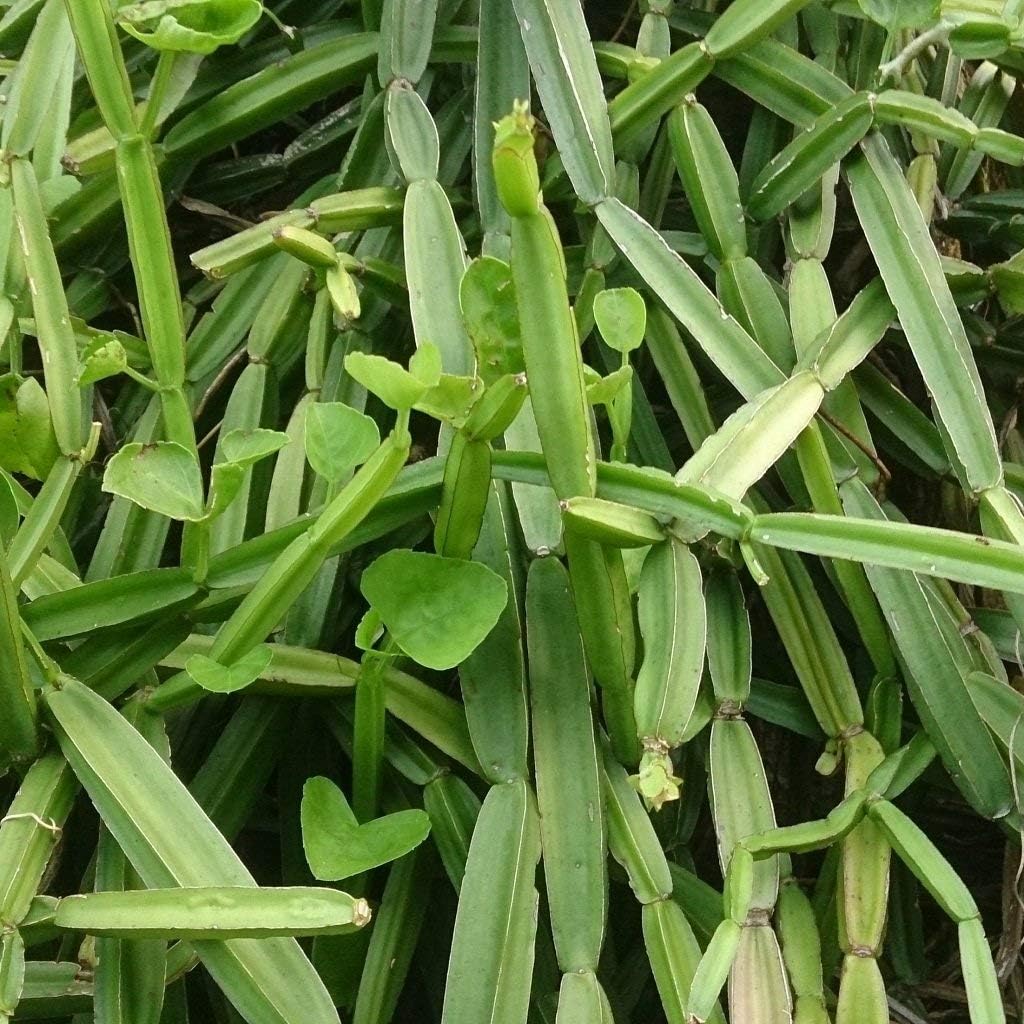
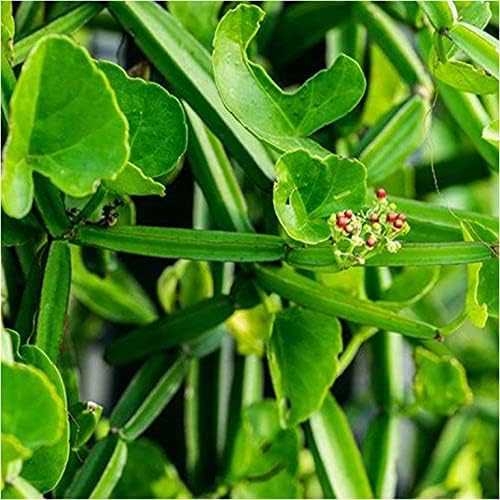
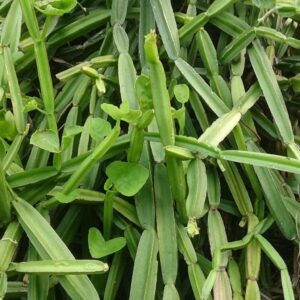
Hadjod Plant, commonly known as Pirandai, is a unique succulent climbing plant recognized for its distinctive four-angled, fleshy green stems. It is an excellent choice for home gardens, terrace gardens, balconies, kitchen gardens and plant collections.
The accepted botanical name is Cissus quadrangularis and it belongs to the Vitaceae (grape family). It is naturally distributed across the Indian subcontinent and other tropical regions and is adapted to seasonally dry conditions.
🌿 Key Features
- Common Name: Hadjod Plant / Pirandai Plant
- Botanical Name: Cissus quadrangularis
- Family: Vitaceae
- Plant Type: Succulent climbing plant
- Stem: Fleshy, green and distinctly four-angled
- Growth Habit: Climbing/trailing
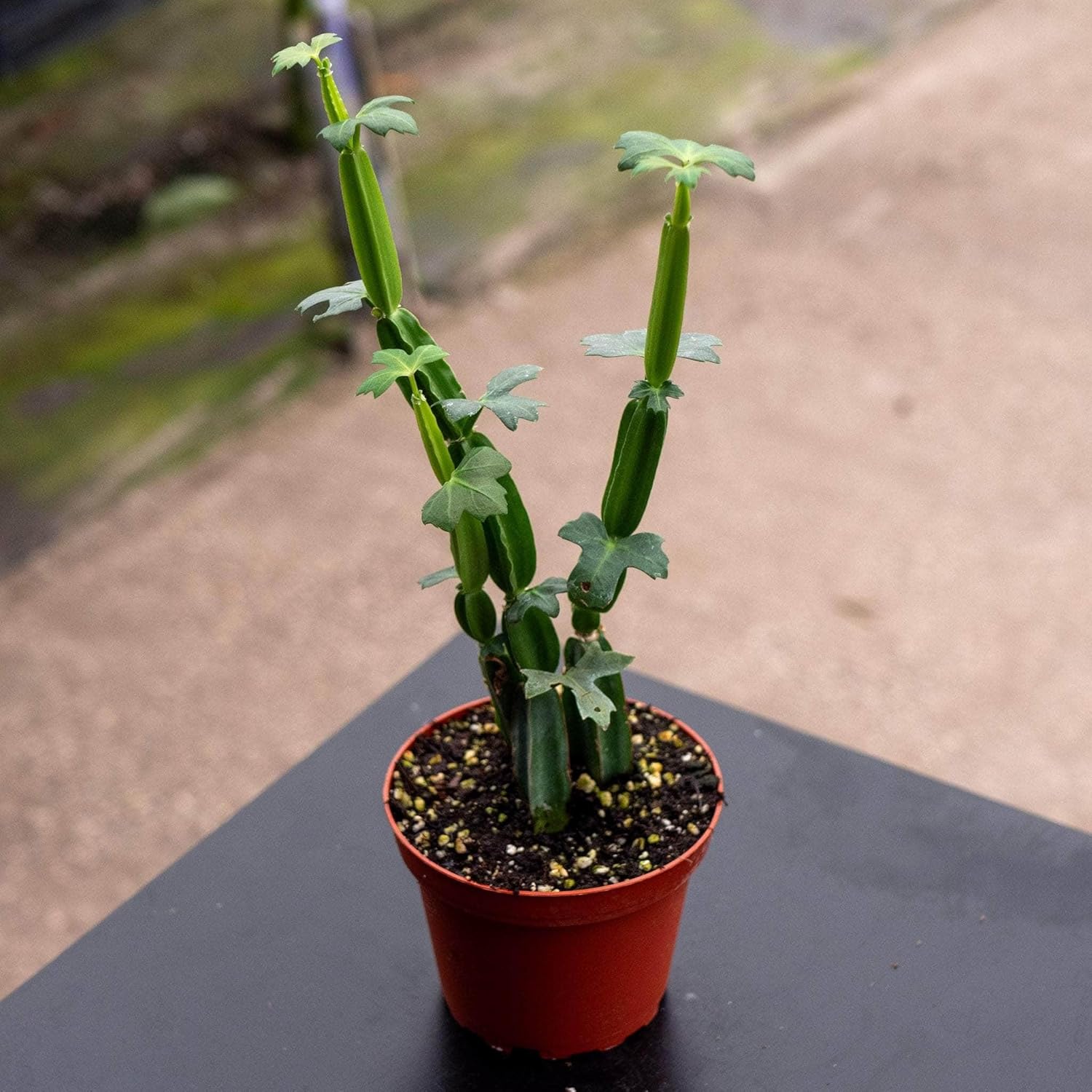
- Suitable For: Home garden, balcony, terrace and containers
- Climate: Warm tropical and subtropical conditions
- Main Attraction: Unusual four-sided succulent stems
🌱 About Hadjod / Pirandai Plant
Hadjod is a fascinating plant for gardeners because of its unusual architectural stems. Unlike ordinary leafy climbers, Cissus quadrangularis has succulent, angular stems that can remain partly or largely leafless at times, particularly under dry conditions. Kew describes it as a climbing succulent adapted to seasonally dry tropical environments.
The plant can develop into a climbing or trailing form, making it useful for growing along a small support, trellis or garden structure.
🪴 Growing Hadjod in a Pot
Pirandai can be grown successfully in a container when provided with:
- A well-draining pot
- A suitable support or trellis
- Good sunlight
- Fast-draining soil
- Moderate watering
Choose a pot with sufficient drainage holes because the plant’s succulent stems do not require constantly wet soil.
☀️ Sunlight Requirements
Hadjod prefers bright sunlight and warm growing conditions.
For healthy growth:
- Provide several hours of sunlight each day.
- Morning and filtered afternoon sunlight are suitable.
- A bright terrace or balcony can work well.
- Avoid keeping it permanently in a dark indoor location.
Good light also helps maintain strong, compact growth.
💧 Watering
Because Hadjod has succulent stems, it can tolerate periods of relatively dry conditions.
A simple watering routine is:
- Allow the upper portion of the soil to dry between waterings.
- Water thoroughly when the soil has dried sufficiently.
- Allow excess water to drain completely.
- Avoid keeping the pot continuously wet.
- Reduce watering during prolonged rainy or cool periods.
Overwatering is generally more problematic than allowing the soil to become moderately dry.
🪴 Soil & Potting Mix
Use a loose, porous and fast-draining potting mix.
A suitable mixture can include:
- Garden soil
- Coarse sand
- Compost
- Cocopeat
- Perlite or another drainage material
The objective is to provide enough drainage so that water does not remain around the roots for long periods.
🌿 Support for Climbing
Hadjod naturally has a climbing growth habit, so providing support can make the plant easier to manage.
You can use:
- Bamboo sticks
- Garden trellis
- Plant support frames
- Balcony railing with suitable plant ties
- Small garden arches
Guide the growing stems gently rather than bending or forcing them sharply.
🌱 Fertilizer
Apply a moderate amount of balanced fertilizer or mature organic compost during active growth.
Avoid excessive feeding. A healthy, well-drained growing medium combined with adequate sunlight is more important than heavy fertilization.
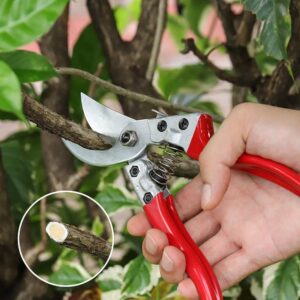
✂️ Pruning & Maintenance
Regular pruning is not essential, but occasional trimming can help control the plant’s size and shape.
Remove:
- Dry stems
- Damaged growth
- Weak or unwanted shoots
- Excessively long stems
Healthy cuttings can also be useful for propagation, although propagation success depends on the cutting and growing conditions.
🌸 Flowers & Fruits
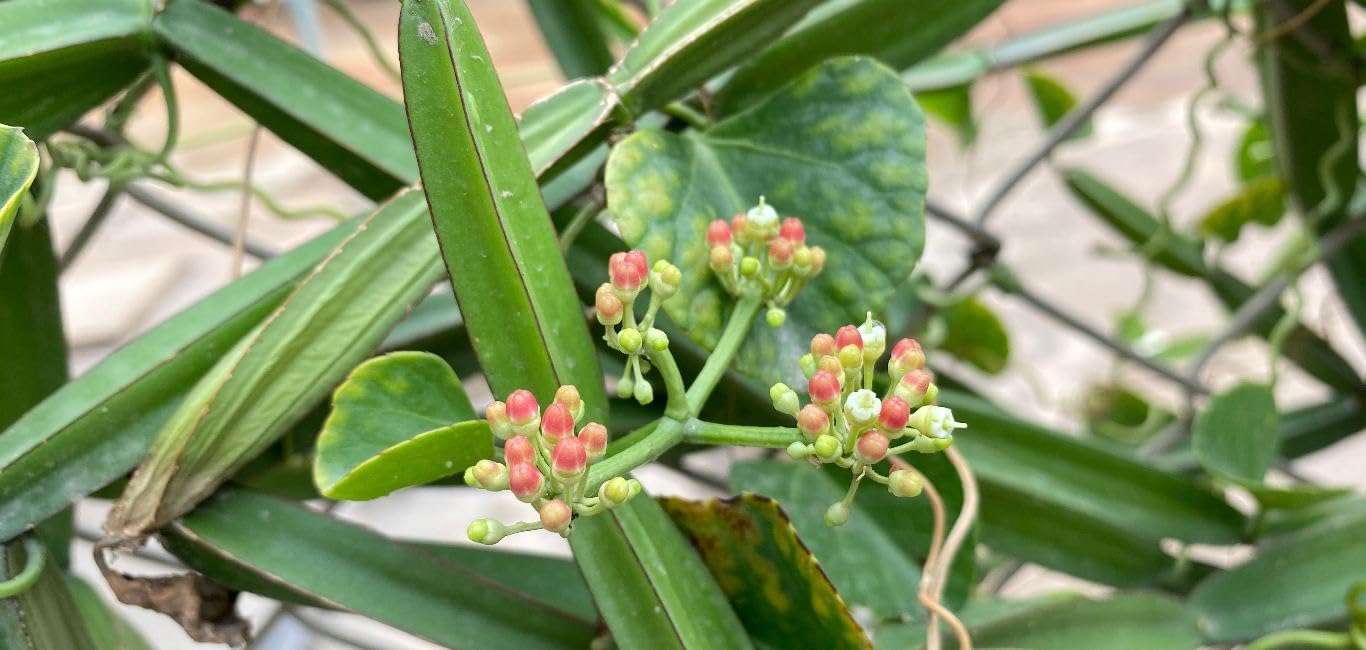
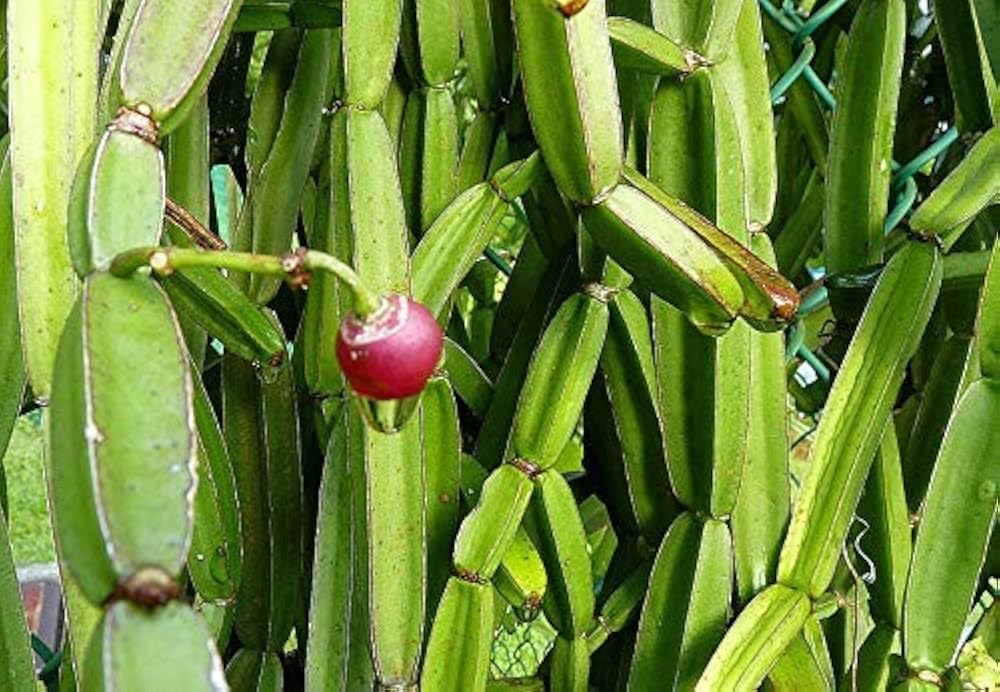
Under suitable conditions, Cissus quadrangularis can produce small flowers followed by small fruits. Its primary ornamental attraction, however, is its unusual four-angled succulent stems and climbing growth habit. Kew records yellowish-green to cream flowers and reddish fruits for the species.
🏡 Where Can You Grow Pirandai?
Hadjod is suitable for:
- Home gardens
- Terrace gardens
- Balcony gardens
- Kitchen gardens
- Container gardens
- Courtyards
- Small trellis gardens
- Tropical plant collections
- Outdoor plant displays
It is especially interesting for gardeners who want a plant with a different appearance from conventional leafy climbers.
🌿 Traditional Plant — Important Information
Pirandai/Hadjod has a long history of traditional use in South Asian food and herbal practices. However, traditional use does not establish that the plant treats or prevents a medical condition.
This listing is for a live ornamental/garden plant. Do not use the plant medicinally or consume it based only on information in this product description. If you are considering consuming or using the plant for a health purpose, consult a qualified healthcare professional.
🚚 Healthy Live Plant Delivery
This product is supplied as a live plant.
Because plants are living organisms, the delivered plant can naturally vary in:
- Height
- Number of stems
- Number of leaves
- Branching
- Stem thickness
- Overall shape
Minor leaf loss or temporary stress can also occur during transportation.
After delivery, place the plant in a bright suitable location, water according to soil moisture and allow it time to adjust to its new environment.
🌱 Why Choose Hadjod / Pirandai Plant?
- Distinctive four-sided succulent stems
- Interesting climbing growth habit
- Suitable for containers
- Excellent choice for terrace and balcony gardens
- Adapted to warm conditions
- Relatively low-water requirement once established
- Interesting addition to kitchen and home gardens
- Traditional Indian plant with cultural significance
🌿 Add a Unique Plant to Your Home Garden
Bring home a Hadjod / Pirandai Plant (Cissus quadrangularis) and enjoy its unusual architectural stems and climbing habit. With good sunlight, well-drained soil and controlled watering, it can become an interesting addition to a home garden or terrace plant collection.







Reviews
There are no reviews yet.