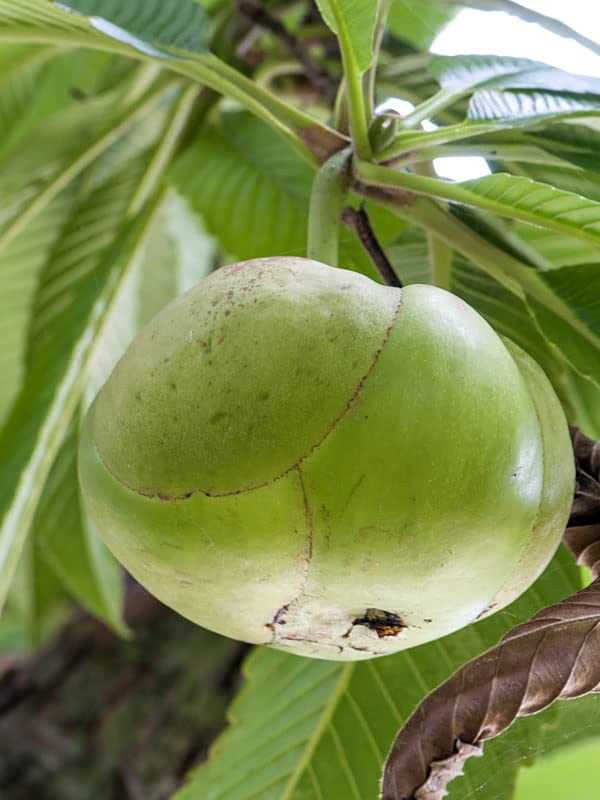
Elephant Apple (Chalta) – Beautiful Tropical Fruit Tree
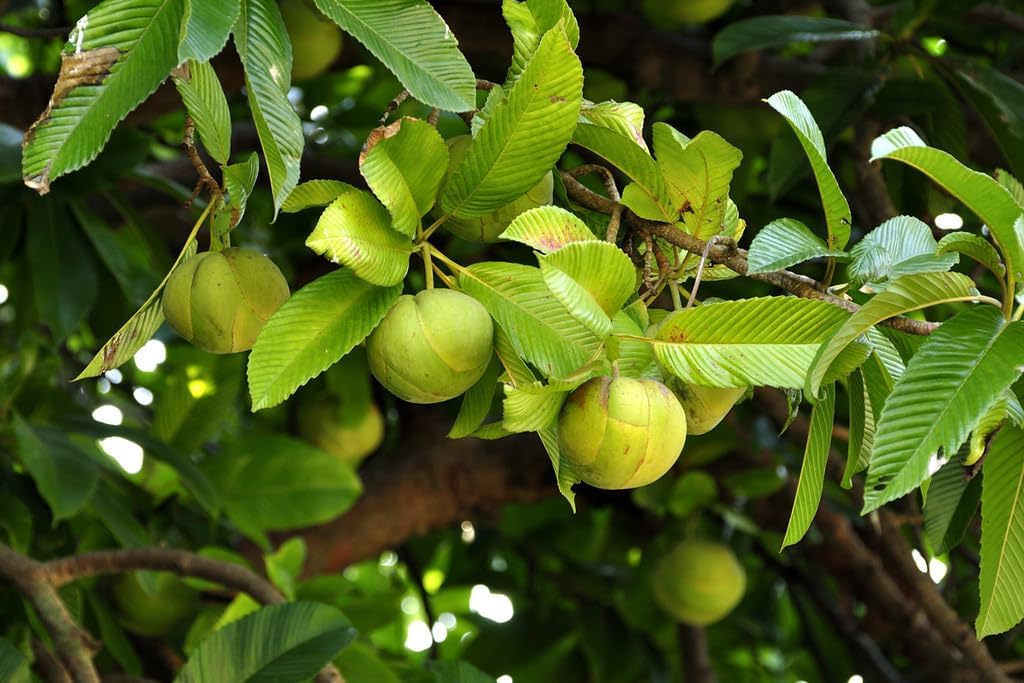
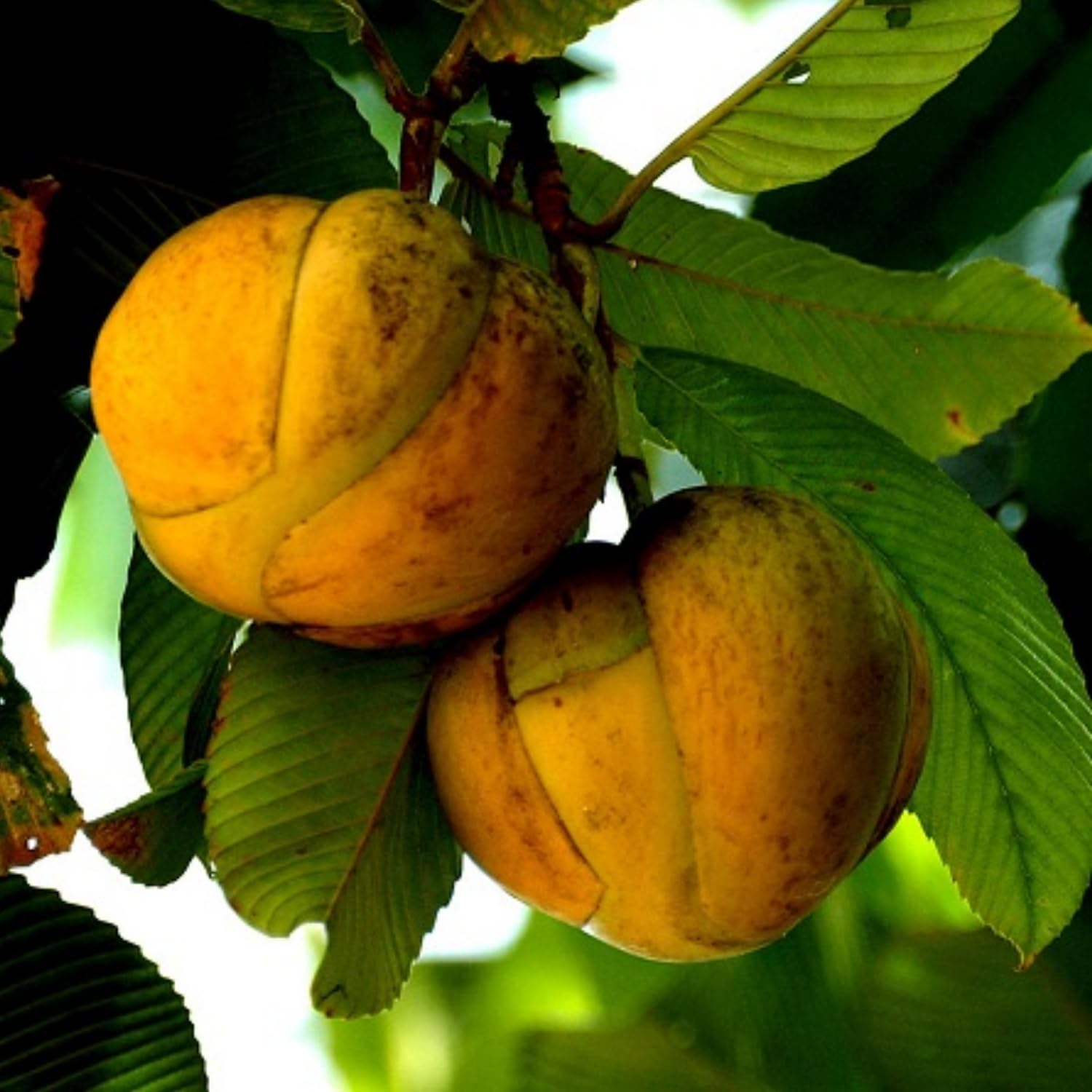
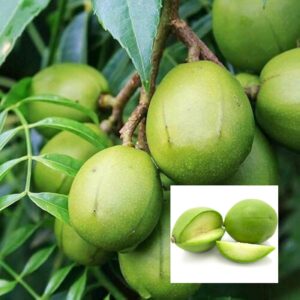
The Elephant Apple, scientifically known as Dillenia indica, is a magnificent evergreen tree native to the Indian subcontinent and Southeast Asia. It is highly valued for its ornamental beauty, large white fragrant flowers, and unique green fruits that resemble apples.
The fruits have a pleasantly tangy flavour and are commonly used in Indian, Bengali, Assamese, and Northeastern cuisines to prepare pickles, chutneys, curries, beverages, and preserves. Besides its culinary value, the tree is an attractive landscape plant thanks to its lush canopy and spectacular blooms.
Key Features
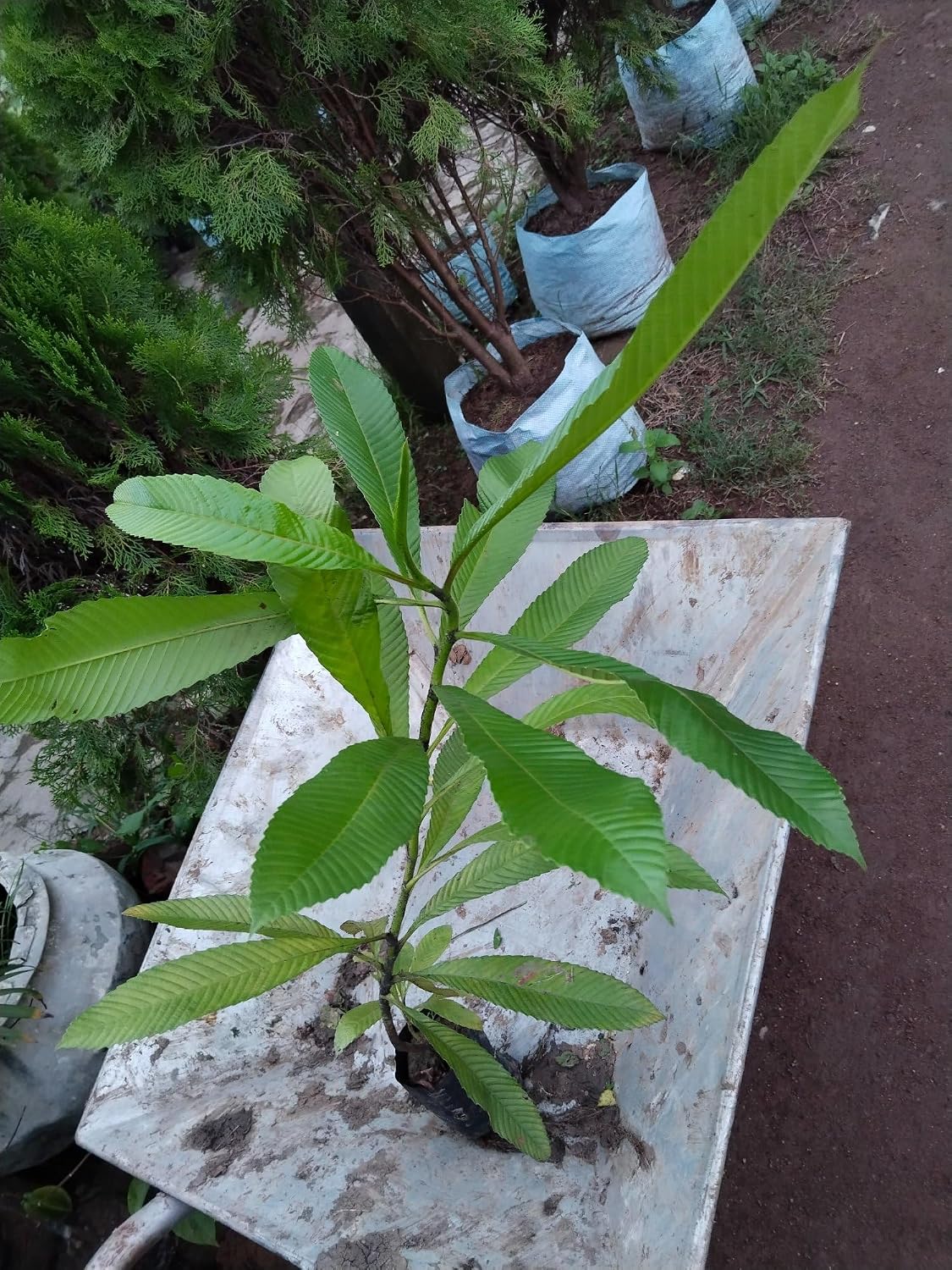
- Healthy Live Elephant Apple (Chalta) Plant
- Botanical Name: Dillenia indica
- Popularly Known as Chalta
- Evergreen Tropical Fruit Tree
- Large White Fragrant Flowers
- Unique Apple-Like Fruits
- Excellent Home Garden Variety
- Suitable for Orchards & Landscapes
- Easy to Grow with Proper Care
- Suitable for Indian Climatic Conditions
Benefits of Growing Elephant Apple
1. Unique Tropical Fruits
Produces large, tangy fruits commonly used in traditional Indian recipes.
2. Attractive Ornamental Tree
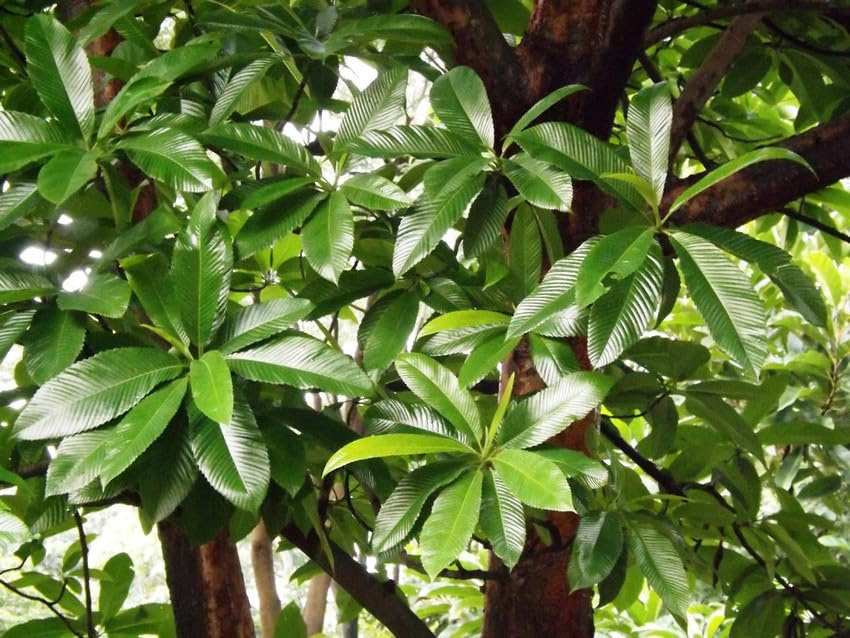
Large glossy leaves and beautiful white flowers enhance any landscape.
3. Multi-Purpose Plant
Suitable for fruit production, ornamental planting, and shade.
4. Long-Lived Tree
A healthy tree can thrive and produce fruits for many years.
5. Ideal for Home Gardens
Perfect for spacious home gardens, orchards, and farmhouses.
6. Excellent Choice for Plant Collectors
A rare and interesting fruit tree for tropical fruit enthusiasts.
Plant Characteristics
| Feature | Description |
|---|---|
| Botanical Name | Dillenia indica |
| Common Name | Elephant Apple, Chalta |
| Plant Type | Evergreen Fruit Tree |
| Flower Colour | White |
| Fruit Colour | Green turning Yellow-Green when mature |
| Fruit Taste | Tangy & Aromatic |
| Growth Habit | Medium to Large Tree |
Plant Care Guide
Sunlight Requirement
- Requires 6–8 hours of direct sunlight daily.
- Full sunlight promotes vigorous growth, flowering, and fruit production.
Watering Requirement
- Water regularly to keep the soil evenly moist, especially during the establishment stage.
- Avoid prolonged waterlogging.
Summer:
Water 2–3 times per week, depending on weather.
Winter:
Water once every 7–10 days or when needed.
Soil Requirement
Use fertile, well-draining soil enriched with organic matter.
Recommended Potting Mix:
40% Garden Soil
30% Organic Compost or Vermicompost
20% River Sand
10% Cocopeat
Ideal Soil pH:
5.5–6.8
Fertilizer Requirement
Feed every 45–60 days during the growing season using:
- Vermicompost
- Organic compost
- Well-rotted farmyard manure
- Balanced fruit tree fertilizer
Flowering & Fruiting Information
Flower Colour
Large White Flowers
Fruiting Season
Flowering and fruiting seasons vary by region and climate. Healthy mature trees generally produce fruits annually under suitable growing conditions.
Plant Specifications
| Feature | Details |
|---|---|
| Common Name | Elephant Apple, Chalta |
| Botanical Name | Dillenia indica |
| Plant Type | Fruit Plant |
| Plant Stage | Healthy Live Plant |
| Mature Height | 8–15 metres |
| Sunlight | Full Sun |
| Water Requirement | Moderate |
| Suitable for Pots | Only when young; later transplant to ground |
| Indoor Plant | No |
| Outdoor Plant | Yes |
| Climate | Tropical & Subtropical |
Perfect For
- Home Gardens
- Orchards
- Farmhouses
- Kitchen Gardens
- Tropical Fruit Collections
- Landscape Gardens
- Organic Gardening
- Large Outdoor Spaces
- Native Tree Collections
- Gardening Gifts
Why Buy Elephant Apple Plant from Krisikart?
- Healthy Live Nursery-Grown Plant
- Premium Fruit Variety
- Strong Root System
- High Survival Rate
- Carefully Packed for Safe Delivery
- Quality Checked Before Dispatch
- Suitable for Indian Growing Conditions
- Trusted Gardening Brand
Frequently Asked Questions (FAQs)
Is this a live Elephant Apple plant?
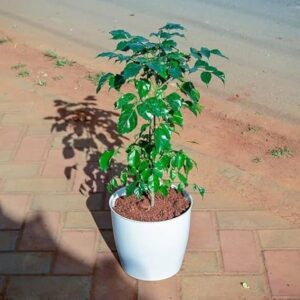
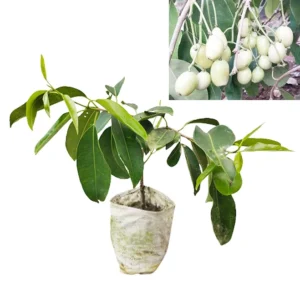
Yes, you will receive a healthy live Elephant Apple (Dillenia indica) plant.
Can it be grown in a pot?
Young plants can be grown in large containers temporarily, but mature trees perform best when planted directly in the ground.
What are the fruits used for?
The fruits are commonly used to prepare pickles, chutneys, curries, jams, beverages, and other traditional dishes.
How much sunlight does it need?
The plant requires 6–8 hours of direct sunlight daily for healthy growth and fruiting.
Is it suitable for home gardens?
Yes. It is ideal for spacious home gardens, orchards, and farmhouses where it has room to grow.
Note: Fruiting depends on plant maturity, climate, soil quality, sunlight, watering, and overall care. Young nursery plants require time to establish before producing flowers and fruits.





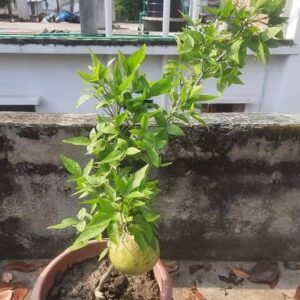









Asmita kumari –
Plants are growing well after planting.
Will order more soon.