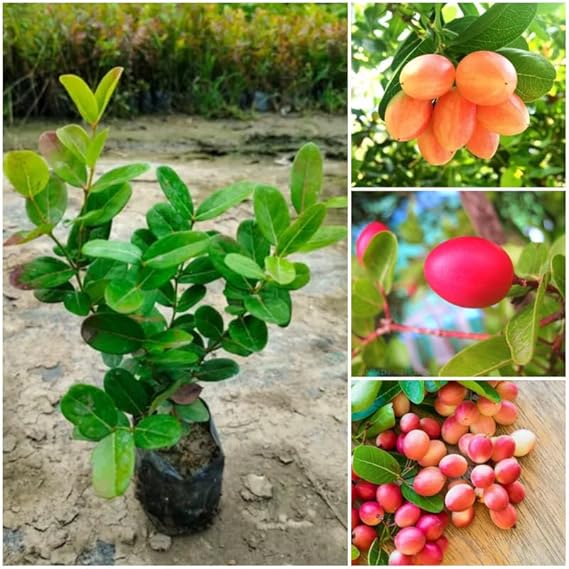
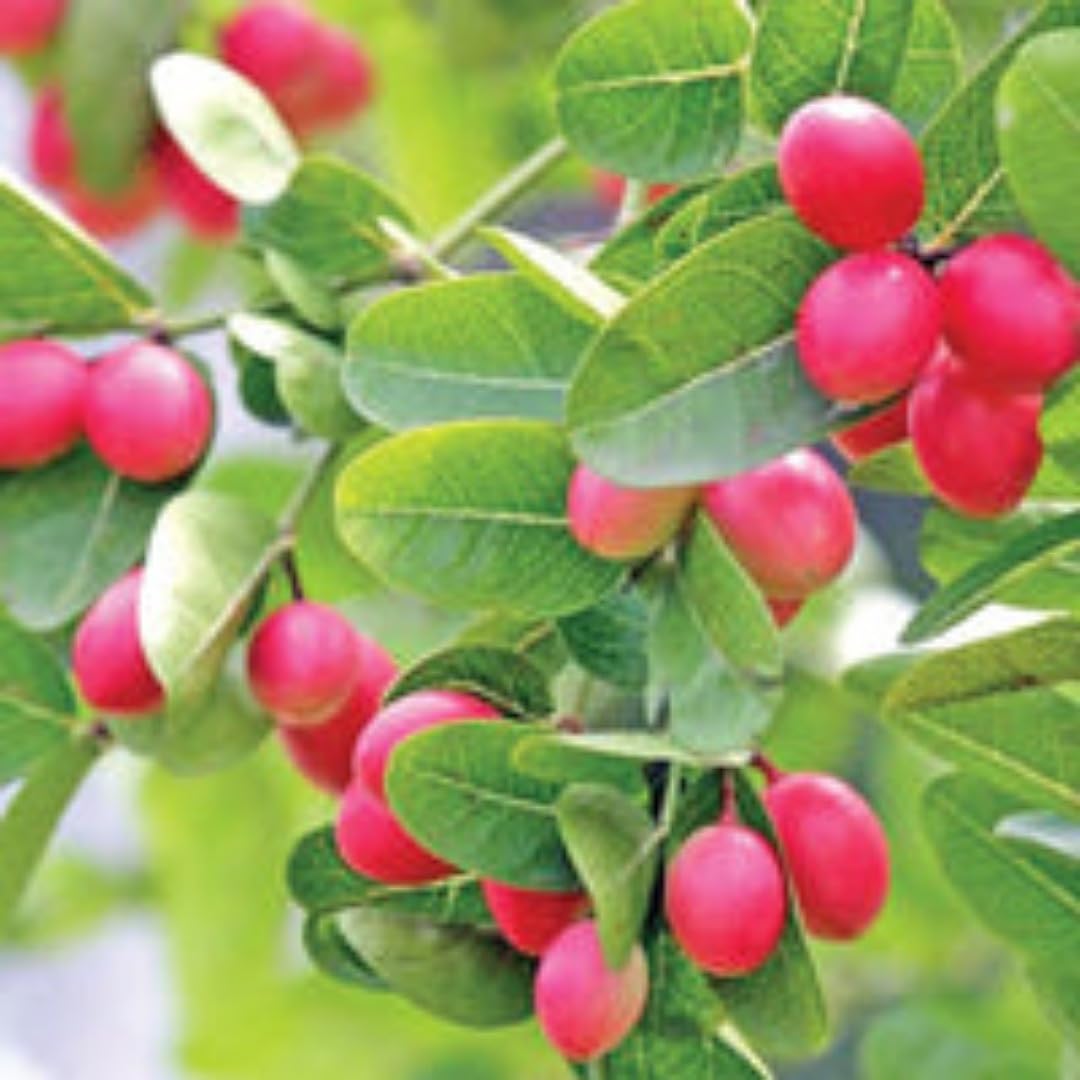
Sweet Korchi / Karonda – Hardy Fruit Plant
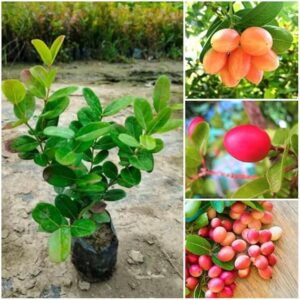
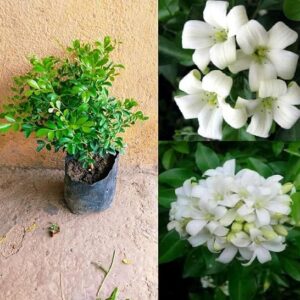
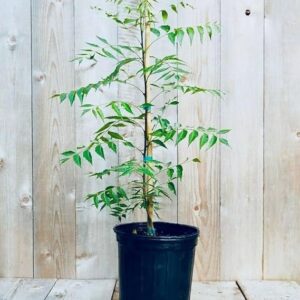
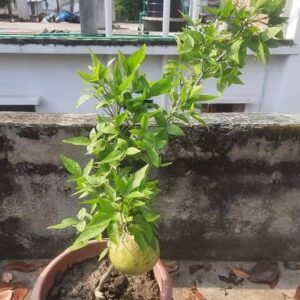
Karonda (Carissa carandas) is a popular tropical and subtropical fruit plant widely grown in India. The plant is naturally bushy and can develop into a dense shrub with glossy green leaves.
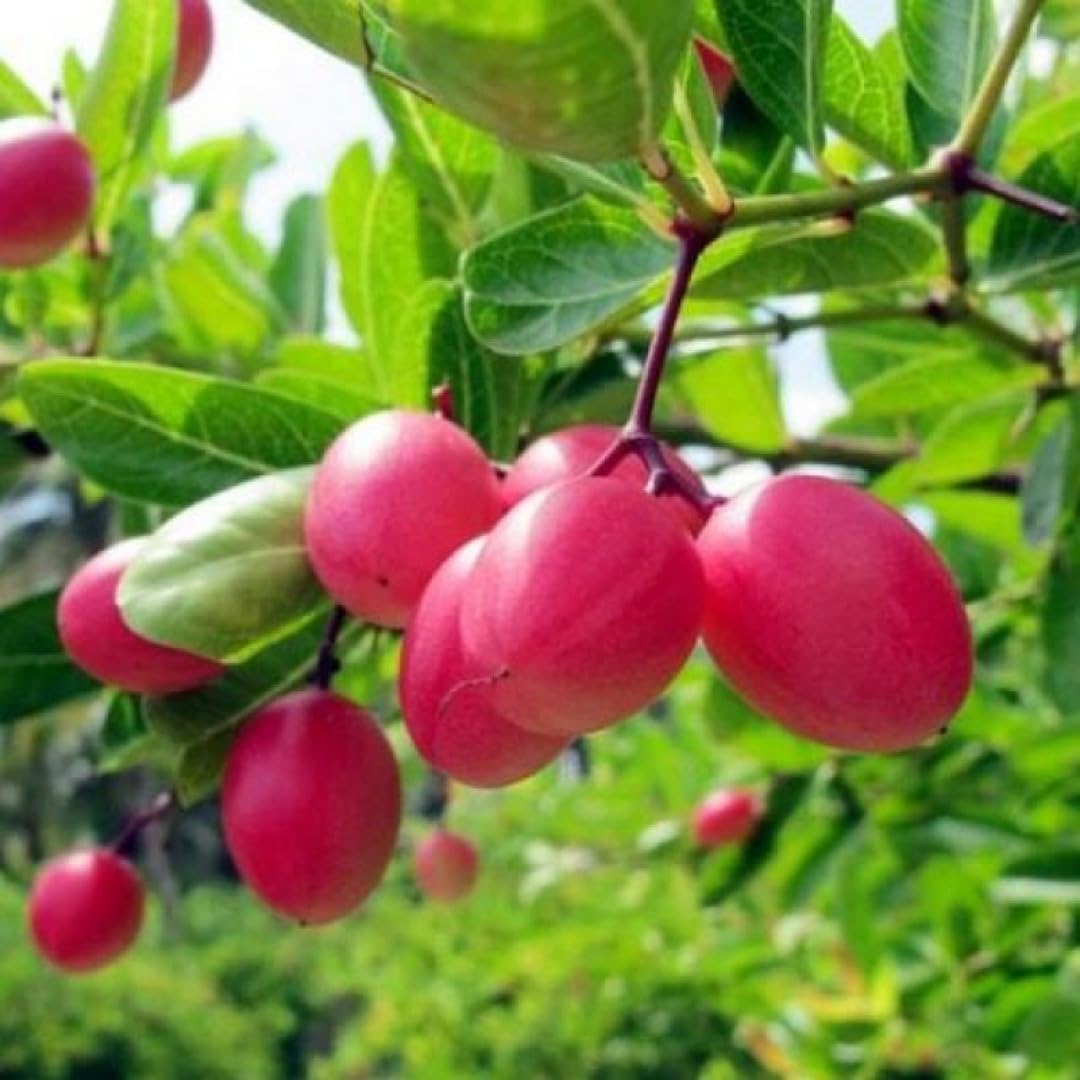
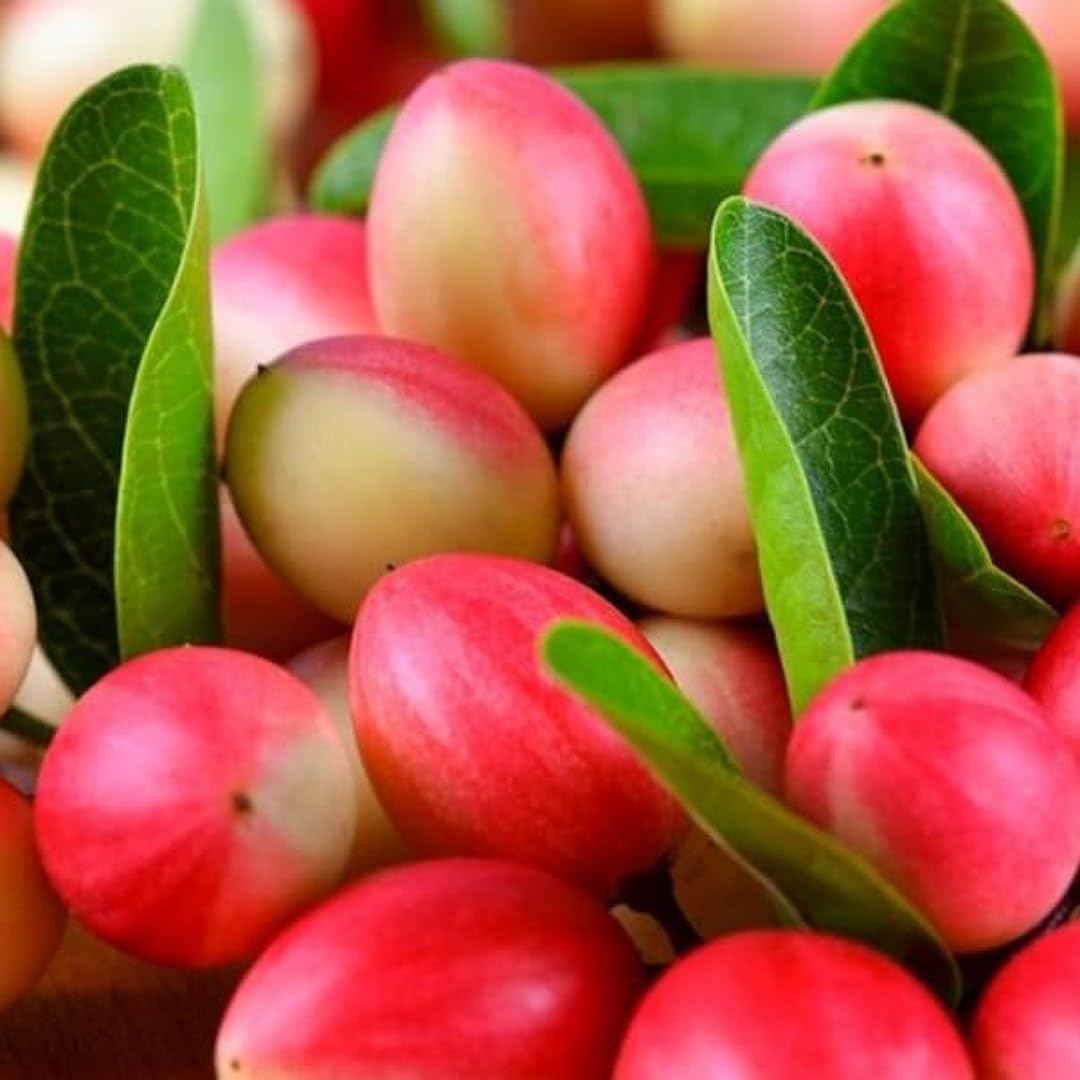
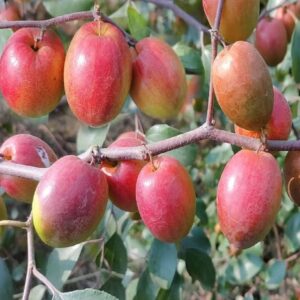
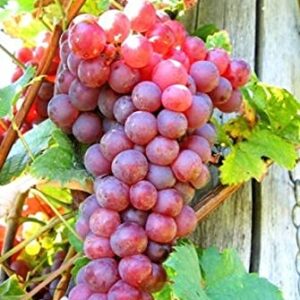
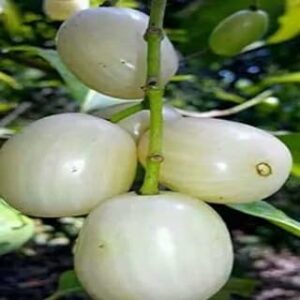
Karonda fruits generally develop in clusters and change colour as they mature, commonly progressing from green to pink, red, purple, or dark shades depending on the variety and maturity.
The Sweet Karonda selection is preferred by gardeners who want a sweeter, more enjoyable fruit compared with strongly sour or acidic Karonda varieties.
Its compact growth and hardy nature also make it useful for garden borders and natural fencing.
Key Features
- Sweet Korchi / Karonda Fruit Plant
- Healthy Live Fruit Plant
- Botanical Name: Carissa carandas
- Sweet & Juicy Fruit Selection
- Attractive Colourful Fruits
- Evergreen Green Foliage
- Fragrant White Flowers
- Hardy & Easy-to-Grow Plant
- Suitable for Home Gardens
- Excellent for Backyard & Kitchen Gardens
- Suitable for Large Containers
Benefits of Growing Sweet Karonda
1. Sweet & Refreshing Fruit
Sweet Karonda varieties are grown for their pleasant fruit flavour and can be enjoyed fresh when properly mature.
2. Hardy Garden Plant
Karonda is known for its robust growth and ability to tolerate a range of growing conditions once established.
3. Attractive Fruits
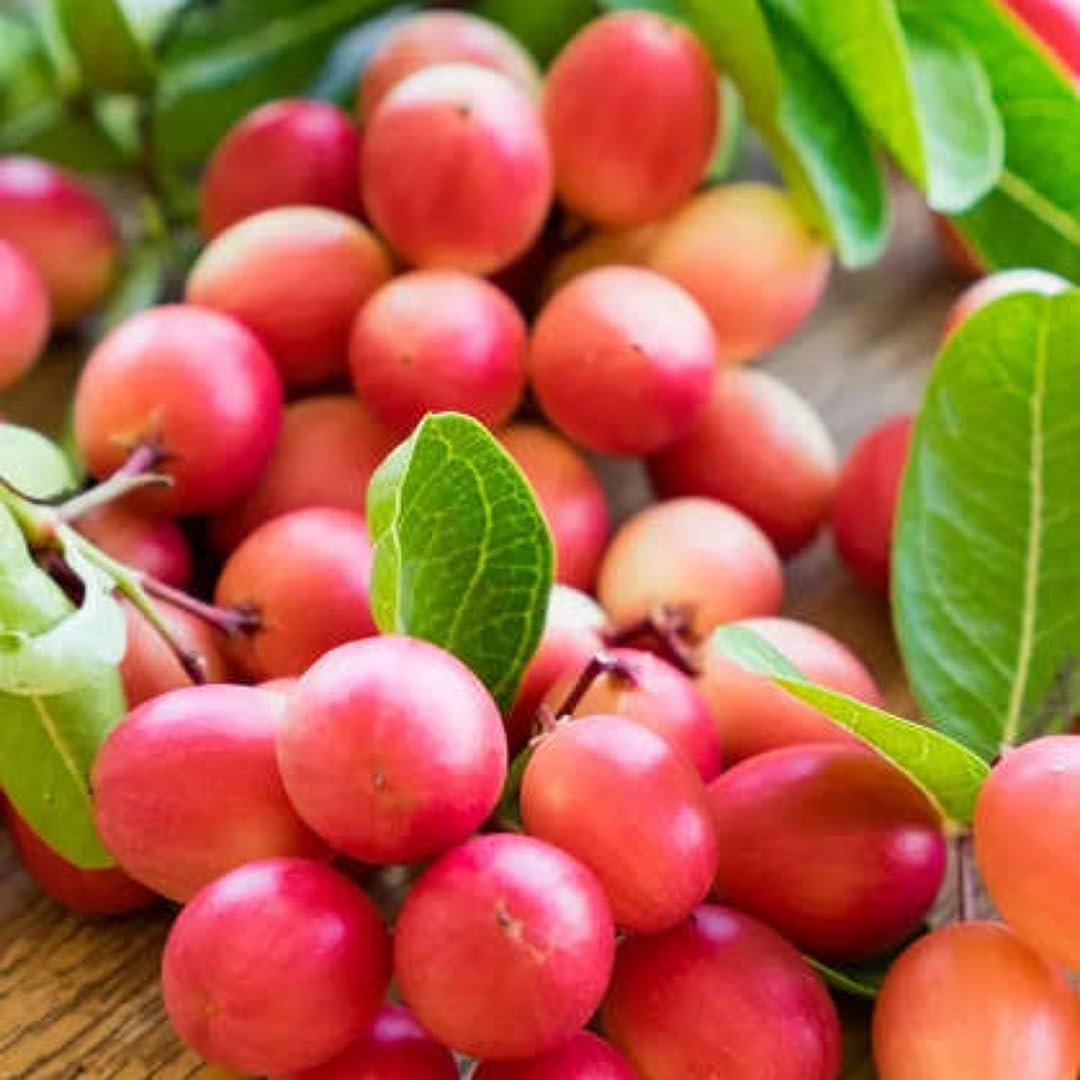
The fruits can develop attractive pink, red, purple, or dark colours as they mature, adding ornamental value to the plant.
4. Useful Garden Shrub
The naturally bushy growth makes Karonda suitable for:
- Garden Borders
- Boundary Planting
- Natural Fencing
- Home Gardens
- Landscape Planting
5. Versatile Fruit
Karonda fruits can be used for:
- Fresh Eating
- Pickles
- Chutneys
- Jams
- Jellies
- Syrups
- Homemade Preserves
Plant Characteristics
| Feature | Description |
|---|---|
| Common Name | Karonda / Korchi |
| Other Names | Karamcha / Koromcha |
| Botanical Name | Carissa carandas |
| Plant Type | Fruit Shrub |
| Fruit Colour | Green → Pink / Red / Dark |
| Fruit Taste | Sweet to Sweet-Tangy |
| Flowers | White & Fragrant |
| Foliage | Evergreen |
| Growth Habit | Bushy / Shrubby |
| Climate | Tropical & Subtropical |
Plant Care Guide
Sunlight Requirement
Karonda grows well in sunny locations.
- Provide approximately 6–8 hours of direct sunlight daily.
- Full sun encourages healthy growth, flowering, and fruit development.
- Choose an open area with good air circulation.
Watering Requirement
Karonda is relatively drought tolerant once established.
For young plants:
- Water regularly during establishment.
- Allow the top layer of soil to dry slightly between watering.
- Avoid continuous waterlogging.
- Provide additional water during prolonged hot and dry periods.
Soil Requirement
Karonda is adaptable to different soil types but performs best in fertile, well-draining soil.
Recommended Potting Mix
- 50% Garden Soil
- 30% Vermicompost / Organic Compost
- 20% River Sand / Cocopeat
Good drainage is important for healthy roots.
Fertilizer Requirement
Apply organic fertilizer periodically during active growth.
Recommended options include:
- Vermicompost
- Organic Compost
- Well-Rotted Farmyard Manure
- Neem Cake
- Balanced Fruit-Plant Fertilizer
During flowering and fruit development, a suitable fertilizer containing phosphorus and potassium can be applied according to the recommended dosage.
Flowering & Fruiting Information
Flowers
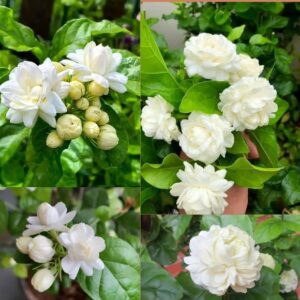
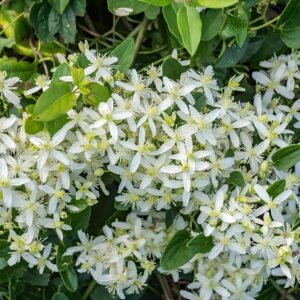
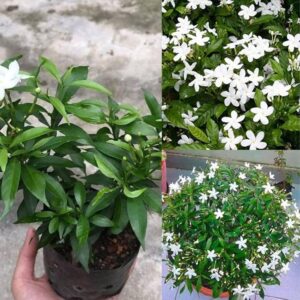
Karonda produces attractive small white, fragrant flowers, often in clusters.
Fruits
The fruits develop in clusters and change colour as they mature.
Depending on the variety, fruits may develop shades of:
Green → Pink → Red → Purple / Dark
Taste
Sweet Karonda is selected for a sweet to sweet-tangy flavour, although exact taste varies according to cultivar, maturity, and growing conditions.
Fruiting Season
Karonda can flower and fruit at different times depending on climate, variety, plant maturity, irrigation, pruning, and nutrition.
Fruiting Time
A healthy propagated plant can have earlier fruiting potential than a seed-grown plant. Actual fruiting depends on plant age, maturity, climate, and growing conditions.
Growing Sweet Karonda in a Pot
Karonda is well suited to container gardening because of its naturally bushy growth.
For container cultivation:
- Use a 16–20 inch or larger pot depending on plant size.
- Ensure adequate drainage holes.
- Provide full sunlight.
- Use fertile, well-draining soil.
- Feed regularly.
- Prune to maintain a compact shape.
- Repot when the roots become crowded.
For larger plants and higher fruit production, open-ground planting is recommended.
Pruning & Hedge Use
Karonda can be trained as a dense garden shrub or boundary plant.
Regular pruning can:
- Encourage branching
- Maintain a compact shape
- Control plant height
- Improve air circulation
- Make harvesting easier
Important: Karonda plants can develop thorns, so take care when pruning or planting near walkways.
Plant Specifications
| Feature | Details |
|---|---|
| Common Name | Sweet Karonda / Korchi |
| Botanical Name | Carissa carandas |
| Plant Type | Live Fruit Shrub |
| Fruit Colour | Green to Red / Dark |
| Fruit Taste | Sweet to Sweet-Tangy |
| Flowers | White & Fragrant |
| Foliage | Evergreen |
| Sunlight | Full Sun |
| Water Requirement | Low to Moderate |
| Suitable for Pots | Yes |
| Suitable for Open Ground | Yes |
| Hedge Use | Yes |
| Indoor Plant | No |
| Outdoor Plant | Yes |
| Climate | Tropical & Subtropical |
Perfect For
- Home Gardens
- Backyard Gardens
- Kitchen Gardens
- Terrace Gardens
- Farmhouses
- Boundary Planting
- Natural Hedges
- Fruit Gardens
- Tropical Gardens
- Container Gardening
- Fruit Plant Collections
Why Buy Sweet Karonda Plant from Krisikart?
- Healthy Live Karonda Plant
- Sweet Fruit Selection
- Hardy & Low-Maintenance Fruit Plant
- Fragrant White Flowers
- Attractive Colourful Fruits
- Suitable for Indian Growing Conditions
- Excellent for Home Gardens & Boundaries
- Suitable for Pots & Open Ground
- Carefully Packed for Safe Delivery
- Quality Checked Before Dispatch
Frequently Asked Questions (FAQs)
What is Korchi?
Korchi is a regional name used for Karonda (Carissa carandas), a tropical fruit-bearing shrub commonly grown in India.
Is Sweet Karonda different from regular Karonda?
Sweet Karonda refers to selected varieties or nursery selections that are marketed for relatively sweeter fruit. Taste can vary according to the actual cultivar and fruit maturity.
Is Karonda a tree or shrub?
Karonda generally grows as a dense, bushy shrub and can be trained as a garden border or hedge.
Does Karonda have thorns?
Yes. Karonda plants can have sharp thorns, so care should be taken while pruning and handling the plant.
Can I grow Karonda in a pot?
Yes. Karonda is well suited to large containers and can be maintained through regular pruning.
How much sunlight does Karonda need?
Approximately 6–8 hours of direct sunlight is beneficial for healthy growth and fruiting.
Are Karonda fruits edible?
Yes. Ripe Karonda fruits can be eaten fresh, while fruits at different maturity stages are also commonly used in pickles, chutneys, jams, jellies, and preserves.
When will the plant produce fruit?
Fruiting depends on plant age, propagation method, cultivar, climate, sunlight, nutrition, irrigation, pruning, and overall care. A young nursery plant needs time to establish before producing fruit.
Note: Fruit size, sweetness, acidity, colour, seed content, yield, flowering, fruiting season, and growth rate may vary according to the specific cultivar, plant age, climate, soil, sunlight, irrigation, nutrition, pruning, and growing conditions. “Sweet Karonda” is a nursery/product description and characteristics may vary between selections. Fruiting is not guaranteed immediately after planting.








Reviews
There are no reviews yet.