Biryani Leaf Plant / Payes Pata / Pandan – Pandanus amaryllifolius
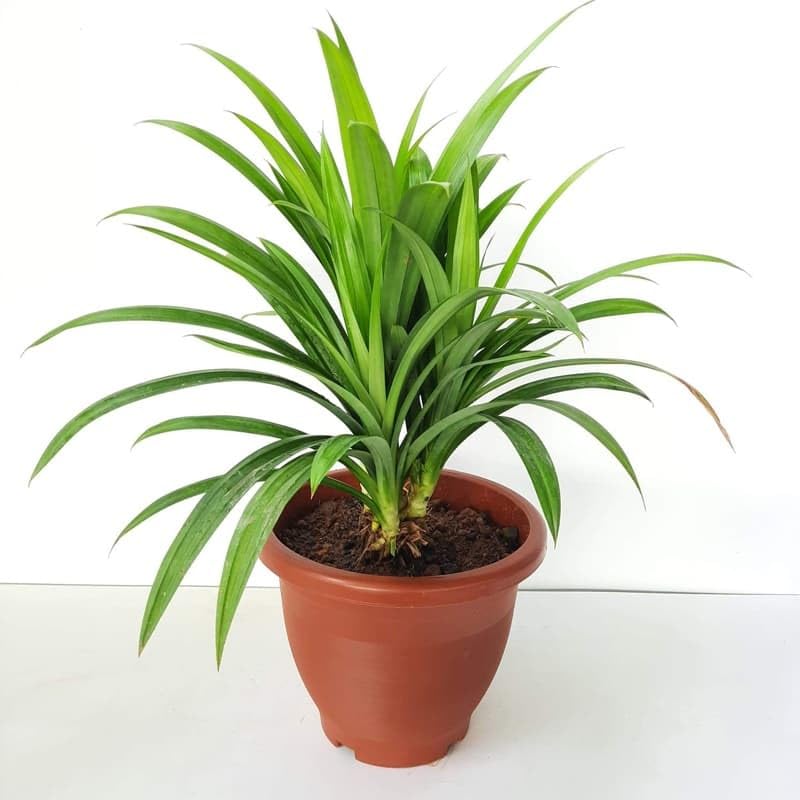
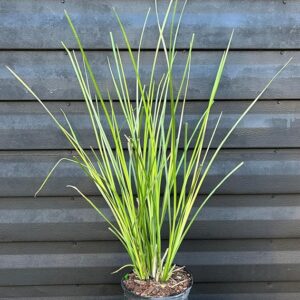
Pandanus amaryllifolius is a tropical plant widely known for its fragrant, strap-like green leaves. In different regions, it may be called Pandan, Rambha, Payes Pata or Biryani Leaf.
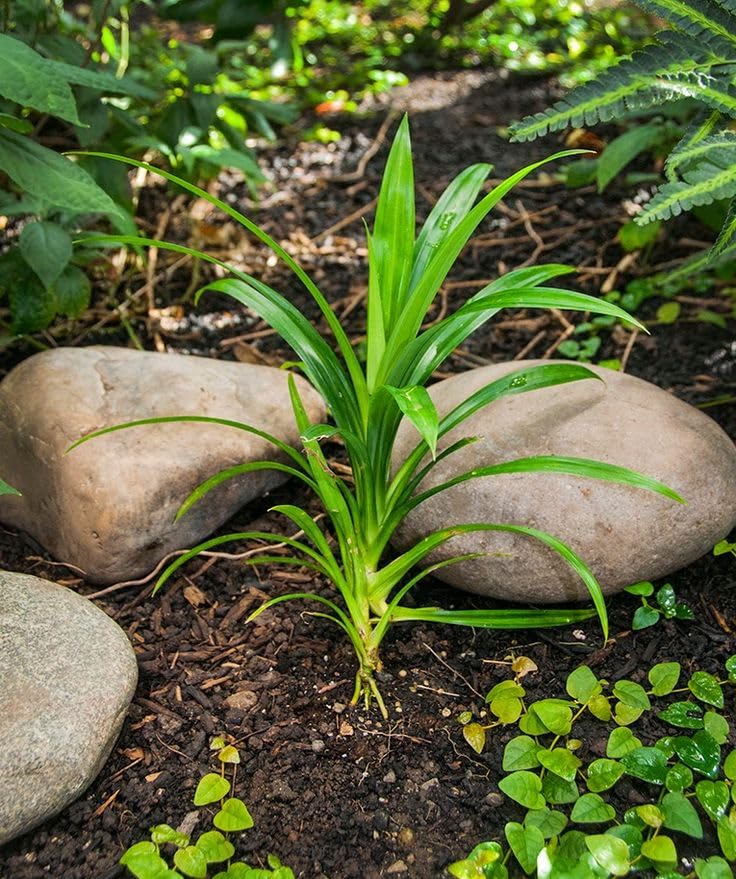
The plant develops long, narrow leaves from a central clump, creating an attractive ornamental appearance while also providing leaves for traditional culinary applications.
Growing a Pandan plant at home can provide convenient access to fresh leaves when the plant is mature enough for harvesting.
Key Product Highlights
- Live Pandan plant
- Botanical name: Pandanus amaryllifolius
- Also known as Payes Pata / Rambha
- Fragrant green leaves
- Traditionally used in cooking
- Suitable for rice dishes and desserts
- Tropical ornamental appearance
- Suitable for container gardening
- Ideal for kitchen gardens and home gardens
- Suitable for warm, humid growing conditions
Plant Specifications
| Specification | Details |
|---|---|
| Common Name | Pandan / Biryani Leaf / Payes Pata / Rambha |
| Botanical Name | Pandanus amaryllifolius |
| Plant Type | Aromatic tropical foliage plant |
| Foliage | Long, narrow, fragrant green leaves |
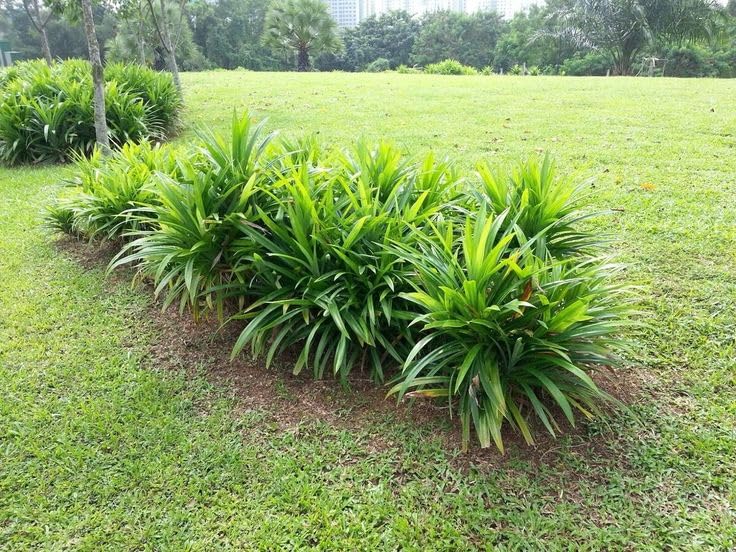
| Growth Habit | Clumping / upright |
| Light | Bright filtered light to partial sunlight |
| Watering | Regular / moderate to high |
| Soil | Fertile, moisture-retentive and well-draining |
| Suitable For | Home, Kitchen Garden, Balcony, Terrace & Garden |
Culinary Uses
Fresh Pandan leaves are traditionally used for their distinctive sweet, aromatic fragrance.
Depending on regional cuisine, leaves may be used to flavor:
- Rice dishes
- Biryani-style preparations
- Payesh and other milk-based desserts
- Puddings
- Cakes and sweets
- Beverages
- Coconut-based dishes
- Traditional Southeast Asian and South Asian recipes
The leaves are generally used primarily for their aroma and flavor rather than eaten as a leafy vegetable.
Growing Pandan at Home
Pandan prefers warm and humid conditions and can be grown successfully in containers when provided with adequate moisture, warmth and suitable light.
For home cultivation, choose a container with drainage holes and use a fertile growing medium that retains some moisture without becoming stagnant.
Plant Care Guide
☀️ Sunlight
Provide bright filtered light or partial sunlight.
Gentle morning sunlight can be suitable. In hot climates, protection from intense afternoon sunlight can help prevent leaf scorching.
💧 Watering
Pandan prefers consistently moist growing conditions compared with many drought-tolerant plants.
- Keep the growing medium evenly moist.
- Do not allow the soil to remain completely dry for long periods.
- Avoid stagnant water around the roots.
- Ensure the container drains excess water properly.
- Increase watering during hot, dry weather when required.
🌱 Soil
Use a fertile, moisture-retentive but well-draining growing medium.
A mixture containing garden soil, compost and cocopeat/coir can be suitable for container cultivation when drainage is maintained.
🌿 Fertilizer
Feed periodically during active growth with a balanced fertilizer or suitable organic compost.
Regular nutrition can support healthy leaf production.
🪴 Potting
Pandan can be grown in containers, making it suitable for balconies, terraces and kitchen gardens.
Choose a container with adequate drainage and enough room for the plant to develop a healthy root system.
Leaf Harvesting
Once the plant is well established, mature outer leaves can be harvested as needed.
Use a clean knife or scissors and avoid removing too many leaves from a young plant at one time. Allow sufficient foliage to remain for continued growth.
Always wash harvested leaves thoroughly before culinary use.
Where to Grow
The Pandan plant can be grown in:
- 🌿 Kitchen gardens
- 🏡 Home gardens
- 🪴 Large containers
- 🌤️ Terraces
- 🌿 Balconies
- 🏠 Bright outdoor areas
- 🌱 Tropical-style garden spaces
In cooler regions, container cultivation allows the plant to be moved to a warmer or protected location when necessary.
Why Grow a Pandan Plant?
Pandan offers a combination of ornamental greenery and culinary usefulness.
Its long fragrant leaves provide a tropical appearance, while established plants can provide fresh leaves for traditional cooking and desserts.
Growing Pandan in a home garden or container can also be a convenient way to maintain a supply of fresh leaves rather than relying only on packaged or dried products.
Important Culinary Note
Use only correctly identified Pandanus amaryllifolius leaves for culinary purposes. Common names such as “Biryani Leaf” or “Payes Pata” can vary by region and may sometimes be used for other aromatic leaves.
If there is any uncertainty about plant identification, do not consume the leaves until the plant has been positively identified.
Important Live Plant Information
This is a live plant, so the delivered plant may naturally differ from the product photograph.
Individual plants may vary in:
- Height
- Number of leaves
- Leaf length
- Leaf width
- Foliage density
- Overall shape
- Root development
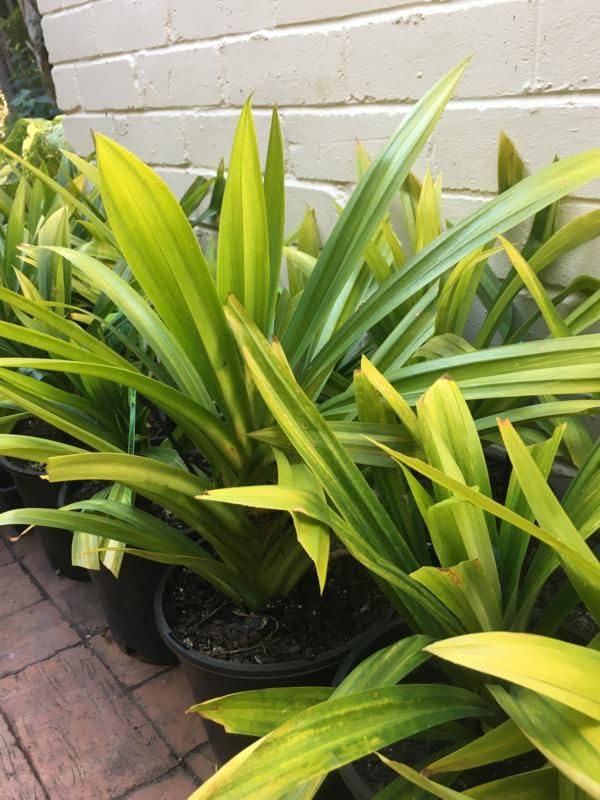
Leaves may bend, yellow or shed during packaging and transportation due to handling, temperature changes and transit stress. Temporary transit stress is normal for live plants and does not necessarily indicate poor plant health.











Reviews
There are no reviews yet.